REVIEW · BEIJING
14-Day Small-Group China Tour: Beijing, Xi’an, Guilin, Yangtze Cruise, Shanghai
Book on Viator →Operated by Travel China Guide · Bookable on Viator
Beijing to Shanghai is a big loop, and this tour keeps it clean and efficient with guided stops, set transport, and entrance tickets handled. I love the way the itinerary hits headline sights like the Forbidden City and the Great Wall, then balances that with local texture like Hutong rickshaws and the Muslim Quarter in Xi’an. One thing to consider: the pace is full, with multiple flights and train rides, so you’ll want to travel light and handle long days without expecting slow wandering.
The best part for me is the people side. This is a max 18-person tour, with English-speaking guides, air-conditioned vehicles, and a track-record of punctual logistics. In the feedback I saw, guides such as Candy in Beijing, Tracy in Xi’an, and Selena meeting people at the airport stood out for organization, calm leadership, and practical help like making sure water is always on hand in hot, humid weather.
In This Review
- Key things I’d plan around
- Why this route works: Beijing to Shanghai in one smooth arc
- Beijing highlights: Great Wall cable car, imperial palaces, and an acrobatics night
- Xi’an essentials: Terracotta Warriors, Tang performances, and Muslim Quarter energy
- Guilin and Yangshuo: Reed Flute Cave, Elephant Trunk Hill, and a real river cruise
- The Yangtze cruise you actually want: Chongqing start, Fengdu, Shennv Stream, and Three Gorges Dam
- Shanghai with real context: Museum time, Yu Garden, and a Bund-area river cruise
- Price and logistics: what $3,139 covers, and what you should plan for
- Who should book this (and who should choose something else)
- Should you book this 14-day Beijing to Shanghai tour?
- FAQ
- What cities are included on this tour?
- How long is the tour?
- What is the tour price per person?
- Is the Yangtze cruise included, and for how long?
- What types of transportation are included?
- Are entrance fees included?
- Are meals included?
- Does the tour include shopping stops?
- Is the Tang Dynasty Music and Dance Show always included?
- Do I need to pay for the Shanghai airport transfer on Day 14?
- Is the tour refundable if plans change?
Key things I’d plan around
- UNESCO-first framing: Forbidden City, Summer Palace, Temple of Heaven, Great Wall, and the Terracotta Warriors are treated as true anchor stops, not quick photo breaks.
- Great Wall at Mutianyu with cable car: fewer steps, scenic views, and time on the wall for proper photos.
- Local food without detours: Peking roast duck shows up as a welcome lunch, and Xi’an’s Muslim Quarter is built into the day.
- Li River cruise to Yangshuo: you get the iconic scenery plus West Street time and a rural detour with a villager home visit.
- Real sailing time on the Yangtze: three nights aboard the Century Oasis, including excursions for Fengdu and Shennv Stream.
- Seasonal Tang show planning: the Tang Dynasty Music and Dance Show isn’t included in some months, so check your travel dates.
Why this route works: Beijing to Shanghai in one smooth arc
This 14-day small-group tour strings together China’s biggest “first-timer” experiences without you having to piece together flights, train tickets, and timed entrances.
You’ll start in Beijing, then head west to Xi’an for the Terracotta Warriors. From there, you fly to Guilin for karst scenery and the Li River cruise to Yangshuo. Next comes a three-night Yangtze River cruise from Chongqing toward Shanghai, including a Three Gorges Dam excursion. The finish is a proper Shanghai sampler with museum time, Yu Garden, and a Bund-area river cruise.
You’re not stuck in a van all day either. The itinerary mixes long-view stops (Great Wall, Li River, Yangtze gorges) with city days where you actually walk and explore with your guide. And the tour explicitly avoids the usual time-wasters: no shopping detours, no factory stores, no tea ceremony, and no shopping-site restaurant. If you hate manufactured stops, this is a serious plus.
You can also read our reviews of more boat tours in Beijing

Beijing highlights: Great Wall cable car, imperial palaces, and an acrobatics night
Beijing Day 1 is mostly about getting settled. You’re met at the airport after customs, whisked to your hotel, and then you’re free to pace yourself for the rest of the day. That free time matters—Beijing can feel intense the moment you land, so having a low-pressure start is a smart setup.
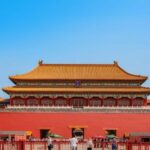
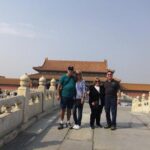
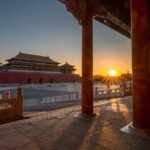
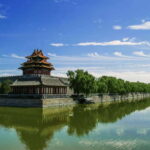
Day 2 is built around Tiananmen Square and the classic imperial core. You’ll see Tiananmen Square, then go straight into the Forbidden City, the Palace Museum. The guided approach here is key: you don’t just walk rooms. You get context about how emperors handled political life and how the collection of halls and pavilions reflects that world. There’s also an a la carte welcome lunch featuring Peking roast duck, served at a local restaurant—exactly the kind of meal that makes a big day feel complete.
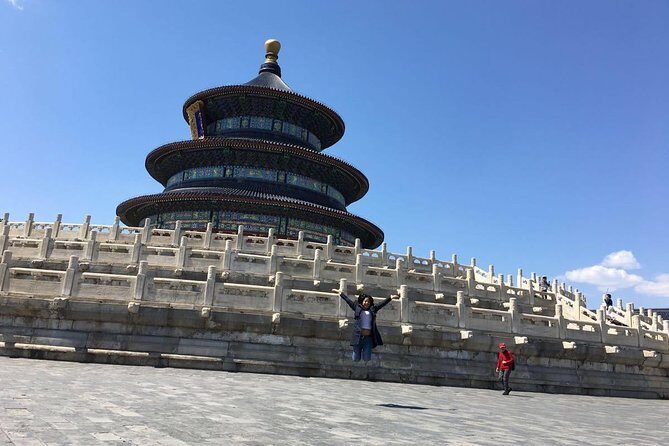
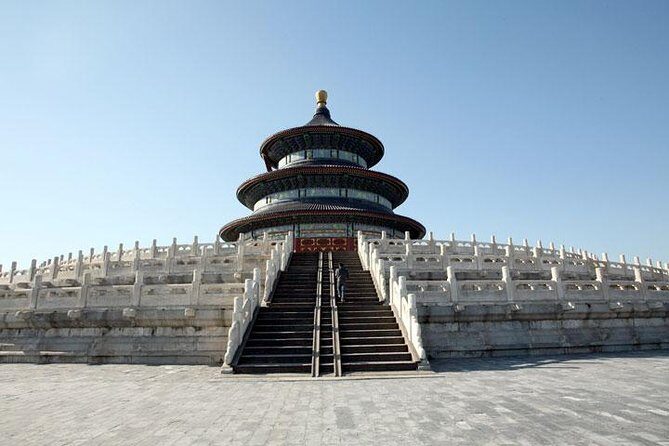
In the afternoon you’ll visit the Temple of Heaven, where emperors performed ceremonies connected to harvest hopes. It’s a different mood from the Forbidden City: more open space, a strong sense of symmetry, and architecture that’s easy to appreciate even if you’re not a history superfan.
That night includes the Red Theater acrobatic show. It’s a break from temples and walls, and it’s a fun way to balance the sightseeing with something performance-based.
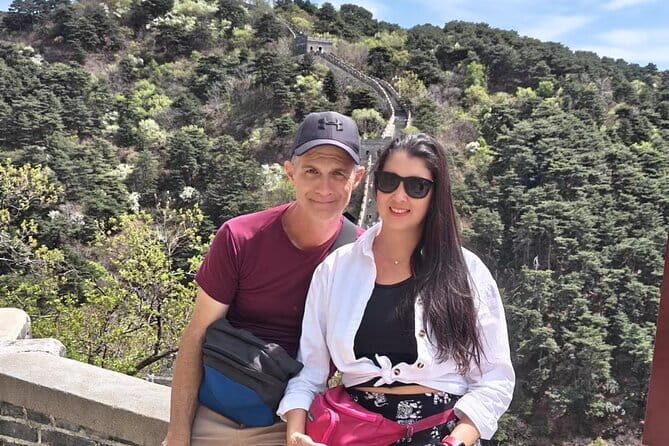
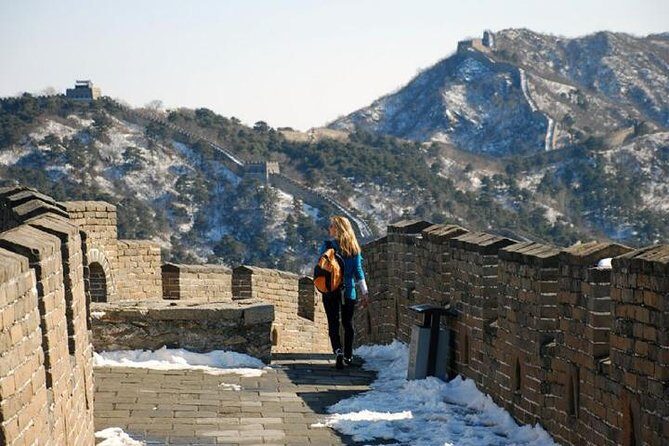
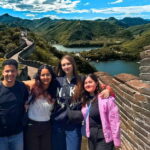
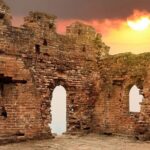
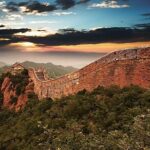
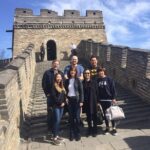
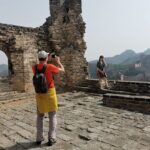
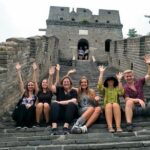
Day 3 is the Great Wall day, and it’s handled in a way that keeps your legs happier. You’ll visit Mutianyu Great Wall with a round-trip cable car. Standing on the wall and seeing it stretch in both directions is the point, and the cable car helps you spend your energy on the walk you actually want to do. You’ll also have a red wine group toast on the wall—small detail, memorable vibe. On the way back there’s a photo stop at the Olympic National Stadium, the Bird’s Nest.
Afternoon includes Hutong time with a rickshaw tour through original alleyways, with a chance to visit a local family. That’s where Beijing feels real, not just historic. I like this combo because it makes the city feel lived-in right after the big-ticket monuments.
Xi’an essentials: Terracotta Warriors, Tang performances, and Muslim Quarter energy
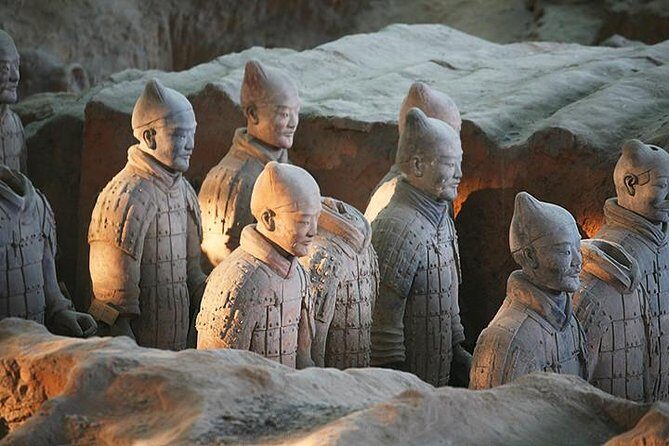
Xi’an is where you get one of China’s most famous archaeological finds, and this tour protects that experience by giving it real time.
You fly from Beijing to Xi’an, then the next day starts at the Museum of Qin Terra-cotta Warriors and Horses. The visit includes the main excavated pits and the impressive lineup of warrior figures and ancient weapons. What I like is that there’s more than just viewing: you also get a family visit to the home of the first discoverer and the chance to make a mini clay warrior with a local artisan. That hands-on activity is surprisingly satisfying, especially if you enjoy crafts or just want a break from constant walking.
In the afternoon you’ll go to the Big Wild Goose Pagoda, built in the Tang Dynasty to store scriptures brought from ancient India. It’s a strong stop for understanding Tang-era cultural exchange without needing a full lecture.
Evening entertainment is the Tang Dynasty Music and Dance Show, paired with the famous Dumpling Dinner. This part depends on when you travel. The show is available from April to November, and if your dates fall outside those months, the show and dumpling dinner aren’t included. So if you’re counting on that performance, check your calendar before you book.
Day 6 leans into everyday Xi’an life and local neighborhoods. You’ll start at the City Wall Park and even get the chance to practice Tai Chi with the master. Then you’ll visit Xi’an City Wall itself—described as the most complete existing urban fortification in China. Cycling on the wall is an option many people like, but bike rental isn’t included, so don’t plan on it unless you’re ready to pay extra.
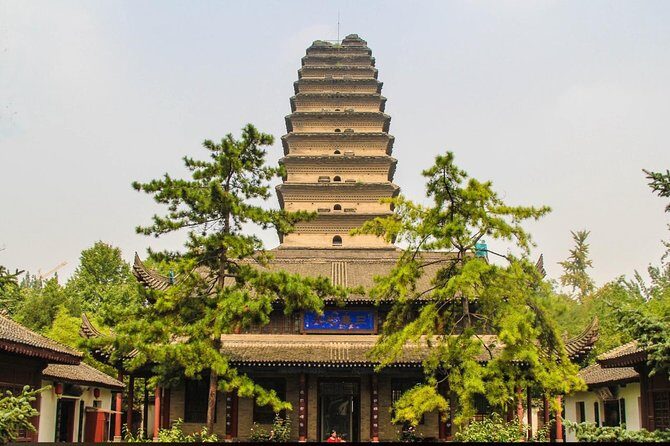
Next stop is Xi’an Mosque, one of the oldest and best-preserved Islamic mosques in China. After that you’ll head to the lively Muslim Quarter for lunch, where the food options are the whole point. The day closes with a visit to the Small Wild Goose Pagoda, which also houses the Xi’an Museum. Small Wild Goose Pagoda is free on this tour, so you’ll want to use that time wisely—read a bit, look closely, and don’t treat it as filler.
Guilin and Yangshuo: Reed Flute Cave, Elephant Trunk Hill, and a real river cruise
Guilin day starts with a flight, then you’ll dive into scenery right away. Reed Flute Cave is first. It’s a 240-meter karst cave with stalactites and stalagmites in shapes that have become famous here. You’ll have about 1.5 hours, enough to take your time without feeling rushed.
Then comes Elephant Trunk Hill, with the hill formed like an elephant drinking from the river. After that, you head back to the hotel. This is a good pacing choice: two major sights in the morning/early afternoon, then a breather so you’re ready for the river day.
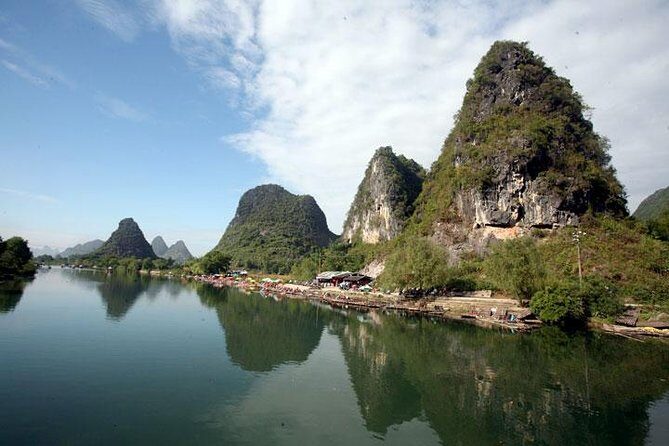
The big moment is Day 8: the Li River cruise from Guilin to Yangshuo, timed for the scenic stretch known as a Hundred Miles Gallery. The cruise arrives in Yangshuo after about 4.5 hours, and that timing is useful because you’re not stuck on a boat for half the day with nothing to do. You then walk through West Street, the well-known town strip in Yangshuo.
There’s also a rural country-roads drive and an invited visit to a villager’s home. This part matters because it slows things down a notch. Instead of only chasing views, you get a more grounded look at how people live in the area around the scenery. You’ll return to Guilin after that.
The Yangtze cruise you actually want: Chongqing start, Fengdu, Shennv Stream, and Three Gorges Dam
The Yangtze section is the heart of this tour. You travel from Guilin to Chongqing by high-speed train (around 5 hours). When you arrive, you’re escorted to the Century Oasis cruise ship for a three-night stay.
You’ll get time to rest in your private cabin, then enjoy an exclusive buffet dinner and a wine party hosted by the Captain. The ship sails at 22:00, so you’ll feel the day shift from sightseeing mode to travel-and-ship mode.
Day 10 includes Fengdu Ghost City. This is a palace complex based on Chinese folk underworld stories. Whether you love the mythology or just enjoy strange cultural concepts, it’s a memorable change of pace from temples and royal palaces.
After that, the afternoon is free for you to enjoy the Yangtze scenery on deck, with optional cultural programs onboard if you want them. This is one of the few times in the whole itinerary where you’re not required to “see the next thing,” and that helps prevent sightseeing fatigue.
Day 11 is the “gorges day.” The ship sails through Qutang, Wu, and Xiling gorges, and you’ll take an onshore excursion to Shennv Stream. This is the part where the cruise becomes more than transportation. Gorges scenery is best when you’re not thinking about bus routes, so having the ship move you while you’re guided for key excursions is exactly how to experience it.
Day 12 is a different kind of big: the Three Gorges Dam project excursion. You’ll need to pack and complete checkout before the excursion, then after you finish, you’ll be driven to the Three Gorges Tourist Center in Yichang. Your guide meets you there and you’re sent off for the bullet train to Shanghai.
That handoff is handled for you, then Shanghai hotel transfer follows on arrival. It’s a long day, but the structure keeps you from worrying about timing.
Shanghai with real context: Museum time, Yu Garden, and a Bund-area river cruise
Shanghai gets treated as the final exam, in a good way. The goal isn’t to overload you with everything; it’s to hit a few major experiences and finish on a high note.
Day 13 starts at Shanghai Museum, one of the four largest museums in China. It focuses on art works from ancient times, which makes it feel like a cultural capstone after the imperial and archaeological stops you’ve already seen.
Next is Yu Garden and the nearby traditional bazaar. You’ll see the Nine Zigzag Bridge and a mid-lake pavilion. After sightseeing, there’s a scheduled a la carte lunch at a local famous restaurant, which keeps the day from turning into a scramble for food.
Then you go to the Bund and take a one-hour cruise along the Huangpu River. This river cruise is timed for a classic Shanghai angle: the skyline and the waterfront history vibe, without needing to sit in traffic.
Your tour wraps with your guide helping you into the hotel lobby for your final night.
Day 14 ends with breakfast, then you find your own way to the airport for your homeward flight. The hotel-airport transfer isn’t included because flights vary, but assistance can be provided if you need it.
Price and logistics: what $3,139 covers, and what you should plan for
At $3,139 per person for roughly 14 days, the value comes from the package nature. You’re paying for more than hotels. This tour includes:
- Twin-sharing accommodation (hotel/cruise cabin)
- Guides who speak English and handle the flow of each day
- Air-conditioned vehicles and drivers
- Entrance fees to the listed sites
- Most meals, including breakfast (13), lunch (7), and dinner (4)
- Transportation that’s hard to DIY at good prices: one-way economy airfare Beijing to Xi’an and Xi’an to Guilin, plus a high-speed train Guilin to Chongqing, and a first-class bullet train Yichang to Shanghai
- Two bottled waters per person per day
- Cruise company service charge and a few extras like the Great Wall cable car and organized excursions
What’s not included is also clear, and you should budget for it:
- China visa fees
- International airfare
- Excess luggage charges
- Airport drop-off service in Shanghai on Day 14
- Personal expenses
One more practical note: the tour is non-refundable and cannot be changed for any reason. If your dates are uncertain, think twice before booking.
Logistics-wise, the tour starts at 9:00 am at Beijing Capital Airport Shunyi. There’s also pickup offered, plus mobile tickets. If you like predictability—arrive, meet the guide, get moving—this setup is reassuring.
Who should book this (and who should choose something else)
This is a strong fit if you:
- Want a first-timer route that hits the biggest names: Forbidden City, Great Wall, Terracotta Warriors, Li River, Yangtze gorges, and Shanghai highlights.
- Prefer a plan with no shopping detours, meaning you spend more time on sights and meals, less time in uncomfortable side quests.
- Like the idea of a cruise as a “rest between cities,” not just a single sightseeing day.
You might want to look elsewhere if you:
- Hate fast transitions and would rather move slowly with fewer flights and trains.
- Expect a lot of free time every day. There are pockets of freedom, but most days are scheduled with set departures and entrance times.
- Travel during months when the Tang show and dumpling dinner may not be included. That’s not a problem if you’re flexible, but it matters if that specific evening is a priority.
Should you book this 14-day Beijing to Shanghai tour?
If your goal is the classic China highlights, delivered with smooth timing and minimal wasted stops, I think this is a book-worthy option. The biggest proof point is the combination of structure and guide quality: guides like Candy in Beijing, Tracy in Xi’an, and Selena meeting people at the airport are repeatedly described as organized and helpful, including practical touches like keeping water available when conditions get rough.
My advice: book it if you want guided access to the hard-to-plan parts—Great Wall timing, city-to-city transport, and the Yangtze cruise flow. Don’t book it if your travel style is slow, flexible, and you want to improvise everything on your own.
FAQ
What cities are included on this tour?
Beijing, Xi’an, Guilin (with Yangshuo by excursion), Chongqing (for the cruise), Yichang, and Shanghai.
How long is the tour?
It’s 14 days, approximately.
What is the tour price per person?
The price is $3,139.00 per person.
Is the Yangtze cruise included, and for how long?
Yes. You’ll spend three nights on the Yangtze River cruise ship.
What types of transportation are included?
You’ll use one-way economy airfare (Beijing to Xi’an and Xi’an to Guilin), a high-speed train (Guilin to Chongqing), and a one-way first-class bullet train (Yichang to Shanghai).
Are entrance fees included?
Yes. Entrance fees to the tourist sites are included.
Are meals included?
Breakfast is included 13 times, lunch 7 times, and dinner 4 times (as listed in the tour inclusion details).
Does the tour include shopping stops?
No. The tour states there are no shopping detours, no factory stores, no tea ceremony, and no shopping site restaurant.
Is the Tang Dynasty Music and Dance Show always included?
No. It’s available from April to November. For tours starting in January, February, March, or December, the show and dumpling dinner are not included.
Do I need to pay for the Shanghai airport transfer on Day 14?
Hotel-airport transfer in Shanghai on Day 14 isn’t included, and you’ll need to make your own way due to different flight schedules.
Is the tour refundable if plans change?
No. The experience is non-refundable and cannot be changed for any reason.