REVIEW · BEIJING
15-Day Classic China Tour with Yangtze Cruise
Book on Viator →Operated by Travel China Guide · Bookable on Viator
Big empires, then three gorges—this route works. I like how you get UNESCO World Heritage hits in Beijing and Xi’an, then shift gears into water time with the Li River cruise and an overnight Yangtze River cruise.
One trade-off: this is a fast-moving circuit with lots of transfers (high-speed trains plus flights), so pack light. Also, I’ve seen feedback that hotel WiFi can be weak even when the hotels themselves are fine.
In This Review
- Key things I’d watch (before you commit)
- The value behind a $3,969 per-person classic China route
- Day 1 in Beijing: the quiet start that matters
- Beijing, UNESCO-style: Tiananmen, Forbidden City, Lama Temple, Temple of Heaven
- Mutianyu Great Wall: the cable car upgrade you’ll be glad you chose
- Summer Palace to Xi’an: gardens, then the Tang-era pivot
- Xi’an’s Terracotta Warriors: the whole morning you’ll remember
- Xi’an City Wall, Great Mosque, and the Muslim Quarter vibe
- To Guilin: the flight that buys you time (and changes the scenery)
- Li River cruise: half-day scenery with a clear “why”
- Two days in Yangshuo: free time is the point
- Chongqing and the Yangtze cruise: a night that feels like a reset
- Shuangguizhen and Captain’s Welcome Party: the cruise isn’t just scenery
- Three Gorges day: Qutang, Wu, Xiling, plus the remote Shennong Stream outing
- Three Gorges Dam: seeing the machine behind the myth, then train onward
- Suzhou gardens and Tongli Water Town: the calm contrast before Shanghai
- Shanghai Museum, Yu Garden, Huangpu cruise, Bund, Tianzifang
- Your last day: airport drop-off without drama
- Quick FAQ: common questions I’d ask before booking
- FAQ
- What cities are included in this 15-day classic China tour with Yangtze cruise?
- Which UNESCO World Heritage sites are part of the itinerary?
- Is the Li River cruise from Guilin to Yangshuo included?
- How does the Yangtze cruise start?
- What excursions are included during the Yangtze cruise?
- Are entrance fees, a guide, and transportation included?
- What meals are included?
- Do you include hotel and cruise accommodation?
- Is WiFi guaranteed in the hotels?
- What is included in the tour price, and what costs extra?
- Should you book this tour?
Key things I’d watch (before you commit)
- UNESCO stacked efficiently: Forbidden City, Summer Palace, Great Wall (Mutianyu), and Terracotta Warriors are all built in.
- Two river experiences, different moods: a Li River cruise from Guilin to Yangshuo, then a Chongqing-to-Three-Gorges-style Yangtze cruise.
- Real activities, not just photos: a rickshaw hutong tour, a Terracotta mini-clay workshop, and an eco-friendly ferry outing into the Three Little Gorges area.
- You’ll likely get strong guiding: past guests referenced English-speaking guides by name, including Kevin (Beijing), Jacky (Xi’an), Kitty and Judy (earlier China trips), Kathy (Guilin), and QiuyanLi (Guilin area).
- Group-only feel, with your own pace: it’s set up as a private tour where only your group participates, which can make the timing feel calmer.
The value behind a $3,969 per-person classic China route
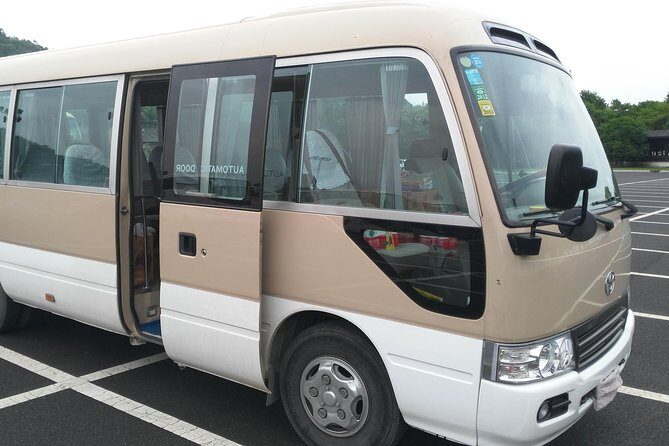
This price looks steep until you break down what’s actually included. You’re paying for a lot of the expensive moving parts: hotel stays (twin-sharing), a Yangtze cruise cabin with full-board meals, major entrance fees, an English-speaking professional guide, and transportation by air-conditioned coach plus the big intercity legs by high-speed train and a one-way flight.
That means you’re not just booking sights—you’re buying the smoother logistics that are usually the hard part in China: getting between Beijing, Xi’an, Guilin, Chongqing, Suzhou, and Shanghai without turning each day into a map-and-metro puzzle.
The main thing I’d plan around is energy. Days can start early and run long, especially when you’re pairing palace complexes with travel. If you like a slower pace, this route may feel like “see, move, see, move.” If you’re okay with that rhythm, it’s a strong value.
You can also read our reviews of more boat tours in Beijing

Day 1 in Beijing: the quiet start that matters
Your tour starts at Beijing Capital Airport (Shunyi) around 9:00 am. The guide meets you after customs and baggage reclaim, then helps with hotel check-in.
What I like about this setup is that it prevents the classic first-day headache. You’re tired, jet-lagged, and suddenly expected to navigate a new city. Here, you get a ride, a check-in assist, and then the rest of the day is yours to rest or get your bearings.
Beijing, UNESCO-style: Tiananmen, Forbidden City, Lama Temple, Temple of Heaven
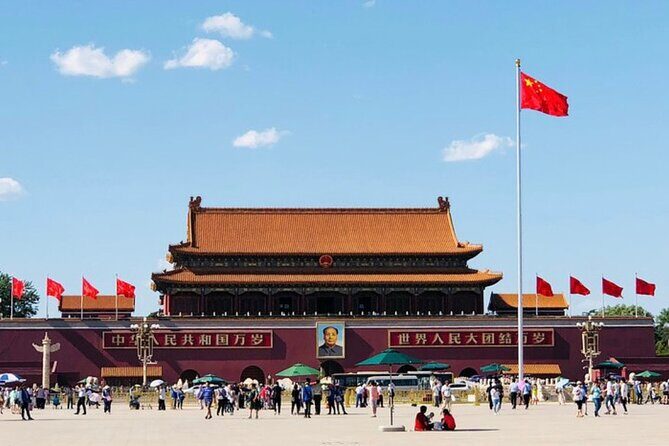
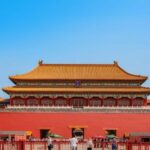
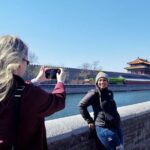
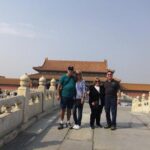
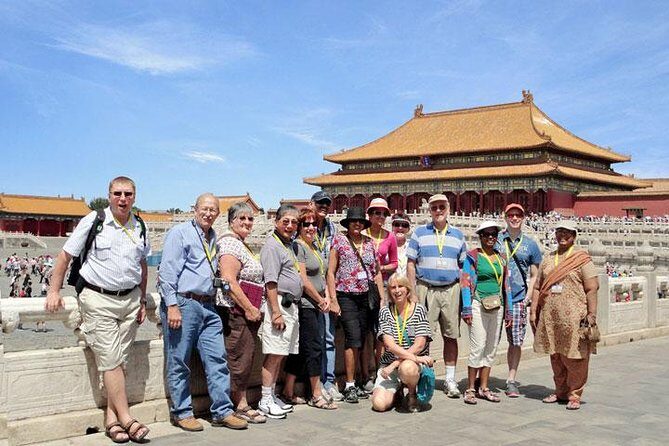
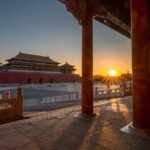
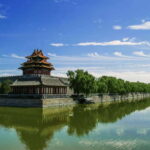
Beijing days can feel overwhelming fast, so this itinerary keeps you focused. You start with Tiananmen Square, then go straight into the Forbidden City (Palace Museum). The palace complex is huge, but the payoff is clarity: you learn how the emperor’s court worked, how the space was organized, and you’ll see major halls and pavilions plus significant collections.
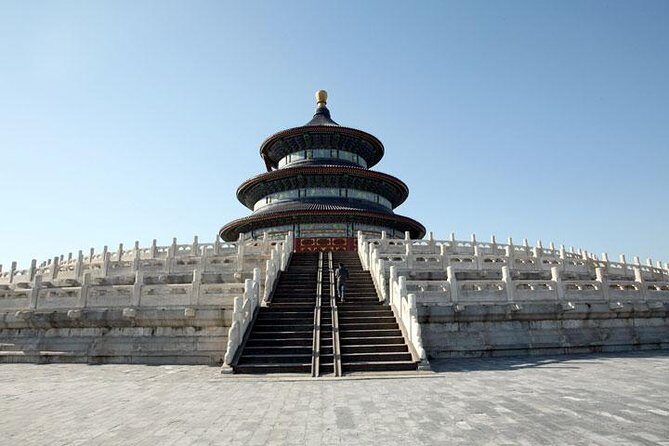
In the afternoon, you move into religious architecture with the Lama Temple (Yonghegong), which has a mix of Han, Mongolian, and Tibetan influences. Then you end the day at the Temple of Heaven, where emperors once worshipped for good harvests.
Possible drawback: these are indoor-and-outdoor cultural sites packed into one day. Comfortable shoes matter more than you think, and you’ll want water. If you’re sensitive to crowds, pick your photo moments carefully and let the guide’s pacing do the work.
Mutianyu Great Wall: the cable car upgrade you’ll be glad you chose
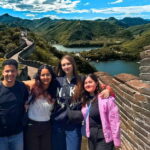
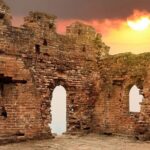
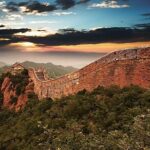
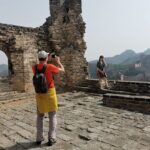
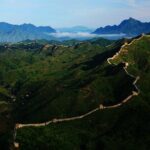
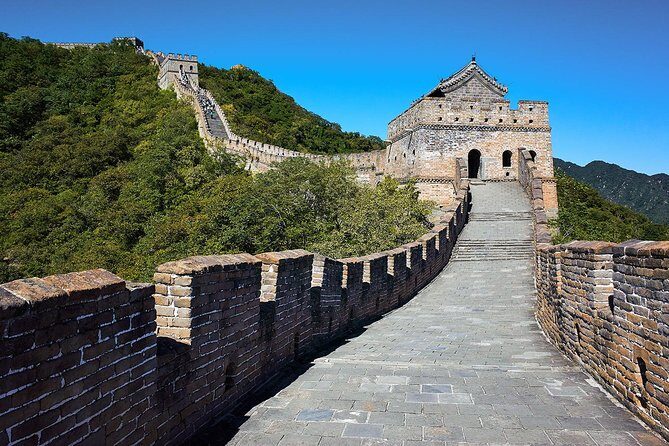
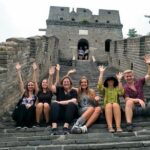
On the Great Wall day, you go to Mutianyu, not the busiest stretch most first-timers end up at. The outline includes a round-trip cable car, which is a big deal. You still get the wall experience—watching the wall climb and disappear into distance—but you’re not stuck burning your whole day on a steep climb.
You also get a short photo stop at the Bird’s Nest (Niaochao National Stadium)—about 20 minutes. Treat it like a quick look, not a full attraction day, and you won’t feel rushed.
Then comes one of my favorite “China feels real” moments: a hutong tour by rickshaw, with an option to visit a local family. This is where Beijing stops being postcard-only. It’s also a nice contrast after the Great Wall’s scale.
Summer Palace to Xi’an: gardens, then the Tang-era pivot
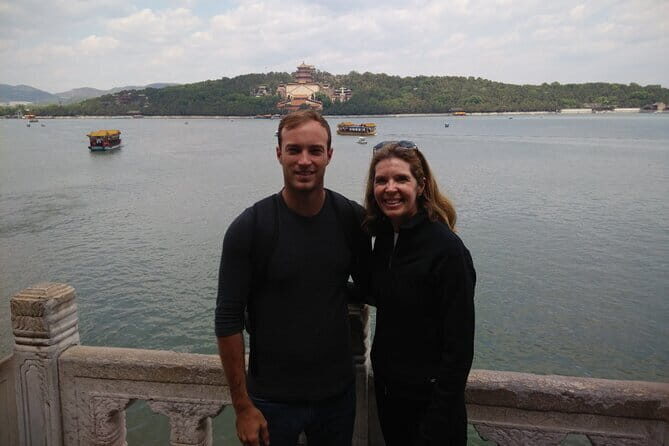
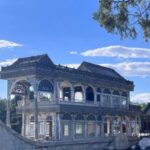
The Summer Palace (Yiheyuan) is your morning anchor. It’s described as the largest existing imperial garden, and it shows. Expect a lot of walking—paths, waterside areas, pavilions—and a change of mood from the formal power spaces of Tiananmen and the Forbidden City.
After that, you take a high-speed train to Xi’an. I like that the day doesn’t waste hours in transit chaos. You’re already mentally in travel mode, so the train acts like a reset button: less stress than long-haul bus riding.
Xi’an’s Terracotta Warriors: the whole morning you’ll remember
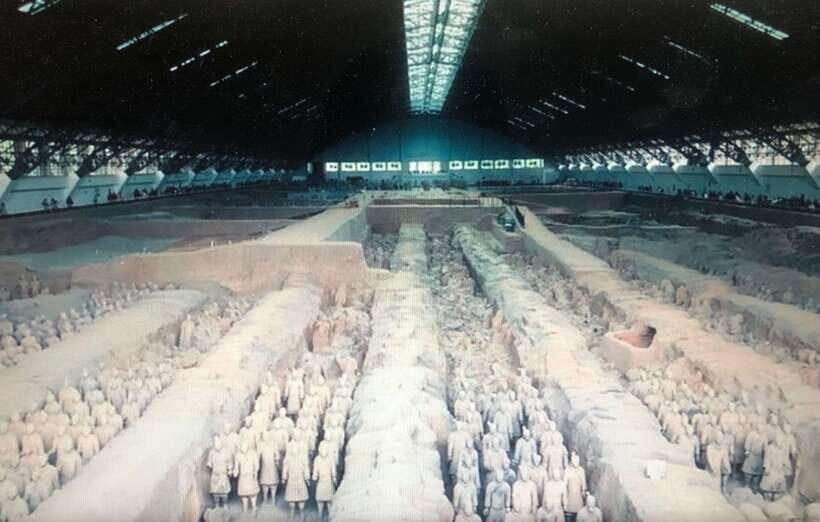
The Xi’an day built around the Qin Terracotta Warriors and Horses Museum is the kind of stop that stays with you. You see multiple excavated pits and meet the scale of the collection: individual figures, ancient weapons, and the sense of a military system on display.
Then you do something different that most “bus tour” days skip: a visit related to the first discoverer of the Terracotta Army, plus a hands-on mini clay warrior making session with a local artisan. That last part matters. It turns a museum visit into a memory you can take home.
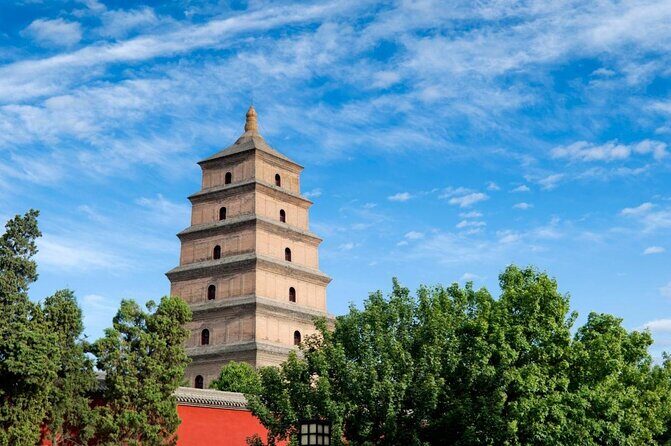
From there you head to Big Wild Goose Pagoda (Dayanta), a Buddhist building tied to Tang-era history. Lunch is on your own here, so you’ll want to eat somewhere close by and keep momentum—this itinerary likes to keep moving.
In the evening, you get time near the Grand Tang Dynasty Ever Bright City, a pedestrian street where people wear traditional clothing and the whole area feels like a living theme zone. It’s tourist-friendly, but it’s still a fun cultural contrast after the museum-heavy day.
One note on an included highlight: the package list mentions a Tang Dynasty show and kung fu performance, but the exact placement isn’t shown in the daily outline you provided. If you’re booking, I’d ask your coordinator for the specific day and location so you can plan your timing.
Xi’an City Wall, Great Mosque, and the Muslim Quarter vibe
The Xi’an itinerary gives you two major “identity” anchors: Han heritage and the city’s Islamic roots.
Start with the Xi’an City Wall, with time in the park area where locals may practice Tai Chi with a master. The visit includes the wall itself as well, which is one of the best ways to understand how the city historically defended itself.
Cycling is possible on the wall, but the bike rental fee isn’t included, so just plan for that if you want it.
Then you head to the Great Mosque of Xi’an in the Muslim Quarter. You’ll see a blend of Chinese traditional architecture and Islamic style. The nearby alleys also give you a chance to snack, which is a better use of time than trying to “sit still” at the end of a long day.
If you’re food-avoidant, you can still enjoy the architecture and people-watching without going deep into snacks.
To Guilin: the flight that buys you time (and changes the scenery)
You’ll travel by air to Guilin, then check into your downtown hotel. This is where the itinerary shifts from heavy city monuments to countryside and water.
The Guilin portion includes Reed Flute Cave as a key experience, plus the famous Li River day that connects Guilin to Yangshuo. That pairing is smart: caves are cool, dry contrast, and then the Li River gives you the outdoor calm.
From what I’ve seen reflected in past guest feedback, guides can make a big difference here. For example, guests specifically thanked QiuyanLi for the Guilin area experience, including the cave visit.
Li River cruise: half-day scenery with a clear “why”
The Li River cruise runs from Guilin to Yangshuo, and the section between the two is often described as the region’s most famous scenery corridor. The cruise is around 4.5 hours, and that duration is long enough to feel like you slowed down, not just like you took a boat for a quick ride.
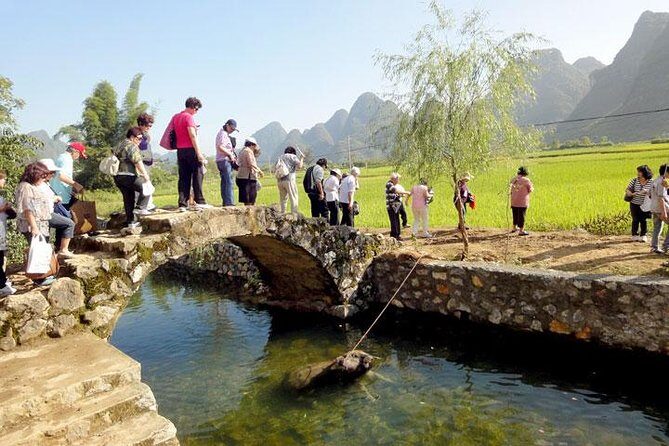
When the ship docks, you check in at your Yangshuo hotel. Then you get time to explore the countryside, with a focus on cycling. If you tire out, the plan includes the option for a driver to take you for photo stops.
Possible drawback: cycling in rural areas can be tiring if you’re not used to it. If you want photos without the sweat, tell your guide early and choose the photo stops that match your stamina.
Two days in Yangshuo: free time is the point
Day 8 gives you a full block for yourself—walk or cycle Yangshuo at your own tempo.
This is one of the best parts of the itinerary because it lets you stop “collecting attractions” and start living in the place. You can return to the river viewpoint that looks best at golden hour, linger at café tables, or take a short ride to a quieter lane without needing to hit a checklist.
If you’re the type who needs structure, you can still use the day to ask your guide for suggested routes once you see what the area feels like.
Chongqing and the Yangtze cruise: a night that feels like a reset
On the way to the cruise, you transfer back to Guilin and take a bullet train to Chongqing (about 5 hours). You board the cruise ship, which departs around 21:30, and then the Yangtze part begins.
This matters for jet-lag brains: you arrive late, you settle in, and you wake up already moving through the scenery. The cruise is also where the pace changes from “city speed” to “river speed.”
On board, you get a Safety, Orientation & River Briefing so you understand the geography and what you’ll see. I like that this isn’t treated like filler; it makes the gorge story easier to follow.
Shuangguizhen and Captain’s Welcome Party: the cruise isn’t just scenery
In the morning you go to Shuangguizhen, and after lunch you disembark for an excursion to Shuangguishan National Forest Park. Think of it as a land break: fresh air, viewpoints, and a change from sitting inside the cabin.
Around 18:00, there’s a Captain’s Welcome Party with Chinese folk dancing and music. It’s not everyone’s cup of tea, but it’s part of why many people love river cruises: you’re not just watching history unfold, you’re sharing the ride with it.
Three Gorges day: Qutang, Wu, Xiling, plus the remote Shennong Stream outing
Day 11 is the centerpiece of the Yangtze cruise experience.
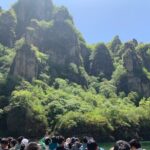
You pass through the Qutang Gorge and Wu Gorge in the morning, then the Xiling Gorge in the late evening. The outline also includes an eco-friendly ferry into the remote Three Little Gorges area—either Shennong Stream or Shennv Stream—for a 3 to 4 hour adventure. Then you return to the cruise ship.
This combo is the value: big-window gorge cruising plus a more active outing. If you only had one, you’d still enjoy it, but the blend feels more complete.
Three Gorges Dam: seeing the machine behind the myth, then train onward
After breakfast, you disembark for the Three Gorges Dam excursion. Then the cruise ship drives you to the Three Gorges Tourist Center in Yichang, and your guide takes you to Yichang East Railway Station for a bullet train to Suzhou.
This day can feel like a gear shift—dam visit in the morning, then train travel—so plan to keep your essentials easy to grab. Also, the outline notes you’ll pack your luggage and handle check-out procedures before the excursion.
Suzhou gardens and Tongli Water Town: the calm contrast before Shanghai
Suzhou is where this itinerary slows in a good way.
You visit the Humble Administrator’s Garden, one of China’s four most famous gardens. Then you go to the Suzhou Museum, described as a treasure house for art exploration. After that, you drive to Tongli Town, an ancient water town with over 1000 years of history and Ming and Qing-era buildings.
Finally, you drive back to Shanghai for your hotel.
Possible drawback: Suzhou and Tongli are packed with walking. If your legs already feel cooked from earlier days, take breaks and keep your “one big photo” mindset.
Shanghai Museum, Yu Garden, Huangpu cruise, Bund, Tianzifang
Shanghai gives you a strong “greatest hits” mix.
You start with the Shanghai Museum, one of the four largest museums in China, specializing in artworks from ancient times. Then you visit Yu Garden (Yuyuan) and the nearby bazaar, including the Nine Zigzag Bridge.
After a farewell lunch, you take a one-hour cruise along the Huangpu River, then get free time at the Bund. The day ends with Tianzifang, a cultural street with artsy stores and bars and restaurants.
The way this is scheduled helps: museums early when you’re fresh, waterfront and neighborhoods later when you’re ready to wander. If you’re only in Shanghai for a short time, this itinerary uses that time well.
Your last day: airport drop-off without drama
On Day 15, your guide and driver meet you at the hotel at the appointed time and take you to the airport.
It’s a simple ending, which is exactly what you want after two weeks of trains, boats, and big monuments.
Quick FAQ: common questions I’d ask before booking
FAQ
What cities are included in this 15-day classic China tour with Yangtze cruise?
The route includes Beijing, Xi’an, Guilin, Yangshuo, Chongqing (for the Yangtze cruise), Suzhou, and Shanghai.
Which UNESCO World Heritage sites are part of the itinerary?
The UNESCO sites listed are the Forbidden City (Palace Museum), the Summer Palace, the Great Wall of China (Mutianyu), and the Museum of Qin Terra-cotta Warriors and Horses.
Is the Li River cruise from Guilin to Yangshuo included?
Yes. You’ll take a cruise from Guilin to Yangshuo, arriving after about 4.5 hours.
How does the Yangtze cruise start?
You transfer to Chongqing by bullet train and board the cruise ship, which departs at about 21:30.
What excursions are included during the Yangtze cruise?
You’ll have time for Shuangguizhen and Shuangguishan National Forest Park, a Three Gorges day with gorge cruising, and an eco-friendly ferry outing into the Three Little Gorges area (Shennong Stream or Shennv Stream). There’s also an excursion to the Three Gorges Dam.
Are entrance fees, a guide, and transportation included?
Yes. Entrance fees, a professional English-speaking guide, and transport by air-conditioned coach are included (along with the cruise and major train/air connections described).
What meals are included?
Breakfast is included for 14 days, dinner for 2 days, and lunch for 6 days. The Yangtze River cruise is listed as full board.
Do you include hotel and cruise accommodation?
Yes. Accommodation is included as hotel rooms based on twin-sharing, plus a Yangtze cruise cabin.
Is WiFi guaranteed in the hotels?
The tour information does not promise WiFi. One provided review specifically noted that WiFi in hotels was unsatisfactory.
What is included in the tour price, and what costs extra?
Included: hotels or cruise cabin (twin-sharing), intercity transport (including one-way airfare Xi’an to Guilin and high-speed trains), the Yangtze cruise with full board, an English-speaking guide, entrance fees, and some meals. Not included: gratuities to guides and drivers (recommended), China visa fees, and international airfare.
Should you book this tour?
Book it if you want a straight-line “essentials of China” plan that doesn’t leave you figuring out how to stitch cities together. The best fit is if you like iconic sights (Forbidden City, Terracotta Warriors, Great Wall) but also want real time on the water with both the Li River cruise and an overnight Yangtze cruise.
Think twice if you hate transfers or you want a slow travel pace. With trains, flights, and multiple city changes, you’ll be moving most days. Also, if hotel WiFi is a deal-breaker for you, I’d plan to live without it for stretches of the trip.
If you tell me your travel month and your comfort level with long days, I can suggest how to pace the free time portions (especially in Yangshuo) so the whole circuit feels more enjoyable.