REVIEW · BEIJING
2-Day Beijing Must-See Tour:4 UNESCO Sites+Tian’anmen&Hutong
Book on GetYourGuide →Operated by Fun Beijing Travel · Bookable on GetYourGuide
Beijing in two days feels like a sprint. You still get the big landmarks—and the human stories that make them click. This private tour strings together 4 UNESCO sites, Tian’anmen Square, and real Hutong lanes into a tight, efficient flow that’s easy to customize.
Two things I really liked: first, the guide-led pacing. You’re not just reading plaques—you’re walking with explanations at each stop, including palace life details and the meaning behind ceremonial spaces. Second, the Great Wall choice. Picking Mutianyu or Badaling helps you match your energy level and crowd tolerance.
One consideration: it’s a lot in two days. If you hate long walking days or you’re picky about downtime, you may want to customize and ask for slower breaks—especially on the Great Wall.
In This Review
- Key Points Worth Knowing
- How This Private 2-Day Beijing Tour Actually Works
- Day 1: Tian’anmen Square and Forbidden City Without the Guesswork
- Forbidden City Must-See Priorities (So You Don’t Get Overwhelmed)
- Hutongs: Old Beijing Lanes You Can Walk Through (Not Just Look At)
- Temple of Heaven: Where Imperial Ritual Meets Clean Architecture
- Day 2: Great Wall Pick One Style—Mutianyu or Badaling
- Olympic Park Photo Stop: The Fast Way to See Beijing’s Modern Icons
- Summer Palace: Cixi Stories, Long Corridor Walks, and Kunming Lake Views
- Tickets and Time: Is $278 a Good Deal for Two Days?
- The Driver Factor: Why Safe, Fast Traffic Moves Matter
- Who Should Book This Tour (and Who Might Not)
- Should You Book It?
- FAQ
- What’s included in the tour price?
- Is lunch included?
- How does the Great Wall section choice work?
- Are cable car or chairlift tickets included for the Great Wall?
- Which UNESCO sites are covered?
- What happens if Tian’anmen Square is closed?
- Do I need to bring my passport?
- What time will I meet the guide?
- Can I cancel or pay later?
Key Points Worth Knowing

- Private guide means you can ask questions and adjust the pace instead of following a group script
- Skip-the-line approach helps you spend time seeing, not waiting
- Great Wall choice between Mutianyu (often quieter) and Badaling (most famous and easiest)
- Tian’anmen Square contingency plan if closures or security queues slow things down
- Tickets handled for you so admissions aren’t a planning project
- Photo-focused stops include Olympic Park and classic Hutong alleys
How This Private 2-Day Beijing Tour Actually Works
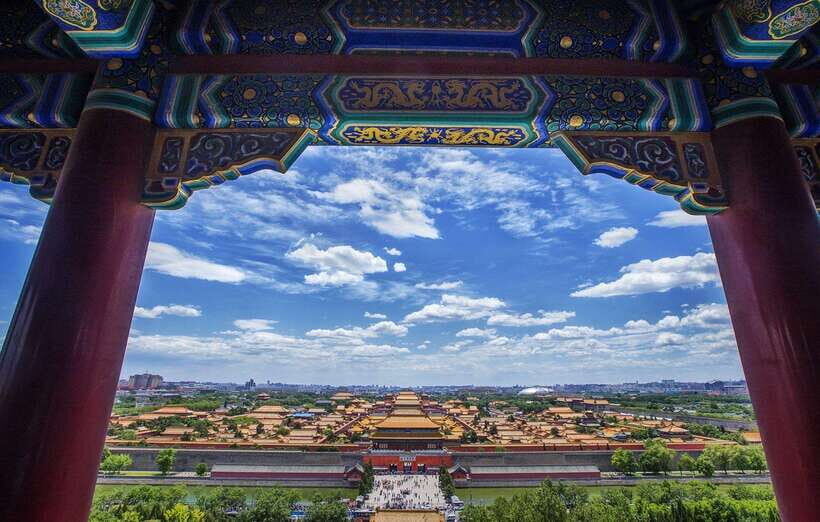
This is a true private setup: you get a dedicated English-speaking guide and your own air-conditioned vehicle. The driver meets you at your hotel lobby or at the arrival hall at the airport (they’ll hold a sign with your name). That matters in Beijing. Getting from one major site to the next is where most tours lose time, and this format keeps your schedule moving.
You also get bottled water, and entrance tickets are included. That combination is what makes a two-day plan feel realistic. Instead of building an itinerary around ticket windows and long lines, you can focus on what’s in front of you.
Your guide stays with you throughout both days, and that’s where the experience gets better than a checklist. In past tours with guides like Lucy and Sherry, the emphasis was on being prepared, adjusting to what you want, and helping you land the best photo angles without feeling rushed. With a guide like Jack, the big benefit was simple: strong English and attentive guidance that made complex places feel easier.
A few more Beijing tours and experiences worth a look

Day 1: Tian’anmen Square and Forbidden City Without the Guesswork
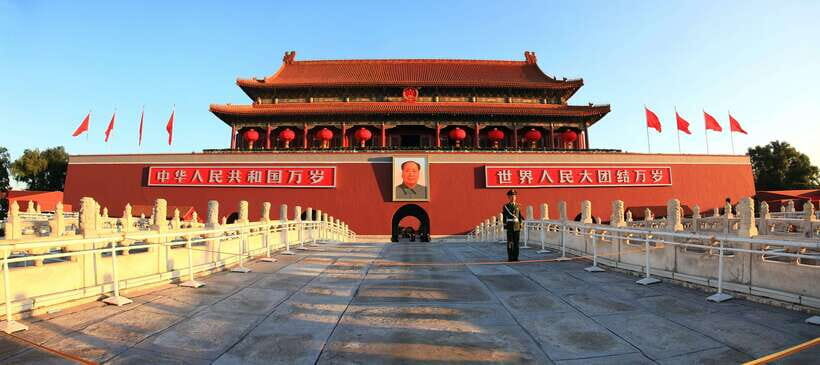
Day 1 starts at Tian’anmen Square, the massive civic center that’s tied to the modern image of China. Here’s the practical thing: Tian’anmen Square is free, but it’s also a political activity zone. That means it can be affected by events, and security lines can get intense.
If the square is closed due to political events—or if the security queue stretches beyond two hours during peak season—you won’t just be stuck. The plan shifts to a driving tour of the square, with your guide explaining its history from the car. The important note: there’s no refund if you skip the square in that situation. So if Tian’anmen is a must-do for you, plan your expectations with flexibility in mind.
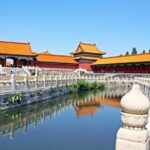
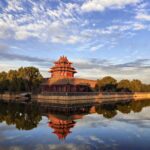
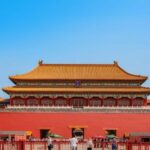
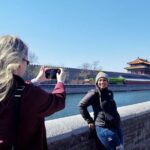
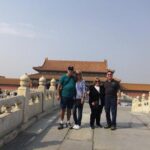
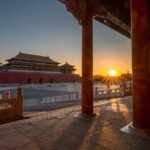
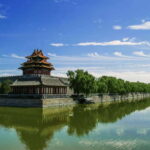
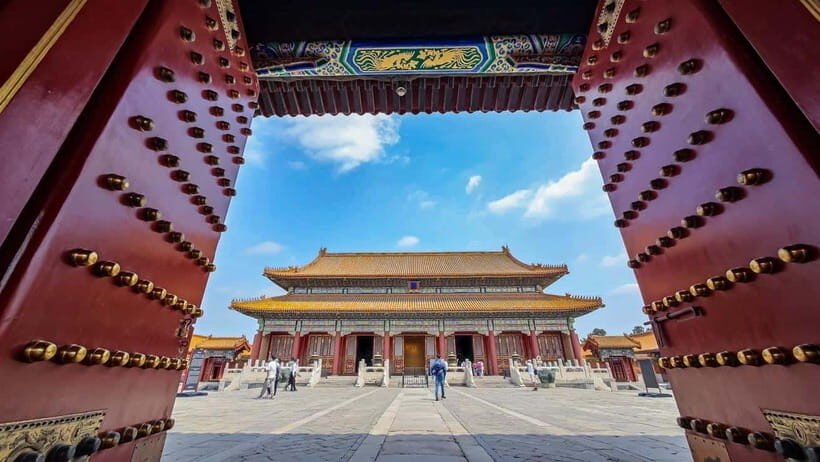
Next is the Forbidden City, a UNESCO-listed powerhouse of Ming and Qing imperial life. What I like here is that you don’t just wander. Your guide leads you through both key outer-courtyard highlights and the inner quarters—spaces tied to royal living. The specific focus is on major halls in the outer courtyards (like the Halls of Supreme/Central/Complete Harmony) plus access to the inner living areas.
What makes this work in only a day is the commentary. It helps you understand why the halls look the way they do, how the layout reinforced hierarchy, and how daily life inside the complex operated beyond the famous exterior shots. Even if you’ve seen photos before, the scale and the design logic hit differently when someone points out what to look for and why.
Forbidden City Must-See Priorities (So You Don’t Get Overwhelmed)

The Forbidden City can swallow an afternoon. Here’s how I’d use this tour to make it feel manageable:
- Spend your energy on the big-hall sequence in the outer courtyard. It’s the clearest way to understand how power was staged in architecture.
- When you enter the inner living spaces, slow down for a moment. That contrast—ceremony outside, private life within—changes how you read the complex.
- Ask your guide to tailor what you photograph. Guides like Lucy are especially good at helping you find photo corners and keep you moving efficiently.
This isn’t about seeing every last room. It’s about seeing the core ideas behind the place without turning the day into a blur.
Hutongs: Old Beijing Lanes You Can Walk Through (Not Just Look At)
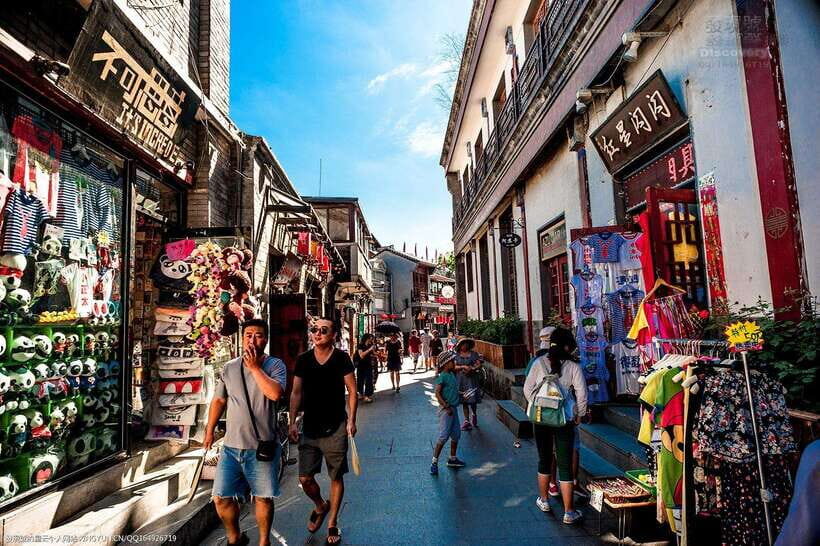
After the palace world, you step into something more human: Hutongs, the narrow alley networks lined with traditional courtyard homes. This is where Beijing starts to feel lived-in rather than monumental.
You’ll wander authentic Hutong lanes with your guide, and you’ll pass Yinding Bridge along the way. That kind of specific landmark helps you avoid the generic wandering trap. Instead of drifting, you’re moving through a connected story of old neighborhoods and how residents lived day to day.
What I like about adding Hutongs right after the Forbidden City is emotional timing. Palaces can make you feel like you’re standing outside history. Hutongs bring you back to street-level life—how old Beijing functioned before modern skylines took over the skyline.
If you’re solo, the private format also makes this section easier. You’re not stuck trying to “keep up” with strangers. You can stop when something catches your eye, ask questions, and get your bearings without the pressure of a group schedule.
Temple of Heaven: Where Imperial Ritual Meets Clean Architecture
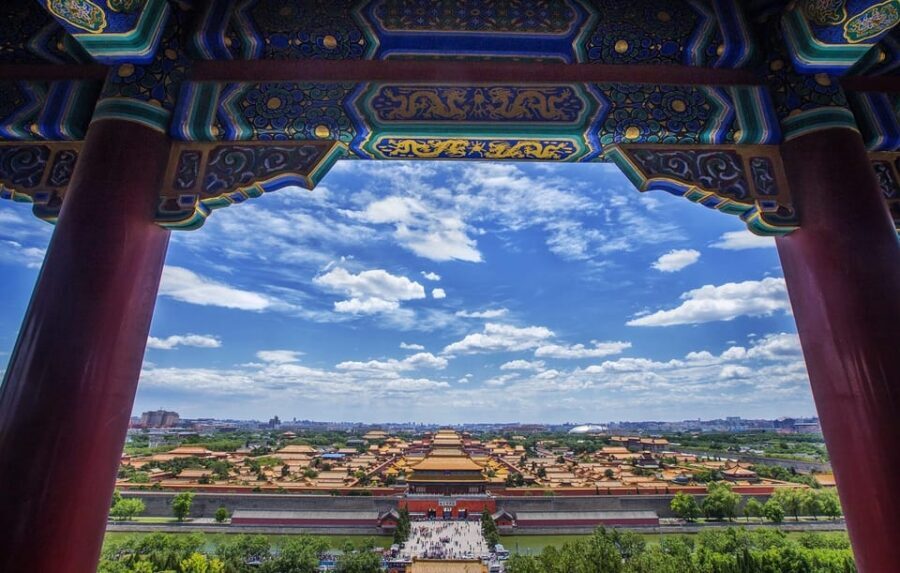
Day 1 ends at Temple of Heaven, another UNESCO site and a major shift in theme. Instead of royal living and court power, this is about ritual, symbolism, and how emperors connected politics with the sky.
You’ll visit key structures such as the Hall of Prayer for Good Harvests, the Imperial Vault of Heaven, and the Circular Mound Altar. Your guide explains ancient rituals and what the architectural symbolism meant. This is one of those places where understanding matters as much as the view.
Practical tip: this area can be scenic for photos, but it’s also easy to feel like you’re moving between spots without understanding their relationship. Let your guide connect the dots. Once you grasp the purpose of each element, the complex feels less like random buildings and more like a designed system.
Lunch is not included on Day 1, but your guide will recommend local eateries based on your preferences. That’s actually a smart setup because it lets you choose between something quick, something traditional, or something lighter depending on your energy level.
Day 2: Great Wall Pick One Style—Mutianyu or Badaling
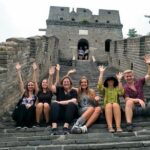
Day 2 starts from your hotel again, then you choose your Great Wall section: Mutianyu or Badaling.
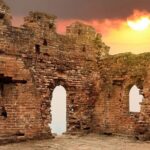
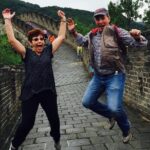
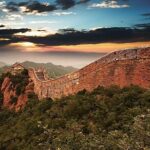
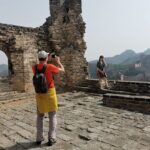
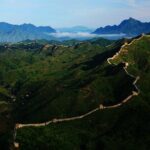
Mutianyu is often the better match if you want stunning scenery with fewer crowds. Badaling is the most famous and easiest to access. Both are Great Wall. The difference is how the experience feels when you’re actually on the fortifications.
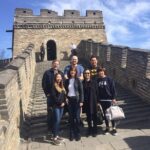
This tour includes your guide leading you through the wall and gives you free time to explore at your own pace. That matters because Great Wall timing is personal. Some people want slow photo stops. Others want more climbing and fewer viewpoints.
There are convenience options available for access—round-trip cable car or chairlift—plus a toboggan slide, but those extras are not included. So if you want less walking but still want the wall experience, plan for extra costs. If you’re okay with stairs and incline, you can skip those upgrades and save money.
Your guide shares facts along the way, which helps when you’re trying to read what you’re seeing: towers, ramparts, defensive design, and how the wall connected into broader strategies.
Olympic Park Photo Stop: The Fast Way to See Beijing’s Modern Icons
On the way to the Summer Palace, there’s a photo stop at Olympic Park. You’ll be positioned to capture Beijing’s best-known modern venues like the Bird’s Nest and the Water Cube.
This isn’t a full museum stop, and that’s the point. In two days, you don’t need extra time inside exhibits. You need a quick, well-timed snapshot moment before the day shifts back to imperial gardens.
If you care about your photos, this stop is one of the easiest wins. You’ll get iconic shapes and clean angles without spending half a day stuck in ticket lines and indoor crowds.
Summer Palace: Cixi Stories, Long Corridor Walks, and Kunming Lake Views
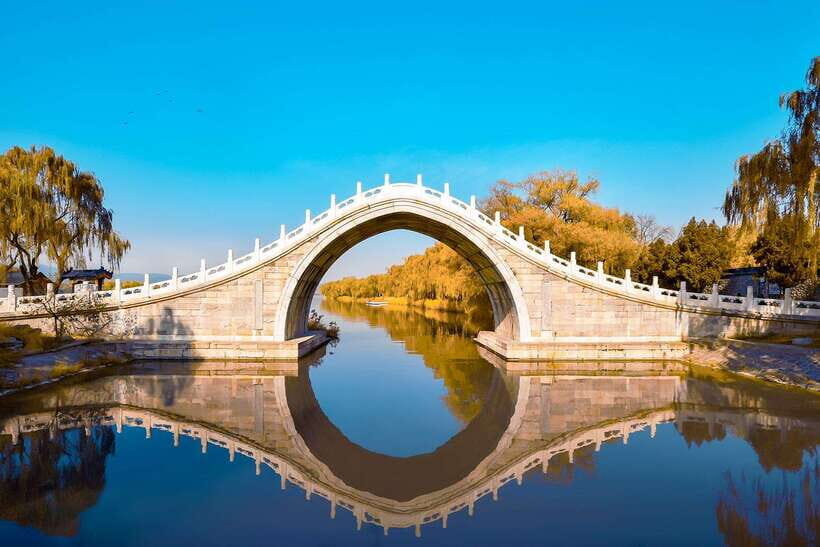
Summer Palace is the final major UNESCO site on this plan, and it changes the pace. The setting is a massive imperial garden centered around Kunming Lake, so you’re not only walking stone paths—you’re walking around water, views, and scenic design.
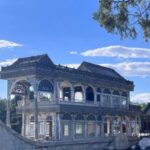
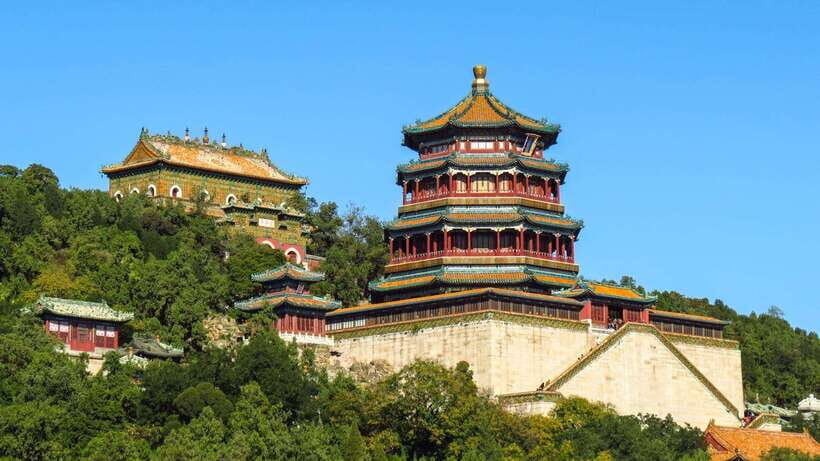
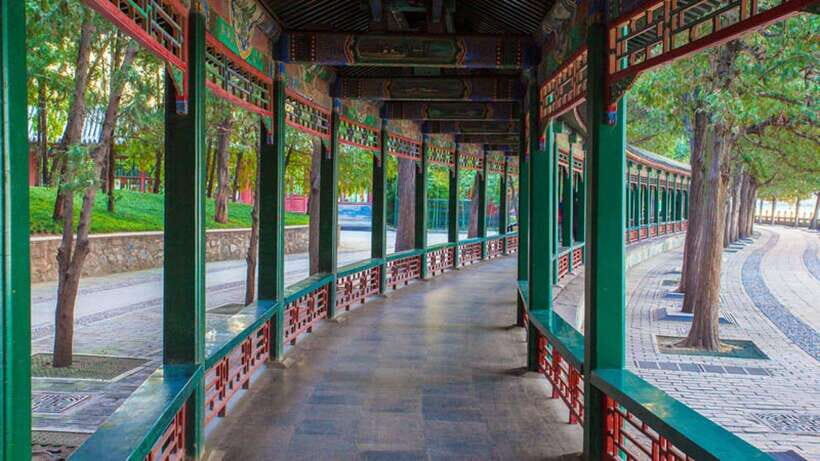
You’ll visit big-ticket stops like the Hall of Happiness and Longevity, the Long Corridor (you’ll see why it’s famous as one of the longest covered corridors), Marble Boat, and Longevity Hill. Your guide shares stories, including the role of Empress Dowager Cixi and how the garden functioned in royal life.
This is a great place to learn something practical: imperial gardens weren’t just pretty. They were built for political meaning, entertainment, and power—designed to stage leisure as part of authority.
If you like slow wandering, you’ll enjoy the flow here. If you’re less into gardens, the tour keeps it structured with those specific highlights, so you still get the iconic visuals and major architectural elements rather than getting lost in greenery.
Lunch is not included on Day 2 either, and your guide can recommend dining options based on what you like.
Tickets and Time: Is $278 a Good Deal for Two Days?
At $278 per person for a 2-day private tour, the big question is value: are you paying for sightseeing, or for logistics?
Here’s what you’re getting that protects your time:
- Entrance tickets included for the main sites
- A private English-speaking guide who keeps the day coherent and flexible
- A private air-conditioned vehicle for moving between far-flung spots
- Skip-the-ticket-line help, so you’re not stuck waiting
- Hotel/airport pickup and drop-off
If you were to book each site separately and hire a guide only for some of the day, you’d likely spend more than this once you add transportation and the mental energy of planning. The value is strongest if you want a smooth schedule with minimal admin.
The main tradeoff is that the tour is still a full itinerary in two days. You’re paying partly for efficiency. If you prefer a slower “live in each neighborhood” pace, you may prefer fewer sites.
The Driver Factor: Why Safe, Fast Traffic Moves Matter
Beijing traffic can be unpredictable. One of the quieter wins of this tour is the private driving setup. In one instance with driver TianWei, the experience was described as safe and quick through dense traffic.
Even when you’re not thinking about it, a good driver turns “scheduled time” into real time. That’s how you end up seeing more without feeling like you’re sprinting between stops.
Who Should Book This Tour (and Who Might Not)
This tour fits best if you:
- Want major sights covered in two days without building a complex schedule
- Like guided context—how places worked, not just what they look like
- Enjoy photography moments, from Forbidden City angles to Hutong lanes and Olympic Park shots
- Travel with a partner or solo and want a calmer pace than group tours
You might reconsider if you:
- Want lots of downtime and long meals every day
- Dislike walking on uneven historic grounds
- Prefer to explore neighborhoods with no set route at all
In that case, you can still tailor the pace, but the core structure stays busy.
Should You Book It?
I’d book this if you’re on a tight schedule and you want Beijing’s biggest highlights handled with less friction. The best part is the combination: UNESCO powerhouses plus street-level Hutongs, all with a private guide who can explain what you’re seeing and keep the day moving.
If Tian’anmen Square is a top priority, go in with flexibility. Security can slow things down, and the plan may shift to a driving tour with explanations if conditions don’t allow entry.
My final take: this is a smart way to get a strong Beijing introduction in two days—without turning your trip into a ticket-and-transportation problem.
FAQ
What’s included in the tour price?
You get a private air-conditioned vehicle, a private English-speaking tour guide, entrance tickets, and bottled water.
Is lunch included?
No. Lunch is not included on either day, but your guide can recommend local dining based on your preferences.
How does the Great Wall section choice work?
You choose between Mutianyu and Badaling. Your private guide will lead you through the fortifications at your selected location, and you’ll have free time to explore and take photos.
Are cable car or chairlift tickets included for the Great Wall?
Cable car access is not included. Cable car or chairlift options are available for convenient access, and a toboggan slide may be available but would be at your own cost.
Which UNESCO sites are covered?
The tour covers four UNESCO-listed sights: the Forbidden City, Temple of Heaven, the Great Wall, and the Summer Palace.
What happens if Tian’anmen Square is closed?
Tian’anmen Square is free but can be closed for political events or impacted by long security queues. If that happens, the plan shifts to a driving tour of the square with your guide explaining its history. No refund is provided for skipping the square since it’s free in normal conditions.
Do I need to bring my passport?
Yes. You’re asked to bring your passport, and you may need to provide passport number, full name, and nationality when booking for ticketing.
What time will I meet the guide?
The tour includes pickup from your hotel or the airport. If you arrive by flight, you’ll need to provide flight numbers and times so the itinerary can be adjusted. Specific starting times depend on availability.
Can I cancel or pay later?
Free cancellation is available up to 24 hours in advance for a full refund. You can also reserve now and pay later to keep plans flexible.