REVIEW · BEIJING
6-Day Small Group Beijing Xi’an Tour
Book on Viator →Operated by Travel China Guide · Bookable on Viator
Beijing and Xi’an in six days is a fast hit of China’s big stories. I love how this trip balances major UNESCO sights with real neighborhood texture like hutong rickshaws, and I also love that you’re guided by English-speaking pros who keep timing smooth, including guides such as Selina (Beijing) and Tracy (Xi’an). The only real drawback to weigh is the pace: with so many signature stops plus two evening performances, you’ll want comfortable shoes and stamina.
A big value point here is what’s included: hotel nights, site entrance fees, most meals, and an intercity flight. If you prefer seeing the highlights without shopping detours and factory stops, this style of tour should feel reassuring rather than exhausting.
In This Review
- Key points at a glance
- Landing Day at Beijing Capital Airport (Shunyi) and Hotel Check-In
- Tiananmen Square and the Forbidden City: Seeing Power Up Close
- Temple of Heaven, Then an Acrobatic Night at the Red Theater
- Mutianyu Great Wall: Cable Car Views Plus Guard Towers
- Hutongs by Rickshaw, Then Summer Palace’s Imperial Garden Calm
- Fly to Xi’an: Switching Cities Without Switching the Style
- Terracotta Warriors: The Main Act in Xi’an
- Big Wild Goose Pagoda and the Tang Dynasty Show with Dumpling Dinner
- Xi’an City Wall Park, Tai Chi, and the Muslim Quarter Lunch
- Price and Value: What $1,229 Covers (and What It Doesn’t)
- Who Should Book This Beijing and Xi’an Tour
- Should You Book It?
- FAQ
- How many people are in the small group?
- Where and when does the tour start?
- What meals are included?
- What transportation between Beijing and Xi’an is included?
- Are entrance tickets included for major sights?
- Is there any shopping stops or tea ceremony?
- What if I need a single room?
- Is the tour refundable if I cancel?
Key points at a glance
- Small-group cap (max 18) means less crowding than big-bus tours
- Mutianyu Great Wall includes the round-trip cable car for easier wall time
- No shopping detours or tea ceremony keeps your day focused on sights
- Two performance nights: an acrobatic show plus the Tang Dynasty show with dumplings
- Beijing and Xi’an guides can be a big quality difference, and this tour uses English-speaking professionals
Landing Day at Beijing Capital Airport (Shunyi) and Hotel Check-In
You start the tour with pickup at Beijing Capital Airport (Shunyi) at 9:00 am. After you clear customs and reclaim luggage, your driver takes you to the hotel and helps with check-in. That matters more than it sounds: Beijing can chew up time just getting from the airport into the city, and an organized handoff helps you avoid the first-day stress spiral.
This also sets the tone for the whole trip. You’re not “on your own” between major stops. You’ll be in a comfortable vehicle with air-conditioning and a guide working as your translator-plus-scheduler.
One practical tip: since you’ll start at the airport rather than a city hotel rendezvous, have your first-day essentials ready—phone charged, basic cash for snacks, and comfortable clothes you can move in.
You can also read our reviews of more tours and experiences in Beijing.

Tiananmen Square and the Forbidden City: Seeing Power Up Close
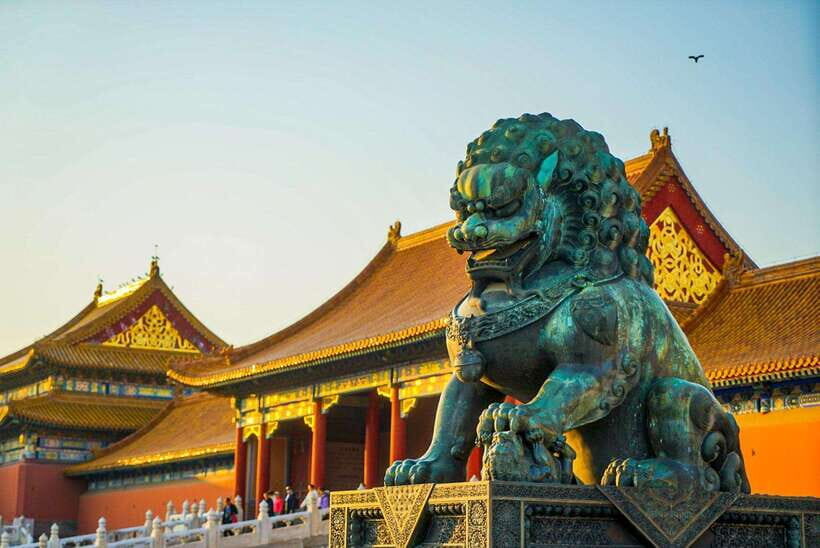
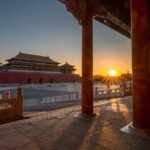
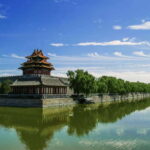
Day 2 kicks off with Tiananmen Square, followed by the Forbidden City (Palace Museum). Tiananmen is huge and symbolic, but the Forbidden City is where the scale turns into a real, walkable story. You’ll spend about 3 hours exploring the palace halls and pavilions, with your guide explaining how the space worked for imperial governance.
What I like about this pairing is the way it creates context. You see the public, political stage first, then you move into the inner world of the palace—so the architecture doesn’t feel like random stonework. It also keeps your mind engaged: you’re not just ticking sights, you’re building meaning.
Consider this: the Forbidden City is a big complex. Even with a guide, you’ll be on your feet for a while. If you’re someone who hates long indoor walking, plan for breaks and pace yourself.
Temple of Heaven, Then an Acrobatic Night at the Red Theater
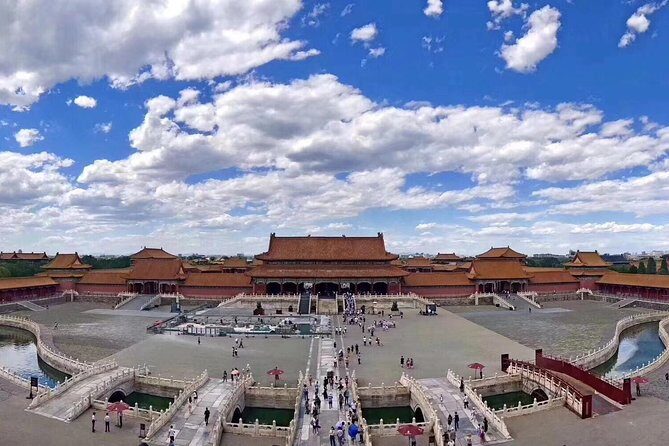
After the Forbidden City, you head to the Temple of Heaven, where emperors worshipped with the goal of good harvests. Expect about 1.5 hours here, guided through the architecture and purpose. This is one of those sites that rewards attention; it’s not only pretty—it’s functional symbolism made of stone.
That evening you get a Red Theater acrobatic show (about 1 hour). This is a smart contrast day: temples by day, athletic performance by night. It’s also a nice moment to reset without thinking about logistics like where to eat or how to get there.
If you’re traveling with family or teens, the show can be a great break from history overload. And even as an adult, it’s a fun reminder that Chinese culture isn’t only about monuments—it’s also about performance and precision.
Mutianyu Great Wall: Cable Car Views Plus Guard Towers
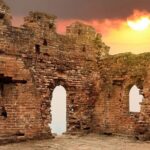
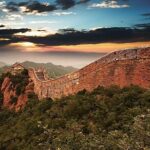
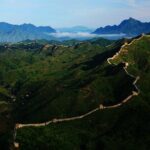
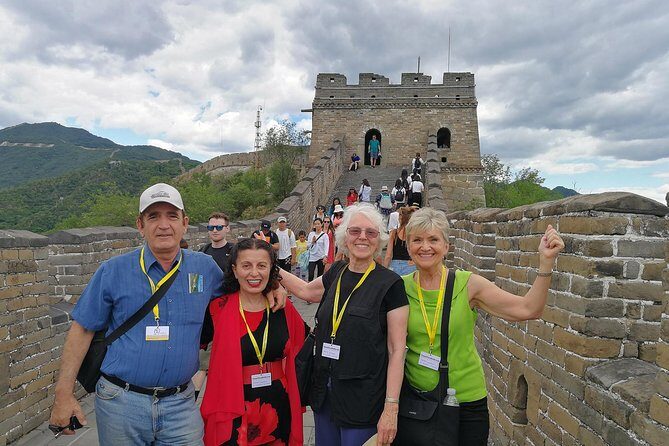
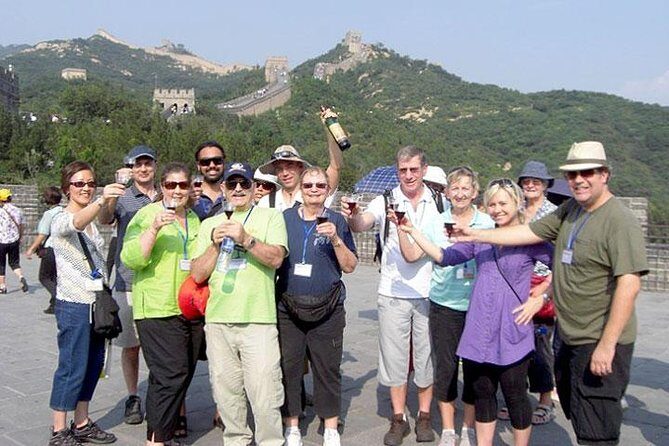
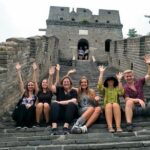
The Great Wall day is built around the Mutianyu section, one of the more manageable stretches compared with the rougher, less maintained sections you might hear about. You’ll ride a round-trip cable car so you can spend more time on the wall and less time fighting steep climbs right off the bat. Admission is included, and your guided time on the wall is about 3 hours.
The headline here is the wall itself, but what makes Mutianyu a strong choice is the experience rhythm: you can walk, stop, and look without feeling like you’re just surviving a steep staircase.
One more small bonus: during the drive back toward the city, you get a photo stop at the Bird’s Nest (National Stadium). The quick stop is there for iconic recognition rather than a full stadium visit—so don’t plan on doing anything deep there, just take photos from the road.
Hutongs by Rickshaw, Then Summer Palace’s Imperial Garden Calm
After the Great Wall, you don’t just go back to a hotel and call it a day. You head into the older city fabric with a hutong tour by rickshaw (about 1 hour). This is one of the most “you are here” parts of Beijing because hutongs feel lived-in rather than staged. You’ll also have a chance to visit a local family—so the experience can feel more human and less museum-like, even if it’s brief.
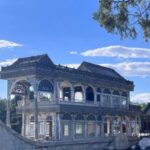
Later, on Day 4, you move to Summer Palace (Yiheyuan), about 3 hours. Summer Palace is the counterpoint to the Forbidden City: instead of formal power, you get imperial leisure, gardens, and waterfront views. It’s also a good day for photos, but it’s not only for picture-takers. The guide’s pacing helps you connect layout to meaning—why certain paths exist and how the palace was used.
If you want one practical rule for this section: bring a layer. Beijing mornings can start cool, then warm up fast once you’re walking.
Fly to Xi’an: Switching Cities Without Switching the Style
Day 4 includes the transfer from Beijing to Xi’an by flight, and then your Xi’an guide meets you at the airport and escorts you into downtown. That’s a meaningful convenience. You keep the same overall tour structure—guide, vehicle, and planned stops—so the intercity move doesn’t turn into a mini project.
You’ll be centered for the Xi’an days, which matters because the sites are spread out and you don’t want to waste time figuring out transit.
One thing to note: the tour is designed as a group schedule. If you’re the type who wants total control of every hour, this isn’t that kind of trip. It’s a “see the big things well” style.
Terracotta Warriors: The Main Act in Xi’an
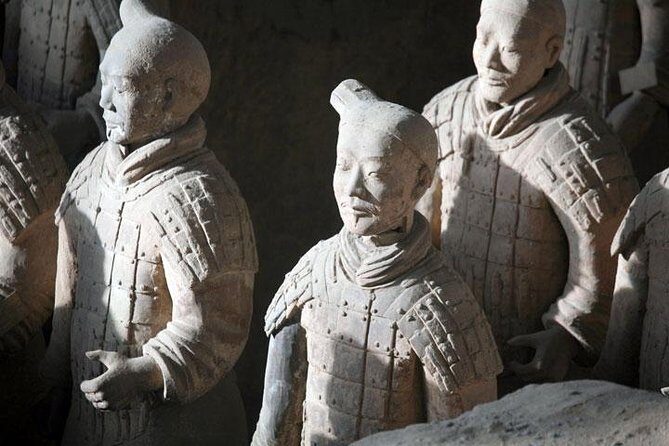
Day 5 begins with the Museum of Qin Terracotta Warriors and Horses, with 3 hours on-site. You’ll see the excavated pits and get a view of the warrior figures and ancient weapons. This stop is the core reason many people choose Xi’an, and it’s where the trip earns its keep.
The value of guided time here is simple: the Terracotta Army is visually impressive, but it’s also complex. With a guide, you understand why there are multiple pits and what each part is trying to show. Without that context, you might just feel like you’re looking at one huge display and missing the bigger story.
Even if you’re not a hardcore history fan, the scale hits you fast. Just don’t rush. Give yourself time to look at the differences between figures—those small variations are part of what makes the whole site feel real.
Big Wild Goose Pagoda and the Tang Dynasty Show with Dumpling Dinner
After Terracotta Warriors, you shift into Tang-era culture with the Big Wild Goose Pagoda (Dayanta) for about 1 hour. This is one of those stops where the architecture and the religious purpose connect into a more complete picture of Xi’an’s past.
Then you end the day with a Tang Dynasty Music and Dance Show, paired with a famous dumpling dinner (about 1.5 hours). Two things make this strong for your trip:
1) It’s entertainment that links to what you’ve just been seeing historically.
2) Dinner is built into the program, so you’re not scrambling for a restaurant after a full sightseeing day.
There’s one seasonal note: the theater isn’t open during January, February, and March, so timing matters if you’re traveling in winter.
Xi’an City Wall Park, Tai Chi, and the Muslim Quarter Lunch
Your final sightseeing day focuses on daily life and local atmosphere. You visit Xi’an City Wall (Chengqiang) area via the City Wall Park for about 2.5 hours. You can observe day-to-day local routines, and you may even have a chance to practice Tai Chi with a master. Even if you don’t do Tai Chi, watching people move at an unhurried pace gives Xi’an a different emotional tone than the warrior museum.
Then you head to the Muslim Quarter for a special lunch. This is a smart “last day” choice because it turns history into food and street energy. Your program explicitly includes lunch time here, so you won’t have to guess what to try or where to go.
Price and Value: What $1,229 Covers (and What It Doesn’t)
At $1,229 per person, you’re paying for a very structured mix: 5 hotel nights (twin-sharing), professional English-speaking guides, air-conditioned transport, entrance fees, a one-way economy flight (Beijing to Xi’an), plus most meals (5 breakfasts, 3 lunches, and a dinner). You also get two bottled waters per day.
For a first-time China trip, that package approach can be good value because you’re not independently organizing every ticket and every transfer between cities. It also reduces the chance of spending prime sightseeing hours figuring things out.
What’s not included is also clear. Bird’s Nest admission isn’t included, and on Day 6 you handle getting to the airport or railway station on your own (the guide can help you hail a taxi). Also, international flights and visa fees are not covered, and gratuities for guides and drivers are recommended.
If you’re comfortable with guided structure and you like checking the major sites off without detours, the price starts to make sense. If you want freedom to roam and you’re picky about timing, you may feel boxed in by the fixed schedule.
Who Should Book This Beijing and Xi’an Tour
This works best for you if:
- You want high-impact highlights in a short time: Forbidden City, Temple of Heaven, Summer Palace, Great Wall, Terracotta Warriors.
- You like small groups (max 18) and you want fewer distractions like shopping stops.
- You value guides who manage the flow and help with practical needs, including photo moments during key stops.
It may not be the right fit if:
- You need total flexibility day-by-day.
- You have mobility limitations. The tour notes it’s not suitable for people over 80 or wheelchair users.
- You’re traveling at a time when the Tang Dynasty theater may be closed (January to March).
Should You Book It?
I’d book this tour if your goal is simple: get a strong first look at Beijing and Xi’an with minimal hassle. The combination of UNESCO classics, a cable-car-assisted Great Wall, hutong street texture, and two performance nights is a winning mix for most people.
But make your decision based on pace. Six days is tight, and the tour is built around a full schedule. If that sounds like your kind of trip, you’ll likely feel like you made real progress, not just “passed through.”
If you hate structured days, you might find it too scheduled. If you love planning that does the thinking for you, this one is a solid pick.
FAQ
How many people are in the small group?
The tour has a maximum of 18 travelers.
Where and when does the tour start?
It starts at Beijing Capital Airport (Shunyi), and the start time is 9:00 am.
What meals are included?
Breakfast is included for 5 days, plus 3 lunches and 1 dinner.
What transportation between Beijing and Xi’an is included?
One way economy-class airfare from Beijing to Xi’an is included.
Are entrance tickets included for major sights?
Yes. Entrance fees to tourist sites are included.
Is there any shopping stops or tea ceremony?
No. The tour states there are no shopping detours, no tea ceremony, and no factory stores.
What if I need a single room?
A single room supplement is compulsive for solo guests and is available on request.
Is the tour refundable if I cancel?
No. The experience is non-refundable and cannot be changed for any reason.