REVIEW · BEIJING
Beijing Culture Event: Tea Ceremony, Music Show, Calligraphy
Book on GetYourGuide →Operated by Cultural Tours China · Bookable on GetYourGuide
Tea, music, and writing all in one room. This Beijing culture event strings together a tea ceremony, a Guqin performance and lesson, calligraphy practice, hanfu dressing, and a bit of scholarship-led context—all in a small group setting (max 8). What I like most is the hands-on six-step tea art instruction and the chance to both listen to and try the Guqin yourself. One consideration: you’ll need to handle getting to the Hua Gong station meeting point, since transportation and meals aren’t included.
Another big plus is the teaching quality. You’re guided by a bilingual cultural expert with a Master’s degree in History and Sociology, so explanations aren’t just facts—they connect objects, gestures, and sounds to how people historically thought. The vibe feels patient and welcoming, too, and in at least one case the team member Sylvia helped people locate the art center right at the metro entrance, which is a lifesaver when you’re juggling maps and train times.
For value, this is a lot packed into a 2.5-hour session for $79 per person, with water/tea, ticketed show access, hanfu rental, photos, and original souvenirs included. If you’re the type who likes a structured activity (not wandering and guessing), you’ll likely feel like you got your money’s worth. Just wear comfortable clothes for dressing, arrive about 10 minutes early, and bring a camera if you care about the photos.
In This Review
- Quick reasons this Beijing cultural session is worth your time
- What this experience really is: 2.5 hours of hands-on Chinese arts
- Getting oriented at the meeting point (so you start stress-free)
- Tea ceremony: learning the six-step method and reading the aroma
- Guqin performance: hearing 3,000 years in one instrument
- Guqin learning: trying a simple melody (and not getting it perfect)
- Calligraphy practice: from character evolution to writing your own symbol
- Hanfu dressing and the teacher-ritual: a costume moment with substance
- Photos and souvenirs: don’t forget your camera
- The guides: bilingual teaching with history context (not just translation)
- Price and value: why $79 can make sense (and when it might not)
- Who should book this Beijing event?
- When to come, and what to bring
- Should you book this tea, Guqin, and calligraphy session?
- FAQ
- Where do we meet for the Beijing culture event?
- How long is the experience?
- What’s included in the $79 per person price?
- What activities are part of the event?
- What should I bring with me?
- Do I need to pay for meals or drinks?
- Is transportation provided?
- What languages are offered during the experience?
- Is the event wheelchair accessible?
- Is there a cancellation option if my plans change?
Quick reasons this Beijing cultural session is worth your time
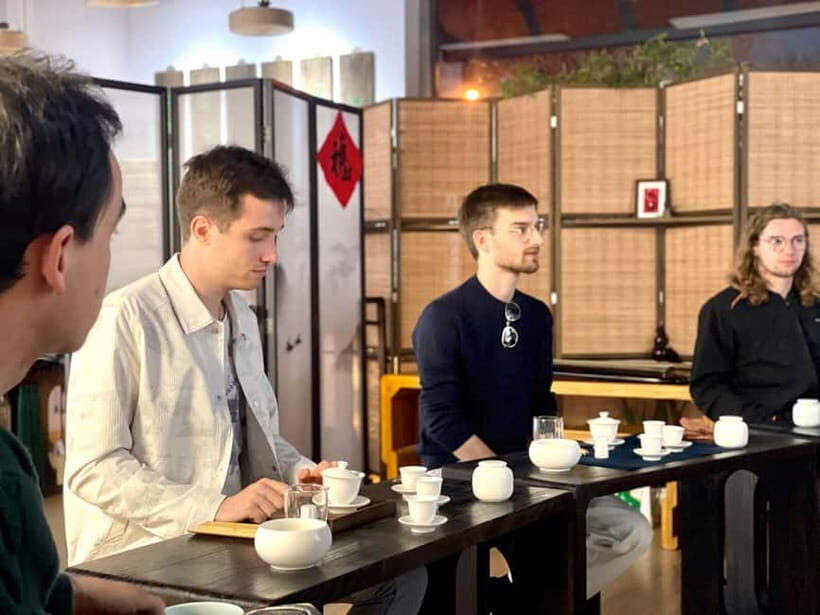
- Six-step tea art, plus tasting red, green, and floral teas with the porcelain teaware
- Guqin by a heritage master, then a guided chance to play a simple melody
- Calligraphy instruction that traces how Chinese characters evolved, then gets you writing with brush and ink
- Hanfu dressing + traditional teacher-ceremony ritual, so it’s more than sitting and watching
- Bilingual guidance from a Master’s-level history/sociology expert, not just a translator
- Small group (8 max), which helps you actually participate
What this experience really is: 2.5 hours of hands-on Chinese arts
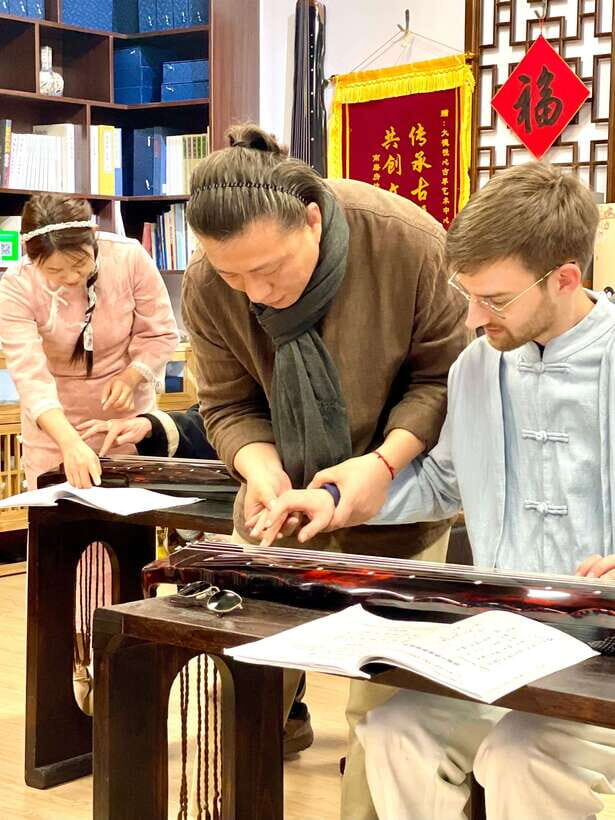
This isn’t one performance and a walk-away. It’s built like a sequence of short chapters, and each one is meant to end with you doing something—brewing tea, plucking the Guqin, writing with a brush, and joining a simple ritual while wearing traditional hanfu.
The practical side matters, because it keeps your brain engaged. You’re not stuck listening for the whole time. You’ll shift from tasting to music to writing, and each section has its own pacing and “what to look for” focus. For many people, that’s the difference between a cultural show and a cultural lesson.
It’s also small-group sized. When you cap the group at 8, you’re more likely to get individual feedback—especially during the Guqin learning and calligraphy practice, where posture, hand placement, and stroke control can change what you experience.
A few more Beijing tours and experiences worth a look
Getting oriented at the meeting point (so you start stress-free)
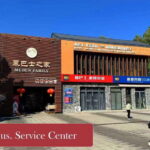
You’ll meet at Hua Gong station C exit (Line 7) and then the experience ends back at the same point. The meeting spot is about 30 minutes from Temple of Heaven by transit, but the time can vary based on where you’re coming from and train waits.
Two quick tips that make this smoother:
- If you’re using maps, practice locating the exact C exit before you show up. Exits can be confusing.
- Plan to arrive 10 minutes early. You’ll want a little buffer for getting settled before the first part starts.
Transportation to and from the venue isn’t included, so it’s smart to treat this as a “do one great cultural activity” plan rather than something you add casually without thinking about your route.
Tea ceremony: learning the six-step method and reading the aroma
The tea section is the most sensory part, and it’s also where the instruction is most structured. You’ll watch a professional tea master perform a traditional ceremony, then follow along with guidance through the Six-Step Tea Art process.
What makes this useful is that it isn’t only about steps—it’s about how to notice. You’ll work with authentic teaware, including porcelain tea sets, and you’ll brew and taste multiple types of tea: red, green, and floral teas. Each has its own look and flavor arc, but the key lesson is aroma: how the scent changes as the tea is brewed and how to describe what you’re smelling instead of just saying it tastes good.
A practical way to get more out of it:
- Take one minute before you pour to look at the tea leaves and guess what you expect.
- After brewing, compare aroma before the first sip and again after you sip.
- Use the instructor’s cues to notice color changes and how the taste lingers.
If you’ve ever found tea explanations vague, this format helps because it turns tasting into a guided skill.
Guqin performance: hearing 3,000 years in one instrument
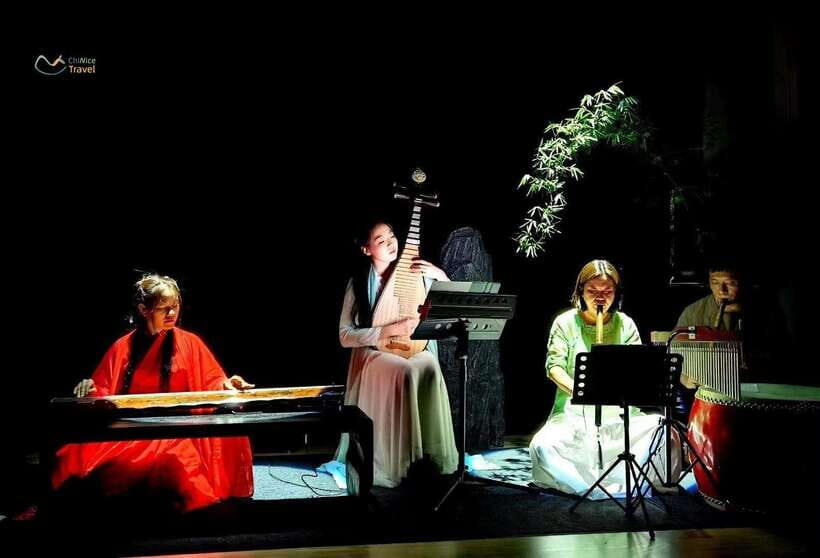
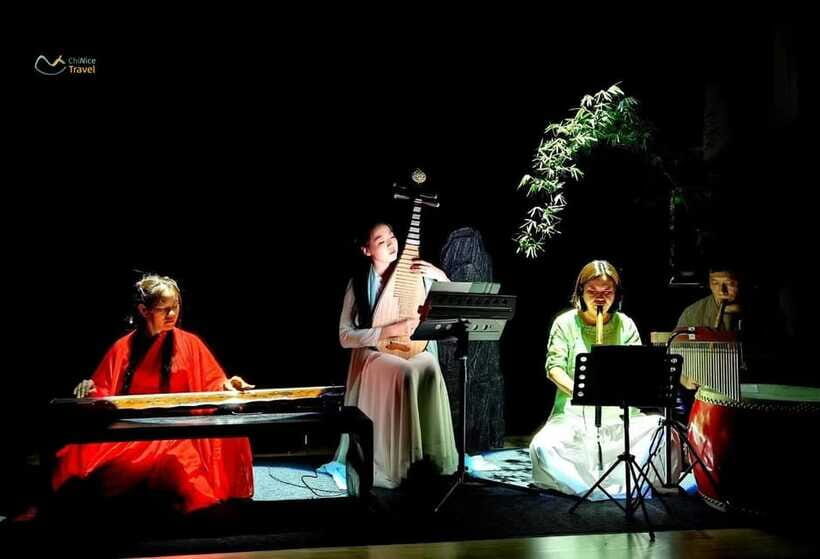
Next comes the Guqin. The event includes a performance by a national-level Guqin heritage master with around 40 years of experience (based on what’s described for the performance tradition here). The point isn’t showy volume. The point is listening closely.
The Guqin is often described as a special musical “giant panda of instruments,” because it carries a sense of cultural identity and rarity. In this setting, you’ll hear how the music connects to language and character rhythm—the idea being that the structure and pacing of Chinese writing can shape how melody is perceived.
What I like about this section is that it sits at the intersection of sound and meaning. You’re not just hearing notes; you’re being nudged to listen for pacing, restraint, and the emotional “shape” of a phrase. It’s the kind of performance that makes your brain slow down, which is exactly what you want if you’ve been touring Beijing all day.
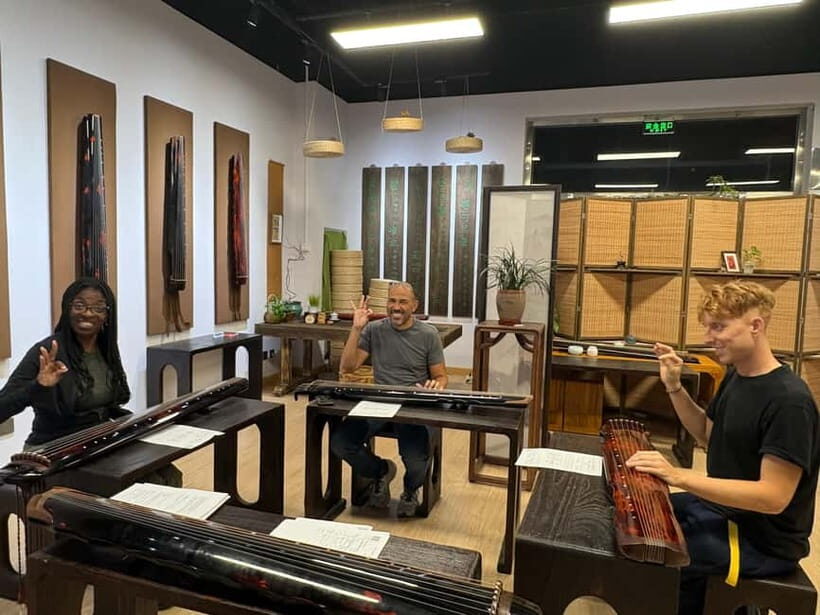
Guqin learning: trying a simple melody (and not getting it perfect)
After the performance, you get to try playing. This is where the experience becomes more than a seat-and-watch event.
You’ll get guidance during a Guqin class, taught by a professional guide/tutor associated with the Guqin performance. The goal is not virtuosity. It’s participation. You’ll learn a simple melody and get coached patiently so you can feel the rhythm and meditative quality of the instrument for yourself.
What to expect in a hands-on instrument lesson:
- You’ll probably spend time on basic technique and timing more than speed.
- Your first attempt may feel clumsy. That’s normal. The value is in understanding how the instrument is meant to respond.
- You’ll learn how to listen while you play. This is a big part of why Guqin is taught in a careful, quiet way.
If you’re traveling with kids or teens, this section often wins them over because you go from appreciation to action. And even if you’ve never touched an instrument, the structure keeps it from turning into random guessing.


Calligraphy practice: from character evolution to writing your own symbol
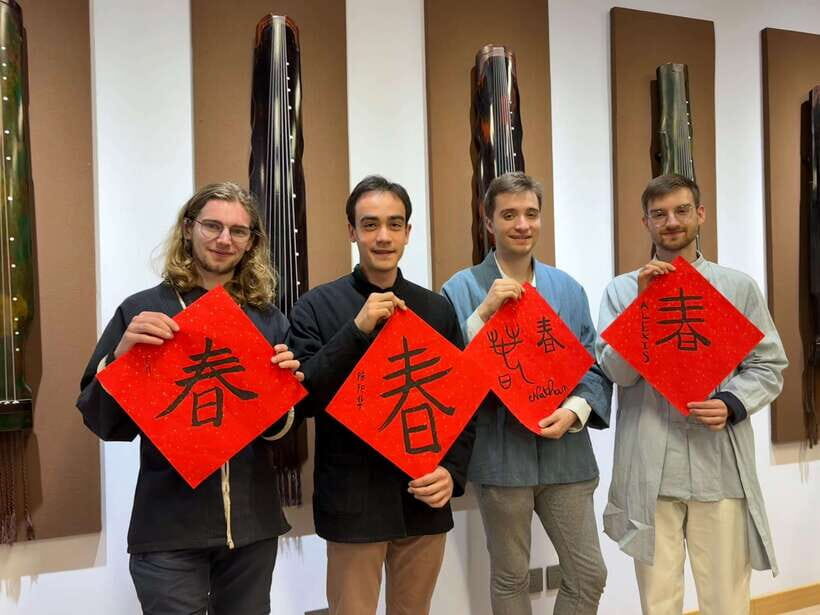
Then you move into calligraphy, which is the visual twin of the Guqin lesson. You’ll trace the evolution of Chinese calligraphy—how Chinese characters developed over time—and learn about the major traditional styles (the five major styles are referenced in the structure here).
After the background comes the practical part: you’ll write your own meaningful symbol using traditional brushes and ink. The instructor helps you with the mechanics and the focus, and the goal is to leave with something personal rather than just copying strokes.
Two practical pointers to make your calligraphy better:
- Slow down. The brush likes steadiness more than speed.
- Don’t aim for perfect. Aim for intentional. A symbol can look handmade and still be meaningful.
This is also the part where you’ll likely appreciate the cultural context from your bilingual history/sociology guide. Calligraphy isn’t only art. It’s a way of thinking about time, identity, and how written culture shaped daily life.
Hanfu dressing and the teacher-ritual: a costume moment with substance
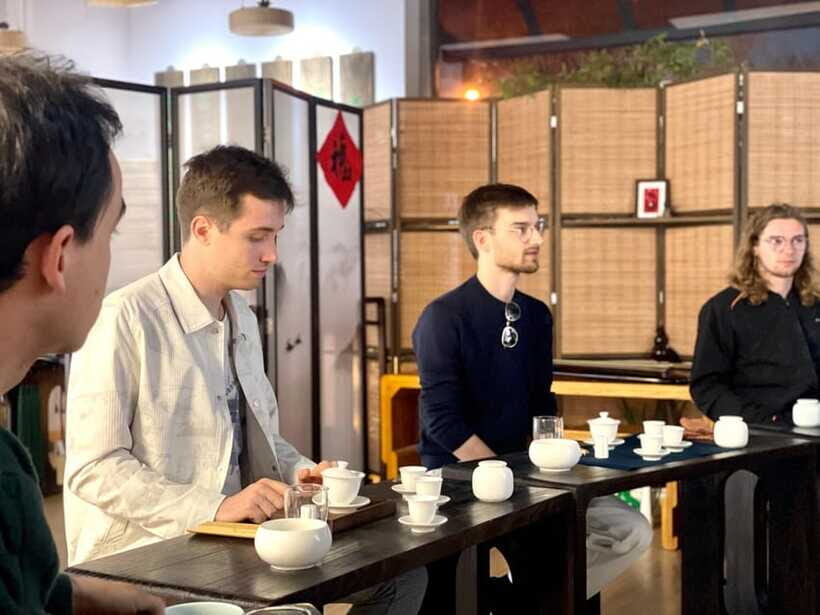
Hanfu rental is included, and you’ll dress for a traditional ceremony honoring your teacher. The experience treats this as more than a photo prop.
Wearing hanfu changes your movement and posture, and that’s not a small detail here. The ceremony is meant to frame the arts in a teacher-student relationship. That matters, because it explains why the event emphasizes careful instruction and why the pacing feels respectful rather than rushed.
For practical comfort: wear comfortable clothes that make dressing easier. You’ll want to move your arms and sit a bit while the ceremony happens and photos are taken.
Photos and souvenirs: don’t forget your camera
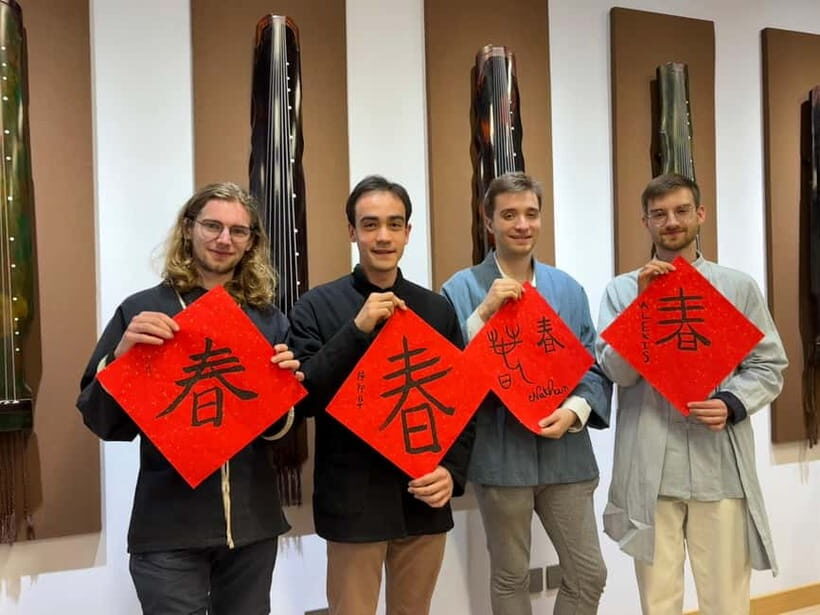
You’ll get photoshooting included, plus original souvenirs. That’s a nice touch because it makes your participation easier to remember later.
Bring a camera if you want control over pictures. The lighting and angles can be tricky in small indoor cultural venues, and having your own device means you can take photos when you want them—especially once you’re in hanfu and after you’ve written your calligraphy.
The guides: bilingual teaching with history context (not just translation)
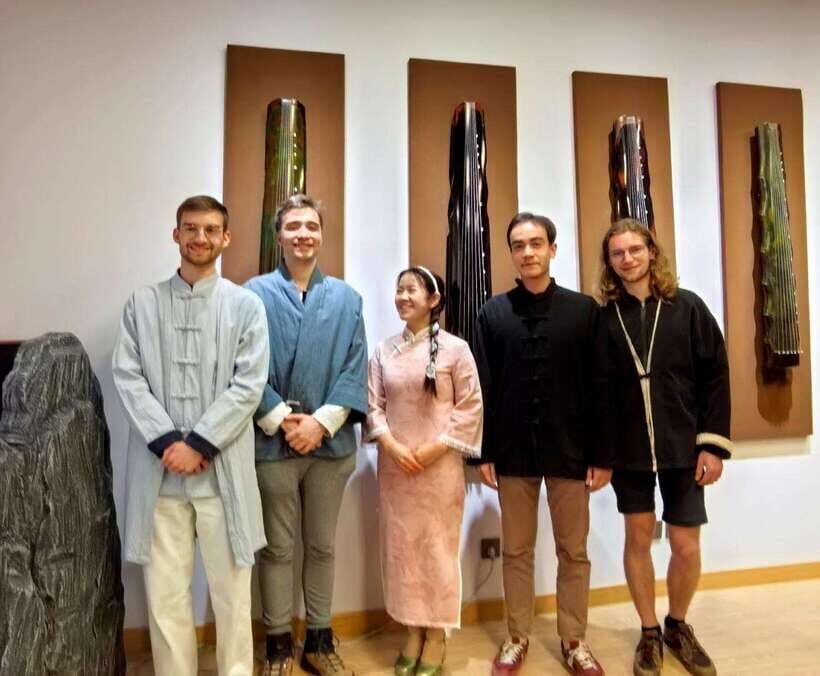
You’ll be accompanied by a bilingual cultural expert with a Master’s degree in History and Sociology. That matters because this kind of event can easily become a list of facts.
Here, the explanations aim to connect symbolism, historical context, and the philosophies behind what you’re doing. That’s why the tea section is paired with tasting skills, and why the Guqin and calligraphy aren’t treated as separate hobbies. They’re linked by how Chinese arts express meaning through technique.
In plain terms: you’ll understand what you’re seeing and doing, not just perform it.
Price and value: why $79 can make sense (and when it might not)
At $79 per person for about 2.5 hours, the value depends on your travel style.
You’re getting:
- Water/tea
- Ticket to the show
- Hanfu rental
- Photoshooting
- Guqin class
- A professional guide/tutor tied to the performance
- Original souvenirs
You’re not getting:
- Transportation to/from the venue
- Meals and other drinks beyond what’s included
- Personal purchases
So this tends to be a strong deal if you want structured, hands-on arts instruction in English/Chinese with a guide who can explain what you’re experiencing. It’s also a good match for mixed-age groups, since the format supports beginners (including kids around middle-school age and up).
It’s less perfect if you’re already fluent in tea brewing or calligraphy and just want a passive show. In that case, you might feel the instruction is too basic or you’ll wish you had more time for one craft only.
Who should book this Beijing event?
This is a great choice if you:
- Want more than a quick cultural performance and want to participate
- Like guided learning where you can ask questions
- Prefer small groups for better attention during Guqin and calligraphy
- Travel with a mix of ages and want something that holds attention
It also suits couples and solo travelers who enjoy calm, focused activities rather than nonstop sightseeing.
When to come, and what to bring
The session runs for 2.5 hours, and start times vary, so check availability for what fits your day.
Bring:
- Comfortable clothes for hanfu dressing
- A camera if you care about photos
- Curiosity. The structure rewards you for paying attention.
Plan to arrive about 10 minutes early so you’re not rushed at the beginning.
Should you book this tea, Guqin, and calligraphy session?
If you like learning-by-doing, I’d book it. The price is reasonable for what’s included—especially because you’re not only watching tea and music, you’re tasting, playing, and writing. The small-group size helps, and the bilingual, Master’s-level guidance gives the arts context so it feels like culture rather than a staged routine.
Don’t book it only if you prefer a self-paced, wander-around itinerary or you’re already confident in tea ceremony and calligraphy and would rather spend your time elsewhere.
If you want one clean, meaningful cultural block in Beijing—tea in hand, Guqin notes in your ears, and ink on your brush—this is the kind of experience that makes the city feel personal.
FAQ
Where do we meet for the Beijing culture event?
You meet at Hua Gong station C exit (Line 7). The experience ends back at the same meeting point.
How long is the experience?
The experience lasts about 2.5 hours. Starting times vary, so you’ll want to check availability.
What’s included in the $79 per person price?
Included are water/tea, ticket to the show, hanfu rental, photoshooting, Guqin class, a professional guide/tutor, and original souvenirs.
What activities are part of the event?
The event includes a tea ceremony with Six-Step Tea Art, a Guqin performance, a Guqin learning session, calligraphy practice, hanfu dressing plus a teacher-ritual ceremony, and cultural insight from the bilingual guide.
What should I bring with me?
Wear comfortable clothes for the hanfu dressing session. Bring a camera if you want photos. Arriving about 10 minutes early is also recommended.
Do I need to pay for meals or drinks?
Meals and drinks are not included. Water/tea is included as part of the event.
Is transportation provided?
No. Transportation to and from the venue is not included.
What languages are offered during the experience?
The instructor/guide is offered in Chinese and English.
Is the event wheelchair accessible?
Yes, the experience is listed as wheelchair accessible.
Is there a cancellation option if my plans change?
Yes. You can cancel up to 24 hours in advance for a full refund.