REVIEW · BEIJING
Beijing: Imperial Cuisine Experience & Cultural Performance
Book on GetYourGuide →Operated by PidanTravelAgency · Bookable on GetYourGuide
Beijing’s royal food story sounds made up. It isn’t. The Yuxiandu Imperial Cuisine Museum pairs museum-style learning with a palace-style dinner and a cultural performance, so you don’t just read about emperors—you sit down like you’re part of the court. I like the way the museum maps five millennia of royal cuisine and makes the “why” of certain dishes feel real. I also love the menu structure, which moves through flavors and textures in a way that feels intentionally ceremonial, not random banquet food.
One thing to consider: the experience runs on tight timing blocks, and your ticket check happens right before the meal and show. If you’re the type who likes to stroll in late with no plan, you’ll want to adjust.
In This Review
- Key things I’d focus on before you go
- Yuxiandu Imperial Cuisine Museum: what you’re really paying for
- Where this fits in your Beijing plan
- From royal artifacts to royal dishes: how the museum story works
- A practical note
- The palace-style feast: what’s on the menu and why it’s structured
- The “imperial” flavor logic
- What you’ll likely like (and what to watch)
- The performance timing: don’t arrive late
- What the show actually delivers
- Price and value at about $137 per person
- My practical money advice
- Who this experience is best for
- Booking and ticket basics that trip people up
- Should you book the Beijing Imperial Cuisine Experience?
- FAQ
- FAQ
- How long is the Beijing Imperial Cuisine Experience?
- What is included in the ticket price?
- What isn’t included?
- Where is the Yuxiandu Imperial Cuisine Museum located?
- What time does the performance start?
- How early should I arrive?
- Is the real ticket the QR code from the booking platform?
Key things I’d focus on before you go
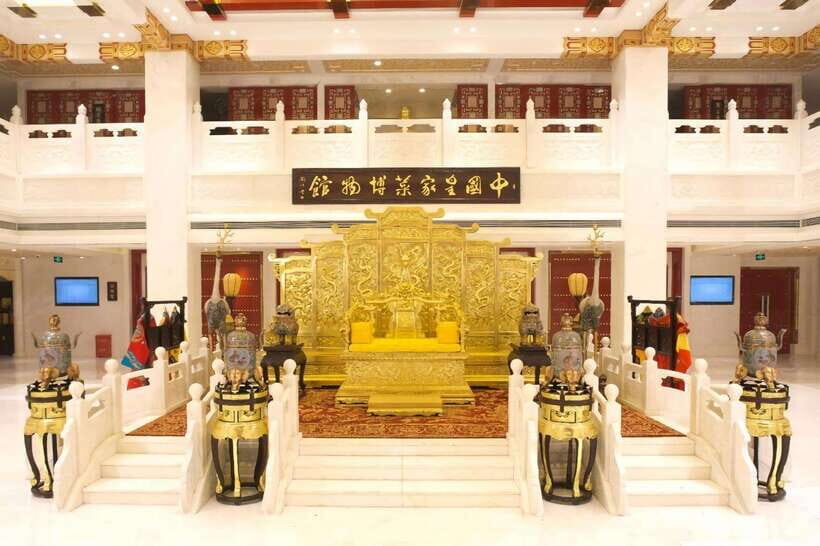
- Yuxiandu Imperial Cuisine Museum: Royal dining history spanning ancient times through the Qing Dynasty
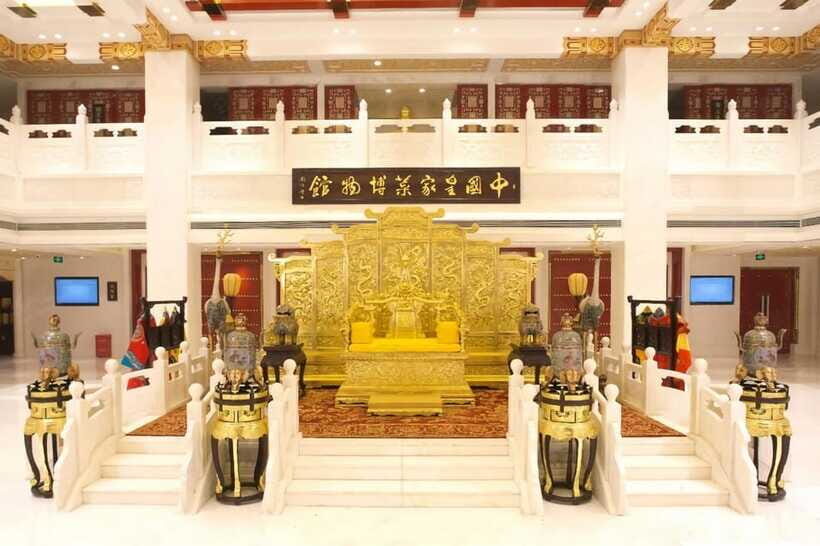
- Palace-like dining atmosphere: You eat in a setting designed to feel like an imperial hall
- Food menu with classic imperial cues: Roast duck, longevity noodles, youtiao with milk, yogurt with honey
- Included performance: Cultural presentation with traditional costumes, music, and dance-style entertainment
- Book smart on price: At ~$137 per person, it’s worth comparing platforms so you’re not overpaying for the same seat
Yuxiandu Imperial Cuisine Museum: what you’re really paying for
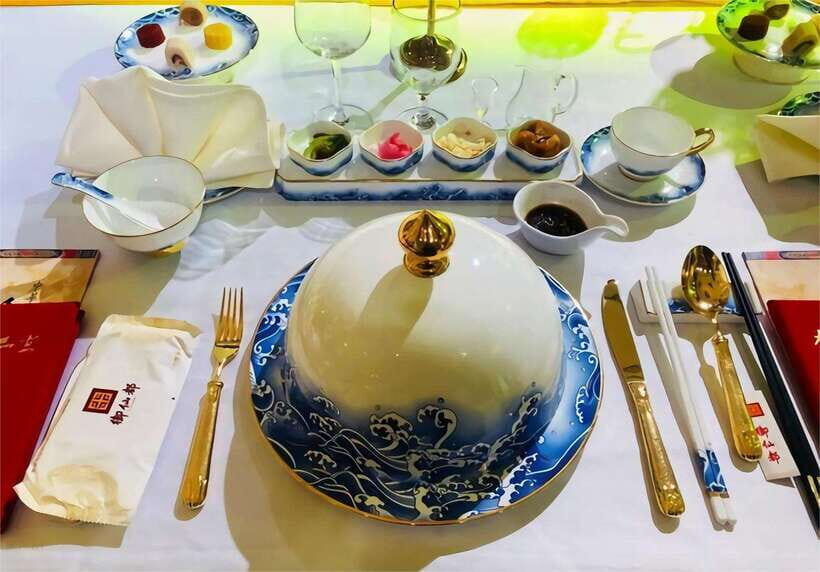
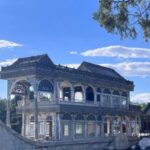
The heart of this experience is the Yuxiandu Imperial Cuisine Museum in Beijing’s Haidian District, near Sijiqing Bridge. It’s not just a room of artifacts behind glass. The museum is built around the evolution of Chinese imperial cuisine—from ancient eras all the way through the Qing Dynasty—so you can connect dishes to rulers, court culture, and historical change.
A key detail that matters for your expectations: the museum has over a thousand historical items, including utensils and documents. That’s the part that makes the ticket feel less like “dinner theater” and more like food history with a big dining payoff. If you care about food as culture (not just as calories), you’ll probably enjoy how the exhibits frame meals as status, ritual, and craft.
Also note the museum’s official tourism standing: it’s a national AAA-level attraction, which usually correlates with smoother visitor flow and decent facilities. In practice, that matters because the experience includes both dining and performance, so you don’t want to spend your limited time stuck in chaos.
You can also read our reviews of more tours and experiences in Beijing.

Where this fits in your Beijing plan
This is a good pick if you’re juggling a packed schedule and want one evening (or midday slot) that includes multiple layers: museum learning, a proper meal, and entertainment. It’s less ideal if you’re in Beijing purely for long self-guided wandering, where you’d rather explore museums one by one and move at your own pace.
From royal artifacts to royal dishes: how the museum story works
Your visit starts with the museum side, where the focus is on how court cuisine developed over centuries. You’ll see the development of royal dishes from earlier periods through the Qing era, along with the tools and written records that helped keep the cuisine consistent and prestigious.
The museum also introduces renowned royal dishes and the chefs connected to China’s imperial food reputation. That matters because it shifts the conversation from “look at this plate” to “this dish had a role.” Imperial cuisine wasn’t only about taste. It was about technique, presentation, and meeting expectations tied to the court.
Here’s what I think you’ll enjoy most if you’re paying attention: the way the museum treats food as part of cultural identity. Even if you don’t read every label, the overall structure nudges you to think about ingredients, methods, and ceremony as a system.
A practical note
Because the day is built around meal and show timings, you can’t plan to linger for hours. This isn’t a slow museum day where you take notes like a grad student. Instead, think of it as a “guided-style” museum experience where the exhibits set context for the dinner you’re about to eat.
The palace-style feast: what’s on the menu and why it’s structured
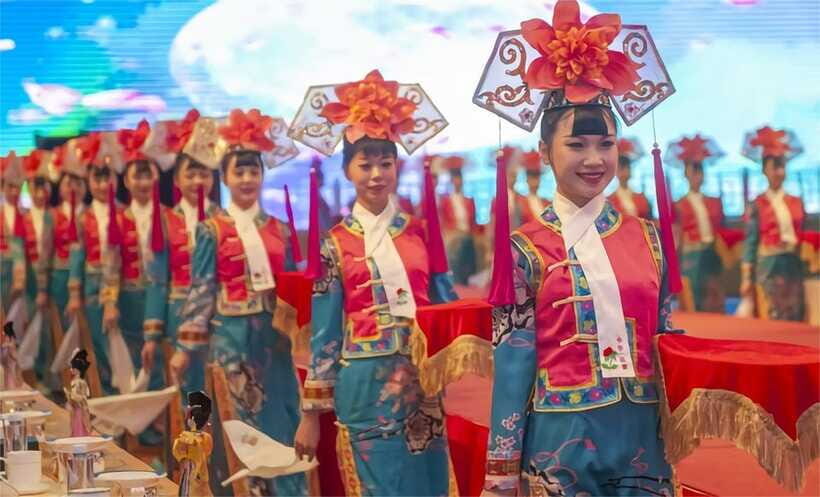
The dining portion is designed as a royal-style replication of the meals once enjoyed by the court. The setting is built to mimic an ancient palace atmosphere—so the mood is part of the show. And yes, your meal is the main event, not a small tasting.
The menu is:
- Appetizer Platter
- Braised Sea Cucumber with Fish Maw in Casserole
- Marinated Tofu and Bamboo Shoots
- Roast Duck with Jujube Wood
- Chinese Cabbage in soup
- Roasted Lamb
- Longevity noodles with poached eggs
- Deep-Fride Dough Sticks (youtiao) with Milk
- Yoghurt filled with honey
Let’s make this make sense.




The “imperial” flavor logic
You’re not just getting a sequence of random Chinese dishes. The menu moves through textures and roles:
- The sea cucumber with fish maw is a classic “imperial” luxury marker—rich, elaborate, and historically tied to high-status cooking.
- The marinated tofu and bamboo shoots add a calmer, herbal-vegetable side, balancing the heavier items.
- Roast duck with jujube wood is one of the most memorable items on the list. Jujube wood suggests a smoky-sweet aroma that fits the court’s preference for fragrance and refined seasoning.
- Longevity noodles with poached eggs isn’t just comfort food—it’s tied to the symbolism of long life, which helps explain why imperial meals often included dishes with meaning, not only taste.
What you’ll likely like (and what to watch)
You’ll probably enjoy the meal most if you’re open to rich flavors and traditional ingredient choices. This isn’t a “light and modern” menu. If you dislike seafood-based luxury ingredients like sea cucumber or fish maw, you’ll want to consider how you feel about those tastes and textures.
Also, because you’re eating as part of a timed cultural program, you should plan to eat at the same tempo as everyone else. That usually means you’ll feel less like you’re leisurely dining and more like you’re participating in a schedule.
The performance timing: don’t arrive late
The experience includes a show after a set check-in time. Your exact block depends on whether you choose the lunch or dinner slot.
- Lunch slot: ticket checking at 11:38 AM, performance starts at 12:10 PM
- Dinner slot: ticket checking at 6:28 PM, show begins at 6:50 PM
So the best move is simple: arrive a few minutes before ticket checking so you’re seated before the meal and performance start. If you’ve ever tried to walk into a show hall after it starts, you know how quickly that kills the mood. Here, the schedule is tight enough that planning beats improvising.
What the show actually delivers
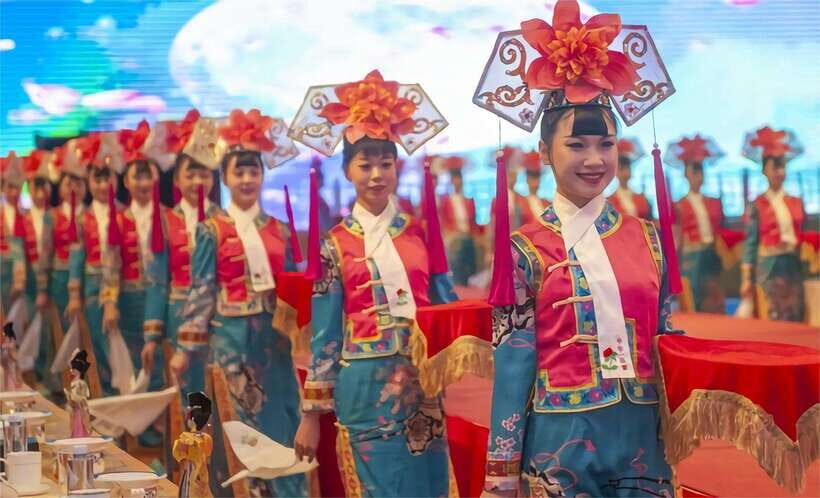
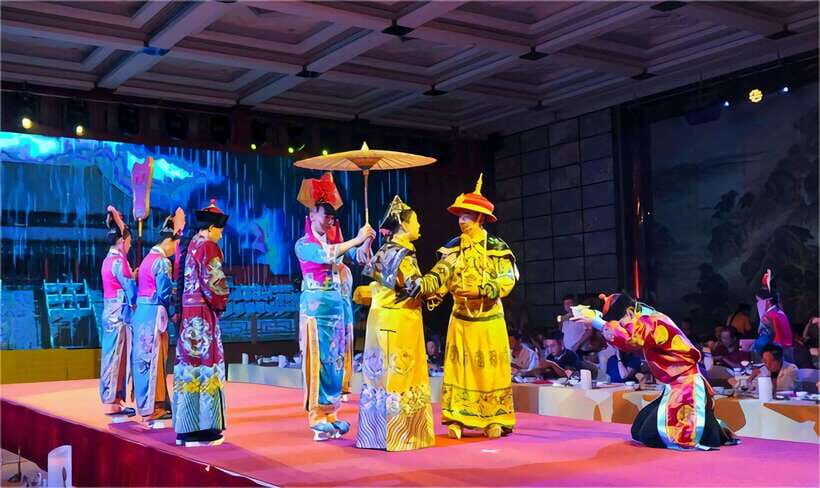
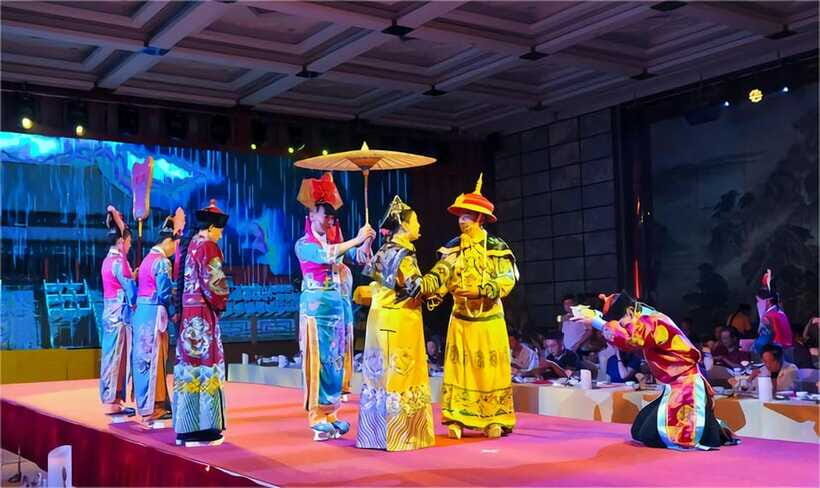
From the details provided, the performance is a cultural presentation. One review highlights a historical-style performance with traditional costumes, music, and dance, plus color and tastes tied to the food experience. Even if you don’t understand every element, you’ll still get the point: this is entertainment shaped to match the imperial theme.
Price and value at about $137 per person
At $137 per person for a 3–4 hour experience, the value depends on what you’re comparing.
If you’re looking at a plain dinner plus a generic show, this can feel pricey. But the pricing makes more sense when you treat it as three things in one:
- Museum entry and exhibits focused on imperial cuisine history (not just decorative plates)
- A full meal with a menu built around court-style dishes
- An included cultural performance
You’re also not paying extra for participant costume and makeup. Those are listed as not included, so the ticket is basically about the meal, the museum experience, and the show.
My practical money advice
One of the reviews notes that performance is the part people often feel most satisfied with and suggests comparing platforms because tickets can be expensive on certain booking sites. I’d take that seriously. If the museum and restaurant are selling tickets broadly, it’s worth checking for price differences before you lock in your purchase. Sometimes the seat is the same, but the platform markup isn’t.
Who this experience is best for
This works best for you if:
- You want a food-and-culture experience, not just sightseeing
- You like structured meals with traditional dishes (including richer ingredients)
- You enjoy historical-themed performances and don’t mind a timed schedule
- You’re short on time in Beijing and want museum + dinner + show in one block
It might not be your best fit if:
- You hate seafood-based luxury ingredients (sea cucumber and fish maw are on the menu)
- You need total flexibility with arrival times
- You’re traveling with very small kids—this isn’t suitable for children under 2
Booking and ticket basics that trip people up
A small but important detail: the QR code generated on the GetYourGuide platform after you order is not your actual ticket. Your real ticket will be sent to you via email. So if you’re traveling and screens get messy, check your email inbox soon after booking and keep an eye out for that message.
Another useful fact for planning: the experience is listed as wheelchair accessible, which is a strong plus if mobility is a concern.
Should you book the Beijing Imperial Cuisine Experience?
If your goal is to understand Chinese imperial cuisine and then taste a court-style meal that matches the theme, I think this is a good buy. The best part is the pairing: you get context in the museum, then you eat the dishes, then you watch the performance. That three-part rhythm helps the experience feel more coherent than a standard dinner show.
On the other hand, if you’re only excited about modern food trends or you’re sensitive to very traditional ingredients, you may feel less satisfied. And because the timing is strict, you’ll want to show up early rather than wing it.
If you’re on the fence, do this: compare ticket prices across booking options, then choose the slot (lunch or dinner) that gives you the least stress with your overall day. If you can arrive on time and you’re open to imperial-style flavors, you’ll likely leave with a story you can actually tell—because the museum and the meal stay connected.
FAQ
FAQ
How long is the Beijing Imperial Cuisine Experience?
It lasts about 3–4 hours.
What is included in the ticket price?
The ticket includes the meal and the performance.
What isn’t included?
Traditional costume and makeup transformation are listed as not included.
Where is the Yuxiandu Imperial Cuisine Museum located?
It’s in Haidian District near Sijiqing Bridge.
What time does the performance start?
For the lunch slot, the performance starts at 12:10 PM. For the dinner slot, it starts at 6:50 PM.
How early should I arrive?
Arrive a few minutes before the ticket checking time so you have time to queue and get seated before the meal and performance.
Is the real ticket the QR code from the booking platform?
No. The QR code on the platform is not your actual ticket. Your real ticket is sent to you via email.