REVIEW · BEIJING
Beijing: Longing Gorge Ice Festival w/Optional Activities
Book on GetYourGuide →Operated by Discover Beijing Tours · Bookable on GetYourGuide
Winter in Beijing has a special kind of magic. This private tour is built to pair a major Beijing classic—Badaling Great Wall, Ming Tombs, Summer Palace, or the Forbidden City—with the Longqing Gorge Ice and Snow Festival. I love the way the day stays flexible with a private guide and driver, and I also like that you get context on the big sites as you travel between them, not just a checklist of stops.
The main thing to keep in mind is that winter conditions and timing matter: the festival experience can feel shorter or more indoor-focused than you’d picture at first, and some specific features may not run depending on the season. Also, expect cold, uneven walking on at least one part of the itinerary.
In This Review
- Key points I’d plan around
- How Longqing Gorge Turns Beijing Winter Into a Night Show
- Private Pickup and Transfers: The No-Rush Way to See Northern Beijing
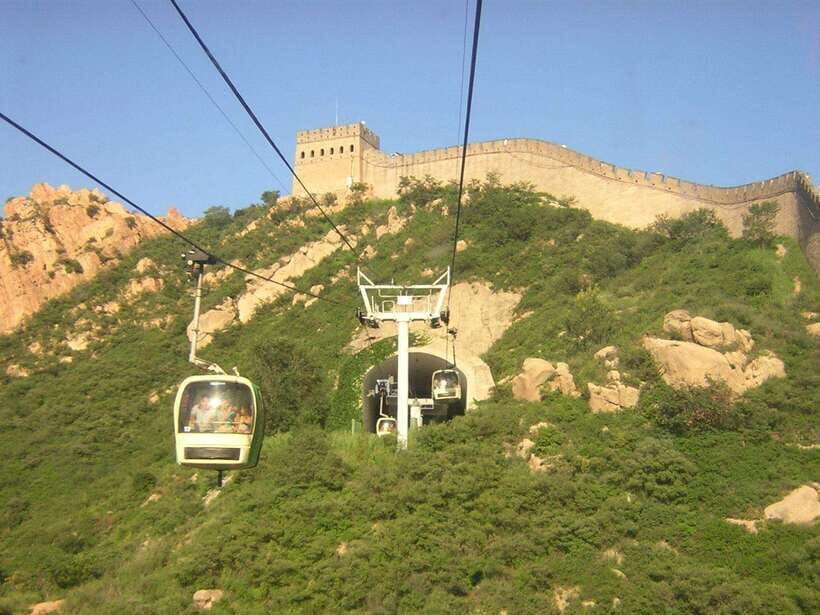
- Badaling Great Wall: Cable Car Up, Wall Walk In
- Ming Tombs and Dingling’s Underground Palace Atmosphere
- Summer Palace and Forbidden City: Two Kinds of Imperial Power
- Summer Palace: Royal garden, stories, and a quieter pace
- Forbidden City + Tian’anmen Square: Grand scale and court life
- Badaling Ski Resort: When You Want Winter Motion, Not More Walking
- Night Longqing Gorge Lantern Tour: Less Daylight Cramming
- Lunch and Entrance Fees: Where the $147 Value Really Comes From
- What to Pack for Beijing Cold: Shoes, Water, and a Camera That Handles Snow
- Who This Tour Fits (and Who Should Skip It)
- Should You Book This Longqing Gorge Ice Festival Tour?
- FAQ
- Which season does the tour operate in?
- How long is the tour?
- What do I get for the price?
- Is lunch included on the night tour?
- Where do I meet the guide?
- What language is the guide?
- What should I bring for the winter weather?
- Is this tour private?
- What’s the cancellation policy?
Key points I’d plan around
- Pick your Beijing crown jewel first, then add Longqing Gorge at night or during the day so the day feels balanced, not back-to-back sightseeing.
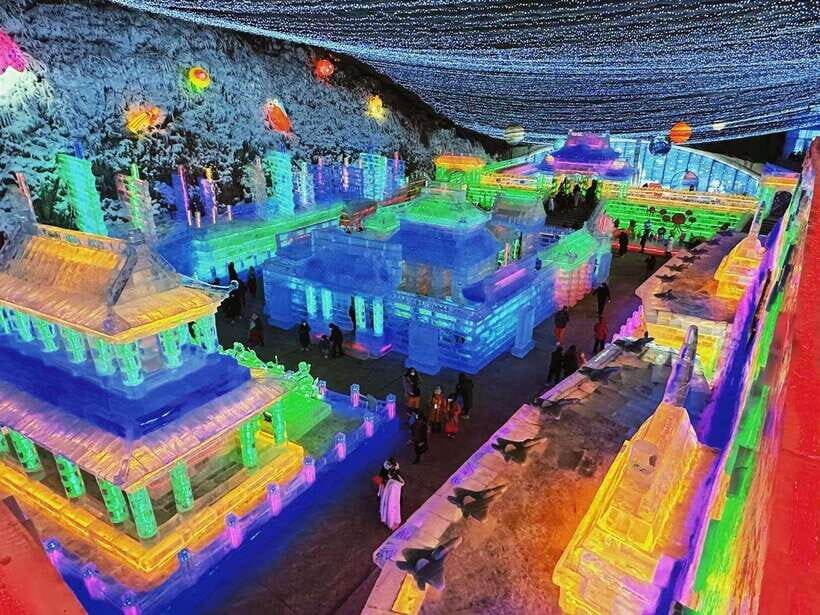
- 400+ themed ice sculptures (with Chinese and foreign artists) create the main wow factor once they’re illuminated.
- Private pacing means you’re not stuck in a fast-moving group line.
- Guides like Li, Miko, Andy, and Jack are singled out for connecting architecture and emperors to everyday details, not just dates.
- Lunch is included on day tours, which helps a lot when you’re outside in the cold for hours.
- Moderate walking in winter means good shoes and a real plan for cold weather.
How Longqing Gorge Turns Beijing Winter Into a Night Show
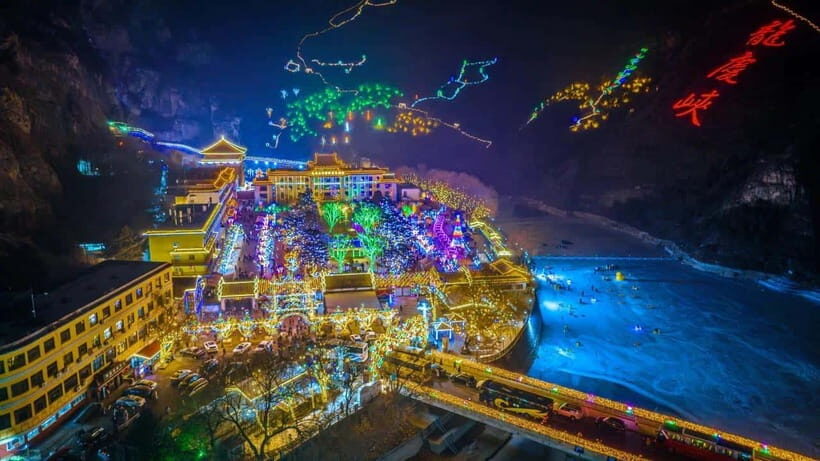
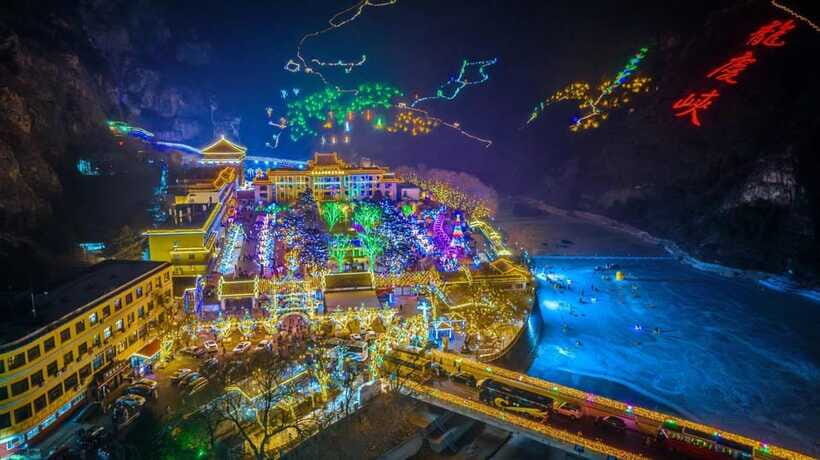
Longqing Gorge is the star for the season. The Ice and Snow Festival runs from mid-January to late February, and it’s designed around sculpted scenes that get dramatically better once night lighting kicks in. You’re not just seeing a few statues—you’re looking at a full festival setting, with over 400 themed ice sculptures created by Chinese and foreign artists.
What makes this pairing work is the rhythm. In the best version of the day, you get the human scale of Beijing’s historic sights earlier, then shift into a more dreamlike world of ice lantern glow later. If you choose the night tour option, you’ll spend the prime nighttime viewing hours on the ice sculptures, with less pressure to cram in extra daytime walking.
The one caution: festival layouts and what’s operating can vary. If you have one must-see feature in your mind, don’t build the entire trip around it—especially in colder weeks when some components may be closed.
You can also read our reviews of more tours and experiences in Beijing.
Private Pickup and Transfers: The No-Rush Way to See Northern Beijing
This is a private group tour, which changes everything about how it feels in winter. Instead of waiting around, you meet your guide and head out in an air-conditioned vehicle. The guide typically meets you in your hotel lobby in the city center (the itinerary example uses Qianmen as a pickup point), so you can start the day without complicated transfers.
Because travel time is included in the 6–8 hour window, the schedule is designed to be realistic. You’re not guessing how long it takes to get from downtown Beijing to the northern sites, then mentally budgeting your energy for getting cold on the way. You’ll also have a guide onboard to help smooth the logistics of tickets and pacing.
In the best matches, the guide goes beyond talking about monuments. Guides like Andy have been noted for sharing stories not only about dynasties, but also about ordinary people and how government shaped daily life. And Li has been praised for being prepared historically, while also adjusting the plan based on real on-the-ground difficulty (like tougher wall segments).
Badaling Great Wall: Cable Car Up, Wall Walk In
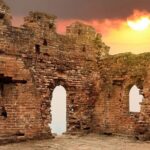
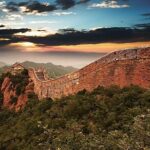
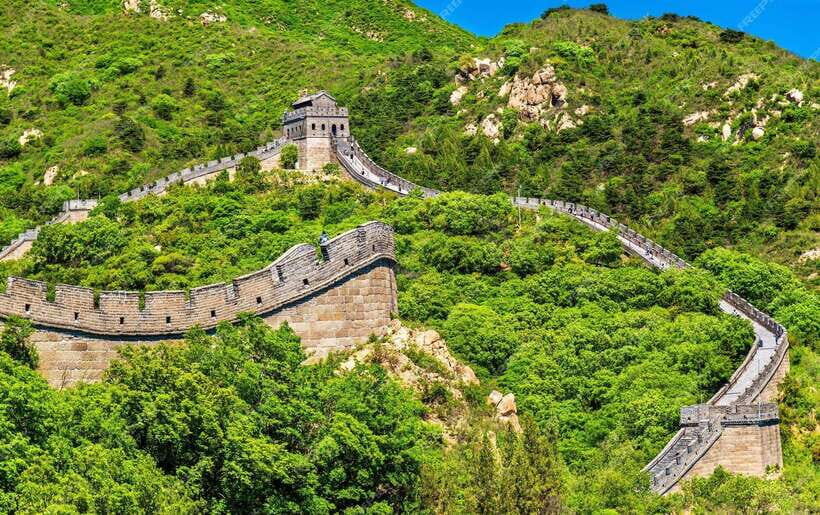
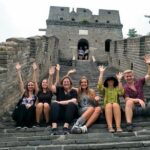
If you want the most famous Beijing experience, start with Badaling Great Wall. It’s strategically vital and often described with the saying about one man guarding the pass and ten thousand unable to get through. Even if you’ve seen photos online, being there in winter gives you a different feel—crisp air, quieter sections, and big views that stretch in every direction.
The typical rhythm here is practical:
- Cable car to the peak for big panoramic views
- About 2 hours of hiking on the wall
This matters for value. You get the payoff of reaching the height quickly, then you still get meaningful walking instead of a short photo stop. Still, winter walking on the Great Wall is not “casual.” Wear grippy shoes, and plan for wind and cold surfaces.
A helpful detail: it’s smart to bring water and snacks for that wall hike, especially if you’re choosing this tour as your only major outdoor time. Your guide can help keep you on pace, but you’ll still need basic comfort to enjoy it.
Ming Tombs and Dingling’s Underground Palace Atmosphere
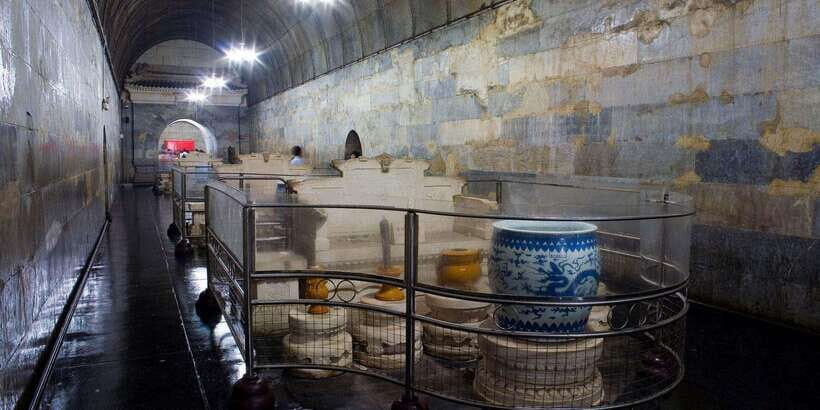
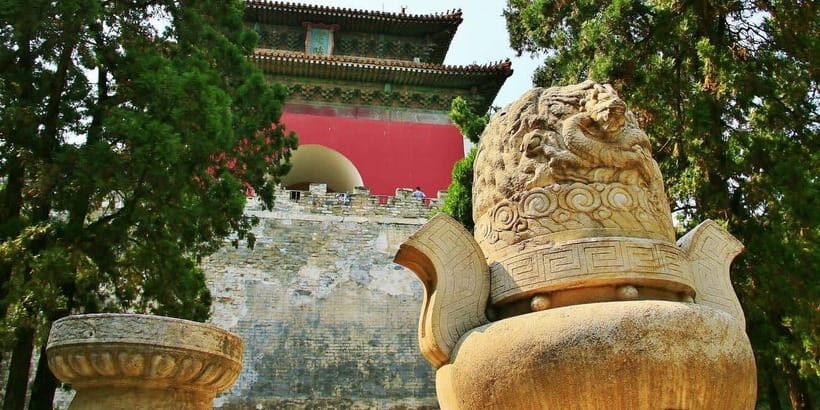
If the Great Wall feels too physical, the Ming Tombs option gives you something different: underground history. The highlight is Dingling, the only underground palace open to the public. It was built for Emperor Zhu Yijun, the longest-reigning Ming emperor, and construction took six years, completed in 1590.
Why this stop is worth your attention is the contrast it creates. You’re not walking exposed ramps in winter wind. Instead, you’re stepping into a deeper, quieter world where burial culture and imperial design show up as built form.
Your guide should explain more than “who was buried here.” A good guide connects the emperor’s life, the Ming Dynasty story, and the elaborate burial practices into something you can actually picture. That’s where this type of tour shines: the guide turns stone and corridors into context, so you leave understanding what you saw, not just that you saw it.
After Dingling, you head to Longqing Gorge for the festival portion, so your day moves from “imperial world underground” to “ice-world above ground,” which is a satisfying transition.
Summer Palace and Forbidden City: Two Kinds of Imperial Power
Beijing can feel like one massive museum. The Summer Palace and Forbidden City options help you split the museum experience into two different themes: pleasure and governance.
Summer Palace: Royal garden, stories, and a quieter pace
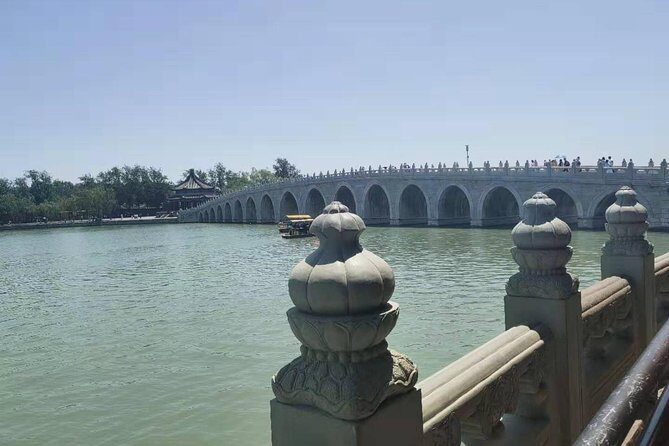
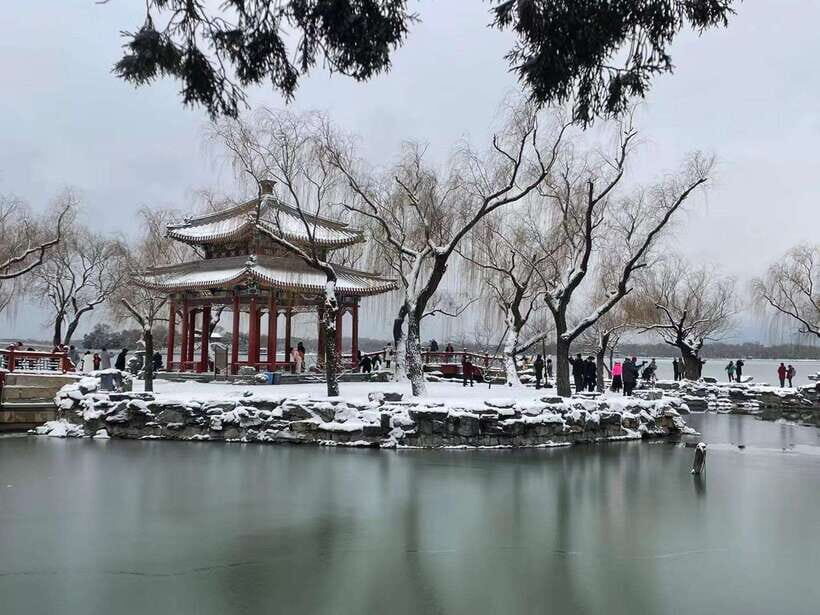
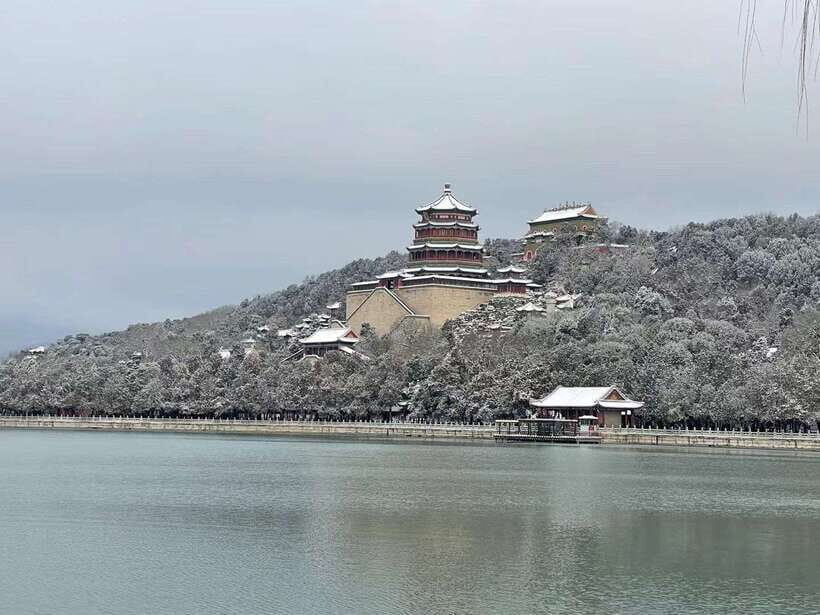
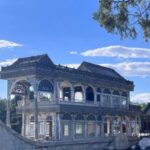
The Summer Palace is a well-preserved royal garden—part landscape, part art, part imperial retreat. Your guide takes you through iconic buildings and shares stories, including the famous “Dragon Lady” nickname and her life in this setting. Even if you’ve read about her, having a guide connect the narrative to the places you stand in helps it click faster.
Forbidden City + Tian’anmen Square: Grand scale and court life
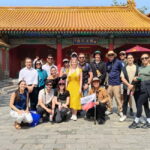
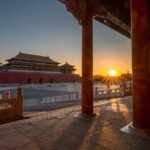
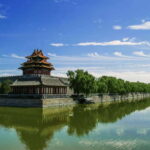
The Tian’anmen Square start sets the stage with the scale of the public realm, then you step into the Forbidden City, a UNESCO World Heritage Site and former residence for 24 Ming and Qing emperors. This stop is architecture-heavy, with courtyards and palace spaces that look designed for power and ceremony.
A strong guide will help you read the complex layout—why rooms are where they are, what the symbolism means, and how the emperors’ rule shaped the spaces. If you’re the type who likes to understand the “why” behind the “wow,” this combination tends to land well.
In both versions, the Longqing Gorge festival comes after lunch, letting you end the day with something playful and luminous rather than ending on a cold, crowded museum hall.
Badaling Ski Resort: When You Want Winter Motion, Not More Walking
Want less history time and more active winter fun? The Badaling Ski Resort package is built for that. You’ll get full access to ski lifts, plus ski equipment rental. Then you’ll ski for about 3 hours.
This option is a good fit if:
- you’re traveling with someone who isn’t excited about long sightseeing walks
- you want a clear winter activity you can feel immediately
- you’re a casual skier or beginner and want a simple setup
After skiing, you head to Longqing Gorge to enjoy the frosty scenery or the ice lantern festival (season-dependent). It’s a smart way to balance energy: you burn it off on the slopes, then slow down in the festival lights.
Night Longqing Gorge Lantern Tour: Less Daylight Cramming
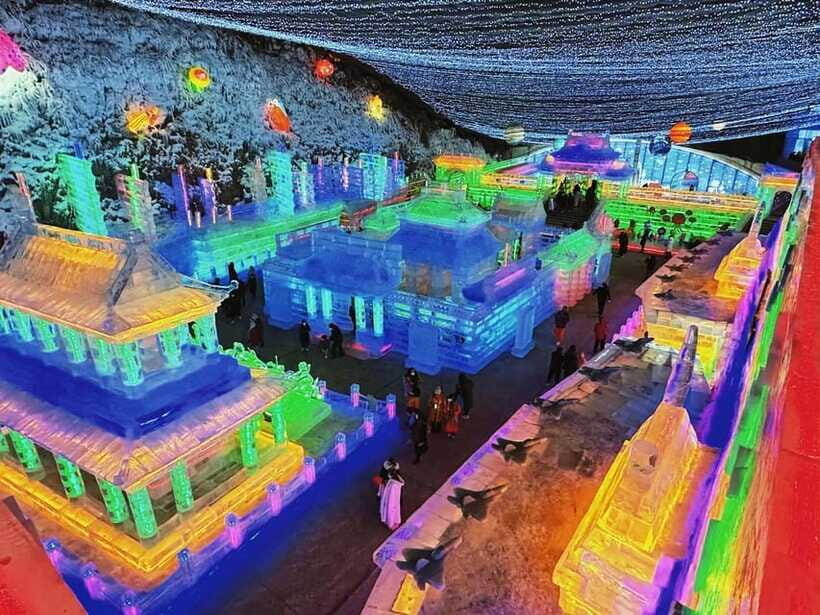
If you prefer a lighter schedule, choose the night tour. The drive takes around 2 hours, and once you arrive you’ll spend about 2 hours admiring the illuminated ice sculptures and festival atmosphere.
This is the option I’d consider if you’re:
- tired after a day of Beijing city walking
- sensitive to cold exposure during the daytime
- aiming mainly at the ice-lantern visuals rather than a full tour of the historic sites
One practical note: food isn’t included on night tours. You’ll want to handle meals before you go, so you’re not hungry while you’re trying to enjoy the festival glow.
Lunch and Entrance Fees: Where the $147 Value Really Comes From
At $147 per person, you’re not just paying for entry tickets. You’re paying for a private vehicle, a professional guide, and (on day tours) lunch at a local Chinese restaurant. That lunch piece matters more than it sounds when you’re moving between distant sights in winter. It also gives you a break before the next outdoor segment.
Entrance fees are included only for the attractions in your selected package. That means if you want to add something extra on your own, you’ll pay for it separately. Plan to stay focused on what’s included, and you’ll feel like the price makes more sense.
There’s also a value trade-off depending on which package you pick. The ice festival part is a big attraction, but if you’re choosing a route where the festival viewing time feels short, you might notice it more. One traveler specifically felt the ice festival experience was mainly indoors and expected more, and they also noted that the Dragon escalator wasn’t open during their time. That doesn’t mean it’s always like that, but it does tell me you should arrive with flexible expectations about what’s operating.
What to Pack for Beijing Cold: Shoes, Water, and a Camera That Handles Snow
Winter makes the details matter. This tour expects you to walk at least moderately, and temperatures can be very low. I’d treat packing like part of the itinerary.
Bring:
- Comfortable shoes (traction helps)
- Warm clothing layered enough for freezing air
- A camera you’re ready to protect from cold and condensation
If you’re doing the Great Wall hiking portion, also plan on:
- water and snacks for that wall walk
If you’re not used to winter walking, don’t assume you can power through in thin boots and one warm jacket. The goal here is not heroics—it’s comfort, so you can actually enjoy the views.
Who This Tour Fits (and Who Should Skip It)
This tour involves winter travel plus walking. It isn’t recommended if you have mobility limitations, and it’s listed as not suitable for pregnant women, people with back problems, and wheelchair users.
That’s not just legal fine print. Winter surfaces can be uneven, and the Great Wall hiking component adds strain even when it’s only a couple of hours. If your body needs gentler logistics, consider a less walking-heavy Beijing day instead of forcing this one.
On the upside, it can be a great choice for visitors who want:
- a private guide so questions don’t get lost
- a balanced mix of monumental sights and festival atmosphere
- an efficient winter schedule with fewer headaches
Should You Book This Longqing Gorge Ice Festival Tour?
Book it if you want a private, flexible Beijing winter day that ends with real ice-lantern atmosphere. I like how the itinerary choices give you a path: history fan (Forbidden City or Ming Tombs), outdoor view hunter (Badaling), garden lover (Summer Palace), or active winter person (ski resort). Then Longqing Gorge brings the seasonal “only in winter” magic.
I’d hesitate if you’re expecting the ice festival to feel like a full-day theme park experience with every feature guaranteed. Some elements may be shut down during certain weeks, and the overall time spent at the festival can vary by package. If your priority is maximum time in the ice sculptures at any cost, you should choose your schedule based on the day vs night focus.
If you’re healthy enough for winter walking and you’re excited about seeing Beijing’s biggest sights with a guide who connects the story to the place, this is the kind of tour that makes winter feel special instead of exhausting.
FAQ
Which season does the tour operate in?
The tour operates only in winter, and the Longqing Gorge Ice and Snow Festival runs from mid-January to end-February.
How long is the tour?
Duration is 6 to 8 hours, and that includes travel time to and from the attractions.
What do I get for the price?
The tour includes private transportation, a professional guide, and lunch at a local Chinese restaurant for day tours. Entrance fees are included only for the attractions specified in your selected package.
Is lunch included on the night tour?
No. Food is not included for the night tour option.
Where do I meet the guide?
Pickup is included from Beijing city center, and the guide will meet you in the lobby of your hotel. The itinerary example lists Qianmen as a pickup point.
What language is the guide?
The live tour guide is available in English and Chinese.
What should I bring for the winter weather?
Bring comfortable shoes, warm clothing, and a camera. If you’re doing the Great Wall hike, carry water and snacks for the hike.
Is this tour private?
Yes. It’s listed as a private group.
What’s the cancellation policy?
There is free cancellation up to 24 hours in advance for a full refund.