REVIEW · BEIJING
Beijing Royal Banquet with Chinese culture prefermance
Book on GetYourGuide →Operated by cowbunny · Bookable on GetYourGuide
Royal banquets aren’t just dinner. I like the way this meal pairs Chinese cultural performances with a real royal-cuisine setting, and I really enjoy the set menu of classic dishes like roast duck. The trade-off: you eat a fixed sequence, so if you’re very picky or have dietary needs, you’ll want to think twice.
What makes it interesting is the scale and concept behind it: a royal-cuisine exhibition area and a separate tasting area, plus a transparent, green, energy-saving central kitchen. There’s also a separate entrance so you skip the line, which keeps your 2.5 hours feeling focused instead of rushed.
In This Review
- Key Moments Worth Marking on Your Radar
- How the Royal Banquet Runs in 2.5 Hours
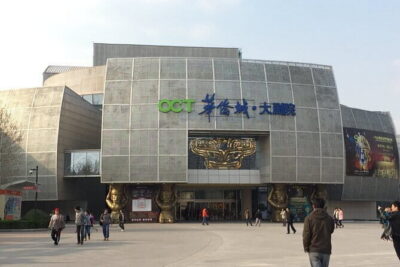
- Inside Yuxiandu: Exhibition Space Meets Tasting Space
- What’s Served: The Set Menu, Course by Course
- Snacks and Appetizer Platter
- Braised Sea Cucumber with Fish Maw in Casserole
- Marinated Tofu and Bamboo Shoots
- Roast Duck with Jujube Wood
- Chinese Cabbage in Soup
- Roasted Lamb
- Longevity Noodles with Poached Eggs
- Deep-Fried Dough Sticks (Youtiao) with Milk
- Yoghurt Filled with Honey
- Why the Performances Feel Like Part of the Meal
- Price and Value: Is $150 Worth It?
- Practical Tips for Booking and Showing Up
- Who This Fits Best
- Should You Book This Beijing Royal Banquet?
- FAQ
- How long is the Beijing Royal Banquet?
- What is the price per person?
- Where is the meeting point?
- Is Chinese cultural performance included?
- What food is included in the royal banquet?
- Do I get to skip the line?
- What time should I arrive for lunch?
- What time should I arrive for dinner?
- What languages are used by the host or greeter?
- What’s the cancellation policy?
Key Moments Worth Marking on Your Radar
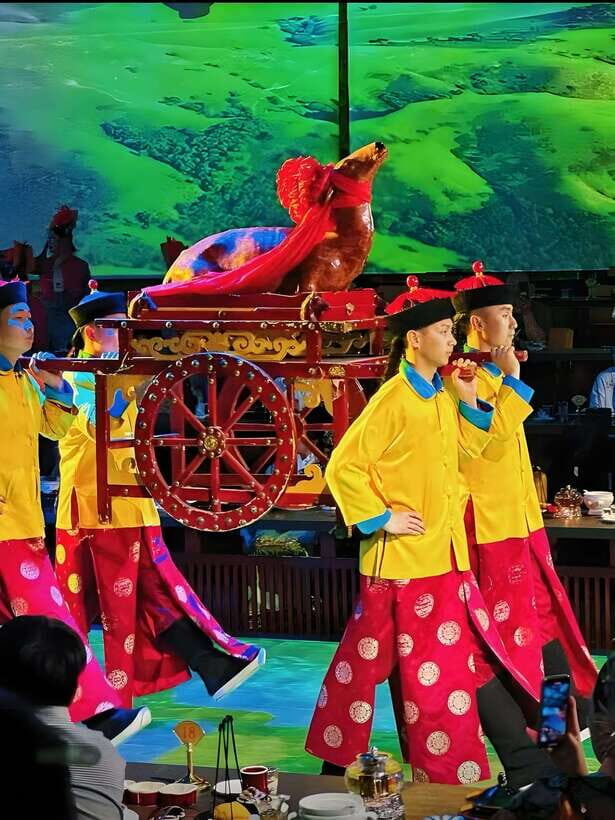
- Royal-cuisine museum spaces: you get an exhibition area around 1,500 square meters, then move into a tasting zone over 10,000 square meters
- Celebrity and politician spotlight: this is the kind of event that attracts big-name visitors, so the atmosphere feels formal
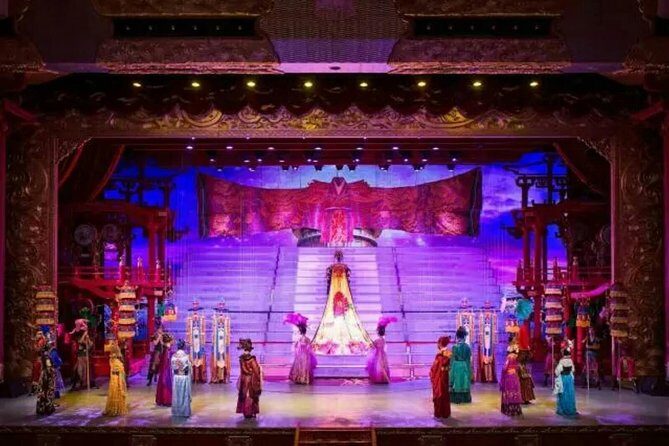
- A performer-ready dining format: cultural performances are built into the experience, not tacked on afterward
- Legendary-style courses: braised sea cucumber with fish maw, roast duck with jujube wood, roasted lamb, and longevity noodles
- A sweets-and-savers finale: deep-fried dough sticks with milk and honey-filled yogurt close the loop
How the Royal Banquet Runs in 2.5 Hours
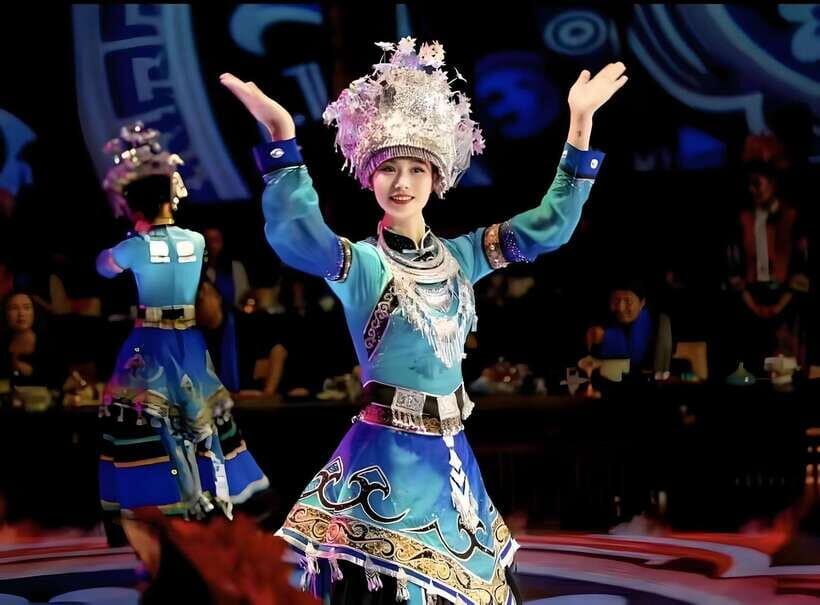
This experience is built like a show-with-dinner. You’re not just “eating Chinese food,” you’re moving through a themed royal-cuisine setting that’s designed to feel ceremonial. The whole thing lasts 2.5 hours, which is a sweet spot in Beijing: long enough to enjoy multiple courses and performances, short enough that you can still keep the rest of your day open.
The format also matters for your comfort. Instead of wandering around trying to figure out what comes next, you get a structured banquet flow. That’s helpful if your Mandarin is limited, since the event is hosted or guided by staff who speak Chinese and English.
One more practical plus: there’s a separate entrance for skip-the-line entry. In a busy city, that’s not a small deal. It reduces the “waiting around” feeling that can drain energy before a meal.
You can also read our reviews of more tours and experiences in Beijing.

Inside Yuxiandu: Exhibition Space Meets Tasting Space
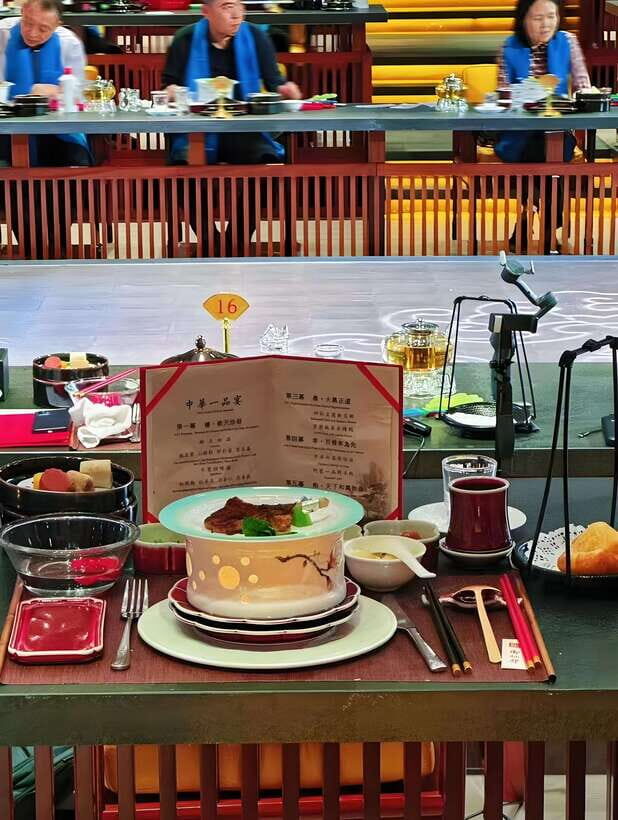
The venue is called Yuxiandu, and it’s organized in a way that explains the meal’s theme. First, there’s a royal cuisine historical and cultural exhibition area of about 1,500 square meters. Then you shift into a royal cuisine tasting experience area of more than 10,000 square meters.
Why this matters: the exhibition space helps you understand what you’re about to eat. Even if you don’t catch every single detail, the setup signals that the dishes are treated like more than just food—they’re part of a curated royal-cuisine story. You’re going to notice this especially with the course lineup, because the menu leans into dishes that feel “court-style” by reputation.
There’s also a modern angle that you don’t always see with themed dining. The central kitchen is described as transparent, green, environmentally friendly, and energy-saving. In plain terms: they want you to feel confident about how the meal is prepared, not just impressed by presentation.
What’s Served: The Set Menu, Course by Course
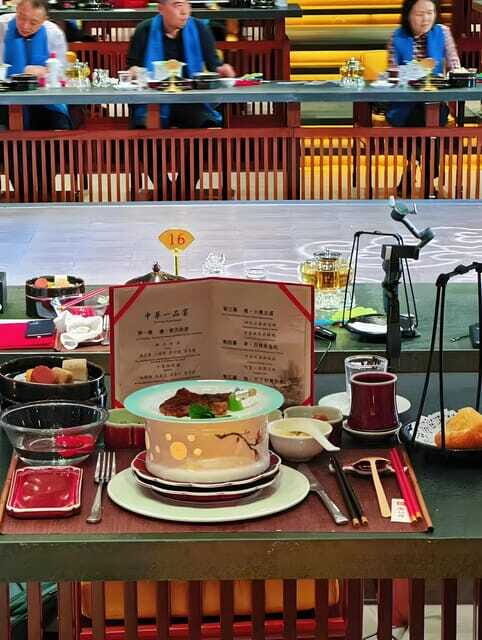
This banquet is a sequence of dishes that reads like a greatest-hits album of classic Chinese banquet items. Here’s what you can expect as part of the royal banquet, with a quick sense of what each course is really doing for the experience.
Snacks and Appetizer Platter
You start with snacks and an appetizer platter. This early stage matters because it warms up your appetite without overwhelming you right away. For many people, it’s the moment you start paying attention to the “royal” theme in flavor and portion style—this meal isn’t random; it’s paced.
Braised Sea Cucumber with Fish Maw in Casserole
One of the signature dishes is braised sea cucumber with fish maw in casserole. This is the kind of item that often symbolizes status in Chinese cuisine traditions. If you like rich, slow-cooked textures and you don’t mind a hearty mouthfeel, this course is a highlight.
A practical note: if you’re not a fan of seafood delicacies or gelatinous textures, you might feel challenged here. The banquet format means this dish is part of the full sequence.



Marinated Tofu and Bamboo Shoots
After the rich casserole, you get marinated tofu and bamboo shoots. I like this pairing because it usually brings a different texture and a slightly cleaner palate. Bamboo shoots also help add crunch and a foresty, earthy note—great when you want variety in the middle of a long meal.
Roast Duck with Jujube Wood
Then comes roast duck with jujube wood. Roast duck is already a crowd-pleaser, but the jujube wood detail adds a specific style of aroma. Expect a deeper, slightly sweet-smelling roast profile compared with plain smoky roasting.
This is the moment where the event earns its royal reputation. Duck is the kind of dish people remember, and this one’s tied to the theme with that wood-smoking element.
Chinese Cabbage in Soup
Next you’ll have Chinese cabbage in soup. Soup courses in banquets often do one job: reset your palate. Cabbage tends to taste lighter than richer mains, so it helps you keep eating without feeling stuffed halfway through.
Roasted Lamb
After the duck-and-soup rhythm, you get roasted lamb. Lamb is a bold pivot in a meal like this. If you enjoy savory, aromatic roasted flavors, you’ll likely find this course satisfying.
If you usually avoid stronger meat flavors, check your comfort level before booking—this is a set menu, so the lamb is part of the experience whether you’re a fan or not.
Longevity Noodles with Poached Eggs
Then it’s longevity noodles with poached eggs. The “longevity” idea fits the cultural framing of the event. Noodles also act like a comfort-food anchor: warm, filling, and easy to eat even when the rest of the menu gets more complex.
Deep-Fried Dough Sticks (Youtiao) with Milk
A classic-style snack appears near the end: deep-fried dough sticks (youtiao) with milk. This is a nice bridge between savory courses and the sweeter finale. The contrast—crisp outside, soft inside with the milk—usually works well for people who enjoy traditional breakfast flavors.
Yoghurt Filled with Honey
Finally, there’s yoghurt filled with honey. This sweet finish keeps the banquet feeling complete rather than ending abruptly. It also gives you a lighter ending compared with heavier desserts.
Why the Performances Feel Like Part of the Meal
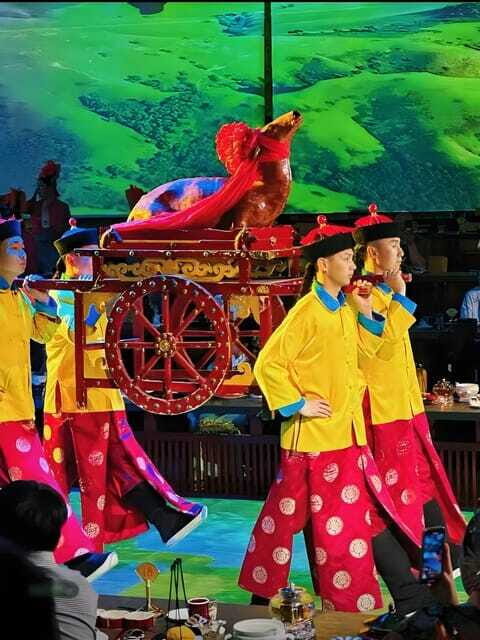
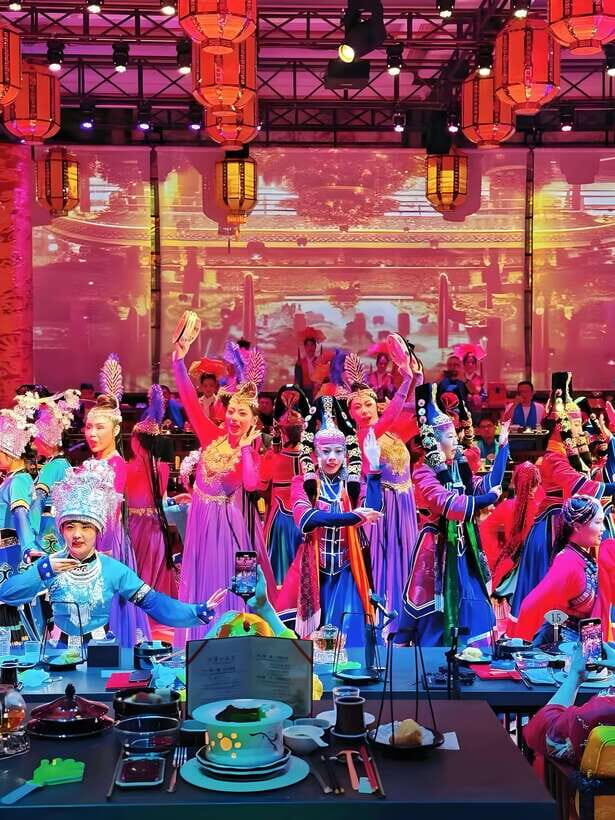
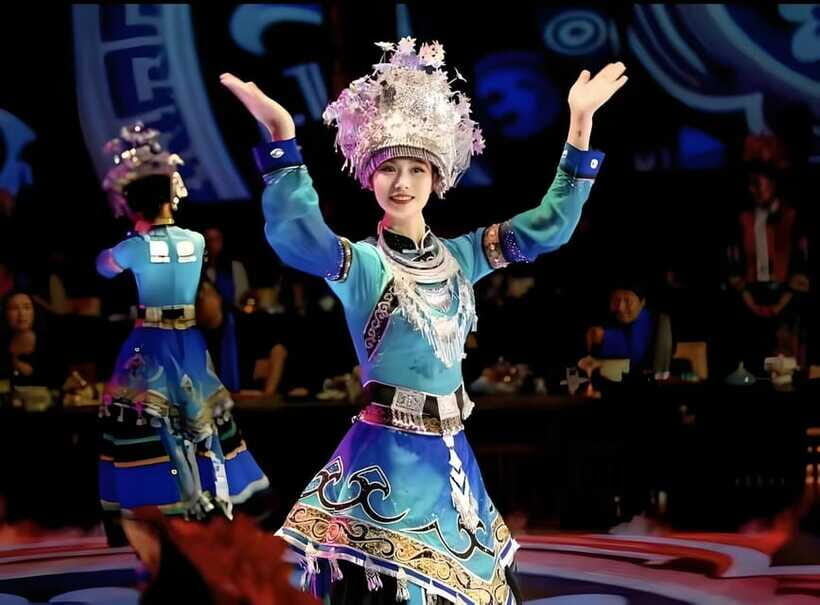
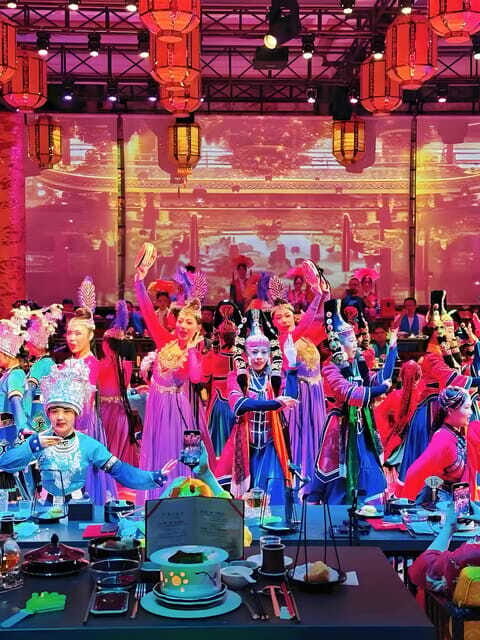
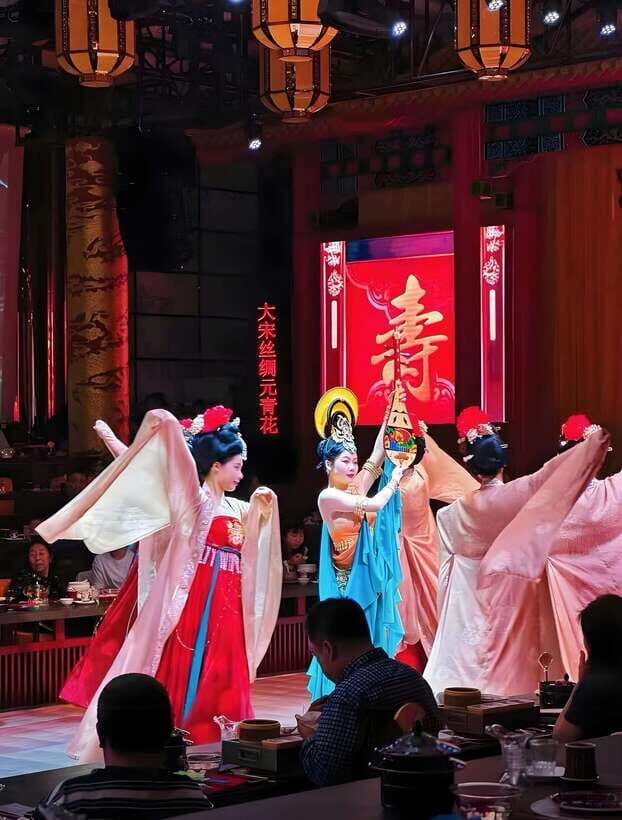
The big highlight is that you’re watching Chinese cultural performances as part of the dining experience, not after you’re finished. That’s important. When performances are built into the timeline, they become a pacing tool. You eat, watch, then eat again—your attention keeps shifting in a way that makes 2.5 hours feel smoother.
Also, the event is described as visited by many celebrities and politicians, which is a clue about the atmosphere they’re aiming for: polished, formal, and ceremony-like. You’ll likely feel that in the way the banquet is presented and the overall sense of occasion.
I’d treat it as both culture and food. If you’re only there for the food, you might still enjoy it—but if you like performances, court-style presentation, and learning by watching, the event lands better.
Price and Value: Is $150 Worth It?
At $150 per person, the question is whether you’re paying for food alone—or for an entire themed experience.
Here’s the value case I see:
- You get a multi-course royal banquet with a strong lineup, not just a couple dishes.
- You get access to a venue that includes both cultural exhibition space and a large tasting area.
- You get performances, plus a formal event atmosphere tied to high-profile visitors.
- You get a practical logistics perk: skip-the-line via a separate entrance.
If you compare this to basic restaurant dining, $150 is high. But if you compare it to a full guided cultural evening with set courses, it becomes more reasonable. The biggest factor is your taste tolerance for set-course banquet cooking—if you like trying dishes like sea cucumber and fish maw, you’re very likely to feel you got your money’s worth.
Practical Tips for Booking and Showing Up
This is the kind of meal where timing affects your stress level.
- If you’re going for lunch, arrive before 11:15.
- If you’re going for dinner, arrive before 18:15.
- Your meeting point is No. 117, West Fourth Ring North Road, Haidian District, Beijing, China.
The event is wheelchair accessible, and the staff/host provide Chinese and English support. After you book, you should receive a confirmation email with guidelines, so it’s worth checking that message before you head out.
One more small tip: since this is a set banquet, consider your own comfort with richer foods. The menu includes items that many people treat as special-occasion dishes—amazing if you enjoy that style, less fun if you’re looking for light and casual.
Who This Fits Best
This royal banquet is a great fit if:
- You want a single evening that mixes museum-style culture with a major meal
- You’re curious about royal cuisine flavors and traditions
- You like structured dining experiences with performances woven in
It may be less ideal if:
- You need lots of choice or customization in what you eat
- You dislike seafood delicacies or strong roasted meat flavors
- You’re on a tight schedule and can’t handle a full 2.5-hour block
Should You Book This Beijing Royal Banquet?
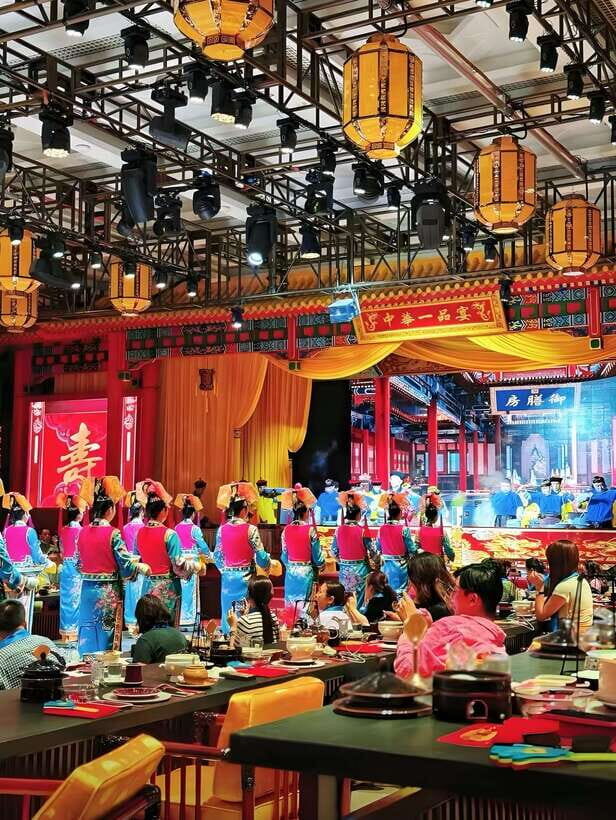
If you’re the kind of traveler who likes your meals to feel like an event—part culture, part performance, part food—this is a strong booking. The set menu is clearly meant to impress, and the venue design (exhibition area plus large tasting space, plus the transparent central kitchen idea) makes the experience feel intentional rather than purely theatrical.
But if you’re picky about foods like sea cucumber/fish maw or lamb, or you hate being locked into a fixed course order, you may end up spending $150 to eat things you don’t love. In that case, you might be happier with a la carte dining.
FAQ
How long is the Beijing Royal Banquet?
It lasts 2.5 hours.
What is the price per person?
The price is $150 per person.
Where is the meeting point?
The meeting point is No. 117, West Fourth Ring North Road, Haidian District, Beijing, China.
Is Chinese cultural performance included?
Yes. The experience includes Chinese cultural performances.
What food is included in the royal banquet?
The included dishes are snacks and an appetizer platter, braised sea cucumber with fish maw, marinated tofu and bamboo shoots, roast duck with jujube wood, Chinese cabbage in soup, roasted lamb, longevity noodles with poached eggs, deep-fried dough sticks (youtiao) with milk, and yoghurt filled with honey.
Do I get to skip the line?
Yes. There is skip-the-line entry through a separate entrance.
What time should I arrive for lunch?
Please arrive before 11:15 for lunch.
What time should I arrive for dinner?
Please arrive before 18:15 for dinner.
What languages are used by the host or greeter?
The host or greeter speaks Chinese and English.
What’s the cancellation policy?
You can cancel up to 24 hours in advance for a full refund.