REVIEW · WUHAN
Customized Private Wuhan Day Tour (10 attractions to choose / Not group tour)
Book on Viator →Operated by Rafiq in Wuhan · Bookable on Viator
Wuhan can feel huge. This private day plan makes it feel organized, with choice built in. I like that you get a real local touch with Rafiq (30+ years in Wuhan) guiding the day, and I also like the flexibility of picking 4 of 8 major sights so you’re not stuck doing what you don’t care about. One thing to keep in mind: the day is time-efficient, so it can feel a bit full if you want long, slow stays everywhere.
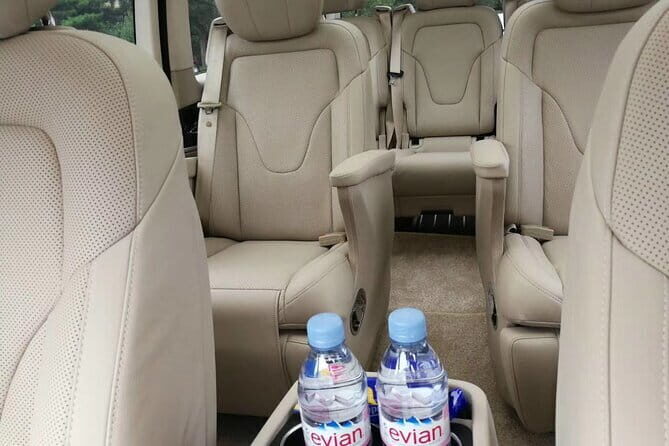
You’ll ride in a private, air-conditioned car with pickup offered from Wuhan downtown hotels, and you’ll get a mobile ticket plus bottled water and a cup of Chinese tea. The route covers the big mix: iconic views (Yellow Crane Tower, Yangtze Bridge), signature nature (East Lake), major culture (Hubei Provincial Museum), river life (ferry), campus architecture (Wuhan University), and two very different temples before finishing with Wuhan food streets.
In This Review
- Key things that make this tour work well
- A flexible Wuhan highlight day: how the choice fits your time
- Price and value: what $280 per person really buys
- Yellow Crane Tower: classic views and a park that rewards walking
- East Lake: the Wuhan nature break that doesn’t feel like a side quest
- Hubei Provincial Museum: the artifacts stop that can steal the whole day
- Wuhan Yangtze River Bridge: engineered history plus photo time
- Yangtze River ferry from the Beach Park area: real river life in motion
- Wuhan University: architectural beauty and cherry-blossom timing
- Guiyuan Temple vs. Gude Temple: two temples with different moods
- Guiyuan Temple: the 500 golden Arhats and New Year energy
- Gude Temple of Hankou: Eurasian-Buddhist mix in a tucked-away spot
- Hubu Alley and Jiqing Street: snack streets that end the day the Wuhan way
- Hubu Alley: short, historic, and noodle-focused
- Jiqing Street: daytime stroll, evening lights, and time-honored brands
- Tea time, tickets, and pacing: the small stuff that makes the day smoother
- Who this tour is best for (and who should think twice)
- Should you book this private Wuhan day tour?
- FAQ
- How many attractions can I choose on this private Wuhan day tour?
- Is this a group tour?
- What does the price include?
- Are admission tickets included?
- Do you include lunch or dinner?
- Where do pick-ups happen?
Key things that make this tour work well
- Choose 4 of 8 sights, then add one food-street stop (Hubu Alley or Jiqing Street)
- Private car, private guide/driver means your pace stays yours
- Local stories plus photo help from Rafiq, who’s been in Wuhan for decades
- Strong history stop at Hubei Provincial Museum, including famous artifacts and instruments
- Tea and snack streets build in everyday Wuhan flavor, not just monuments
- Admission tickets are included for the places in the plan you select
A flexible Wuhan highlight day: how the choice fits your time
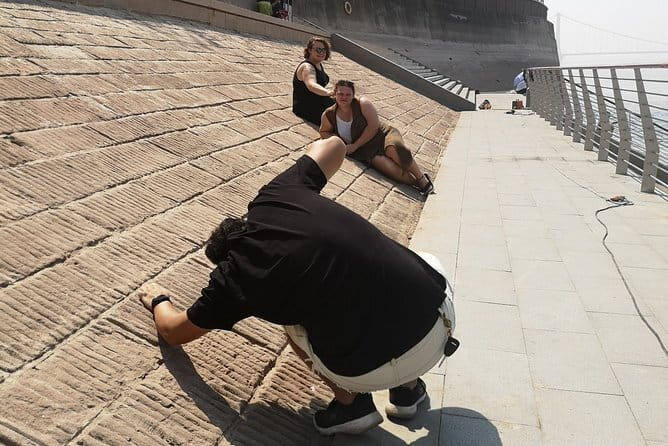
This isn’t a group tour. It’s built as a custom private day where you choose what your priority looks like. The core menu has 8 major options: Yellow Crane Tower, East Lake, Hubei Provincial Museum, Wuhan Yangtze River Bridge, Yangtze River Ferry (Beach Park area), Wuhan University, Guiyuan Temple, and Gude Temple of Hankou.
From that set, you select 4. Then the tour also arranges one of the two food-street areas: Hubu Alley or Jiqing Street. That structure matters because it prevents the usual problem with one-day city tours: spending too long on places you didn’t ask for.
The day runs about 6 to 8 hours, so think of it as a fast, well-paced “greatest hits” day with just enough freedom to make it feel personal.
Price and value: what $280 per person really buys
At $280 per person, you’re paying for more than a driver. You’re paying for a private, English/Chinese-speaking guide + driver, an air-conditioned car, hotel pickup/drop-off within Wuhan downtown hotels (no pickup beyond Wuhan Third Ring Road), bottled water, and tea.
You’re also not wrestling with admission logistics for the selected stops, since ticketing is included for the featured venues in the itinerary. And because it’s a private tour, you avoid the delays that come from group timing—when everyone has to move at the same speed, and someone always needs more time.
The trade-off is simple: lunch/dinner isn’t included, and the pickup zone is limited. If you’re staying outside the downtown area, you’ll want to plan around that before you book.
Yellow Crane Tower: classic views and a park that rewards walking
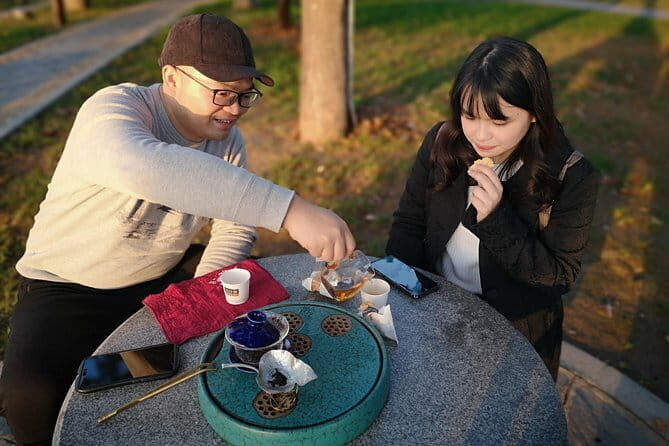
Yellow Crane Tower is the kind of Wuhan landmark that shows up in childhood stories and postcard photos. The key experience here is the viewpoint: from the tower you can see Hanyang district, Hankou district, and Wuchang district spread out in your line of sight. It’s one of those places where the city stops being theoretical and turns into geography.
What I like about how this stop is set up is the added time for the Yellow Crane Tower Park. The listing highlights winding paths leading to quieter spots. That’s a practical win: even if you hit busier hours around the main area, you still have space to move into calmer corners.
Practical consideration: this is a walking-and-looking stop. If you’re not into stairs or you want a very relaxed pace, you’ll want to tell Rafiq early so he can pace you around the viewpoints.
East Lake: the Wuhan nature break that doesn’t feel like a side quest
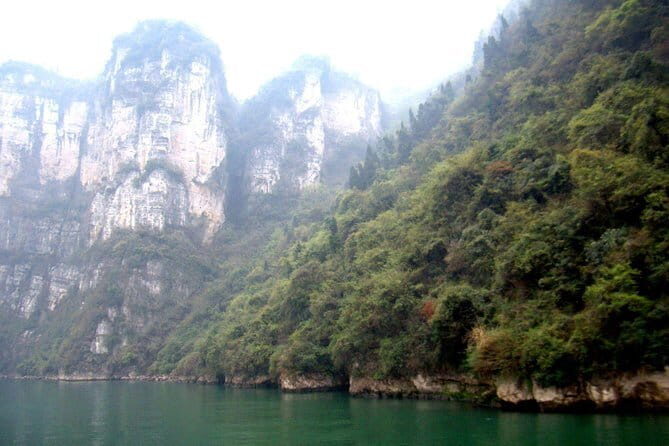
East Lake is Wuhan doing nature in a big way. The plan is straightforward: stroll the lakeside and take in willows, a lotus pond, and stone bridge views. The good part is how “slow” the lake can make time feel—there’s a chance to rest on stone benches and watch the light shift toward sunset.
You might also see wild ducks in the water area, which gives the scene a lived-in feeling instead of a staged one. And because this stop is timed at about 1 hour 30 minutes, it’s long enough to actually enjoy the lake, but short enough that it doesn’t hijack the whole day.
Practical consideration: bring a layer if the weather is changeable. East Lake can feel cooler near the water, and you’ll be outside for part of the time.
Hubei Provincial Museum: the artifacts stop that can steal the whole day
If you want one stop that upgrades your entire Wuhan understanding, this is it. Hubei Provincial Museum focuses on objects tied to major periods of Chinese history, and the plan calls out several standout items:
- Bamboo slips used in the Qin Dynasty
- The Sword of Goujian
- Chime bells from the Tomb of Marquis Yi of the Zeng State (called the most complete set in China)
- A blue-and-white plum vase from the Yuan Dynasty
This isn’t just a “see a hall and walk out” museum stop. The listing makes it clear the chime bells are a major highlight, and that alone is worth giving the museum your best attention.
Practical consideration: museums work best when you’re not rushing. With only about 1 hour 30 minutes here, you’ll want Rafiq to guide you to the key objects quickly rather than trying to read everything at your own pace.
Wuhan Yangtze River Bridge: engineered history plus photo time
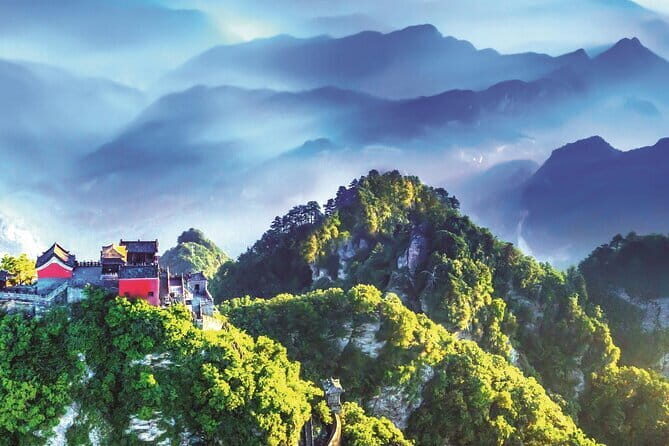
Wuhan Yangtze River Bridge is a landmark built for both road traffic and railway lines. It opened in 1957 and has operated for over 60 years. That long service life changes how you view it: it’s not only a symbol; it’s a working part of daily life.
The experience here is visual and walkable. The bridge offers a panoramic view from the right angles, and the plan includes time to walk along the river beach under/near the bridge area. That walking element matters because it gives you the everyday city mood—local residents going about their business with the river and bridge in the background.
Practical consideration: this is a great photo stop, but your feet will feel it. Wear shoes that handle uneven ground and long walking.
Yangtze River ferry from the Beach Park area: real river life in motion
This stop is where Wuhan becomes physical. The plan describes the ferry as a classic way to cross the Yangtze, with wind in your face and the river scenery changing around you like a moving frame.
One of the best parts is the human texture: you’ll likely see couples, college students, and small vendors along the route. That’s the difference between a viewpoint and a lived experience. You’re not watching Wuhan from above—you’re getting carried through it.
Practical consideration: ferry conditions depend on weather. If it’s very windy or rainy, you may want a light jacket and something to protect your phone/camera.
Wuhan University: architectural beauty and cherry-blossom timing

Wuhan University is famous, but the value here isn’t just the name. The plan points out that it was founded in 1893 and sits by East Lake and Luojia Mountain. You get a mix of Chinese and Western-style campus buildings, and the architectural look is the main reason many people come.
The timing note in the plan is important: in mid-March, cherry blossoms can pull huge crowds. If you’re visiting in that window, plan for it by being ready for more people and more photo lines.
Practical consideration: if you’re not there during blossom season, you’ll still enjoy the campus design, but you’ll want Rafiq to help you choose the best viewpoints so your limited time still feels worth it.
Guiyuan Temple vs. Gude Temple: two temples with different moods
These two religious stops are easy to confuse at a glance—both are temples in the city—but they feel different in the day plan.
Guiyuan Temple: the 500 golden Arhats and New Year energy
Guiyuan Temple was founded in 1658. It’s also described as a major place for locals to pray for blessings, especially during the lunar New Year period. The plan specifically mentions that on the fifth day of the lunar New Year, huge numbers of pilgrims arrive for a ritual called rob the head of incense.
The standout feature is the 500 golden Arhats in the Arhat Hall. It’s the kind of detail that turns into a game: counting them, searching for the next one, and seeing how your luck feels after.
Practical consideration: if you’re visiting near the lunar New Year rush, expect heavier crowds and less quiet time. If you want a calmer visit, you might prefer a different season.
Gude Temple of Hankou: Eurasian-Buddhist mix in a tucked-away spot
Gude Temple of Hankou was founded in 1877, and the plan stresses its unusual architecture—Eurasian religious influences and integration of major Buddhist sects. It’s described as rare among Han Buddhist temples.
It’s also not a “main street” kind of place. The plan says it sits within residential buildings and can be hard to find without locals. That hidden-in-the-city feeling is exactly what makes it interesting: you get a sense of time passing, like the temple is tucked behind today’s noise.
Practical consideration: this stop can be surprisingly easy to miss if you’re trying to self-navigate. In a private tour, that’s a benefit—you won’t lose time hunting.
Hubu Alley and Jiqing Street: snack streets that end the day the Wuhan way
This is your food-and-life finish. The tour includes only one of these: Hubu Alley or Jiqing Street, so choose based on when you want to eat.
Hubu Alley: short, historic, and noodle-focused
Hubu Alley is described as over 400 years old, with about a 150-meter street packed with snack stalls. It’s also called Wuhan’s official snack street in the plan, which tells you it’s built for eating first.
The plan highlights two specific items you can try:
- Re Gan Mian (hot-and-dry noodles)
- Hu Tang Fen (soup noodles with fish paste)
This stop is great if you want a concentrated food crawl without a long wandering session.
Practical consideration: it’s a small street. Go in expecting tight space and lots of action around stalls.
Jiqing Street: daytime stroll, evening lights, and time-honored brands
Jiqing Street works better as a day-to-evening experience. The plan suggests daytime strolling for atmosphere and then returning for the evening energy when lights turn on.
It also points out familiar time-honored brands like Si Jimei and Lao Tongcheng, plus craft stalls you can browse while you snack.
Practical consideration: evenings mean more people. If you want calmer photos, aim for earlier light and let the later hour handle the eating.
Tea time, tickets, and pacing: the small stuff that makes the day smoother
A private day tour lives or dies on the small moments. Here, you get:
- Bottled water to keep you moving
- One cup of Chinese tea per person (green or black tea)
- Mobile ticketing for easier entry
- Pickup and drop-off from Wuhan downtown hotels (within the area supported)
You’ll also get the story side of Wuhan as you move between stops. The plan says Rafiq will tell stories along the way and is good at taking photos. Even if you just care about views, that photo help is practical: it saves you from standing awkwardly at angles trying to figure out what works.
One last pacing note: each stop is slotted at around 1 hour 30 minutes. With 4 sights plus a food street (and travel time), you’ll have a solid experience without getting stuck for hours in a single place.
Who this tour is best for (and who should think twice)
This is a strong fit if:
- You’re doing Wuhan as a one-day or short-stop visit
- You want choice rather than a fixed checklist
- You care about mixing big-name sights with everyday Wuhan food street life
- You prefer a private car and a guide who can adjust on the fly
You might think twice if:
- You’re traveling on a very tight budget and want the cheapest possible option
- You’re hoping for a super slow, museum-reading-every-text kind of day
- You’re staying outside the pickup coverage area (the plan limits pickup to Wuhan downtown hotels and says drop-off isn’t covered outside Wuhan Third Ring Road)
Should you book this private Wuhan day tour?
I’d book it if you want a clean, efficient武汉 day that still feels personal. The combination of Rafiq, private vehicle comfort, and the smart selection approach (pick 4 of 8 plus one snack street) is exactly how you make a short trip feel bigger than its hours.
Choose your 4 sights carefully. If you’re history-leaning, prioritize the Hubei Provincial Museum and pair it with Yellow Crane Tower or Wuhan University for the contrast. If you’re more into scenery, build around East Lake plus bridge-and-ferry time, then finish with Hubu Alley for noodles or Jiqing Street for evening lights. If you like temples, split between Guiyuan Temple for the Arhats and New Year-style ritual energy and Gude Temple for the quieter, tucked-away feel.
If that sounds like your kind of Wuhan day, this tour is a solid value at $280—especially because admissions, tea, and private guidance are part of the package.
FAQ
How many attractions can I choose on this private Wuhan day tour?
You can choose 4 of the 8 major scenic options (Yellow Crane Tower, East Lake, Hubei Provincial Museum, Wuhan Yangtze River Bridge, Yangtze River Ferry, Wuhan University, Guiyuan Temple, and Gude Temple). The tour also includes one of the two food streets: Hubu Alley or Jiqing Street.
Is this a group tour?
No. It’s a private tour/activity, so only your group participates.
What does the price include?
Included items are a private English/Chinese-speaking guide and driver, a private air-conditioned car, bottled water, one cup of Chinese tea per person, and hotel pickup and drop-off for Wuhan downtown hotels.
Are admission tickets included?
The itinerary lists admission tickets included for the stops in the plan. For your selected stops, you should expect admissions to be included as presented in the tour plan.
Do you include lunch or dinner?
No. Lunch or dinner is not included.
Where do pick-ups happen?
Hotel pickup and drop-off are included for Wuhan downtown hotels only. The plan notes that it does not include locations outside Wuhan Third Ring Road.