REVIEW · JIANGMEN
From Guangzhou: UNESCO Watchtowers & Ancient Villages Tour
Book on GetYourGuide →Operated by SKYMATZ RESOURCES LIMITED · Bookable on GetYourGuide
Kaiping doesn’t do quiet. This full-day trip takes you to Diaolou watchtowers over rice fields and into Li Garden, where Chinese gardens and Western villas share the same walls. The story is led by guides such as Tin or Vivian, who keep the history clear and the pace sensible, even when the day runs long.
Two things I really like are the close-up tower walk-throughs (including a chance to climb one) and the way the villages show overseas Chinese influence in everyday space, not just in museum text. The one drawback to plan for is heat and a lot of walking during an 11-hour day, so bring real sun protection and good shoes.
In This Review
- Key things that make this day work
- Why Kaiping’s Diaolou Towers Matter for Your Day in Guangdong
- Getting Out of Guangzhou: Pickup, Group Size, and a Real 11-Hour Day
- Zili Village Diaolou Cluster: Rice Paddies, Tower Views, and Street-Level History
- Li Garden: Overseas Chinese Wealth in Koi Ponds and Western-Style Villas
- Chikan Old Town Optional Stop: Qilou Arcades and Riverside Everyday Life
- Majianglong Diaolou Village Optional Stop: Bamboo Paths, Canals, and a Quieter Finish
- Price and What You’re Really Getting for $365
- Food, Heat, and Practical Comfort Tips for an 11-Hour Day
- Languages, Guides, and How to Get the Most Out of the Explanations
- Who Should Book This Tour (and Who Should Skip It)
- Should You Book This UNESCO Diaolou Day Trip from Guangzhou?
- FAQ
- What sites are included in the ticket price?
- If I choose Chikan Old Town, how much does it cost?
- How long is the tour from Guangzhou?
- Is lunch included?
- Do I need to bring ID?
- What languages are available for the guide?
- Is the tour wheelchair accessible?
Key things that make this day work
- UNESCO Kaiping Diaolou: defense, home, and status in one tower design
- Zili Village towers + rice paddies: photogenic routes and a view from up high
- Li Garden’s Chinese-West mix: koi ponds, rockeries, and European-style villas
- Qilou arcades in Chikan Old Town: Western-style lower floors with Chinese facades above
- Majianglong’s bamboo-and-water calm: quiet stone paths and canals for a slower finish
- Small group size (1–6): you get more attention when questions come up
Why Kaiping’s Diaolou Towers Matter for Your Day in Guangdong
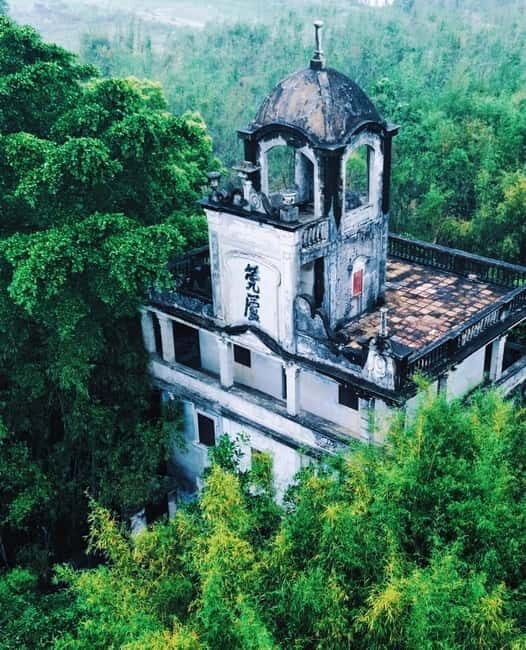
Kaiping’s Diaolou watchtowers are one of those places where architecture explains people. Built in the late 19th and early 20th centuries by overseas Chinese families, these multi-storey towers were meant for defense, but they were also where status and wealth showed.
On this tour, you’re not just looking from a bus window. You walk among the towers at ground level, see how they connect to village life, and get a guided explanation of how families used them when they were protecting relatives or maintaining community standing.
This is also UNESCO-listed, which matters because it signals more than “pretty buildings.” It’s a whole heritage system tied to migration, trade, and return—things you can actually see in the shape, position, and style of the towers and gardens.
Getting Out of Guangzhou: Pickup, Group Size, and a Real 11-Hour Day
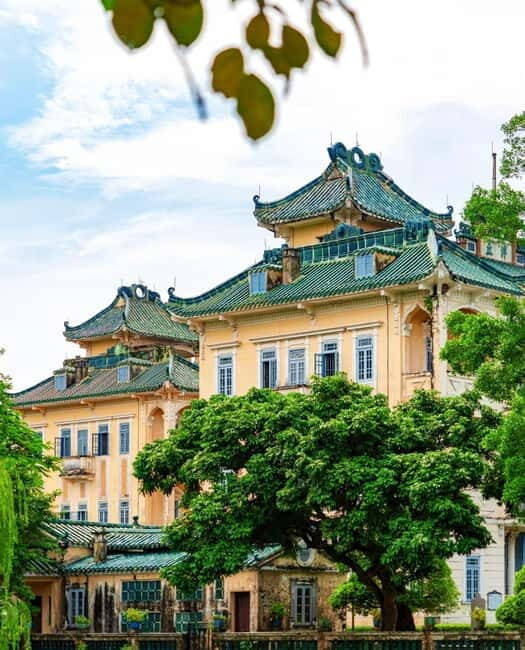
Your day starts with pickup from central Guangzhou, and the operator says you can be picked up from anywhere in the city. They’ll confirm details the evening before, which helps you avoid the usual day-of scramble.
The tour runs about 11 hours, and the places you’ll visit are far enough that you’ll feel the clock. That’s why I agree with the common-sense advice to start earlier if you can—when you leave late, you lose some calm time for photos and slower walking between sites.
With a group size of 1–6, you also get an advantage: the guide can adjust pacing when someone needs a break, or when you want one more photo angle before moving on. It’s still a full day, though, so you’ll want to treat it like a proper hike day, not a casual stroll.
Zili Village Diaolou Cluster: Rice Paddies, Tower Views, and Street-Level History

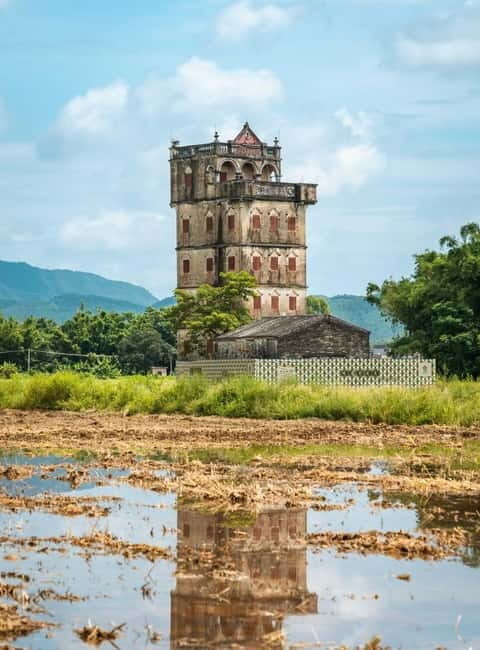
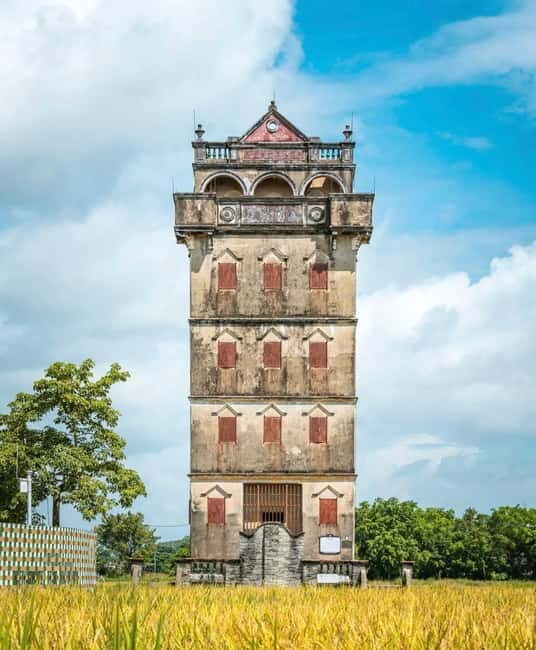
Zili Village is where Kaiping’s Diaolou look their most dramatic. You’ll walk along stone paths between rice paddies, and the towers rise above the fields like watchful neighbors.
What makes this stop satisfying is the combination of closeness and explanation. You won’t just spot towers in the distance; you’ll visit several up close, and you may even be able to climb one to get sweeping views over the surrounding area. That climb is worth it, but it also means you should wear shoes with grip and expect steps.
Your guide will connect the buildings to how families lived and moved. These towers weren’t only military-looking structures. They worked as a blend of protection, dwelling, and prestige—especially for overseas Chinese returnees and the communities they supported.
If you go in late summer, you might catch lotus flowers and even have a chance to try fresh lotus seeds, depending on season and local availability. Either way, Zili’s rice-field setting turns history into something you can see and breathe in.
Li Garden: Overseas Chinese Wealth in Koi Ponds and Western-Style Villas
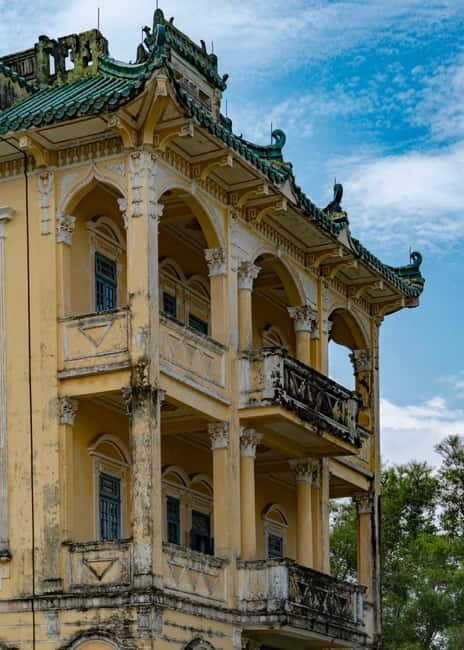
After the open-air tower views, Li Garden shifts the mood. This estate belonged to a wealthy overseas Chinese merchant, and it shows how migration shaped taste—bringing back ideas, materials, and architectural habits from abroad.
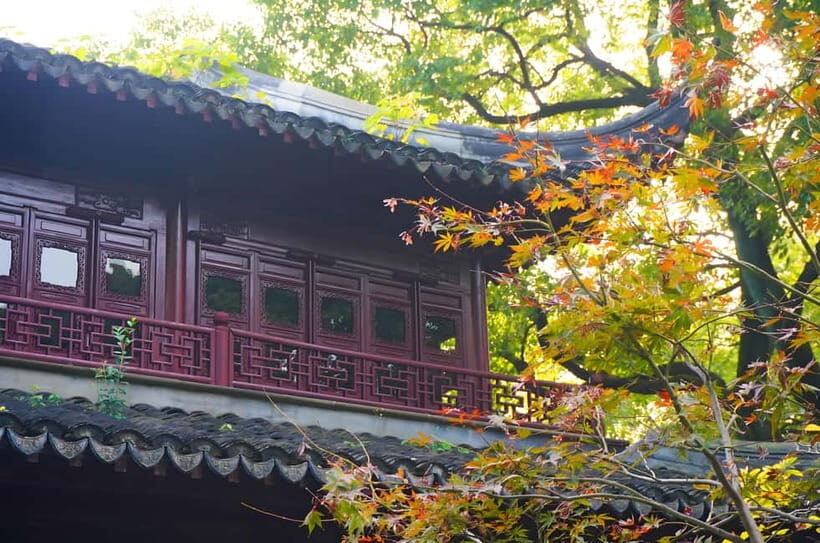
You’ll move through a classic Chinese garden layout—think koi ponds, rockeries, and covered walkways—then notice the Western-style elements on villas and pavilions inside the grounds. The value here isn’t just spotting differences. It’s seeing that the same household could appreciate both a home-style garden tradition and foreign building forms.
Guides also tend to explain the social meaning behind it: wealth wasn’t only money. It was also education, connections, and the ability to build comfortably across cultures. That helps you understand why Li Garden feels both personal and historical.
For your planning, this stop is also a nice contrast to the tower climbs. You’ll still walk, but it’s a more shaded, slower-feeling environment than the open rice fields—useful if you’re trying to manage heat.
Chikan Old Town Optional Stop: Qilou Arcades and Riverside Everyday Life
Chikan Old Town is the option if you want more street atmosphere. It’s a riverside community where returning overseas Chinese helped shape the built environment.
The star feature is the qilou arcade look: lower floors with Western-influenced storefront-style arcades, topped by traditional Chinese facades. In practice, this means you get a two-style visual story stacked into one building—great for photos, but also useful for understanding how commerce and migration blended.
Walking cobbled streets, you’ll pass old storefronts, cafes, and local snack sellers. The drawback is that this option is at your own expense with a ticket cost of 150 RMB per person, and it can add pressure to your time if you’re already feeling the day.
If your goal is architecture plus local flavor, Chikan is a strong pick. If your goal is mostly towers and gardens, you might decide you don’t need extra time in the town lanes.
Majianglong Diaolou Village Optional Stop: Bamboo Paths, Canals, and a Quieter Finish
If you want the calmer option, choose Majianglong Diaolou Village. It’s described as one of the most tranquil Diaolou villages, and the setting supports that mood.
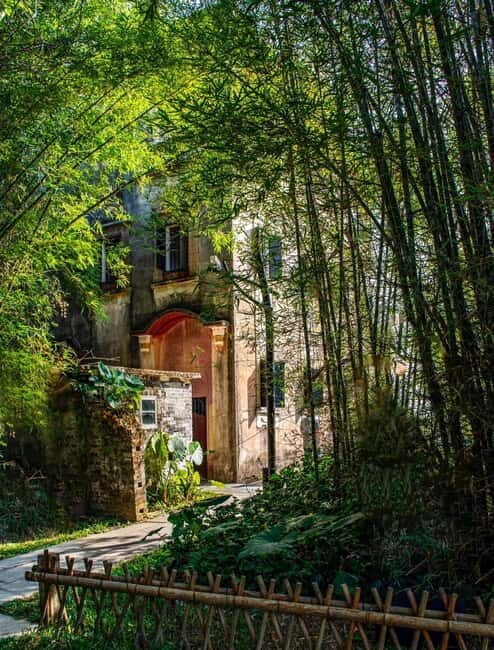
You’ll find bamboo shading, winding stone paths, and canals weaving through the area. The Diaolou towers here feel more integrated with nature than they do in some of the other clusters, which changes the way you experience the buildings. Instead of towers feeling like standalone statements, they feel like part of a slower rhythm between water and footpaths.
This option also has a practical bonus: the tour includes the ticket for Majianglong, while Chikan requires an extra ticket. So if you’re trying to control cost without giving up a meaningful stop, Majianglong is often the cleanest choice.
For timing, it works well as a conclusion to the day, especially if you want one last photo stretch without the same intensity as climbing or the busiest street scenes.
Price and What You’re Really Getting for $365
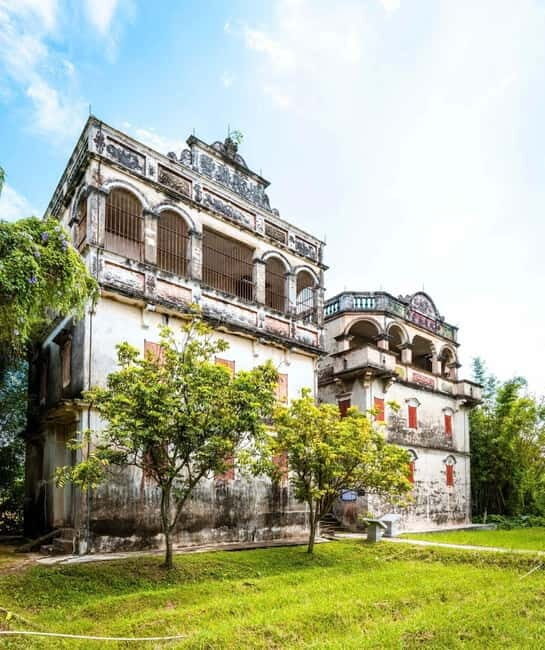
At $365 per person, this tour isn’t a budget half-day. You’re paying for a full-day operation that combines transport, guide time, and entrance tickets for multiple sites.
Here’s what you can count on being included:
- Pickup and drop-off from anywhere in Guangzhou city
- Guided commentary in your selected language
- Tickets for Zili Village, Li Garden, and Majianglong
- One snack and drink during the day
- Group size kept small (1–6)
What’s not included is lunch, so you’ll need to plan on stopping for a meal on your own based on what your guide recommends. Also, if you pick Chikan Old Town, you’ll pay the 150 RMB ticket separately.
When I judge value, I look at how many distinct sites you get in one day and whether you’re moving efficiently between them. Here, you’re seeing UNESCO-linked towers plus two heritage garden/town environments, with optional branching that lets you tailor the day toward calmer nature or more street life. If that mix matches what you want, the price starts to feel more reasonable than it looks at first glance.
Food, Heat, and Practical Comfort Tips for an 11-Hour Day

This trip includes one local snack and drink, but it doesn’t include lunch. That means you should think of the day as a long out-and-back and keep yourself fueled.
Given the long day, the heat is the obvious challenge. One guide gets high marks for being considerate, but even a great guide can’t change the sun. I’d plan for it with a hat, sunscreen, and refillable water if you can swing it.
You’ll also be walking between villages and along paths around towers. Bring shoes you trust on stone and uneven ground. If you’re planning to climb a Diaolou tower when that opportunity comes, shoes with grip matter more than style.
Finally, bring your passport or ID card. The tour explicitly calls for it, and it’s an easy way to avoid a last-minute hassle.
Languages, Guides, and How to Get the Most Out of the Explanations
One underrated part of this tour is that you can choose your guide language. Options listed include Chinese, English, Korean, Japanese, Spanish, French, and Russian, so you should be able to match the day to your comfort level.
The guides Tin and Vivian show up in feedback for a reason: they tend to keep explanations clear and stay attentive. When you’re looking at buildings like Diaolou towers, details matter—why the towers were built, how they relate to return migration, and what you’re seeing in the garden and arcade styles.
If you care about context, this is one of the better ways to spend time out of Guangzhou. It turns what could be a photo trip into a story you understand while you’re there.
Who Should Book This Tour (and Who Should Skip It)
This tour makes the most sense if you want:
- UNESCO Diaolou sites with real guided context
- A mix of towers, garden architecture, and heritage village atmosphere
- A small group day where you can ask questions and move at a human pace
It’s not suitable for wheelchair users, based on the tour information. If mobility is limited, you may want to choose a different Kaiping option designed for accessibility.
Also, if you hate long travel days, note the setup: it’s about 11 hours away from the city center. The best results come when you treat it like a full day with breaks and sun protection planned.
Should You Book This UNESCO Diaolou Day Trip from Guangzhou?
Yes, if you want Kaiping’s overseas-Chinese architecture story in one efficient day. The combination of Zili Village towers, Li Garden’s Chinese-West style, and an optional pick between Chikan’s Qilou arcades or Majianglong’s bamboo calm gives you real choice without turning your day into chaos.
I’d lean toward booking if you like walking and you’re curious about why these buildings look the way they do. And I’d start your day as early as you can so you have breathing room for photos, tower steps, and the garden atmosphere instead of feeling rushed.
FAQ
What sites are included in the ticket price?
The tour includes tickets for Zili Village, Li Garden, and Majianglong Village. Chikan Old Town is optional and has its own ticket cost.
If I choose Chikan Old Town, how much does it cost?
Chikan Old Town costs 150 RMB per person and is not included in the base tour price.
How long is the tour from Guangzhou?
The tour runs for approximately 11 hours.
Is lunch included?
No. Lunch is not included, and your guide will recommend lunch options.
Do I need to bring ID?
Yes. Bring a passport or ID card.
What languages are available for the guide?
Guides are offered in Chinese, English, Korean, Japanese, Spanish, French, and Russian.
Is the tour wheelchair accessible?
No. It’s not suitable for wheelchair users.