REVIEW · KATHMANDU
Kathmandu: Mount Everest Scenic Tour by Plane with Transfers
Book on GetYourGuide →Operated by Himalayan Social Journey · Bookable on GetYourGuide
Everest, from your window, in an hour. This flight is a rare way to see the world’s highest peak without weeks of planning or days of trekking—just an early morning, a short hop from Tribhuvan, and then a nonstop show of giants in the sky. I like that you get a guaranteed window seat, so you’re not stuck hoping for luck. I also love the mountain-spotting help on board, where crew point out what you’re looking at as the plane turns.
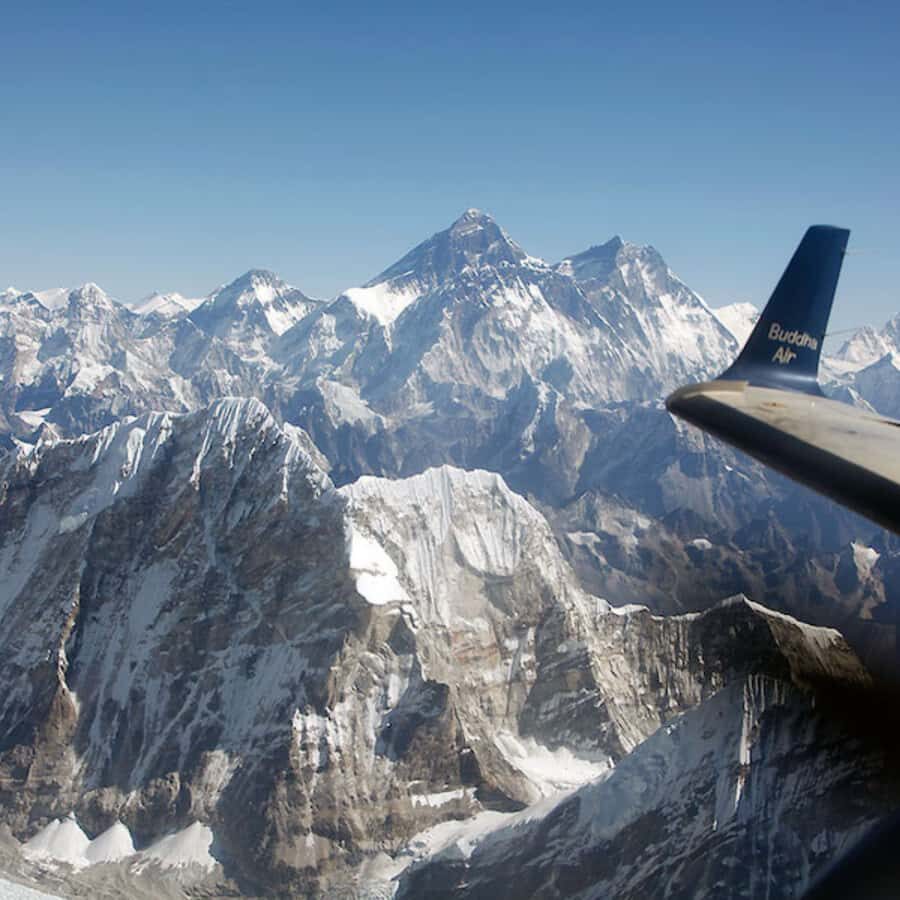
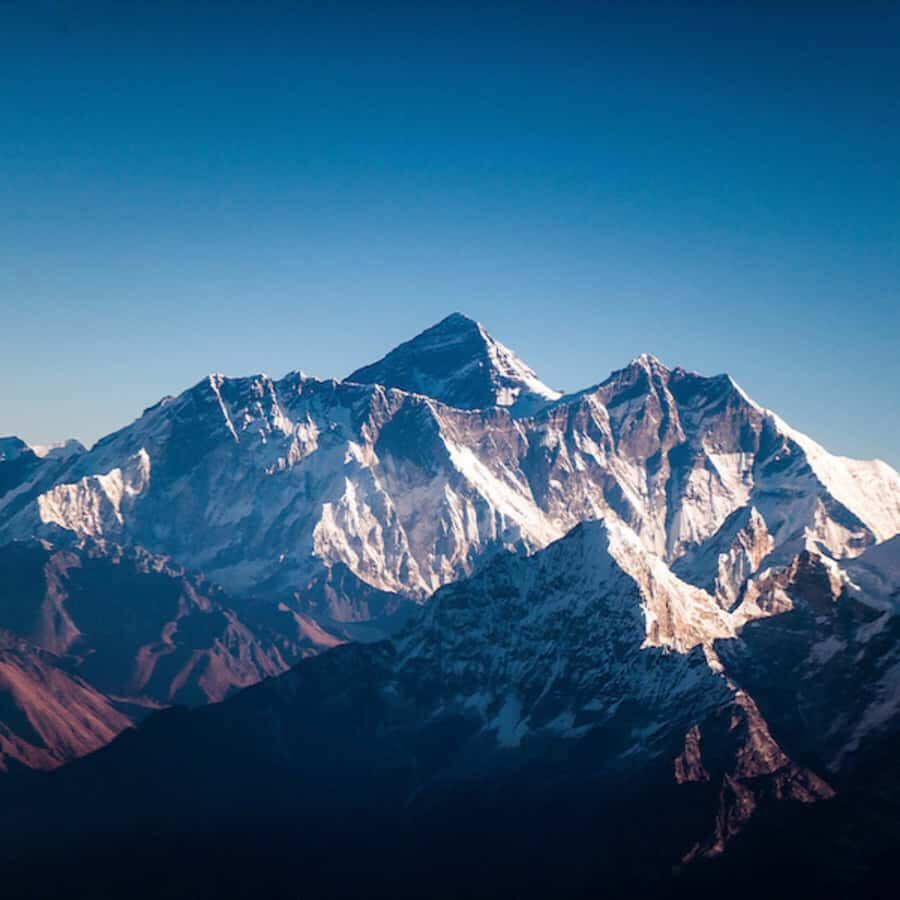
The best part is what you actually see: Everest at 8,848 meters, plus nearby stars like Lhotse, Makalu, and Nuptse—often with glaciers and high-altitude lakes showing below the clouds. You’ll also get a special memento certificate after your flight, which makes the whole thing feel more official than a quick sightseeing spin. One thing to consider: this is weather-dependent, and bad visibility can mean date changes (or delays), so you’ll want a flexible day.
If you’re picturing a long scenic adventure, set expectations: total time is about 2 hours, with roughly an hour in the air. It’s fast, efficient, and very focused—great for first-time visitors, but not a replacement for slow travel in the mountains.
In This Review
- Key Things I’d Bet On Before You Book
- How This Everest Flight Feels in Real Life
- Morning Logistics: From Hotel Pickup to the Domestic Terminal
- The Flight Window: Everest Views and the Peaks Crew Will Call Out
- Why the Cabin Crew’s Commentary Matters So Much
- The Memento Certificate and Packed Meals After Landing
- Price and Value: What $100 Really Buys You
- Weather Rules, Delays, and How to Handle the Only Real Risk
- Who This Everest Scenic Flight Fits (and Who Should Skip It)
- The Real-World Experience: What Good Service Looks Like
- Should You Book This Everest Scenic Tour by Plane?
- FAQ
- Where does the tour start?
- How long is the overall experience?
- What exactly will I see during the flight?
- Do I get a guaranteed window seat?
- Is a certificate included?
- What food is provided?
- What do I need to bring?
- Are food or alcohol allowed?
- What happens if the flight can’t operate due to weather?
Key Things I’d Bet On Before You Book
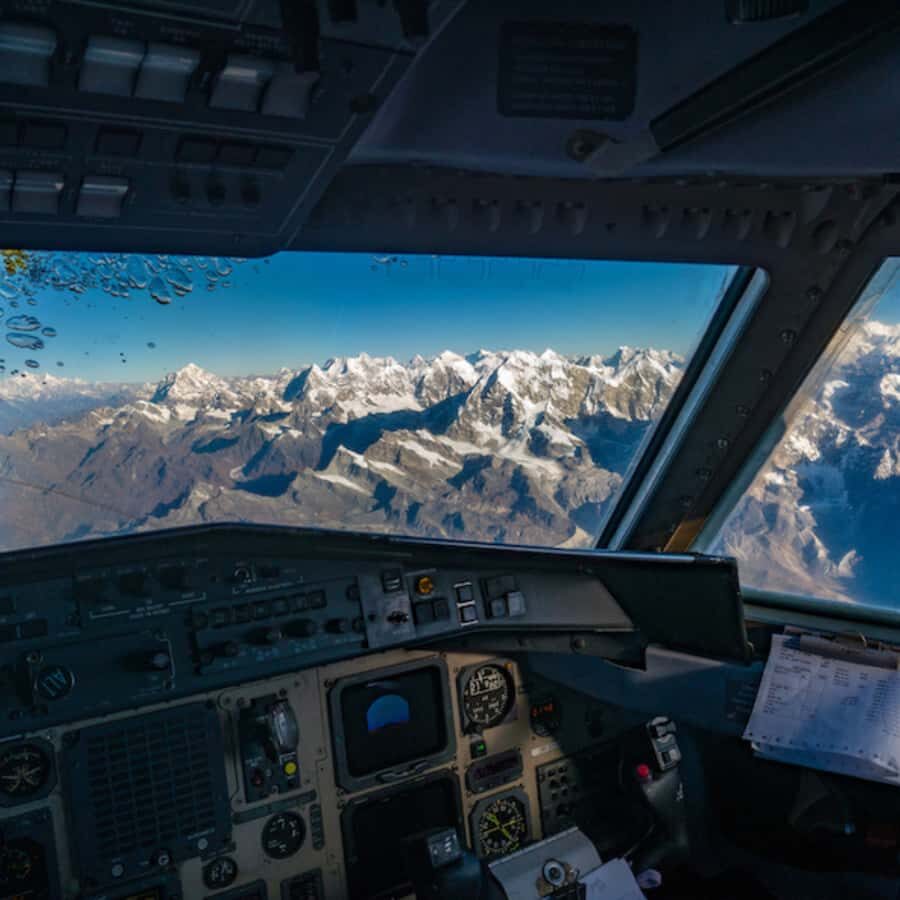
- Guaranteed window seat so you’re guaranteed a view, not a gamble
- Crew-led mountain spotting with updates as you fly past the peaks
- Everest + neighboring giants including Lhotse, Makalu, Nuptse, and more
- Glaciers, moraines, and high-altitude lakes visible when skies cooperate
- Pilot-signed memento certificate plus a packaged breakfast/lunch
- Early-morning, time-tight schedule that keeps the total trip around two hours
How This Everest Flight Feels in Real Life
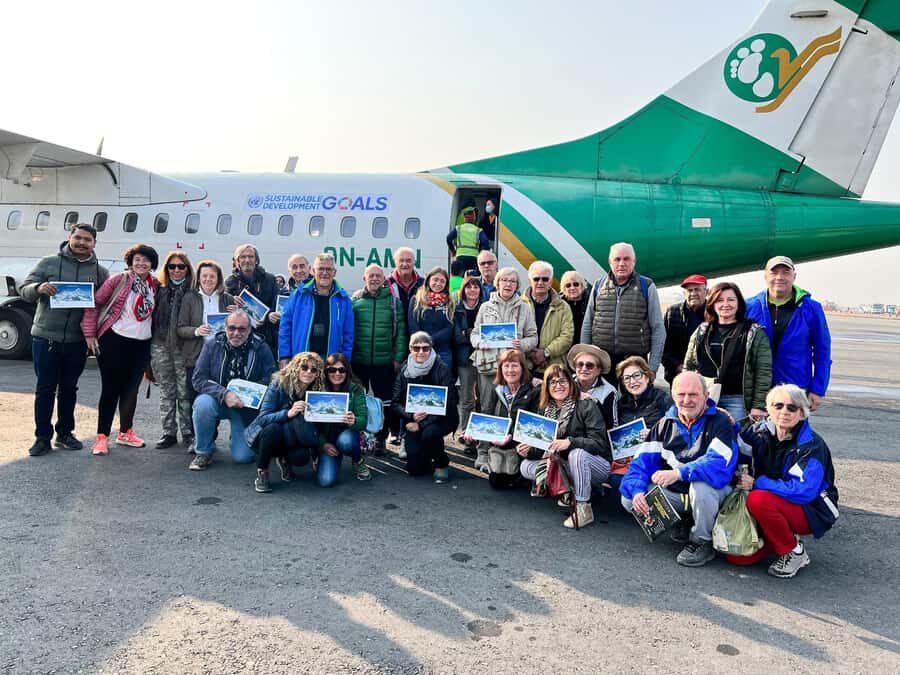
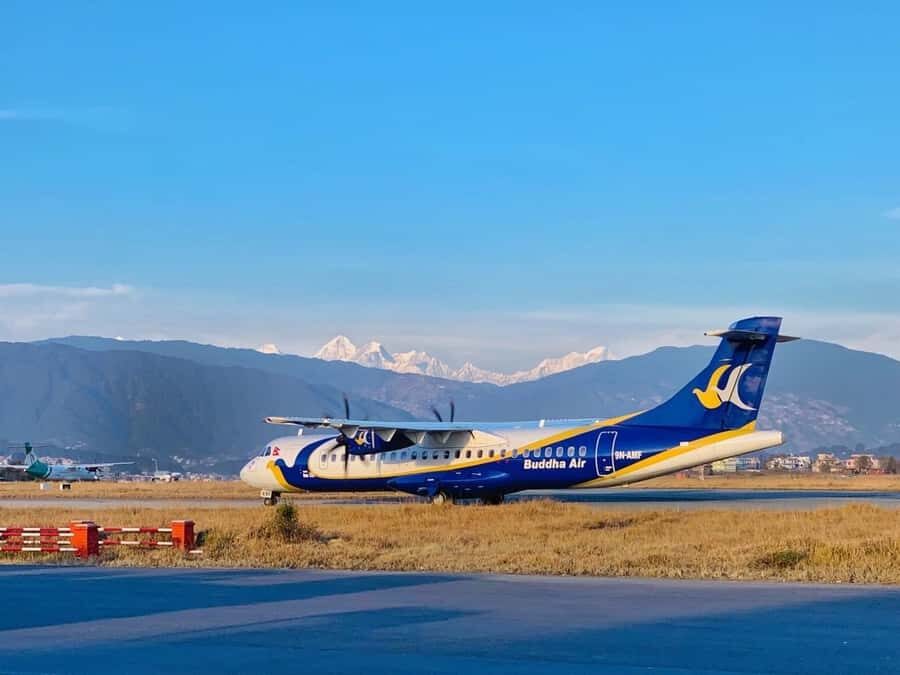
This tour is built around one goal: getting you above the clouds and giving you a clear shot at Everest and its neighbors from the air. From Kathmandu’s Tribhuvan International Airport, you’ll fly over the Everest region for about an hour and see a chain of big names—some close together, some layered farther away.
The value isn’t just that you’re “near Everest.” It’s that you get context while you’re looking. The cabin crew provide help identifying peaks, and that turns random mountains into a connected story: Everest, then what sits beside it, then what drops away into glaciers and valleys. When you know what you’re seeing, the views land harder.
Also, the planning is simple. You don’t need hiking gear, permits, or altitude prep. You just need to show up early, bring your ID, and be ready to look out the window for the entire flight.
Morning Logistics: From Hotel Pickup to the Domestic Terminal
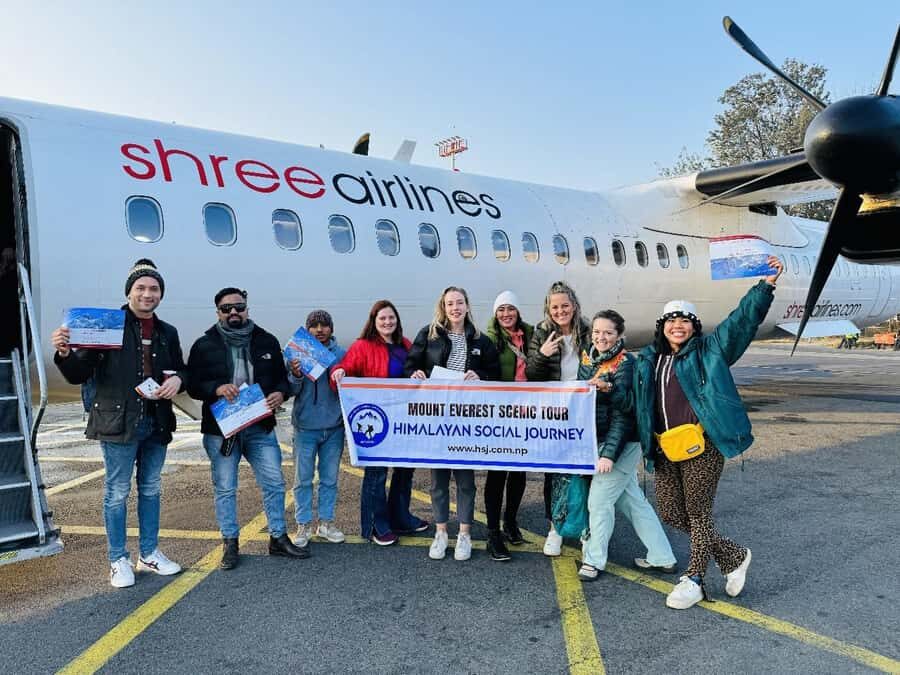
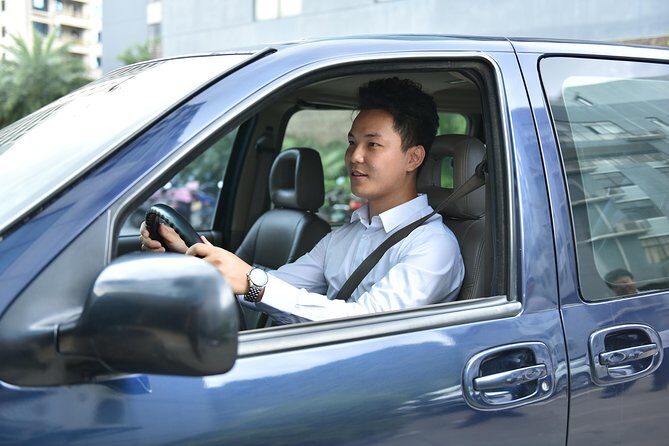
Your morning starts with hotel pickup if you selected it, then a van ride to Tribhuvan’s domestic terminal. In the schedule, you’re typically ready early—wake-up time depends on where you’re staying, and the trip is timed tightly to match flight operations.
Plan on walking around the airport too: once you reach the terminal, there’s check-in, then security, then waiting. One practical reality: flights can run late due to weather, so keep your other day plans loose. The good news is the whole process is designed to be straightforward, and you’ll have an English-speaking driver involved on the ground.
Before you go, make sure you bring:
- Your passport/ID
- A charged smartphone (you’ll want photos ready fast)
And a heads-up on expectations: you won’t be eating a full restaurant breakfast at the airport. You’ll have a packed breakfast/lunch included for after takeoff timing, so you can keep things moving.
The Flight Window: Everest Views and the Peaks Crew Will Call Out
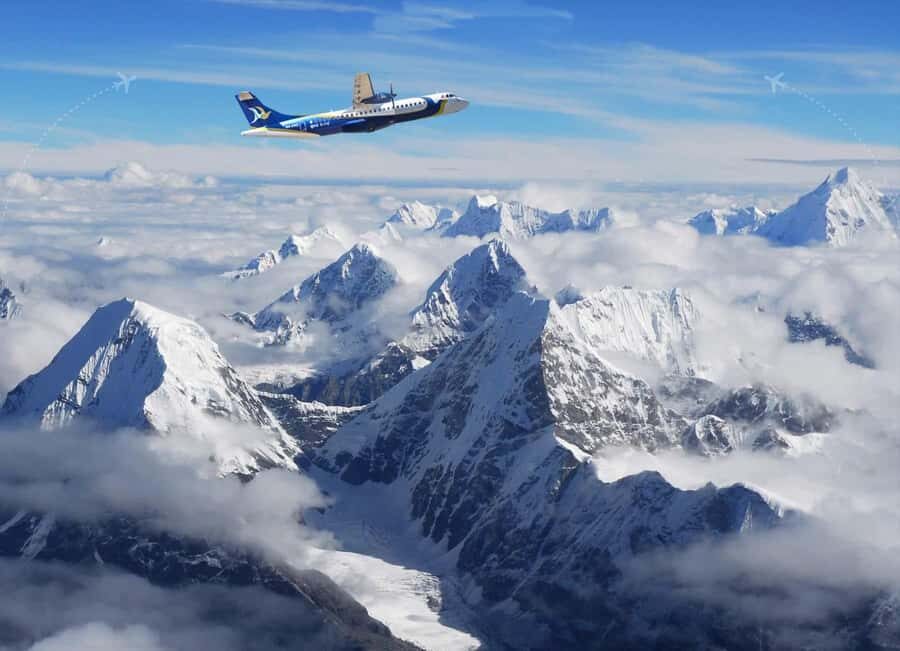
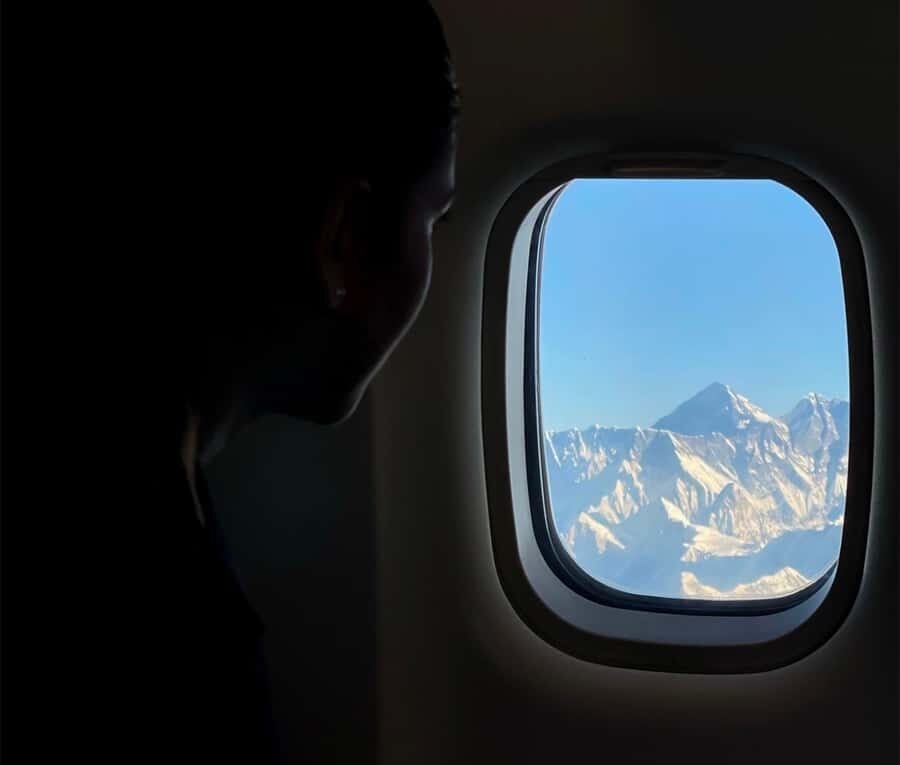
This is the part you’ll remember. Even with an hour in the air, the view changes constantly as the plane follows its route and turns back toward the airport. Several people specifically mention that the most exciting moments often happen when the aircraft changes angle for the return leg, so keep scanning the window during every phase, not just the first pass.
You’ll fly past:
- Mount Everest (8,848 meters)
- Lhotse, Makalu, and Nuptse
- Other peaks that may come into view, including Cho Oyu, Shisha Pangma, Gaurī Shankar, Dorje Lakpa, Melungtse, and more
The flight is designed so you’re not looking at a single peak from one boring angle the whole time. You’ll see glaciers, moraines, high-altitude lakes, and smaller peaks layered below—especially when visibility is clear. When the sky is good, the mountains look close enough to point at.
Two practical tips that matter here:
- Take photos quickly once you identify a peak. The plane moves fast and turns happen without warning.
- If you get a choice of seat position, the right-hand side has been described as giving a closer view during the return turn. Not guaranteed for every flight, but if you can request it, it’s worth trying.
Why the Cabin Crew’s Commentary Matters So Much
This is one of the most praised parts for a reason: when the crew actively point out what you’re seeing, Everest stops being a vague postcard peak. You get names, relative positions, and a sense of scale.
In many flights, the crew use onboard materials like a mountain map or peak guide to help passengers locate what’s outside. People also mention that they can explain what you’re seeing if you ask. That’s not just nice service—it helps you look with purpose instead of staring at mountains you can’t place.
It also helps during those moments when clouds drift in and out. Even if visibility isn’t perfect, you can still track which peak is which and understand why the view changes when the plane banks.
The Memento Certificate and Packed Meals After Landing
After you touch down, you’ll get a special certificate tied to your Everest flight. It’s often described as a neat keepsake because it makes the experience feel official and date-specific, signed after your adventure.
Your timing also includes food. You’re provided with a packed breakfast/lunch, with items listed like croissant, muffin, Danish, cookies, banana, and juice. Don’t treat this like a full meal you linger over—it’s a “fuel you up and keep moving” kind of package, which fits the overall fast pace of the day.
Then it’s back to Kathmandu by van. The round-trip flow is designed to be smooth, without long waits or complicated airport transfers.
Price and Value: What $100 Really Buys You
At around $100 per person, this kind of experience can feel almost too easy. But that’s because it’s a smart trade: you’re paying for time savings, guaranteed viewing, and guided identification—without paying the costs and time of trekking.
Here’s what you’re truly buying:
- A guaranteed window seat, which is usually the hardest thing to secure on random flights
- A flight route tailored for Everest-region viewing
- Onboard identification help from crew
- A certificate plus packed food
- Hotel pickup/drop-off if you selected it
The alternative is rolling the dice on commercial flights and hoping for visibility, seat position, and a view worth the flight. This option reduces the gamble. It’s still weather-dependent, but the experience design is made to maximize your chance of seeing Everest.
If your travel style is “I want the big iconic thing without the long logistics,” this price makes sense. If you hate early mornings and tight timing, you might feel differently—but the cost itself is fairly aligned with what you’re getting.
Weather Rules, Delays, and How to Handle the Only Real Risk
Weather is the main variable here. The experience depends on good conditions, and if it’s canceled due to poor weather, you’ll be offered a different date. That’s the big picture.
One detail worth knowing: in the event of weather cancellation, you may be responsible for airport transfer charges. So if you’re booking separate transport or using rides that aren’t included, it’s smart to plan for that possibility.
Delays can happen too. Even when the weather is fine at takeoff, operations can shift. People have described cases like delays related to flight coordination or visibility checks, but the overall structure stayed organized.
My practical advice: pick a day where you can move plans around. Don’t schedule a tight meeting or a nonrefundable booking that same morning.
Who This Everest Scenic Flight Fits (and Who Should Skip It)
This tour works best for:
- First-timers in Kathmandu who want the Everest hit fast
- People who don’t want trekking gear or altitude changes
- Anyone who values a guaranteed view and wants help identifying peaks
- Travelers with limited time, since the total experience is about two hours
It’s not a match for:
- Pregnant women
- Wheelchair users
One note that’s worth flagging: the activity is marked as wheelchair accessible, yet it’s also listed as not suitable for wheelchair users. If you have mobility needs, you should confirm details directly with the provider before booking so you don’t get surprised on the ground.
If you’re someone who wants a deep, slow mountain immersion, this is more “aerial sightseeing with context” than a long mountain experience. But for many people, that’s exactly the point.
The Real-World Experience: What Good Service Looks Like
This tour is praised for smooth coordination: pickup on time (when selected), clear airport flow, and friendly help from the crew once you’re airborne. People repeatedly mention that crew members provide updates and point out peaks during the flight, which makes the hour feel like much more.
There are also practical process wins:
- Everyone gets a window seat, which reduces frustration
- The flight experience is paced with enough time to absorb what’s outside
- You receive a certificate afterward, which gives closure
Not everything is perfect in every case—airports can be unpredictable, and airport navigation can be confusing for some people. But the overall design aims to keep you from getting lost between check-in counters and the gate.
Should You Book This Everest Scenic Tour by Plane?
If your goal is to see Everest and the surrounding giants without trekking, I think this is a strong book. The big reasons are simple: guaranteed window seats, crew-led peak spotting, and a clear, time-efficient format that fits into a tight Kathmandu stay.
Book it if:
- You want a one-hour flight that feels meaningful
- You can handle an early start
- You’re flexible with weather changes
Skip or reconsider if:
- You dislike early mornings and tight schedules
- You’re relying on fixed plans that can’t move if visibility is poor
- You have mobility needs and haven’t confirmed how the pickup and airport process will work
For many travelers, this is one of the easiest ways to make Everest real—without needing more days than you have.
FAQ
Where does the tour start?
You meet at the Domestic Terminal, Tribhuvan International Airport.
How long is the overall experience?
The full experience is listed as 2 hours, with about 1 hour spent on the Everest scenic flight.
What exactly will I see during the flight?
You’ll fly past Mount Everest and may also spot neighboring peaks such as Lhotse, Makalu, and Nuptse, plus glaciers and high-altitude lakes when visibility allows.
Do I get a guaranteed window seat?
Yes. You’re included with a guaranteed window seat.
Is a certificate included?
Yes. You receive a special memento certificate after your Everest adventure.
What food is provided?
You get a packed breakfast/lunch, with items listed such as croissant, muffin, Danish, cookies, banana, and juice.
What do I need to bring?
Bring your passport (ID is required) and a charged smartphone.
Are food or alcohol allowed?
Food, alcohol, and drugs are listed as not allowed.
What happens if the flight can’t operate due to weather?
If the experience is canceled due to poor weather, you’ll be offered a different date. In the event of cancellation due to weather, you’re responsible for airport transfer charges.