REVIEW · BEIJING
Mini Group: One-Day Jiankou to Mutianyu Great Wall Hiking Tour
Book on Viator →Operated by Trippest Travel · Bookable on Viator
A wild Great Wall hike beats the tourist loop. This Jiankou to Mutianyu route mixes ladders, watch towers, and long stretches of wall that feel far less managed than the classic highlight areas. I like that this is a small-group tour (up to 15) with an English-speaking guide who explains how different wall sections were restored, not just where to stand for photos.
You also get door-to-door hotel pickup/drop-off within Beijing’s 4th Ring Zone, so your day starts early and stays efficient. The main drawback to consider is that lunch costs extra at a local restaurant, and Jiankou closures can trigger a route change (usually with no extra fee).
In This Review
- Key things to know before you go
- Why this Jiankou to Mutianyu hike feels more real than a standard Great Wall day
- The 7-hour rhythm: early pickup, 2.5 hours of driving, and a long walking block
- Hike route breakdown: Zhengbei Watch Tower, ladders, and the ridgeline to Mutianyu
- Starting at the foot of Jiankou and climbing from a village path
- Zhengbei Watch Tower and the ladder climb
- To the higher tower, then down toward the untouched stretch
- Mutianyu visitors gate: reconstructed Wall from the 23rd to the 10th watch tower
- Mutianyu: why the restored section is worth it (even after the tougher wild wall)
- The guide matters: English explanations on restorations and history on the drive
- Price and value: what you pay for (and what you still need to budget)
- Fitness reality check: 10 km, ladders, and a day that’s more demanding than it looks on paper
- Weather and the Jiankou closure possibility: how flexible planning really protects your day
- Who this tour is best for (and who may prefer an easier Great Wall plan)
- Should you book this Jiankou to Mutianyu hiking tour?
- FAQ
- What time is pickup for the Jiankou to Mutianyu tour?
- How long is the hiking portion?
- Is lunch included in the tour price?
- What is included in the $195 price?
- Are cable cars included?
- How large is the group?
- What happens if Jiankou is closed temporarily?
- Is this tour suitable for children?
Key things to know before you go
- Small group (max 15): easier pacing and fewer crowds along the harder stretches.
- Jiankou’s rugged start: more “wild wall” feel before you reach Mutianyu’s restored area.
- Tower-to-tower hiking: the plan includes ladders, Zhengbei Watch Tower, and ridge-line walking.
- Admission + guide + water included: you’re paying for the hike logistics, not just a ticket.
- Early pickup, then steady walking: expect about 5 hours of hiking within a ~7-hour total day.
- Route may shift if Jiankou is closed: you might be moved to Jinshanling with the same goal.
Why this Jiankou to Mutianyu hike feels more real than a standard Great Wall day
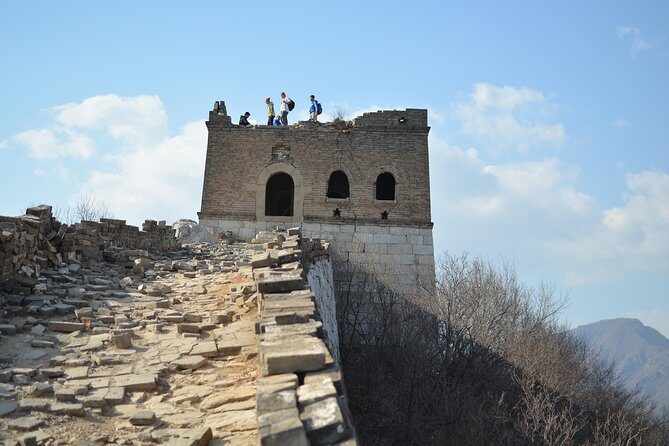
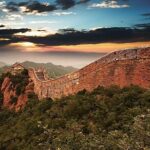
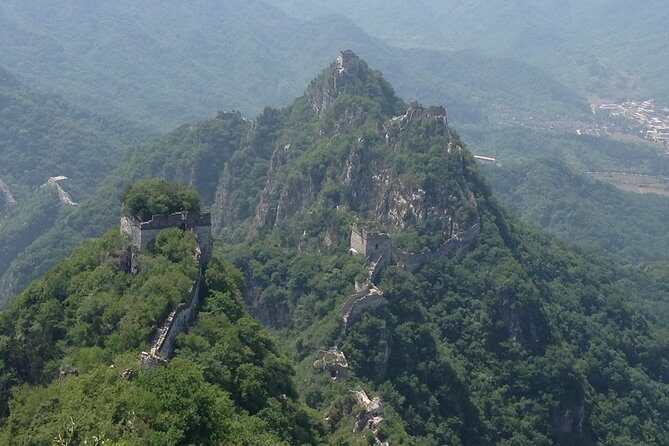
If you’ve ever visited the Great Wall and thought, This is stunning but a bit staged, this route makes a strong case for itself. Jiankou is described as a wild section near Badaohe Village in Huairou County, and the itinerary is built to match that tone. You start from the foot of the Wall, pass through a village, and then climb mountain paths toward the higher watch towers—so you earn your views instead of just arriving at a walkway.
What you get is a contrast in wall character across the day. The Jiankou side is the tougher, rougher experience, including ladder climbs up into towers and walking across rugged ridgelines. Then the hike continues toward Mutianyu, where the wall becomes more reconstructed and easier for visitors to access. The result is not just variety—it’s a practical way to understand how preservation and restoration choices change what you see on the ground.
The other detail I appreciate is how the tour is structured for learning. You’re not left with a “walk and take pictures” style guide. The guide is there to talk about different restorations, which matters because the Great Wall you see is partly a story of changing eras of rebuilding.
You can also read our reviews of more hiking tours in Beijing

The 7-hour rhythm: early pickup, 2.5 hours of driving, and a long walking block
The day starts early—hotel pickup around 7:00–7:30 AM. From there, you drive about 2.5 hours to the trailhead at Jiankou. That timing is typical for Beijing Great Wall day trips, but what makes it work here is that the hike itself is the true center of gravity.
Your hike time is about 5 hours to cover roughly 10 km (about 6 miles). After that, you take a lunch break at a local restaurant near the Great Wall area (lunch fee not included). Then you head back to Beijing for hotel drop-off.
If you want to make the day feel manageable, aim to treat it like one continuous outdoor session:
- Morning = transit + climb
- Midday = fuel
- Afternoon = descent + more wall
- Evening = back to your own bed
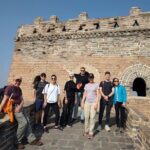
Because it’s a mini group and not a huge bus crowd, you’ll usually have less chaos at transition points—especially around towers and the junctions between different wall sections.
Hike route breakdown: Zhengbei Watch Tower, ladders, and the ridgeline to Mutianyu

The most compelling part of this itinerary is the sequence of wall features you pass through. You don’t just walk along an even stretch. You cycle through viewpoints, towers, and transitions that change how the terrain feels.
Starting at the foot of Jiankou and climbing from a village path
You begin at the Jiankou Great Wall area and walk through a village before hiking up to the Wall on a mountain path. That early “getting your legs under you” phase matters. It’s where the day turns from getting there into actually hiking.
Zhengbei Watch Tower and the ladder climb
One of the key waypoints is Zhengbei Watch Tower (40°27’16.44″N 116°32’9.78″E). The plan includes taking a ladder up to Zhengbei Watch Tower. If you’re someone who prefers real physical effort over easy stairs, this ladder moment is exactly what you came for.
The ladder portion isn’t just “scenery.” It’s part of why Jiankou is considered challenging. You’ll be moving vertically in a way that standard sections often avoid.




To the higher tower, then down toward the untouched stretch
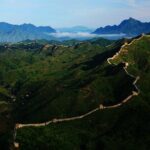
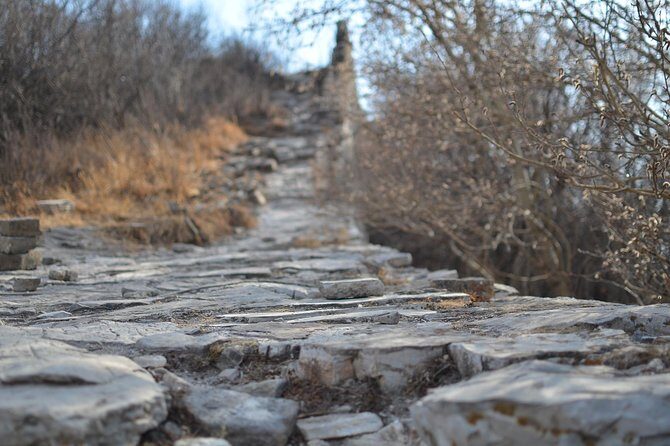
After Zhengbei, the itinerary calls for ascending to the highest watch tower at Jiankou, then hiking down to the untouched part of the Great Wall at Mutianyu along a rolling ridge line and the hoary, rugged wall surfaces.
This is where the tone shifts. The walking is more exposed, and the terrain feels less curated. If you’ve been burned by sections where everything looks restored and evenly paved, you’ll probably enjoy how the Jiankou-to-Mutianyu approach keeps the character rougher for longer.
Mutianyu visitors gate: reconstructed Wall from the 23rd to the 10th watch tower
Once you reach the Mutianyu visitors gate, the plan is to hike the reconstructed Great Wall from the 23rd watch tower to the 10th watch tower. That built-and-restored portion typically means a smoother route and more managed access to the Wall segments you walk.
So you don’t just jump from “wild” to “tour bus.” You walk the transition by section—first the higher, tougher Jiankou experience, then the reconstructed Mutianyu run.
Mutianyu: why the restored section is worth it (even after the tougher wild wall)
Mutianyu often gets described as a more visitor-friendly area, and that shows in how reconstructed portions feel. The itinerary specifically includes the route through reconstructed towers, which usually means clearer access points and more visible, maintained features.
The practical benefit is that Mutianyu gives you a “finished” look at how the wall was rebuilt. When a guide talks about restoration differences, this part of the day becomes more than an easier walk. It becomes a comparison you can see with your own eyes: what’s rough and broken versus what’s reinforced, rebuilt, and designed for long visitor paths.
One small consideration: reconstructed sections tend to have more people than the wilder parts. If you want maximum quiet for photographs, focus your expectations on the Jiankou end. If you want a mix—effort first, then a more legible wall later—Mutianyu fits that well.
The guide matters: English explanations on restorations and history on the drive
Great Wall tours rise or fall on guidance. Here, the tour includes a professional English-speaking guide, and the route is designed so that the guide has plenty to talk about: towers, restoration styles, and why the Wall looks different across sections.
In particular, one guide example you may experience is Mr. Yu, who has been noted for explaining Great Wall history during the drive to the trailhead. That kind of pre-walk context is a smart move. It helps you understand what you’re looking at when you’re tired and the Wall is suddenly up close.
You’ll likely appreciate the restoration focus most during the transition—when you move from the more wild-feeling approach toward the reconstructed Mutianyu segment. That’s when explanations about repair choices stop being trivia and start feeling practical.
Price and value: what you pay for (and what you still need to budget)
At $195 per person, this isn’t a “cheap ticket to the Wall” deal. It’s closer to paying for a full day of logistics plus key inclusions. Here’s what’s bundled:
- Admission to Jiankou Great Wall and Mutianyu Great Wall
- Bottled water
- Professional English-speaking guide
- Hotel pickup and drop-off (within the 4th Ring Zone)
- Air-conditioned vehicle
Not included:
- Lunch
- Gratuities (recommended)
- Cable cars (not included)
So how do you judge value? You’re paying for two things most independent travelers end up paying for anyway: time and coordination. You avoid arranging transport to Jiankou, you get a guide who speaks English, and you don’t have to figure out how to match up entrances and tower segments.
The lunch add-on is the biggest “surprise” item. If you budget an extra meal cost and plan to snack lightly in the morning, you’ll feel in control rather than stressed.
Cable cars are not included, but the itinerary also sounds hike-based rather than cable-car-based. If you know you’ll rely on cable cars to reduce walking, ask how the tour handles that tradeoff before you go. (The data here only confirms cable cars aren’t included.)
Fitness reality check: 10 km, ladders, and a day that’s more demanding than it looks on paper
This tour is listed as not recommended for children aged 12 and under, and it clearly calls for strong physical fitness. That isn’t just marketing language. The itinerary includes:
- a sustained hike of about 10 km
- multiple tower transitions
- a ladder climb at Zhengbei Watch Tower
- climbing to the highest watch tower at Jiankou
- then continuing on ridge-line walking and down toward Mutianyu
If you’re a confident hiker with decent stamina, you’ll likely find it challenging but doable. If you’re mostly used to city walking or very flat trails, it’s smart to treat this as a step up.
Gear-wise, the data doesn’t list what to bring, so you’ll want to plan like it’s a real mountain hike day: sturdy shoes, water awareness (you’ll get bottled water), and a mindset that some sections will feel steep or uneven.
Weather and the Jiankou closure possibility: how flexible planning really protects your day
This experience requires good weather, and it can be adjusted in a specific way. Jiankou Great Wall could be closed temporarily due to government control, and the tour notes that you can’t get that information in advance. If that happens, the guide may ask for permission to change to Jinshanling Great Wall, and you don’t need to pay extra.
That flexibility is important. It means you’re not stuck on a canceled plan at the first sign of local changes. What you should do is keep your expectations flexible:
- The “Jiankou to Mutianyu” ideal is the target.
- If Jiankou is closed, you still get a Great Wall hiking day with a substitute section.
Who this tour is best for (and who may prefer an easier Great Wall plan)
This tour fits best if you want:
- a real hiking effort rather than a short stroll
- a small-group pace
- the contrast between wild Jiankou and restored Mutianyu
- an English guide who explains restoration differences
You might want a different plan if:
- you want a low-effort Great Wall visit
- ladder climbing sounds like a dealbreaker
- you’re traveling with limited mobility
- you’re depending on lunch being included and budget-tight
The route is also not designed for very young kids, which makes sense given the climb and ladder sections.
Should you book this Jiankou to Mutianyu hiking tour?
Book it if you’re aiming for the Great Wall experience that feels most like hiking, with a real payoff: towers, ladders, and a less staged wild section on the Jiankou side. The value improves if you like the idea of paying once for admission, guide, water, and hotel transport, then handling only the add-ons like lunch and any optional cable-car decisions.
Skip or switch tours if you need a gentler day, you’re not confident with steep climbs, or you strongly prefer a fully restored, consistently easy walking surface.
If you do book, go in planning to earn your views. This itinerary is built for people who like the Wall up close, not just from a crowded walkway.
FAQ
What time is pickup for the Jiankou to Mutianyu tour?
Pickup is scheduled around 7:00 AM–7:30 AM from your hotel.
How long is the hiking portion?
The hike lasts about 5 hours and covers about 10 km (around 6 miles).
Is lunch included in the tour price?
No. Lunch is not included, and you’ll have a lunch break at a local restaurant near the Great Wall. Lunch fees are extra.
What is included in the $195 price?
Admission to Jiankou and Mutianyu Great Wall, bottled water, a professional English-speaking guide, and round-trip hotel pickup/drop-off within the 4th Ring Zone are included, along with an air-conditioned vehicle.
Are cable cars included?
No. Cable cars at the Great Wall are not included.
How large is the group?
The tour has a maximum of 15 travelers.
What happens if Jiankou is closed temporarily?
If Jiankou is closed due to government control, the guide may ask for permission to switch to Jinshanling Great Wall. You do not need to pay extra.
Is this tour suitable for children?
It is not recommended for children aged 12 and under.