REVIEW · XISHUANGBANNA
Puer Tea Picking and Tasting | 6 Hour Morning Trip
Book on GetYourGuide →Operated by GO BANNA! · Bookable on GetYourGuide
Tea leaves, picked by hand, make a difference. This half-day outing near Pu’er turns a scenic morning drive into a hands-on tea moment, with a guided walk in the fields and a proper look at how leaves become Pu’er. I also like that pickup and return are built in, so you spend your energy on the tea, not transport hassles.
My favorite part is the guidance: in English and other European languages, the live guide Maxime translates smoothly and keeps answering all your questions without rushing you. The tea tasting also isn’t just one sip—your session connects what you saw in the processing area with what you taste.
One consideration: the whole schedule is tight at 5–7 hours, so if you want lots of free time in the plantation or a super slow pace, you may wish you had booked a longer tea course. Also, it’s not a good fit for very young kids or anyone over 70.
In This Review
- Key things to know before you go
- How the 5–7 Hour Morning Format Works from Jinghong or Pu’er
- Tea Field Walk and Picking: Learning by Doing
- From Leaf to Pu’er: Watching Withering, Rolling, and Drying
- Pu’er Tastings That Actually Teach You What You’re Drinking
- The Added Value of Your 300 Grams Tea Souvenir
- Lunch on the Farm and the Possible Coffee Stop South of Pu’er
- Price and Value: Is $82 Worth It for Pu’er Tea in Yunnan?
- Who This Tour Suits Best (and Who Should Skip It)
- Should You Book This Pu’er Tea Picking and Tasting Tour?
- FAQ
- How long is the Pu’er tea picking and tasting trip?
- Where does pickup and drop-off happen?
- What’s included in the tour price?
- Do I get to take tea home?
- What languages are available for the live guide?
- What should I bring, and is it family-friendly?
Key things to know before you go
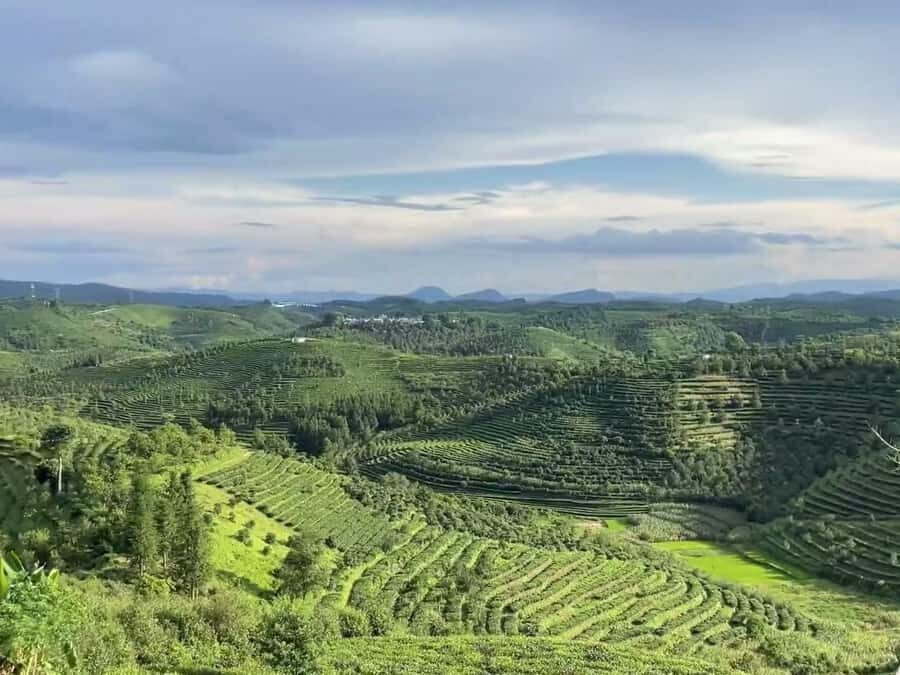
- Small group (up to 6): more time for questions and fewer awkward moments in a big crowd.
- Hands-on tea picking: you learn leaf selection techniques from local experts.
- Processing farm tour: you’ll see withering, rolling, and drying in action.
- Tasting session linked to production: you taste styles connected to what’s happening in the workshop.
- You take home 300 grams of Pu’er tea: picked and processed during the visit.
- Optional extra coffee stop on some routes: a few departures continue to coffee south of Pu’er.
How the 5–7 Hour Morning Format Works from Jinghong or Pu’er
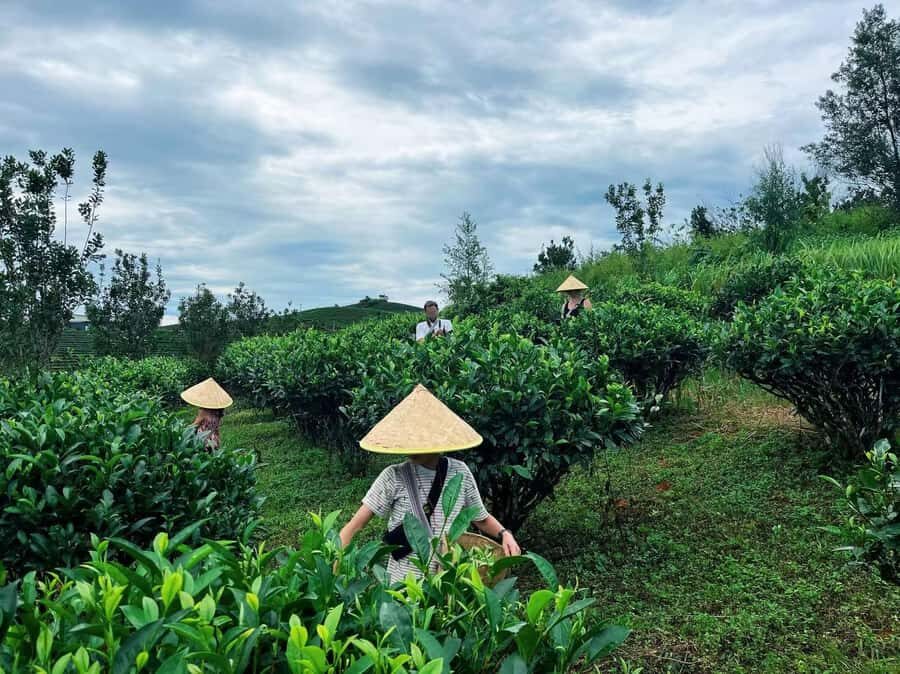
This is designed as a half-day that starts with pickup in Jinghong or Pu’er and ends with a return to the same area. Duration is listed as 5–7 hours, so plan for a real morning commitment, not a casual stroll you can stretch endlessly.
Transportation is part of the value. If you’re traveling with up to three people, you’ll ride in a VW ID.4; for larger groups, it’s a comfortable 6-seat minivan. Either way, you avoid the mental math of buses, taxis, and timing, and you’ll likely get a smoother handoff from city life to countryside tea work.
The pacing is practical: fields first, then the processing farm, then tastings, and (depending on the exact day) lunch time on-site. If you’re the type who likes to ask “why” questions, the time limit still feels fair because the guide and hosts keep things moving without feeling rushed.
Tea Field Walk and Picking: Learning by Doing
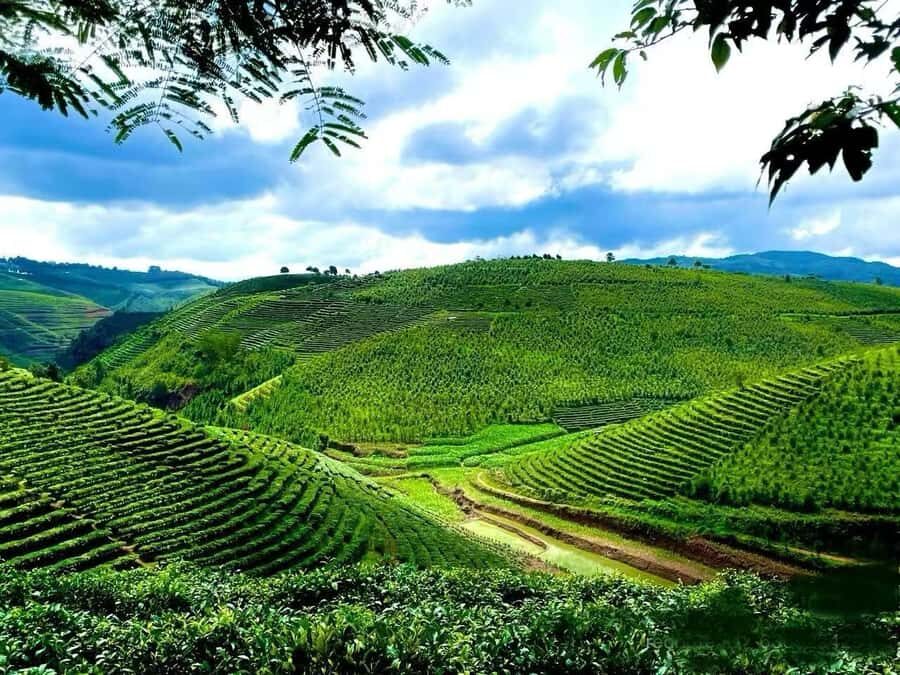
Once you arrive, the day shifts from travel mode to tea mode. You’ll walk through Pu’er tea plantation grounds with a guide who explains why this region’s tea matters and how the leaf-growing system fits the local culture.
Then comes the part most people remember: tea picking. You’ll pick leaves with guidance from local experts, which is key. Leaf selection isn’t just about grabbing greenery—it’s about choosing the right growth stage and understanding what that means for the final cup. Even if you’re new to tea, watching how your instructor points, corrects, and explains is the shortcut to “getting it” faster.
This is also where the morning air and walking pace matter. Bring comfortable shoes—you’ll want grip and support for field paths. You also should expect some outdoor time, even if weather is mild, since tea work happens outside and not in a museum room.
From Leaf to Pu’er: Watching Withering, Rolling, and Drying
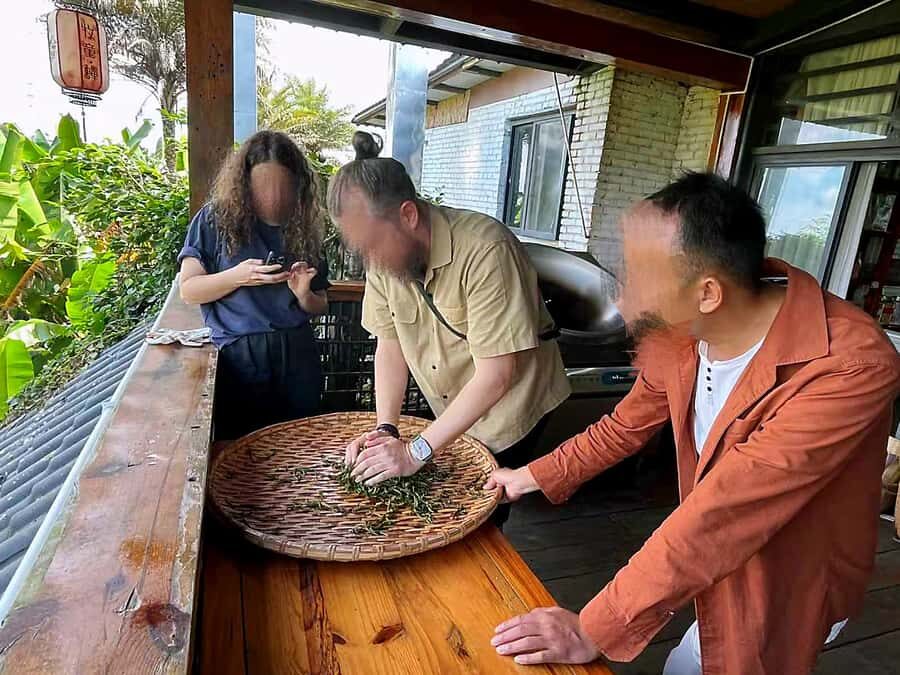
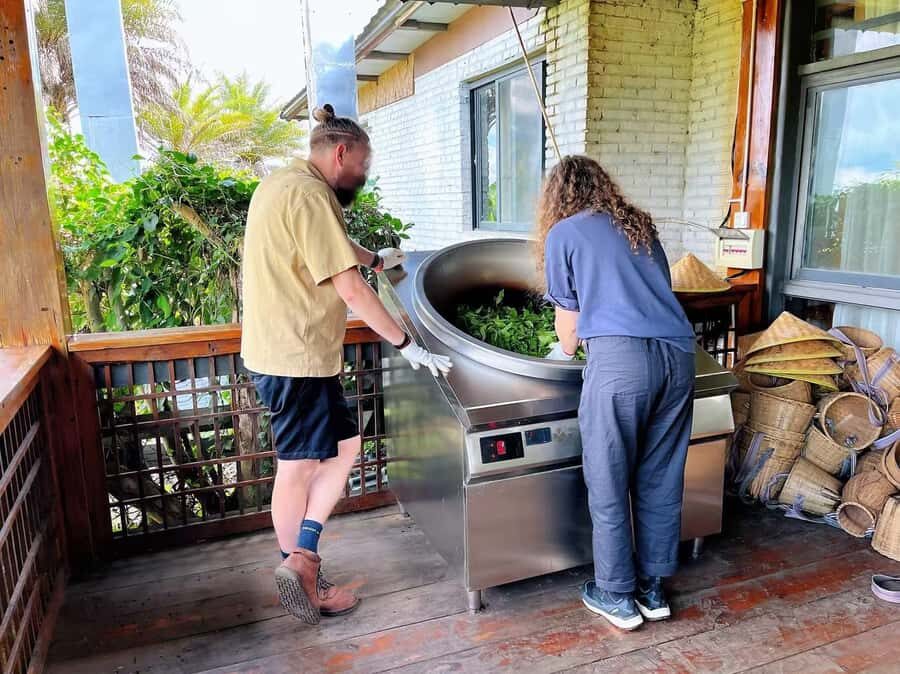
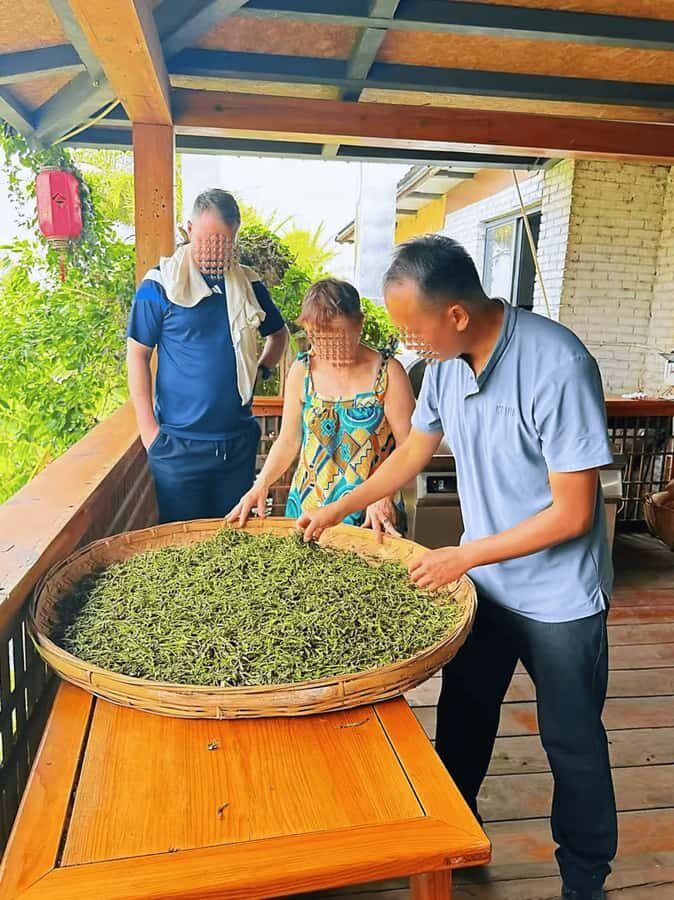
After picking, you’ll visit a local processing farm where the story becomes hands-on and visual. You’ll see the main stages used to transform fresh leaves into Pu’er tea: withering, rolling, and drying.
These steps are worth paying attention to, because they explain why “Pu’er” tastes the way it does. Withering changes moisture and sets up the leaves for shaping. Rolling influences how the leaf structure breaks down later, which affects aroma and flavor release. Drying locks things in so the tea can be stored and aged.
On some stops, you might even get to try parts of the processing workflow. That’s not just for fun. Doing one small step helps you understand why the timing and handling matter—especially when you later taste teas that come from different processing choices and leaf selections.
Pu’er Tastings That Actually Teach You What You’re Drinking
The tasting session is the payoff, but it’s also where you should slow down mentally. You’ll taste freshly processed Pu’er tea, and the workshop-style approach helps you connect the cup to what you saw in the farm area.
One reason this experience earns strong marks is that it doesn’t treat tasting like a random sampling tray. In multiple accounts, the tasting includes several Pu’er styles and categories—things like aged, raw, candy tea, and red tea—and it’s served across multiple pulls. That matters because Pu’er can shift noticeably from the first infusion to later ones.
Ask your guide to help you describe what you’re noticing. Even if you can’t name flavor notes like a professional taster, you can learn how to compare: aroma vs. body, early taste vs. finish, and how later brews differ. This is also a great moment to ask practical questions like brewing approach and how the tea you picked will behave at home.
If you’re the type who likes to take notes, do it. Your future self will thank you when you’re standing in your hotel room trying to remember why one cup felt smoother and another tasted more intense.
The Added Value of Your 300 Grams Tea Souvenir
A big, concrete reason this tour can feel good at $82 per person: you’re not just leaving with photos. You’ll take home 300 grams of Pu’er tea that you picked and that gets processed by visitors during the visit.
That changes the math. Many short tours include small tastings and then you’re left deciding whether to buy tea at full price in a shop. Here, the tea is part of the experience, not an afterthought. If you’re a tea drinker, you get enough quantity to actually use it over time—not just a sample.
A practical tip: store it like real tea. Keep it away from humidity and strong smells. If you’re sensitive to odors (hotel rooms can be), you might want to bring a small airtight container so the tea stays fresh after your trip.
Lunch on the Farm and the Possible Coffee Stop South of Pu’er
Food is included in the basic plan as lunch at the farm. There’s also mention that a farm meal can be local specialties and priced around 60 yuan/person on some versions—so if meal cost matters for your budget, it’s smart to confirm what’s covered for your departure. Either way, expect to eat on-site rather than rushing to a separate restaurant.
In several experiences, the day’s tea focus gets a second act with a coffee plantation stop south of Pu’er. People report coffee tasting and a tour through a coffee area often called coffee valley, plus time seeing processing facilities. That part may not happen on every run, but if it does, it’s a neat Yunnan pairing: leaf picking culture on both sides of the caffeine spectrum.
If you don’t drink coffee, don’t panic. The value of the extra stop is less about forcing another tasting and more about seeing how these small-field agriculture systems operate across different crops.
Price and Value: Is $82 Worth It for Pu’er Tea in Yunnan?
At $82 per person for a 5–7 hour half-day, you’re paying for three things that add up fast: transportation, hands-on farm time, and taking home tea.
Transportation is included, and it’s not a vague promise. You’re picked up in a VW ID.4 or a 6-seat minivan, which helps you avoid the friction of coordinating rides in rural Yunnan.
The experience itself is also structured, not just a walk and a chair. You get a plantation visit, tea picking with guidance, a processing-farm tour with steps explained, and a tasting session that connects to what you learned. Small group size (up to 6 participants) helps with this, because you’re less likely to get stuck listening while everyone else asks the questions.
Finally, the included 300 grams of Pu’er tea is the biggest value lever. If you like Pu’er and plan to buy anyway, this tour can make purchasing feel less like upselling and more like bringing home what you actually experienced. One report also mentions a discount (around 20%) on tea bought at the end without pressure from the host—so if you do want to purchase extra, you may have an easier time deciding.
The one budget downside is simple: you’ll be in a setting where tea (and sometimes coffee) is part of the culture. If you have zero interest in buying anything beyond what’s included, you may want to set that expectation early.
Who This Tour Suits Best (and Who Should Skip It)
This works best for you if you:
- Want hands-on tea picking rather than just watching from the sidelines
- Enjoy learning production basics like withering, rolling, and drying
- Like tasting different Pu’er styles and comparing how they change across infusions
- Appreciate small-group pacing with an English-speaking guide
You might skip it if you:
- Want a long, slow day with lots of free time in the countryside
- Have mobility limits that make outdoor paths and farm steps difficult
- Are traveling with very young children or someone over 70, since the tour isn’t suitable for babies under 1 year and people over 70
Also, this isn’t a pet-friendly plan—pets are not allowed.
Should You Book This Pu’er Tea Picking and Tasting Tour?
I’d book it if you want a practical, structured way to understand Pu’er tea in the place where it’s made. The combination of guided plantation time, a real look at processing, and tasting tied to what you saw is what makes this tour feel educational without turning into a lecture.
Book it especially if the idea of taking home real tea matters to you. The included 300 grams turns this from a short experience into something you can use back home.
Before you go, decide what you want most: if your main goal is tea discovery, this tour fits well. If your main goal is total relaxation and zero schedule pressure, you’ll probably do better with a longer stay in the region and a slower tea-focused itinerary.
FAQ
How long is the Pu’er tea picking and tasting trip?
The duration is listed as 5–7 hours, typically a half-day morning experience.
Where does pickup and drop-off happen?
Pickup and return are included from Jinghong or Pu’er.
What’s included in the tour price?
Included items are transportation (VW ID.4 or minivan), a Pu’er tea plantation visit, Pu’er tea tasting at a local processing farm, lunch at the farm, and 300 grams of Pu’er tea picked and processed by visitors.
Do I get to take tea home?
Yes. You’ll take home 300 grams of Pu’er tea that was picked and processed during the visit.
What languages are available for the live guide?
The live tour guide is available in English, French, German, and Italian.
What should I bring, and is it family-friendly?
Bring comfortable shoes. The tour is not suitable for babies under 1 year and people over 70. Pets are not allowed.