REVIEW · BEIJING
Traditional Chinese Tea Ceremony Experience
Book on GetYourGuide →Operated by Hutong Calligraphy · Bookable on GetYourGuide
A warm cup can teach you new ways to notice. In this Beijing traditional tea ceremony, I love the step-by-step brewing focus and the chance to smell and taste multiple classic styles instead of just gulping something hot. One thing to plan around: it’s not suitable for everyone, since children under 7 and pregnant women are excluded.
The experience is run by an English-speaking host/greeter, and you’ll be guided through the “why” behind each move—warming the teapot, checking water temperature, and timing the steep—so the ceremony becomes more than a performance. Many sessions are hosted by tea experts with great English, including names like Richard and Feye, and some tea masters like Kostya have been reported speaking other languages too.
The payoff is simple: when you leave, you understand what makes Chinese tea taste different—and how to avoid common beginner mistakes when you pour at home.
In This Review
- Key things to know before you go
- Beijing tea ceremony: why it’s more than a snack stop
- What actually happens during the ceremony (the steps matter)
- The teas you’ll taste in Beijing
- Tea masters and English: what helps most
- Duration in real life: 30 minutes to 3 hours
- Price and value: why $9 can be a smart buy
- Kids, pacing, and who this suits best
- Tea shopping afterward: how to make it worth it
- Common beginner mistakes (and what to do instead)
- Should you book this Beijing tea ceremony?
- FAQ
- How long is the traditional Chinese tea ceremony experience?
- What is included in the price?
- Is transportation included?
- Is there a tour guide?
- What teas will I try?
- Is this activity suitable for children?
- Can I cancel for a full refund?
Key things to know before you go
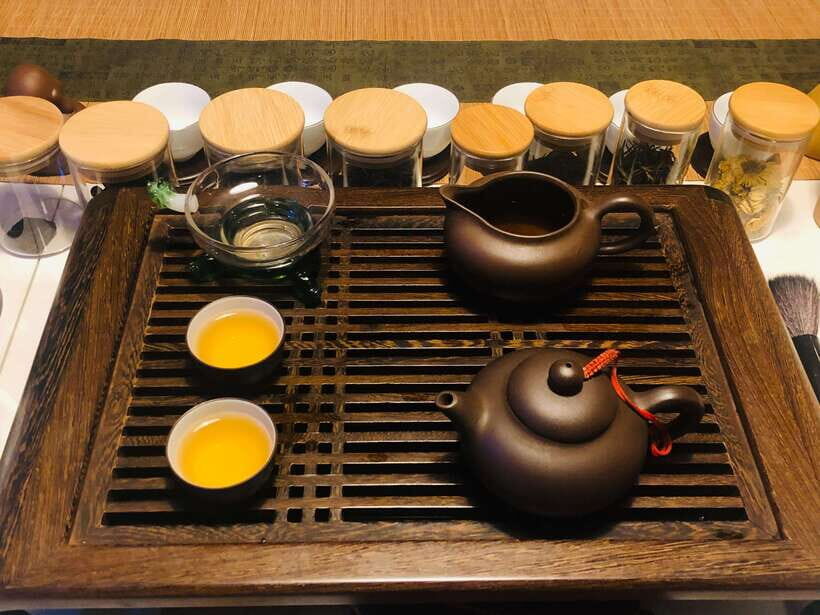
- You practice the ritual, not just drink tea: warming, steeping, and pouring all get explained.
- You sample multiple teas such as oolong, pu-erh, green, jasmine, and flower tea.
- 5 mini cups are included, which keeps the session focused and good value.
- English guidance is part of the plan, with hosts/tea experts reported as fluent.
- You can buy tea afterward if you want take-home gifts (at your own expense).
- They’ll send you back to the meeting point, so you’re not left wandering alone.
Beijing tea ceremony: why it’s more than a snack stop
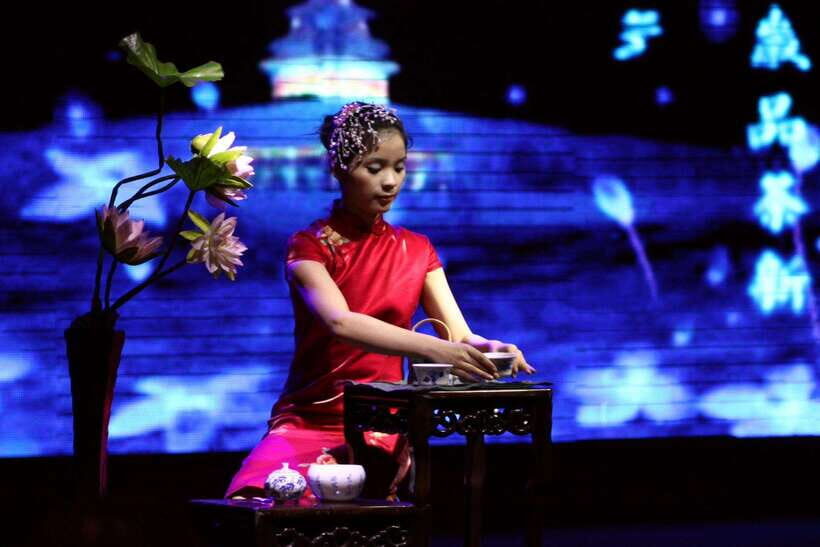
Beijing has plenty of food tours and plenty of history stops. This one is different. A Chinese tea ceremony is basically training your senses—smell, timing, and attention—so tea tastes better and you understand what you’re tasting.
I like this kind of activity for travelers because it works even if your schedule is tight. The whole thing is short enough to fit between bigger sightseeing blocks, but it still feels “real.” You’re not being rushed through a checklist. You’re learning how tea is treated like a craft and a social ritual.
Another good sign: the price is low enough that you can do it without thinking you need a huge priority list. At $9 per person, you’re paying for instruction and tasting structure, not just a cup of tea in a tourist setting.
Possible drawback: if you’re expecting a casual, grab-and-go tea break, you might find the ceremony’s slow, deliberate pacing a bit “too careful.” If you like learning why things work, you’ll probably enjoy it a lot.
You can also read our reviews of more tours and experiences in Beijing.



What actually happens during the ceremony (the steps matter)
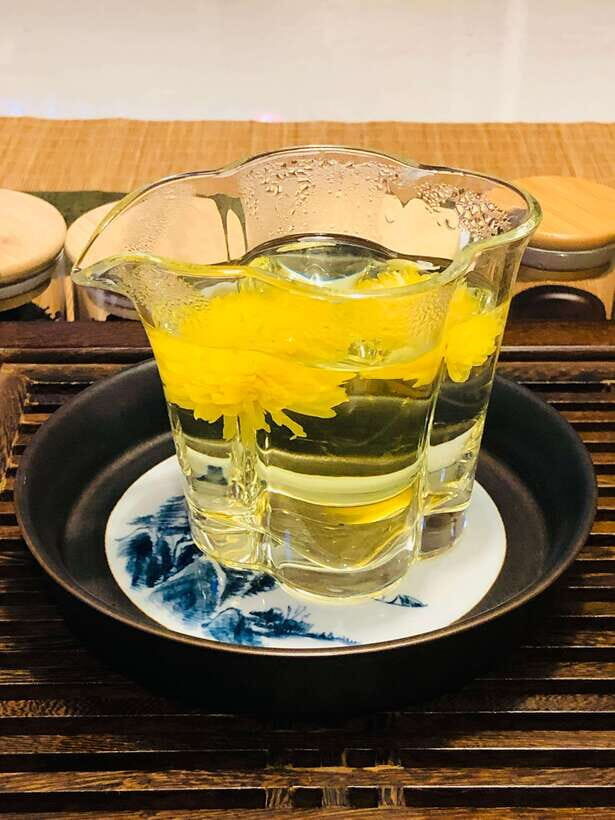
Expect a friendly tea master or host to greet you when you arrive. The tone is respectful and calm, and the point is mindfulness—how you handle tea reflects how you’re paying attention.
Here’s the flow you can expect, in plain terms:
1) Smell the leaves before brewing
You’ll get a chance to smell high-quality tea leaves. That matters because aroma drives a big chunk of what you taste. If you’ve only ever brewed tea quickly at home, this alone can change how you approach your next cup.
2) Warm the teapot (and notice the reason)
You’ll see the teapot warmed first. This isn’t just tradition for tradition’s sake. Warm tools help keep the tea brewing steady and consistent.
3) Get the water temperature right
The tea master explains proper water temperature. Different teas respond differently to heat, and getting it wrong can flatten flavor or make it harsher.
4) Time the steep, then pour intentionally
Timing is another big lesson. You’ll learn the idea behind steeping duration and how it changes the cup. Pouring is also taught as a technique, not just a final step.
5) Taste in small rounds (mini cups)
You’ll drink several small servings so you can compare style-to-style without committing to one heavy cup.
Even if you forget every detail later, the ceremony helps your brain build a set of “tea instincts”—what to watch for, what good aroma feels like, and how temperature and timing influence flavor.
The teas you’ll taste in Beijing
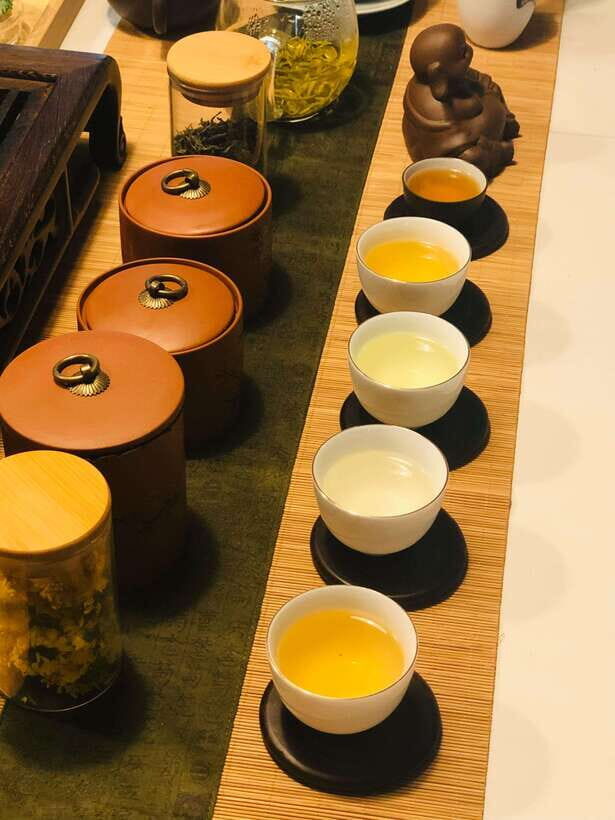
This experience is built around classic Chinese tea types. You should expect tastings that include oolong, pu-erh, green tea, jasmine tea, and flower tea.
In practice, the number of samples can vary by session. The included count is 5 mini cups, and that usually lines up with multiple varieties. Some people have reported tasting 5 or even 6 different teas in their time slot, so don’t be shocked if your session feels slightly fuller than the minimum.
Here’s what that variety does for you as a beginner:
- Oolong and green tea show you how natural leaf flavors can be clean and complex.
- Pu-erh often feels deeper and earthier, and it teaches you that tea isn’t always light or floral.
- Jasmine tea gives you a clear example of how fragrance becomes flavor.
- Flower tea helps you understand how aroma and bloom notes are built into the experience.
This lineup is a smart way to leave Beijing with a better tea vocabulary—so shopping later doesn’t become random.
Tea masters and English: what helps most
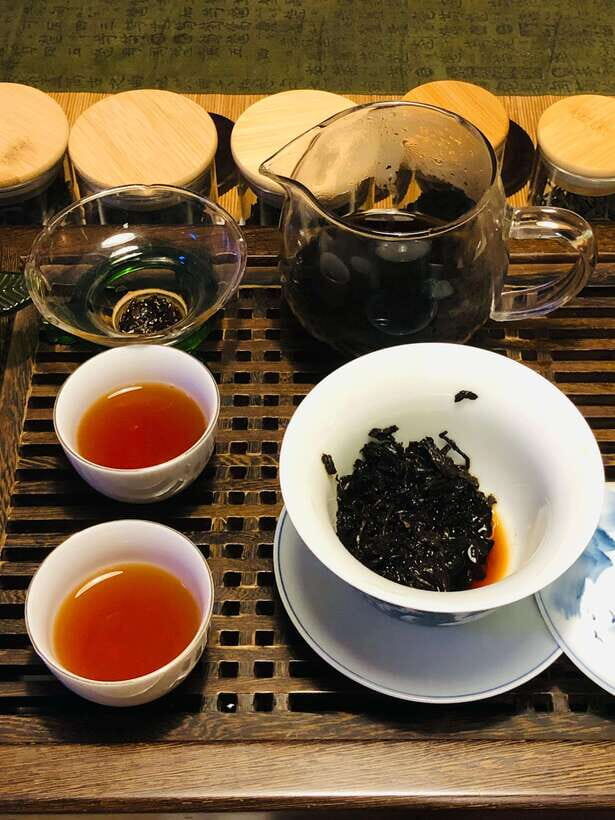
The experience is designed to be understandable. You’ll have an English-speaking host/greeter, and many sessions have featured fluent tea experts.
I’ve seen multiple tea masters named in accounts, including:
- Richard and Richard Li (reported as friendly and fluent)
- Feye (reported with strong humor and comprehensive English explanations)
- Kostya (reported speaking another language in at least one session)
What that means for you: you’re unlikely to get stuck because you don’t speak Chinese. Still, if you want maximum benefit, ask a question or two. A good question makes the ceremony “click,” like:
- What should I smell first in this tea?
- How does the heat change the flavor for this style?
- What’s the ideal steeping timing for beginners?
Also, small practical bonus: a few people described the team as accommodating if arrival timing slips. That’s not something you should plan on, but it’s a nice sign that the setting is human, not strict.
Duration in real life: 30 minutes to 3 hours
Your booking says 30 minutes to 3 hours, depending on available starting times and what option you select. That range matters because a tea ceremony can be more like a quick tasting lesson or a longer practice session.
If you’re short on time, choose a shorter slot so you still get the sensory practice without squeezing your day too hard. If you have time after major sights (like museums or the Forbidden City area), a longer slot can be more relaxed—more chances to smell, compare, and ask questions.
A practical note: the experience includes walking back to the meeting point after the ceremony. That’s helpful in Beijing, where streets can look similar and shortcuts can feel confusing.






Price and value: why $9 can be a smart buy
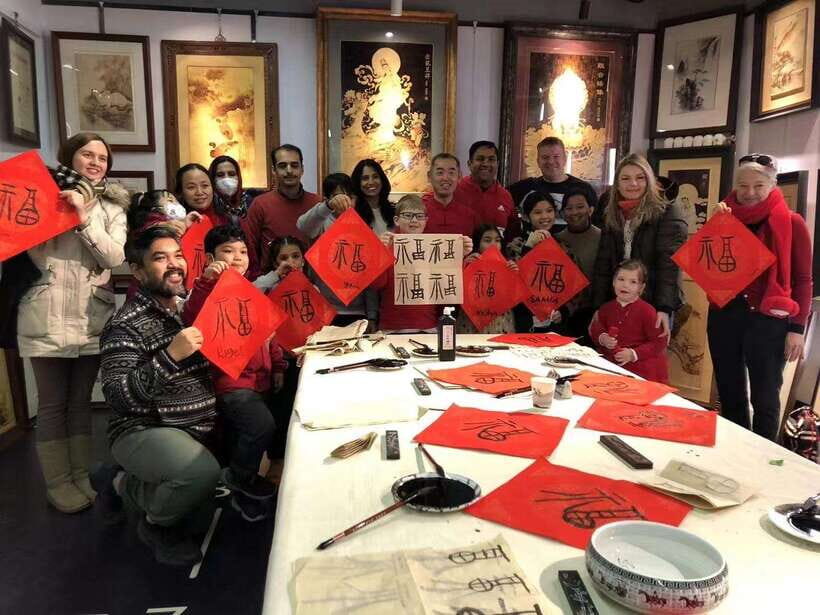
At $9 per person, this is one of the easiest cultural activities in Beijing to justify. You’re not paying premium prices for a photo spot. You’re paying for:
- guided brewing instruction,
- tastings across multiple tea types,
- and included mini servings.
Is it “cheap” because it’s low-effort? Not really. The structure is the value. You get enough samples to notice differences, and you get enough explanation to make those differences meaningful.
What you should watch: the included list does not cover shopping, and teas you buy afterward are at your own expense. That’s normal. The good part is you’ll be buying with better understanding, not guessing.
If you like hands-on learning—especially when it’s calm and low-stress—this is a strong value pick.
Kids, pacing, and who this suits best
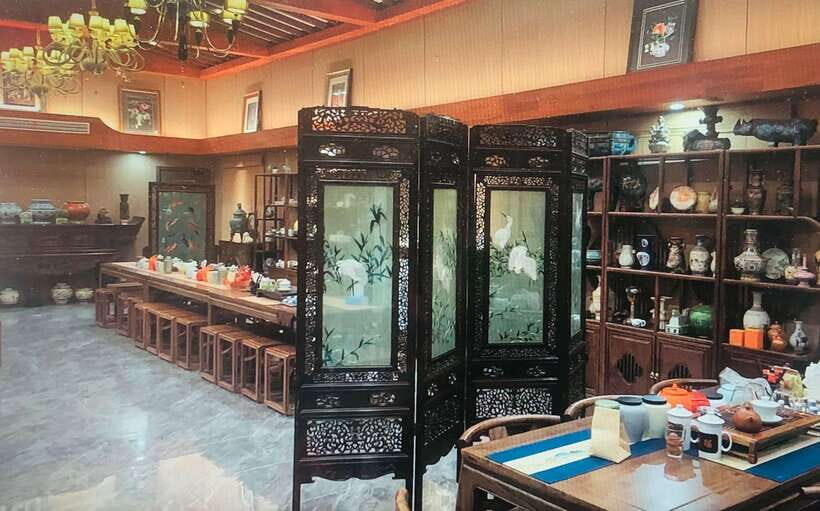
This activity is not suitable for children under 7. That suggests the ceremony includes adult-level pacing and a kind of attention that younger kids may struggle to maintain.
For families with older kids, the structure can work well because tasting makes it playful. Some sessions have been described as enjoyable for children around 10–13, likely because the ceremony turns into a sensory game: smell, taste, compare.
Who it suits best:
- Adults who want a cultural activity beyond photos
- Families with kids old enough to sit through guided instruction
- Foodies who love technique (water temperature, steep timing)
- Anyone who wants a calm break after busy sightseeing days
If you hate slow activities, you might find it too methodical. But if you like detail and learning, this one tends to land well.
Tea shopping afterward: how to make it worth it
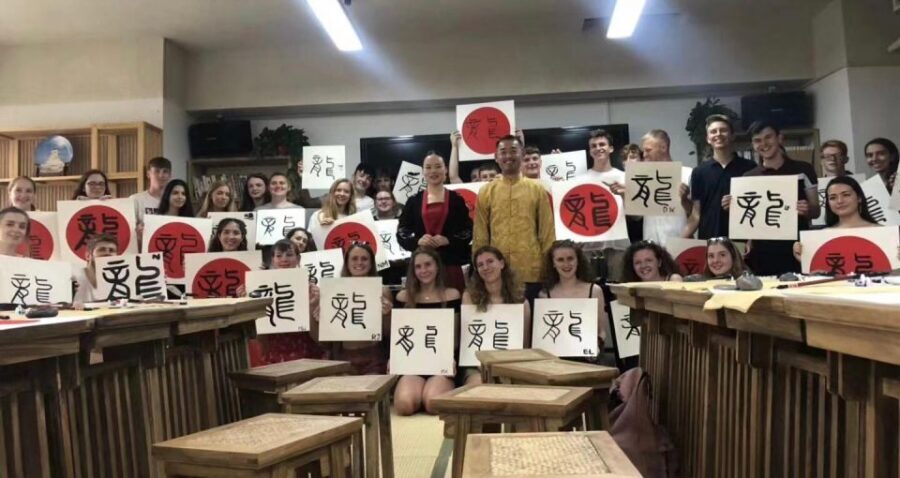
Yes, you’ll have the option to purchase tea after the ceremony. It’s not included, and you decide on the spot. Here’s how to approach that part so it doesn’t turn into impulse buying.
Before you buy, use what you learned:
- Choose based on what you liked smelling, not just what you liked tasting at first sip.
- Ask what makes the tea quality higher (the tea master should have a reason—leaf type, processing, or how it was brewed in the session).
- If you’re buying as a gift, consider picking one tea type that matched a clear moment you enjoyed, like the jasmine fragrance or the deeper pu-erh style.
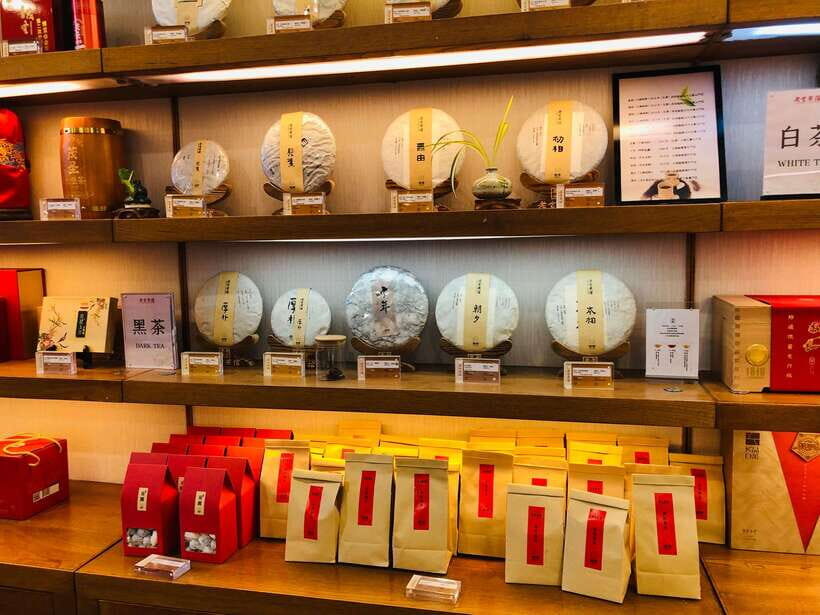
Also: you may find porcelain and tea options are sold onsite. That can be fun, but keep your budget in mind since your booking doesn’t cover shopping costs.
Common beginner mistakes (and what to do instead)
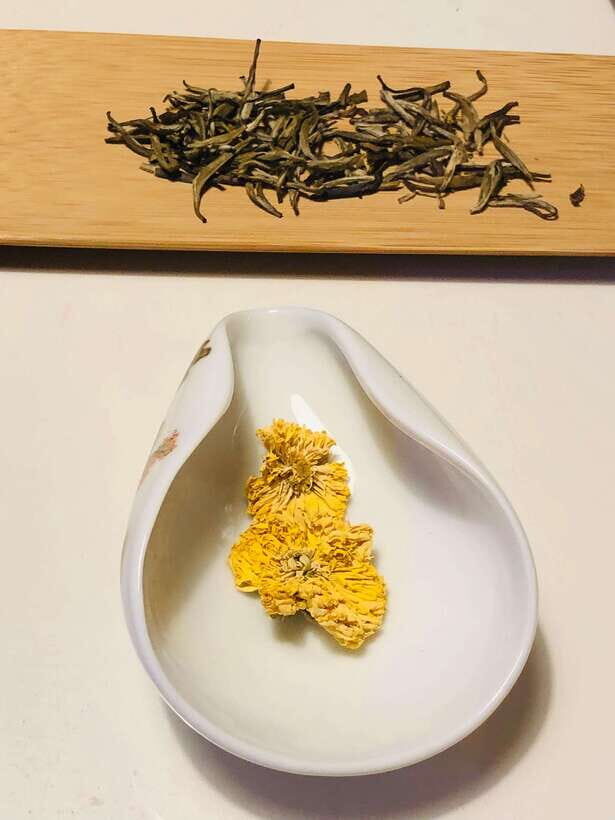
This ceremony quietly teaches you avoidable mistakes. If you brew tea at home, here are the biggest issues it helps prevent:
- Using water that’s too hot or too cool
The ceremony highlights temperature for a reason. If your tea tastes bitter or flat, heat is usually one culprit.
- Steeping too long on the first try
Timing changes everything. If a tea tastes harsh, it may be over-steeped rather than “just bad.”
- Not smelling first
A lot of flavor is aroma. If you skip smell, you miss the tea’s personality.
- Treating tea like one-and-done
The mini-cups structure encourages comparison. It trains your palate to notice subtle shifts.
If you take one takeaway from the ceremony, make it this: when you slow down at the start, the cup gets better.
Should you book this Beijing tea ceremony?
I think you should book if you want a meaningful, low-cost cultural experience that teaches you something you’ll actually use. It’s a strong pick for first-time visitors who want a calmer, more personal activity than big-ticket tours.
Skip it (or choose a shorter time slot) if you’re allergic to slow pacing or you only want a quick drink with no instruction. And check the fit if you’re traveling with a child under 7 or if pregnancy applies—this one isn’t suitable for those situations.
If you book, go in with one goal: leave with better tea instincts. Smell first. Ask one question. Take notes in your head. Then enjoy the walk back knowing you didn’t just watch a ritual—you learned how to do it.
FAQ
How long is the traditional Chinese tea ceremony experience?
It lasts from 30 minutes up to 3 hours, depending on the starting time option you choose.
What is included in the price?
The experience includes the tea ceremony and 5 mini cups of tea.
Is transportation included?
No. Transportation is not included.
Is there a tour guide?
No tour guide is included. An English host or greeter is provided.
What teas will I try?
You can expect tastings that include oolong, pu-erh, green tea, jasmine tea, and flower tea.
Is this activity suitable for children?
It is not suitable for children under 7 years.
Can I cancel for a full refund?
Yes. You can cancel up to 24 hours in advance for a full refund.