REVIEW · XI AN
Xi’an: Terracotta Army Museum Group Tour
Book on GetYourGuide →Operated by Travel Sichuan Guide · Bookable on GetYourGuide
The Terracotta Army is a time machine. This 7–9 hour group day tour is built for people who want reserved entry and clear English guidance without spending your day dodging lines or wandering into extra stops. I love how the plan protects your time in the museum (about 2.5 hours of guided looking), and I also love the straightforward pacing that still leaves room for Xi’an highlights. One consideration: you’re on a schedule, so if you hate crowds or want total freedom to roam, the group format may feel a bit tight.
The tour runs from hotel pickup in central Xi’an (8:15–9:00am) to the Emperor Qinshihuang’s Mausoleum Site Museum, with downtown drop-off near major landmarks like Bell Tower and Zhonglou. Expect a real explanation of what you’re seeing—terracotta warriors, horses, and bronze weapons—plus context on Qinshihuang, the first emperor who united China. If you’re lucky, you’ll get an English-speaking guide in the style of Aurora or Yanna, the kind of people who make the visit feel organized instead of overwhelming.
There’s also a local lunch option with classic Xi’an flavors: Rou Jia Mo, Liang Pi, and a refreshing orange-flavor sparkling soda. And if you want to extend the day, the guide can help with the famous Great Tang Dynasty Show, including the story of Wu Ze Tian, China’s only empress. Just know the museum day can be busy, especially in high season, so build in some patience and stay flexible about how long you linger in the best viewing spots.
In This Review
- Key things you should know before you go
- A fast route to the Qinshihuang Mausoleum without wasting hours
- Pickup, timing, and the real rhythm of a group day in Xi’an
- Entering the museum: what your 2.5 hours are built to cover
- What the guide helps you notice at the Terracotta Army
- Lunch with Xi’an locals: Rou Jia Mo, Liang Pi, and a local soda
- Money matters: $20 tour price vs the 120 RMB museum ticket
- Optional upgrades: electric bus and the Great Tang Dynasty Show
- Electric bus at the museum (optional)
- Great Tang Dynasty Show in the evening (optional)
- Who this tour is best for (and who should skip it)
- Practical tips that make the day smoother
- Should you book the Xi’an Terracotta Army Museum Group Tour?
Key things you should know before you go
- Reserved tickets handled for you so you can focus on the site, not paperwork.
- Skip-the-line entry with a guided group rhythm inside the museum complex.
- About 2.5 hours in the museum to see a lot without feeling rushed.
- English-speaking guidance that helps you interpret what makes the figures special.
- Local Xi’an lunch option with Rou Jia Mo and Liang Pi.
- Optional Great Tang Dynasty Show support if you want an evening cultural add-on.
A fast route to the Qinshihuang Mausoleum without wasting hours
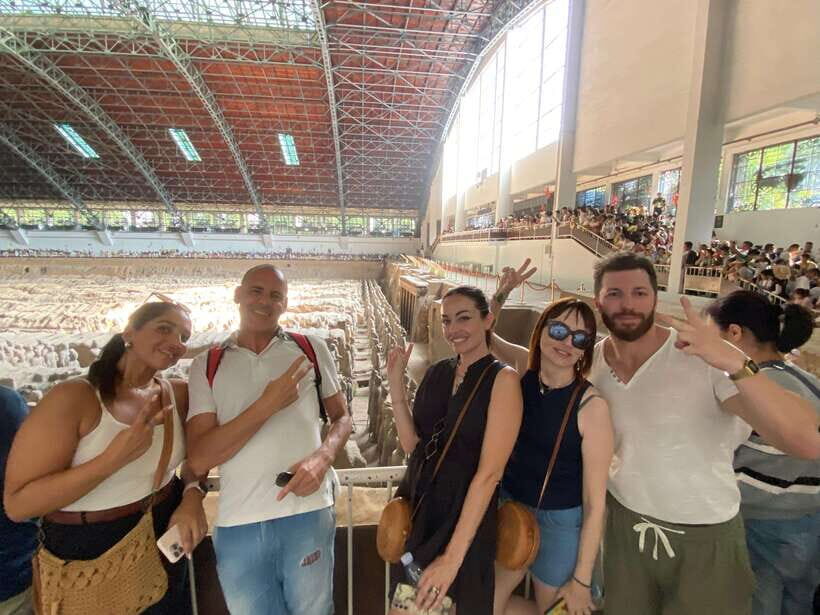
Xi’an’s biggest draw is the Emperor Qinshihuang’s Mausoleum Site Museum—home to the Terracotta Army. The smart move here is choosing a format that gets you there cleanly and then gives you real museum time. This group tour is designed to do exactly that: no time-sink stops at tourist shops, and no detours to a terracotta factory that eats into your schedule.
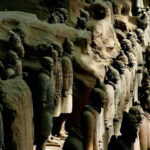
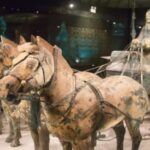
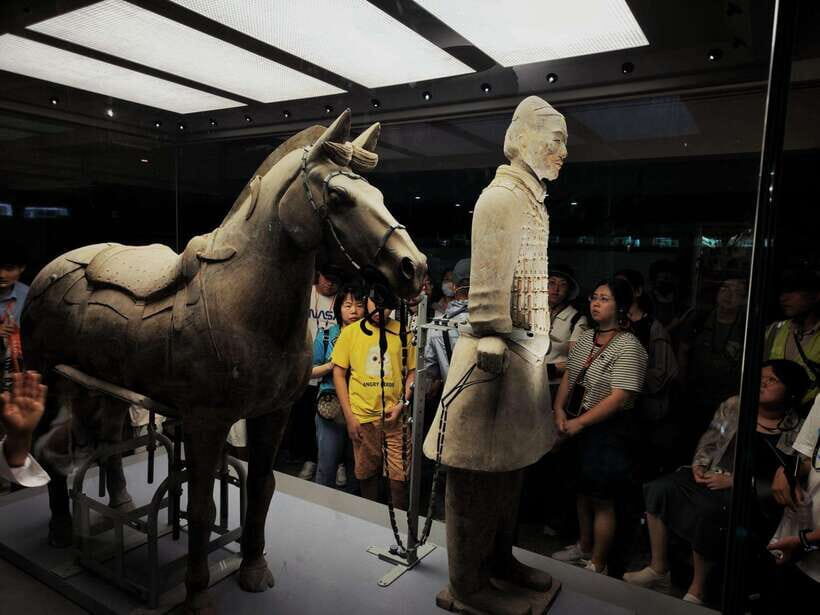
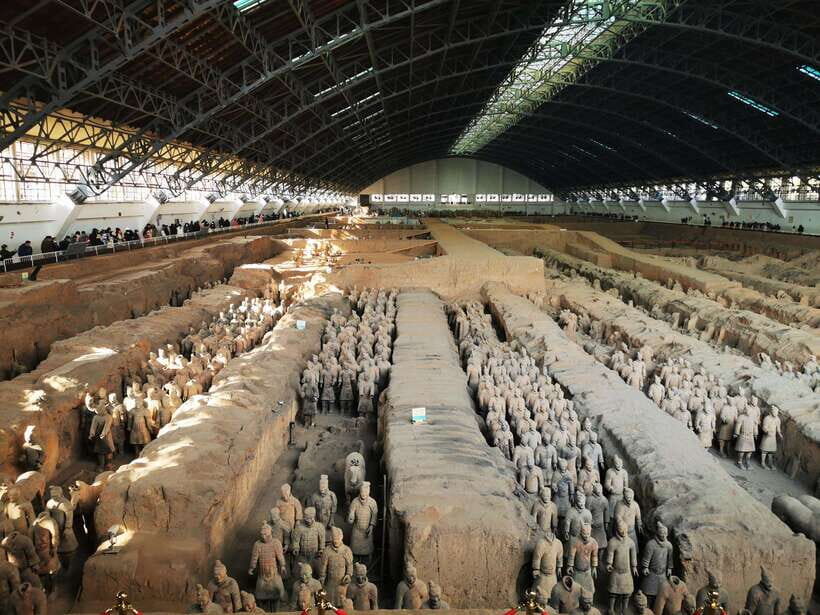
That matters because the Terracotta Army isn’t just a photo stop. You’re looking at thousands of molded figures made over 2,200 years ago, representing warriors, terracotta horses, and bronze weapons. The difference between a chaotic visit and a satisfying one usually comes down to time management—getting in smoothly, staying focused once you’re there, and knowing what to notice.
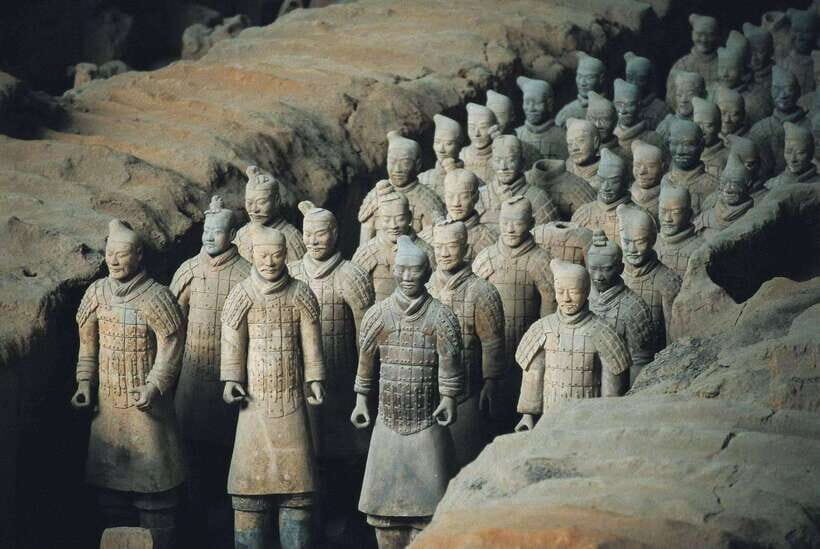
The museum visit is scheduled for around 2.5 hours with guided time plus walking time. In other words, you’re not just shuttled through like luggage. You have enough time to pause, look closely, and compare details—faces, armor shapes, and the way different figures don’t look identical.
You can also read our reviews of more museum experiences in Xi An


Pickup, timing, and the real rhythm of a group day in Xi’an
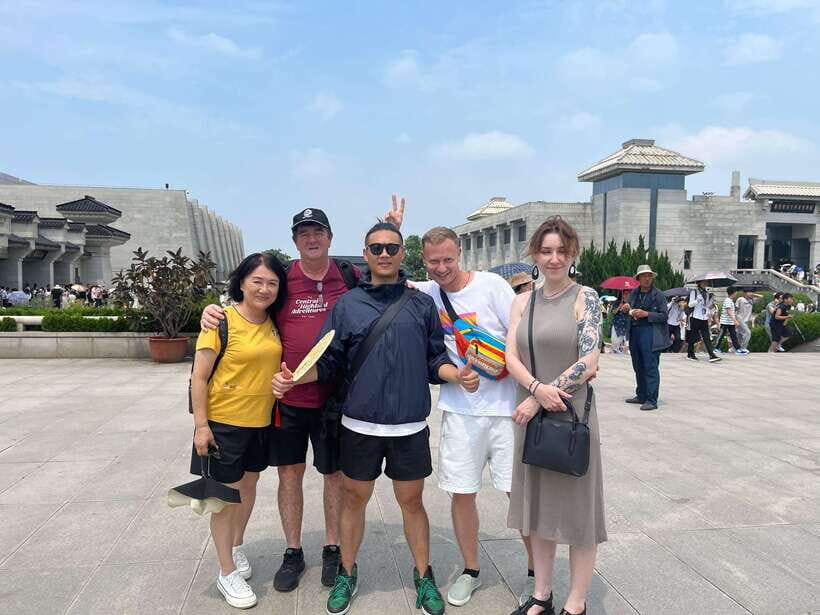
The day starts with hotel pickup in Xi’an downtown between 8:15am and 9:00am. The exact pick-up spot depends on your selected option, and you should make sure your hotel is inside the 3rd Ring Road area if you want pickup (otherwise, you’ll be pointed to the meeting point).
If you’re booking this as a solo traveler, that hotel pickup detail is more than convenience—it’s energy you save. You avoid the extra friction of figuring out bus schedules, finding the right entrance, and dealing with language barriers before you even reach the site.
Once you’re on the road, plan for travel time. The tour includes coach/bus time on the way to the museum (about 45 minutes) and then another ride after the visit (about 75 minutes). Drop-off is also handled back in the downtown zone near landmarks like Bell Tower and Zhonglou, which is useful if you want to go straight back to the rest of your day.
Small-group format matters too. The experience is priced as a budget-friendly day tour, but the guiding approach is what keeps it pleasant. You still move as a group, yet you’re given enough structure to understand the site instead of just following footsteps.
Entering the museum: what your 2.5 hours are built to cover
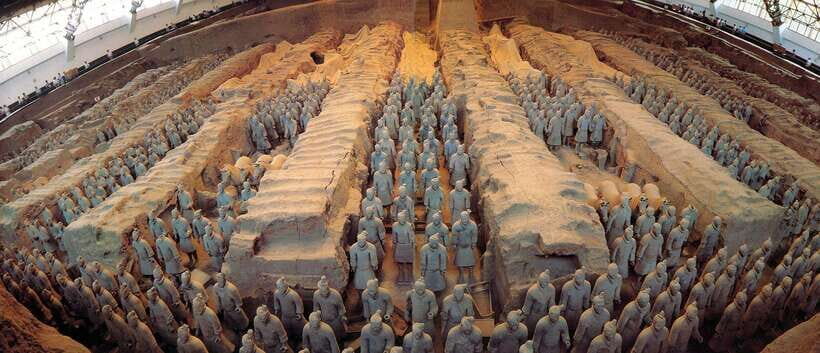
When you reach the Emperor Qinshihuang’s Mausoleum Site Museum, you’re set up for a guided visit with time to walk and a workshop-style component during the visit block (about 2.5 hours total). That combination is the best part of this tour design.
Here’s why. The Terracotta Army can overwhelm you fast. You see rows and rows of soldiers and horses, and your brain wants to switch into photo mode. A guided structure helps you shift into observation mode: What’s the significance of the whole mausoleum? What are you actually seeing—warriors, terracotta horses, and even bronze weapon references? How does this connect to Qinshihuang’s life and the story of China’s first unified empire?
Your tour focuses on the Qin dynasty and on Emperor Qinshihuang’s role as the ruler who first united China and set up the first feudal empire. The mausoleum was built for him during his lifetime, which is a detail that gives the site more weight than the typical quick museum explanation.
You’ll also learn what makes these figures historically important: the scale (over 7,000 masterpieces mentioned for the site collection) and the craftsmanship behind the warriors and horses. In practical terms, this means you can look at the army as an organized system of art and power, not just an endless field of faces.
What the guide helps you notice at the Terracotta Army
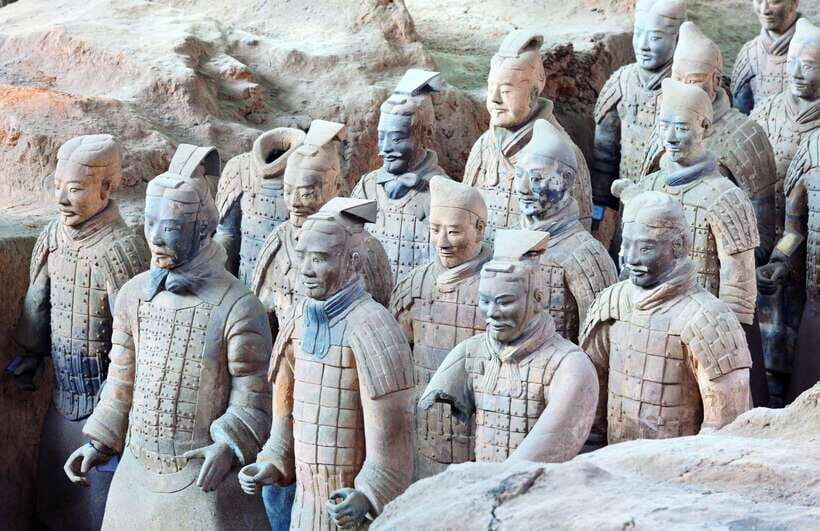
The best value of this tour isn’t that it drives you there. It’s that it helps you interpret the site while you’re standing in front of it.
A good guide makes three things click:
- The storyline of Qinshihuang
You get the core idea of Qinshihuang uniting China and creating an early empire structure. When you connect that to the mausoleum built during his life, you stop treating the Terracotta Army like a random ancient attraction. It becomes part of a ruler’s long-term project.
- The variety in the figures
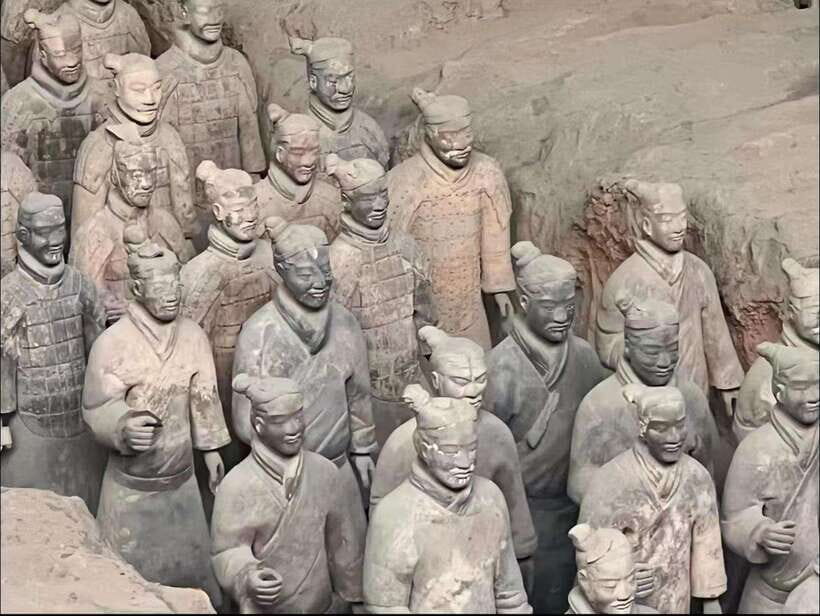
A common magic of the Terracotta Army is that the soldiers feel individualized. You start noticing how different the figures can be even across mass production. If you’ve ever stood in front of a massive collection and thought, I wish someone told me what to look for, this is the fix.
- The museum flow
Even in a well-run site, crowds happen. One of the practical benefits of a group tour is that you’re guided to viewing rhythms—where to look first, when to pause, and how to return to a spot if you want a closer look. The goal is not to rush your eyes.
I also like that the experience is supported by English-speaking guides. People like Aurora and Yanna are named as examples in the guide roster, and the consistent theme is simple: make it easy to follow. That matters in Xi’an, where the site signage and museum explanations may not meet your language needs.
Lunch with Xi’an locals: Rou Jia Mo, Liang Pi, and a local soda

After the museum, the tour offers a Chinese lunch option at a local restaurant where locals eat (optional). This part is easy to skip if you’d rather shop or snack, but it’s also one of the best ways to get quick, genuine local food without needing to research.
The optional lunch includes a Xi’an combo featuring:
- Rou Jia Mo (Chinese hamburger)
- Liang Pi (cold noodles)
- Orange flavor sparkling soda
This is practical value. Xi’an food is a big part of why people fall in love with the city. A pre-arranged lunch prevents the classic problem: you eat too late, you end up at a place that’s mostly for tourists, or you blow an hour searching.
If you’re the type who enjoys eating like a local, this lunch gives you a fast taste of what Xi’an is known for while keeping the day on track. If you’re not a noodles person, you may still find the Rou Jia Mo and cold noodle combo worth sampling once.




Money matters: $20 tour price vs the 120 RMB museum ticket
Let’s talk about value, because this tour is priced like a budget-friendly win—but only if you understand what’s included.
The advertised price is $20 per person, and what you’re really paying for is:
- round-trip downtown-to-museum transfer by sharing car/coach/bus
- an experienced English-speaking guide service
- downtown hotel pickup and drop-off (depending on your option)
- lunch (optional, depending on your option)
The key catch is that the Terracotta Army Museum entry tickets are not included in the Group Day Tour price. Tickets are reserved by the operator, and you should pay 120 RMB per person to the guide on site.
Does that undermine the deal? Not really. It’s common for major attractions to be ticket-separated. What matters is that the tour handles reservation so you don’t lose time and sanity on site procedures. For many visitors, paying the ticket fee on arrival still feels easier than managing the whole ticket process yourself.
Bottom line: treat the $20 as the “transport + guiding + organization” cost, then add the 120 RMB museum entry fee. If you want an English guided experience and a smooth day plan, this format tends to beat DIY time costs.
Optional upgrades: electric bus and the Great Tang Dynasty Show
Two add-ons are mentioned, and both can help you shape the day around your interests.
Electric bus at the museum (optional)
There’s an electric bus option inside the museum area (optional). If you know you’ll have trouble walking long distances or you just want to conserve energy, it can be worth considering. If you’re comfortable walking, you can skip it and put your time into looking and photographing.
Great Tang Dynasty Show in the evening (optional)
If you still have energy after the museum, the tour suggests watching the Great Tang Dynasty Show. The show is described as telling the story of Wu Ze Tian, the only-ever empress, and it uses dance and music to share Tang dynasty culture, military, and religion.
Importantly, the guide can help reserve tickets and transfer you to the theatre if you ask. That’s practical. It saves you from the evening scramble and makes it easier to keep your schedule.
Who this tour is best for (and who should skip it)

This is a strong match if:
- You want an English-speaking group guide rather than DIY confusion.
- You’re okay following a plan for a big site like the Terracotta Army.
- You care about efficient use of time and prefer not to waste it on filler stops.
- You want an easy day that still connects to other Xi’an sightseeing ideas, especially with the downtown drop-off.
This may not be ideal if:
- You want total freedom to spend as much time as you want in one spot.
- You’re sensitive to crowds and the museum gets busy at your preferred time.
- You dislike paying separate museum entry fees on site.
The tour’s sweet spot is balance: structured enough to be helpful, paced enough to be enjoyable.
Practical tips that make the day smoother
A few details can save you headaches.
- Bring a passport or ID card. You’ll need it for entry procedures.
- Provide passport numbers and full names when booking. That helps the reservation process go smoothly.
- Know that for the Group Day Tour option, entry tickets are reserved but not included in the package price; you pay the 120 RMB fee to the guide on site.
If you like extra control inside the museum, you also might consider additional audio tools. There’s an option to rent an English audio guide on the spot, with an example cost of 30 yuan rental and a 100 deposit. If you do this, it can work well when you want your own pace while still benefiting from the guided explanation earlier.
Finally, manage your expectations for crowd conditions. The site can be busy, and the group movement can feel quick at times. The trick is to use the guided portion to understand what matters, then spend your walking time patiently finding angles and details you care about.
Should you book the Xi’an Terracotta Army Museum Group Tour?
Book it if you want the Terracotta Army to feel organized and understandable, not just crowded and confusing. This tour earns its value through time management (no extra shop/factory detours), reserved access, and an English guide that helps you make sense of what you’re seeing.
Skip it if you’re the kind of traveler who wants total freedom, hates group schedules, or prefers to handle museum tickets and onsite guidance completely on your own.
If you want a day that covers one of the world’s most important archaeological sites with minimal friction—and you still want time for Xi’an life before and after—this is a solid pick.