REVIEW · XIAN
2-Day Customized Warriors Tours & Xian Top Attractions
Book on Viator →Operated by Travel China Guide · Bookable on Viator
Terracotta Warriors and pagodas, in one tight loop. This 2-day Xi’an experience is built for big sights without the hassle—you get a private English-speaking guide, a vehicle, hotel or station pickup, and included entry tickets. I like that it’s structured around mornings (when the crowds are calmer) and then uses the rest of the day for real city walking, not just driving past stuff.
What I especially like is that you also get hands-on city views. You’ll walk or at least work your way around the Ming-era Xi’an City Wall, then head into the Muslim Quarter for a guided lunch where you don’t have to guess what’s good. It’s a smart mix of monuments plus everyday Xi’an life.
One consideration: the schedule is active. You’re doing multiple major sites across two days, and the tour notes it’s not suitable for people over 80—so if you’re mobility-limited, you’ll want to think carefully about pace and walking time.
In This Review
- Key things I’d bet you’ll care about
- Price and logistics: what $369 buys you (and why it can be worth it)
- Day 1 starts with Hanyangling (Tomb of Emperor Jingdi): a calmer Qin stop
- Big Wild Goose Pagoda and early Buddhist Xi’an (Small Wild Goose Pagoda is part of the plan)
- Ever Bright City: a fun break, not a required shopping mission
- Day 2 on the Xi’an City Wall: walk the Ming-era stone
- Shaanxi History Museum stop: the context builder you’ll thank yourself for
- Muslim Quarter lunch: a guide picks the spot so you can focus on eating
- Emperor Qinshihuang Mausoleum and Terracotta pits: how to see the Three-Pit layout
- Who this tour suits best (and who should skip it)
- A quick word on guides: what you’ll likely experience
- Should you book this 2-day Warriors + Xi’an attractions tour?
- FAQ
- What time does the tour start?
- Where do you get picked up?
- How long is the tour?
- Are entrance tickets included?
- Is breakfast included?
- Is the tour private or shared?
Key things I’d bet you’ll care about

- Terracotta-focused timing: one of your days is built around the Emperor Qinshihuang mausoleum and its three pits
- City Wall time: you get real time around the Ming-era wall area, not just a quick photo stop
- Buddhist context: you’re set up to see major pagodas, including early Chinese Buddhism sites (Small Wild Goose Pagoda is part of the plan)
- Muslim Quarter lunch with a guide: you’ll eat from a selected spot rather than wandering hungry and confused
- Private guide + private vehicle: less waiting, more time at sights, and an easier flow between neighborhoods
- No time-wasting add-ons: the tour specifically says it avoids tourist shops, factories, tea ceremonies, and shopping-only stops
Price and logistics: what $369 buys you (and why it can be worth it)
At $369 per person for about two days, this isn’t a budget backstreet deal. But it also isn’t just someone handing you a ticket and a map. You’re paying for a private English-speaking guide, a private air-conditioned vehicle, round-trip airport or rail transfers, breakfast, entrance tickets, and bottled water.
That matters in Xi’an because the distances can add up fast. The Terracotta Warriors complex and the city sites are not all next door, and once you factor in typical questions—where to line up, what order makes sense, how long you’ll wait—you often end up spending more than you expect even on “cheap” DIY days.
You also get a mobile ticket, which helps at big-entry sites. Plus, the tour is described as having a pure sightseeing approach: no tourist shops, no factories, no tea ceremony detours, and no shopping-site restaurant traps. If you hate the feeling of your day being chopped up for commissions, this is a real selling point.
One small note from the tour details: it’s not suitable for people over 80. And you’ll be on foot, so bring comfortable walking shoes and expect you’ll walk more than you think you will.
A few more Xian tours and experiences worth a look



Day 1 starts with Hanyangling (Tomb of Emperor Jingdi): a calmer Qin stop

Your first big stop is the Hanyangling Mausoleum, often described as the Tomb of Emperor Jingdi. This is a solid “start strong but not chaotic” choice because it’s a major Qin-related site that still feels less like a worldwide selfie factory than the Terracotta Warriors pits.
You’re scheduled for about two hours here, and admission is included. In plain terms, you’ll get context for the Qin era before the full-scale jaw-drop of the Terracotta Warriors. That sequencing helps your brain connect the dots: you’re not just seeing figures in a museum box; you’re stepping into an era where imperial power was expressed in stone, earthworks, and elaborate tomb design.
A practical tip for this kind of site: give yourself time to actually look at the layout. Mausoleum grounds can feel repetitive if you only glance from one viewpoint to the next. Two hours is enough if you slow down for a few minutes at each main area.
Big Wild Goose Pagoda and early Buddhist Xi’an (Small Wild Goose Pagoda is part of the plan)
Another highlight is the Big Wild Goose Pagoda (Dayanta), which is scheduled for about 1.5 hours with admission included. The tour description calls it an early holy site for Buddhists and notes its reputation as one of the oldest and largest existing brick towers with a square pavilion style.
This is the kind of stop where a guide makes the difference. Even if you’re not a Buddhism-history deep-dive person, you’ll get the “what you’re looking at and why it matters” explanation that turns a cool photo into something you understand.
The tour overview also says you’ll learn about early Chinese Buddhism at Small Wild Goose Pagoda. If your exact day-by-day order includes it (the plan does), treat Small Wild Goose Pagoda as your quieter, more intimate contrast to the Big one. You’ll likely come away with a better sense of how Buddhist presence in Xi’an grew over time and how the city adopted and reshaped ideas from beyond.
Either way, you’ll end up with a more complete Xi’an picture: imperial ambition on one side of the timeline, early religious influence on the other.
Ever Bright City: a fun break, not a required shopping mission
Day 1 also includes Grand Tang Dynasty Ever Bright City (the plan calls it Great Tang All Day Mall), with about one hour allotted. Admission is listed as free.
This is one of those “you decide how you want to use it” stops. The site is described as mixing shopping, catering, entertainment, leisure, and tourism/business. Since the tour limits time, I’d use this hour for one of two things:
- A quick wander so you understand how Xi’an sells the Tang-dynasty vibe at night
- A low-pressure snack break so you don’t burn out before the next heavy-hitting site
If you’re not into malls-at-dusk, don’t stress. Think of this as a short palate cleanser between cultural anchors.
Day 2 on the Xi’an City Wall: walk the Ming-era stone
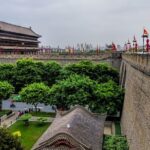
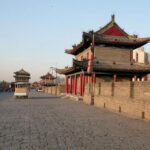
On Day 2, the tour hits Xi’an City Wall (Chengqiang). You’ll spend about three hours, and admission is included.
This is one of the best “payoff-per-footstep” activities in Xi’an. The wall area gives you a real sense of scale—Xi’an was designed to be defended, and the wall makes that idea physical. On a good day, it’s also a great way to understand how the modern city grew around old defenses.
The tour schedule notes that City Wall Park is a place locals use for fun and exercise. That matters because it shifts the mood: this doesn’t feel like you’re being herded through an attraction. You’re more likely to see people jogging, strolling, and living their daily routines while you soak up the views.
Practical reality check: three hours sounds generous, but you’ll still move through sections, pause for photos, and likely climb or walk depending on where you enter. Go slow, drink water, and give your legs a warm-up period in the first 30 minutes.



Shaanxi History Museum stop: the context builder you’ll thank yourself for
The tour overview also includes Shaanxi History Museum. This is the stop that helps everything else click. Even if you only spend part of your attention on the displays, you’ll come out with better “why it happened” framing for:
- Qin-era power and tomb culture
- Xi’an’s role as a major historic crossroads
- How religion and governance evolved across dynasties
In my experience, when you hit Terracotta Warriors first and then a museum later, the museum becomes less confusing. That’s why this history stop is valuable: it acts like a translator for what you just saw.
If you find museum galleries a little slow, pick two or three sections to focus on and don’t feel guilty skipping the rest. The goal is to leave with a mental thread, not to pass a final exam.
Muslim Quarter lunch: a guide picks the spot so you can focus on eating
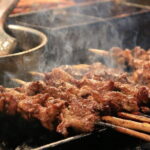
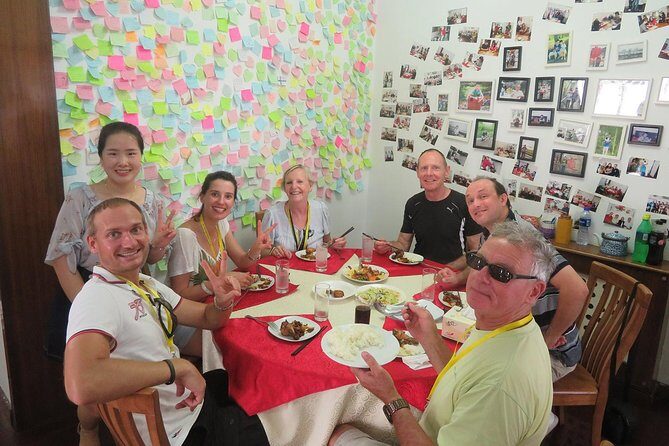
After the City Wall, you’ll head to the Muslim Quarter for lunch. The plan describes it as a snack street with stalls and restaurants run by Muslims, and your local guide will lead you to a selected restaurant.
This is smart. The Muslim Quarter is famous, but that also means it can be overwhelming if you’re hungry and trying to read everything at once. Having a guide choose where you eat saves time and cuts down on the risk of ending up somewhere that looks good from the outside but under-delivers.
Your scheduled time here is about one hour, and admission is listed as included. You’ll want to treat this as a quick, satisfying reset before the late-afternoon main event.
What to expect: plenty of smell, lots of options, and a chance to try local street-food style dishes without turning your lunch into a decision marathon.
Emperor Qinshihuang Mausoleum and Terracotta pits: how to see the Three-Pit layout
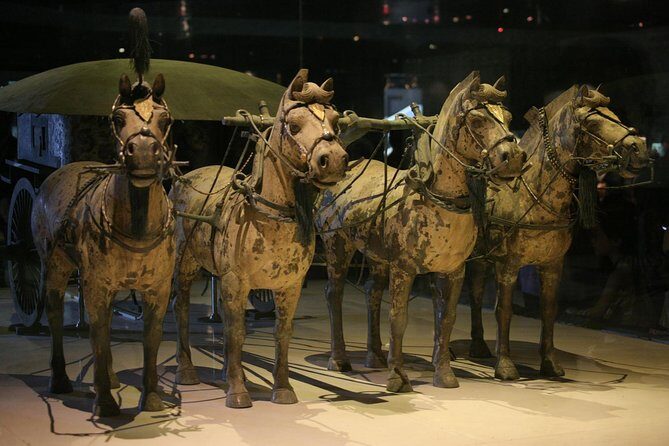
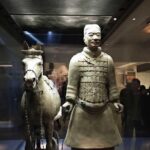
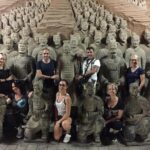
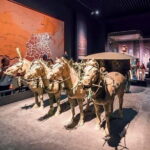
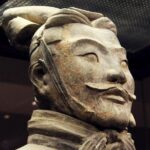
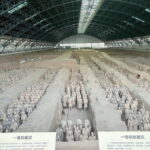
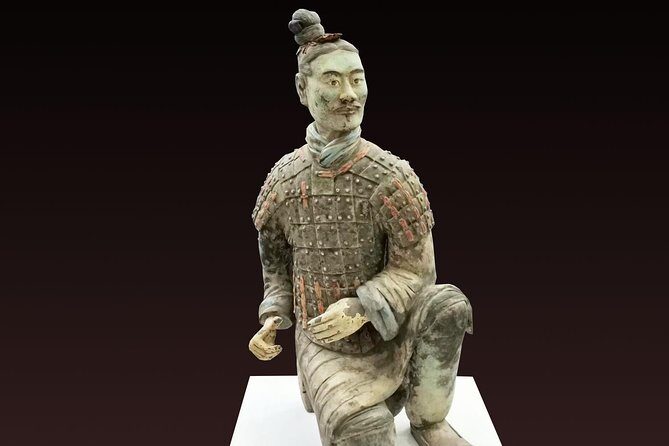
The emotional centerpiece is the Emperor Qinshihuang’s Mausoleum Site Museum, scheduled for about three hours, with admission tickets included. This is where you’ll visit the three pits of the Terracotta Army.
The tour notes that Pit No. 1 is the largest and the first unearthed pit, with over 6,000 full-scale terracotta warriors and horses. It also mentions that about 1,0-something (the figure is cut off in the details you provided), is currently on display or preserved.
Here’s how I’d approach it so you get more than a one-time wow:
- Don’t race from one pit view to the next. Let your eyes adjust.
- Spend a few extra minutes looking at the arrangement and how the figures create a sense of formation.
- If your guide explains differences between areas or what each pit represents, lock in on that. That’s where the meaning lives.
Three hours sounds like a lot, but in practice it lets you absorb the scale without feeling whipped. You also get time to walk at a comfortable pace and ask questions instead of trying to decode everything through signage alone.
And if you’re thinking, yes, this is the kind of place you’ve seen in photos—still worth it. The scale is hard to appreciate until you’re standing there.
Who this tour suits best (and who should skip it)
This is a strong match if you want:
- Private, English-speaking guidance so you spend more time understanding and less time figuring out logistics
- A two-day plan that hits both the Terracotta Warriors and major city landmarks like City Wall and Big Wild Goose Pagoda
- Included tickets and transfers so you aren’t juggling multiple vendors
It’s less ideal if:
- You can’t handle longer walking days. The tour explicitly says it’s not suitable for people over 80.
- You prefer very unstructured time. This plan is packed with scheduled stops.
For families, the tour says children must be accompanied by an adult. Since the schedule is active, families should plan on pacing and breaks.
A quick word on guides: what you’ll likely experience
The tour details mention a private English-speaking tour guide. And the provided examples of guides include names like Celine, Carol, Tracy/Tracey, and Lily. Different guides will have different speaking styles, but the consistent theme from the information is that the guide role is central—answering questions, keeping the schedule smooth, and giving context at the big sites.
If you enjoy asking why a place matters (instead of only what it looks like), a guided setup is where you’ll feel the value the most.
Should you book this 2-day Warriors + Xi’an attractions tour?
Yes—if you want a high-value, private plan that strings together Xi’an’s top attractions with fewer headaches. The ticketed museum stops, the included transfers, and the decision to avoid shop/factory/tea detours make it feel built for real sightseeing time. The Terracotta Warriors plus City Wall plus pagodas is a classic Xi’an combo, and the guide-driven pacing helps you see more without losing your sanity.
If you hate busy schedules or have limited mobility, pause and consider a slower itinerary. But for most people willing to walk and soak up major sights, this looks like a smart way to experience Xi’an in just two days.
FAQ
What time does the tour start?
The meeting start time listed is 8:00 am.
Where do you get picked up?
Pickup is offered from Xi’an Airport, Xi’an Railway Station, or Xi’an North Railway Station based on your arrival time (with the start point also noted as Xianyang Airport area).
How long is the tour?
It’s scheduled for about 2 days.
Are entrance tickets included?
Yes. Entrance tickets are included for the listed stops.
Is breakfast included?
Yes, breakfast is included.
Is the tour private or shared?
It’s described as a private tour/activity, meaning only your group participates.


More 2-Day Experiences in Xian


More Tours in Xian
- Mini Group Xian Day Tour to Terracotta Army, City Wall, Pagoda and Muslim Bazaar
★ 5.0 · 1,320 reviews
More Tour Reviews in Xian
- Mini Group Xian Day Tour to Terracotta Army, City Wall, Pagoda and Muslim Bazaar
★ 5.0 · 1,320 reviews