REVIEW · BEIJING
8-Day All-inclusive Private Tour to Beijing, Xi’an and Shanghai
Book on Viator →Operated by Travel China Guide · Bookable on Viator
Three signature cities, and a plan that keeps moving. I like how this tour ties together the big-name sights with private, guided pacing and included internal transport. You’ll also spend your time where it matters most: walking the courts, walls, and streets that define Beijing, Xi’an, and Shanghai.
Two things I especially like are the visit structure—so you’re not just staring at photos—and the way the day-to-day logistics are handled for you. One thing to consider is that some meals are still on your own, and the tour is non-refundable, so you’ll want to be sure of your dates before booking.
In This Review
- Key highlights you’ll actually feel on the trip
- What the all-inclusive setup really covers (and why it matters)
- Day 1 in Beijing: airport meet-up, hotel check-in, and a calm start
- Tiananmen Square and the Forbidden City: seeing power, ritual, and scale
- Yonghegong (Lama Temple) and Temple of Heaven: two very different spiritual worlds
- Day 3: Mutianyu Great Wall with cable car, plus Bird’s Nest views and Hutongs
- Summer Palace, then high-speed train to Xi’an: a long day that’s worth it
- Day 5: Terracotta Warriors, hands-on clay making, and the Tang-era Xi’an vibe
- Xi’an City Wall and Great Mosque: walking the edges of empires
- Shanghai Museum, Yu Garden, Huangpu cruise, and the Bund at your pace
- Day 8: airport transfer, last breakfast, and a clean finish
- Price and value: where this private package earns its cost
- Who should book this tour (and who should reconsider)
- Should you book this 8-Day Beijing–Xi’an–Shanghai private tour?
- FAQ
- How long is the tour?
- Where does the tour start and when?
- Is this a private tour?
- What city-to-city transportation is included?
- Are entrance tickets included?
- What meals are included?
- Is the tour refundable?
Key highlights you’ll actually feel on the trip
- Private guide + driver means fewer waits and faster decisions at each stop
- Mutianyu Great Wall with a round-trip cable car for easier wall time
- Terracotta Warriors museum plus hands-on mini clay-warrior making
- Huangpu River cruise paired with The Bund free time for flexible pacing
- 5-star hotels for 8 nights with breakfasts included
- City-to-city travel is handled with high-speed train and a flight
What the all-inclusive setup really covers (and why it matters)
This isn’t an add-on-heavy style of tour. You’re getting 5-star hotel accommodation for 8 nights, daily breakfasts, a professional guide, and an experienced driver with an air-conditioned vehicle.
It also includes the major transit between cities: a one-way high-speed train from Beijing to Xi’an, plus a one-way economy-class flight from Xi’an to Shanghai. On top of that, entrance fees for the listed sights are included, along with two bottled waters per person per day.
For your budget, the “value” here comes from removing the hardest-to-plan parts: timing train stations, buying tickets for top attractions, and coordinating city transfers. If you prefer not to spend your vacation hunting down logistics, this is built around that.
You can also read our reviews of more private tours in Beijing
Day 1 in Beijing: airport meet-up, hotel check-in, and a calm start
Your tour begins with a guide meeting you at Capital Airport Shunyi and transferring you to your hotel. After that, you can either relax or do some self-exploration with suggestions from your guide.
This first day is intentionally light. It matters because Beijing can feel overwhelming on arrival, especially if your trip starts with language and traffic stress.
You’ll also have an easy reference point for the rest of the trip: from here on out, the plan becomes more structured with set sightseeing blocks and guided timing.
Tiananmen Square and the Forbidden City: seeing power, ritual, and scale
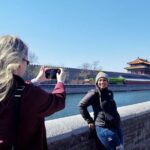
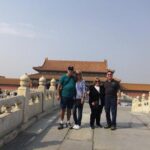
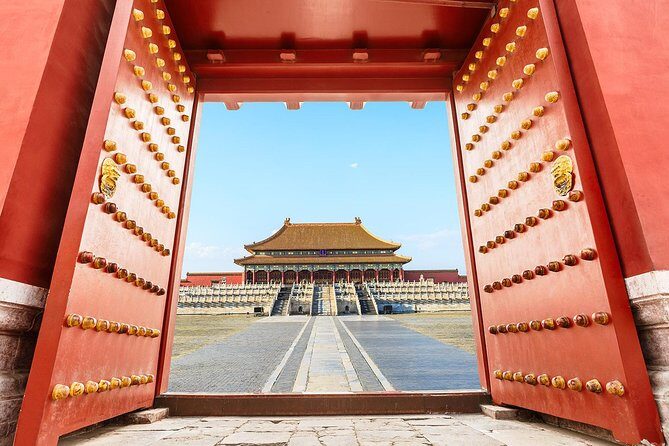
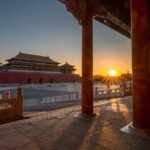
Day 2 starts at Tiananmen Square, and it’s exactly what you expect and more. The sheer size is the point, and it helps you understand how imperial Beijing was designed around ceremony and movement.
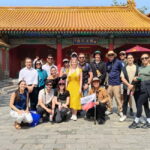
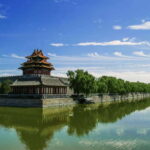
Next comes the Forbidden City (The Palace Museum). You’ll explore the palace halls and pavilions that shaped both politics and daily life for the emperor, and you’ll see ancient art treasures along the way.
Two practical tips that can make this day easier: wear shoes that handle long walking, and plan to move at a steady pace rather than rushing between highlights. The Forbidden City is the kind of place where you feel better slowing down and letting the scale sink in.
Yonghegong (Lama Temple) and Temple of Heaven: two very different spiritual worlds
In the afternoon you visit Lama Temple (Yonghegong), a preserved imperial lamasery with a blend of Han, Mongolian, and Tibetan architecture. This stop adds variety after the imperial palace focus, and it gives you a different angle on how belief shaped city life.
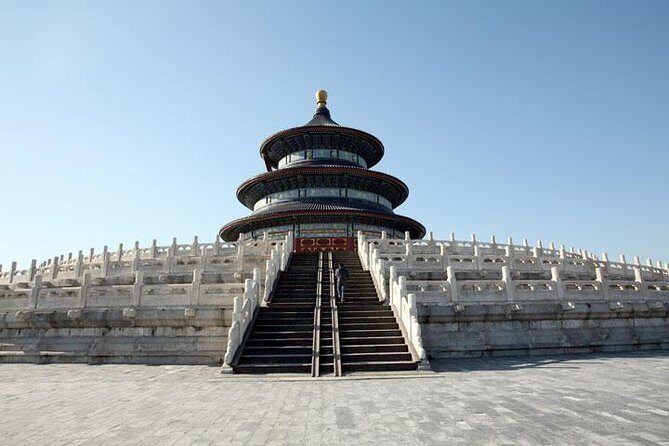
Then you’ll see the Temple of Heaven, where emperors worshiped the heavens in hopes of good harvests. The architecture here is distinctive, and it’s worth paying attention to how the buildings relate to the wider complex.
This pairing works well because it shifts from courtroom power to sacred ritual. You get contrast, not repetition.
Day 3: Mutianyu Great Wall with cable car, plus Bird’s Nest views and Hutongs
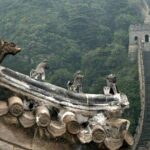
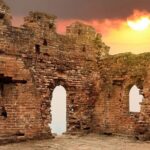
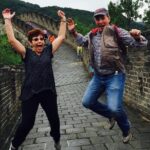
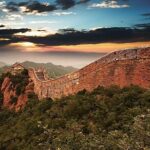
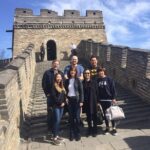
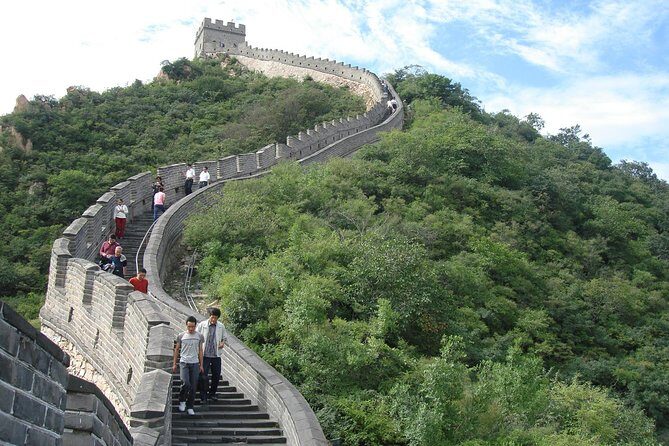
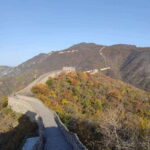
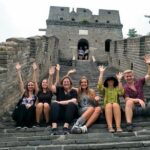
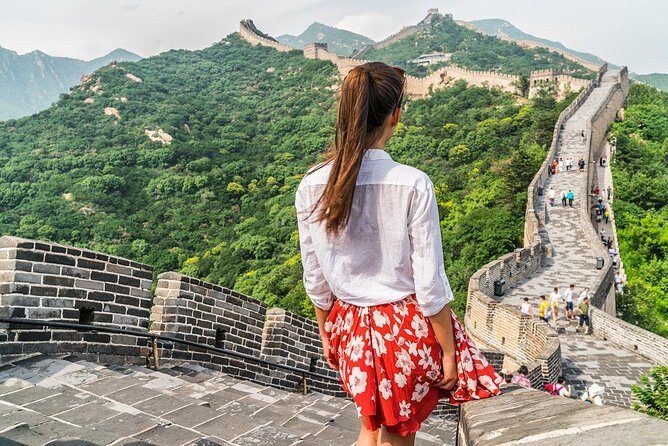
The day’s centerpiece is Mutianyu Great Wall. You’ll go by car to the wall area, and you’ll have round-trip cable car arranged so you spend more time walking and less time wrestling with logistics.
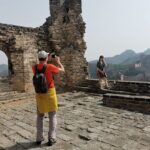
Standing on the wall and seeing it stretch up and down is the memory-maker moment. It’s also one of the best choices for comfort because the cable car reduces the steepest climb for many visitors.
After the wall, you get a photo stop at Niaochao National Stadium, also called the Bird’s Nest, from a distance. It’s not about touring the inside, but it’s a neat Beijing anchor point if you like Olympic architecture.
Then comes something that feels more local: a hutong tour by rickshaw. You’ll explore original alley lanes, and you’ll have a chance to visit a local family, which is a good way to break the sightseeing “bubble” of the day.
Summer Palace, then high-speed train to Xi’an: a long day that’s worth it
Day 4 includes Summer Palace (Yiheyuan) first. It’s described as the largest existing imperial garden, with landscapes and major constructions that help you visualize elite life outside the palace walls.
After that, you switch cities via a 5-hour high-speed train to Xi’an. Your local guide and driver meet you at Xi’an North Railway Station and take you to check into the hotel.
This is where smart planning shows. Instead of losing a full day to transfers, you’re using modern transport to keep the trip’s tempo. It still feels like a travel day, though, so treat it like one: hydrate, eat when you can, and don’t overschedule your evening.
Day 5: Terracotta Warriors, hands-on clay making, and the Tang-era Xi’an vibe
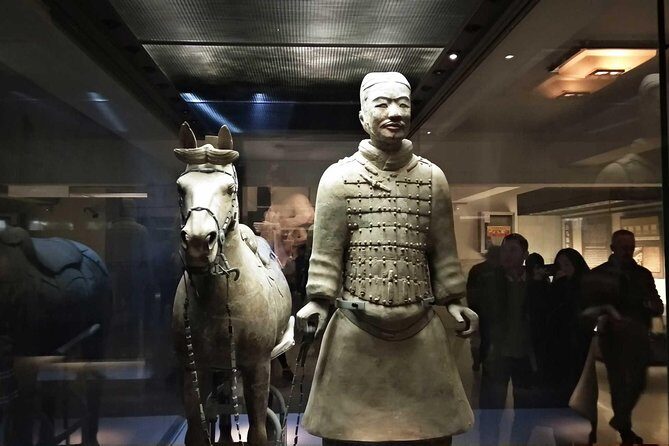
The main event is the Museum of Qin Terra-cotta Warriors and Horses. You’ll move through the three excavated pits featuring thousands of warrior figures and ancient weapons, and it’s the kind of attraction that’s hard to fully absorb in a rush.
After the museum, you visit the home of the first discoverer of the Terracotta Army. That small shift from display to discovery-story helps connect the site to a real moment in time rather than a distant legend.
Then there’s a hands-on activity: making a mini clay warrior with a local artisan. I like this part because it gives you a physical souvenir and a calmer pace in the middle of a big-ticket day.
In the afternoon you’ll go to Big Wild Goose Pagoda (Dayanta), built in the Tang Dynasty to store Buddhist scriptures brought from ancient India. After that, you get free time at Grand Tang Dynasty Ever-Bright City, a pedestrian street where people wear traditional-style outfits and the atmosphere feels more staged than a museum—but still fun if you enjoy lively culture.
Xi’an City Wall and Great Mosque: walking the edges of empires
Day 6 begins with a relaxed stop at City Wall Park, where you can observe day-to-day life of locals. Then you head to the Xi’an City Wall, described as the most complete existing urban fortification in China.
One of the most practical bonuses here: cycling is offered and many people enjoy it, though the bike rental fee is not included. If you do rent, consider it as optional splurge time rather than a must-do.
Next you visit the Great Mosque of Xi’an, notable for combining Chinese traditional and Islamic architectural styles. Then you head to Muslim Quarter, a lively bazaar area where you can explore for local snacks and handicrafts.
This day gives you a bigger map of Xi’an than just “Terracotta + pagoda.” You’re seeing layers of influence in the street texture.
Finally, you fly to Shanghai. Your local guide meets you at the airport and takes you to your hotel check-in.
Shanghai Museum, Yu Garden, Huangpu cruise, and the Bund at your pace
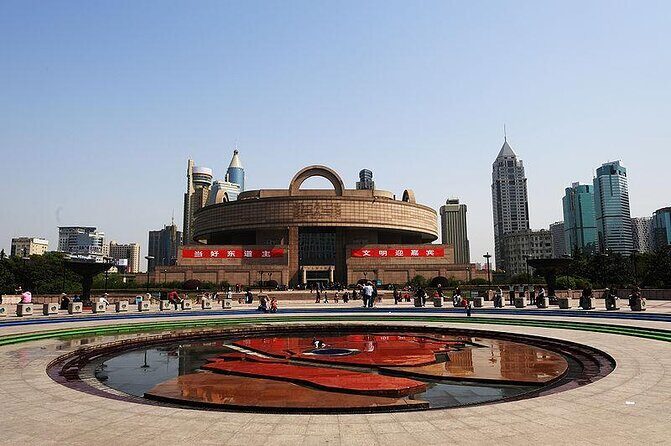
Day 7 starts with Shanghai Museum, one of the four largest museums in China, focused on artworks from ancient times. This is a good counterweight to the open-air sights earlier in the trip.
Then you explore Yu Garden (Yuyuan). You’ll see features like the Nine Zigzag Bridge and the mid-lake pavilion, and it’s the kind of garden where smaller details reward slow walking.
Around midday you’ll be served an a la carte farewell lunch valued at CNY150 per person. If you eat slowly here, you can keep the rest of the afternoon feeling unhurried.
After lunch, you take a one-hour cruise along the Huangpu River, described as Shanghai’s “mother river.” The big advantage is perspective: you see the city from water level, which makes the skyline feel less like a photo background and more like a living system.
Then comes The Bund (Wai Tan) with free time. You can wander, take photos, and time your visit for comfort.
Your final stop is Tianzifang, a traditional street known for arts and cultural atmosphere. It’s a fitting closing chapter after big monuments, because it lets you end on something human-scale.
Day 8: airport transfer, last breakfast, and a clean finish
On the final morning, you have breakfast at the hotel. Then your private guide and driver pick you up and transfer you to the airport so you can leave on time.
This ending matters. It means you’re not scrambling for transport or adding one more stress point before flying home.
It also helps you pack rationally, since you know the trip ends with a simple “go to airport” mission instead of another long sightseeing sprint.
Price and value: where this private package earns its cost
The price is $2,169 per person for an 8-day private all-inclusive plan. On its face, that’s not cheap, but you’re also paying for the parts that are usually the most time-consuming to manage yourself.
Here’s what you’re getting that drives value:
- 5-star hotels for 8 nights with breakfasts
- Airport meet-up and transfers with a driver and air-conditioned vehicle
- Entrance fees for the listed major sights
- A guide across the days you’re touring
- Beijing → Xi’an by high-speed train and Xi’an → Shanghai by flight, rather than slower bus-and-stop travel
- Some meals included, including a Beijing welcome lunch and a Shanghai farewell lunch, plus a third included lunch as part of the program
Private guiding is also a quality-of-life upgrade. You’re not negotiating museum timing on your own, and you’re not stuck waiting around for a group pace.
The main value trade-off is that private routing usually costs more than group tours, so the “good deal” depends on whether you’ll use the time efficiently and want the comfort of having someone manage the handoffs.
Who should book this tour (and who should reconsider)
This tour fits you well if you want to check the headline sites—Great Wall, Forbidden City, Terracotta Warriors, and the Bund—without fighting logistics. I also think it suits people who like structured days, but still appreciate breaks like hutong rickshaw time and free time around the Bund.
It also makes sense if you’re traveling with a small group and want minimum waiting and maximum attention from the guide. Since it’s private, your plan stays focused on your pace rather than a rotating group schedule.
You might want to reconsider if:
- You need strict flexibility with dates, since the tour is non-refundable and cannot be changed
- You prefer every single meal to be included, since some lunches are on your own
- You dislike long transit days, since the route includes both train and a flight
Should you book this 8-Day Beijing–Xi’an–Shanghai private tour?
If you want a guided, high-comfort way to hit three of China’s most famous city clusters, I’d say this is a strong candidate. The combination of private guide service, included top entrances, and city-to-city transport saves you a lot of planning energy.
Book it if you value efficiency and want your days to be packed with the right stops—without turning your trip into a ticket-buying project. Skip it if you’re likely to change dates or if you want fully custom meals and pacing every single day.
FAQ
How long is the tour?
It runs for 8 days (about 8 days).
Where does the tour start and when?
The meeting point is Capital Airport Shunyi, Beijing 101300 China, with a start time of 9:00 am.
Is this a private tour?
Yes. It’s a private tour, and only your group participates.
What city-to-city transportation is included?
You’ll travel one way by high-speed train from Beijing to Xi’an, and one way by economy-class airfare from Xi’an to Shanghai.
Are entrance tickets included?
Entrance fees to the tourist sites listed in the program are included.
What meals are included?
Breakfast is included for 7 days, and lunch is included for 3 days. The itinerary specifically includes a Beijing welcome lunch and a Shanghai farewell lunch.
Is the tour refundable?
No. It is non-refundable and cannot be changed for any reason. If you cancel or ask for an amendment, the amount you paid is not refunded.