REVIEW · BEIJING
Private Beijing Shopping Tour
Book on Viator →Operated by Discover Beijing Tours · Bookable on Viator
Shopping in Beijing feels chaotic without help. This private 4–6 hour shopping outing turns that chaos into a plan: you get a local guide, hotel pickup (within the 4th ring road), and a private vehicle to move you between major markets while you store shopping bags in air-conditioned comfort. I love how the guide builds the route around what you want, from pearls and prescription glasses to antiques, electronics, housewares, tea, and Chinese cooking supplies. I also love that the logistics are handled for you, so you spend your time bargaining and comparing instead of hailing taxis with armfuls of bags.
One thing to consider: if you don’t set clear priorities, some of the markets can start to feel repetitive because you’re moving through many stalls with overlapping merchandise.
The trip is designed for practical shopping. After you tell your guide your interests, they suggest the order of stops and keep you moving at a pace that matches your goals. You’ll also get help with translation and questions about wares, plus tips on where to look (and when to avoid overpaying).
In This Review
- Key Things I’d Bet You’ll Care About
- Price and Value: Why This Tour Can Make Sense at $148
- Who This Private Beijing Shopping Tour Is Best For
- The Private Car Advantage (And Why It Matters)
- Bargaining Basics: How to Get Better Deals Without Getting Strained
- Stop 1: Hongqiao (Pearl) Market for Pearls and Prescription Glasses
- Stop 2: Liulichang Street (Liulichang Antique Market) for Antiques and Decorative Finds
- Stop 3: Maliandao Tea Street for Tea Shopping with 1,000+ Vendors
- Stop 4: Panjiayuan Antique Market for Unique Souvenirs and Antiques
- Stop 5: Xiushui (Silk Street/Pearl Market) for Souvenirs, Clothing, and a Cafe Break
- If You Love Chinese Cooking: The Local Supply Market Option
- Your Guide Makes or Breaks the Day: Real Examples of What to Expect
- What’s Included (So You’re Not Doing Admin All Day)
- Timing: How to Use the 4–6 Hours Wisely
- Should You Book This Private Beijing Shopping Tour?
- FAQ
- FAQ
- How long is the private Beijing shopping tour?
- What does the $148 price include?
- Do you need to pay for admission at each market?
- What’s not included in the tour price?
- Is the tour truly private?
- What payment should I prepare for?
- Will I have help with language and questions about items?
Key Things I’d Bet You’ll Care About
- A guide who steers your shopping so you’re not guessing which stalls are worth your time
- A private car for bag storage (and comfort) while you hop between markets
- Bargaining help so you can negotiate without feeling lost
- Big variety in a short window: pearls, antiques, tea, and general shopping all in one day
- Optional refresh breaks at outdoor cafes during the shopping stretch
Price and Value: Why This Tour Can Make Sense at $148
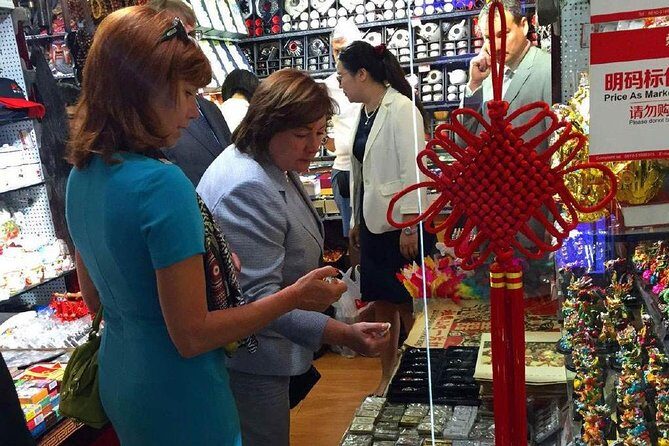
At $148 per person for roughly 4–6 hours, the best value here is not the shopping itself. The value is the mix of (1) local guidance, (2) private transport, and (3) someone helping you avoid common mistakes—like paying too much because you didn’t know where to go first.
If you tried to DIY this, you’d face multiple problems fast: navigating several separate markets, losing time to transit, carrying purchases between stops, and negotiating without language support. This tour bundles those headaches into one clean service. It also includes bottled water, hotel pickup and drop-off (hotels within the 4th ring road), and round-trip private transfer, which adds real savings on time and stress.
It’s also flexible. The guide can customize the itinerary to your shopping interests, so you’re not forced into a one-size-fits-all circuit. If your list is focused—like pearls plus tea plus a couple antique stops—this can feel like a smart use of a limited Beijing day.
You can also read our reviews of more private tours in Beijing


Who This Private Beijing Shopping Tour Is Best For
This works especially well if you:
- Have limited time in Beijing and want a shopping “route” with minimal hassle
- Want someone to help you compare prices and negotiate
- Are shopping for specific categories like pearls, antiques, tea, or prescription glasses
- Prefer buying in markets rather than endless malls, but still want direction
- Want comfort: a private vehicle to store bags and keep you out of transit delays
You might skip it if you already know exactly where you want to go, plan to wander calmly, and don’t need help with translation or bargaining. Since the markets are many and the goods overlap, an unguided day can be perfectly fine—just not as efficient.
The Private Car Advantage (And Why It Matters)
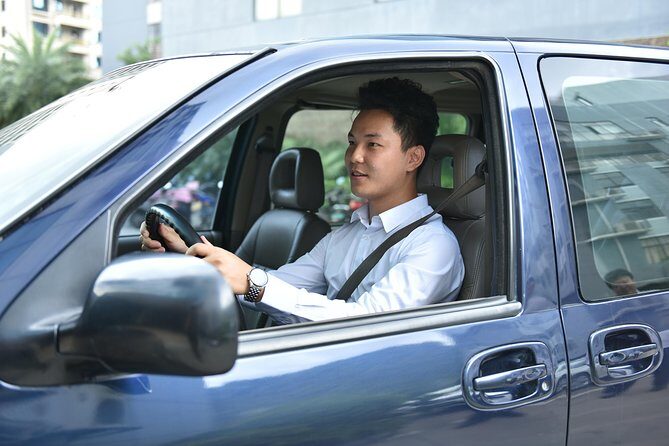
Beijing markets reward speed and stamina. You’ll be walking through dense areas with lots of small items, packaging, and bags. The tour’s private transportation setup changes the vibe: you can keep purchases manageable and avoid the drag of hauling everything around for hours.
Your guide also manages the flow of the day. After you finish shopping, you head back to your air-con transport and the chauffeur takes you and your bags back to your hotel. In practice, that means you’re less likely to end the day exhausted and empty-handed.
Bargaining Basics: How to Get Better Deals Without Getting Strained
Bargaining is part of the experience here, and that’s where the guide can make a difference. Even if you’re comfortable negotiating, a local can help you:
- Spot where the real options are (and where you’re paying for convenience instead of value)
- Avoid getting pulled into the first offer
- Ask the right questions when you don’t know how something is made or graded
- Keep the conversation moving so you don’t lose an hour to one stall
Your best preparation is simple. Bring cash in CNY because many markets primarily accept Chinese payment. Having cash on hand also makes it easier to negotiate quickly instead of searching for an ATM mid-bargain.
Stop 1: Hongqiao (Pearl) Market for Pearls and Prescription Glasses
You’ll begin at the Hongqiao, often called the Pearl Market. If pearls are on your list, this is the place to start. The guide will tailor the early part of the day to your priorities, and you can expect strong selection in this category.
This stop is also useful if you want prescription glasses. The market area includes shops where glasses can be prepared in a few hours, which is a big deal when you’re trying to fit shopping into a short itinerary.
What to watch for at this stop:
- Expect lots of choices and lots of sellers. Your guide’s job is to steer you toward better matches for your budget.
- If glasses are your focus, ask questions and keep your expectations realistic about timing and fitting.
- Bring cash in CNY so buying is quick, and you can negotiate without delays.
A downside for some shoppers is that this market is broad and busy. If you only want one small item, you may feel like you’re walking past more than you need. That’s exactly why having a guide who can shorten the hunt is valuable.
You can also read our reviews of more shopping tours in Beijing

Stop 2: Liulichang Street (Liulichang Antique Market) for Antiques and Decorative Finds
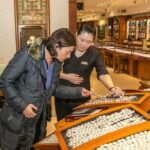
Next you’ll head toward Liulichang Antique Market, known for antiques and unique Chinese décor. This is a more gift-friendly stop if you like the idea of bringing home items that feel cultural rather than mass-produced.
This area works well when you want:
- Decorative pieces that look distinct on a shelf or wall
- Antique-style souvenirs that don’t feel like standard market kitsch
Potential drawback: antiques take time. Even if you’re only browsing for 45–60 minutes, you may find yourself slowing down to compare details like materials, workmanship, and wear patterns. That can be fun, but it’s not the fastest stop if you’re rushing.
The best move is to decide your budget range early. With a guide, you can ask for comparisons and focus your attention on pieces that fit your intent, not just the first attractive display.
Stop 3: Maliandao Tea Street for Tea Shopping with 1,000+ Vendors
Then comes Maliandao Tea Street, where the tea selection is massive—more than 1,000 vendors. If you like trying different teas or you want to bring back gifts that are actually useful, this stop can be the highlight of your day.
Why this stop works on a private tour: with so many vendors, an unguided walk turns into endless searching. With a guide, you can focus quickly, ask questions, and narrow down choices.
Practical tips for tea shopping here:
- Have a clear goal: gift tea, personal stash, or specialty boxes you can share.
- Ask about what you’re buying and how it’s best used. If translation is a concern, your guide can help.
- Keep an eye on packaging. Tea is easy to damage with heat and mishandling, so you’ll want it protected for transport.
This stop can also expand into cooking-related shopping later, depending on what you want. Some people love pairing tea with Chinese cooking supplies so they’re building a full home “flavor kit.”
Stop 4: Panjiayuan Antique Market for Unique Souvenirs and Antiques
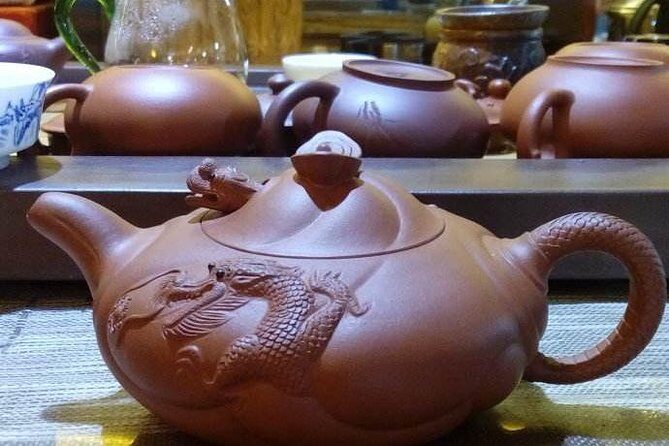
After tea, you’ll shift to Panjiayuan Antique Market, a favorite for souvenirs and antiques that feel more personal than the typical mass-market finds.
This is a good stop if you’re shopping for:
- Smaller collectible items
- Unique souvenirs that stand out compared to standard travel trinkets
- Antique-style pieces that match a theme you already like
The drawback here is the same challenge as most antique-heavy markets: quality varies. You can’t assume that what looks great is priced fairly. That’s where the guide’s negotiation and local knowledge becomes useful. If you don’t want to second-guess your purchases all evening, having support helps you buy with confidence.
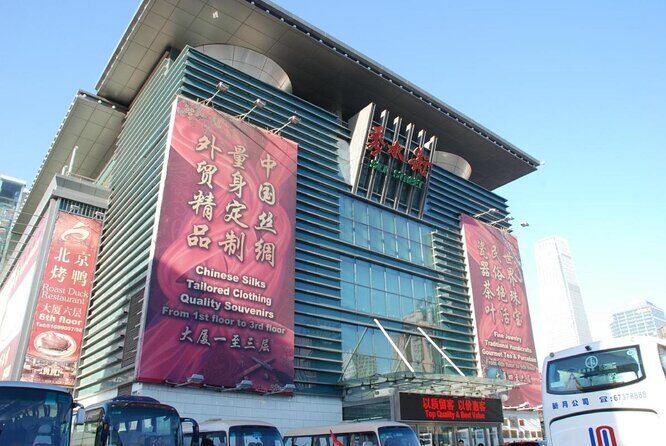
Stop 5: Xiushui (Silk Street/Pearl Market) for Souvenirs, Clothing, and a Cafe Break
The day often turns toward more general shopping at Xiushui, sometimes referred to alongside Silk Street. This is a practical area if you want to hunt for souvenirs that cover a wider range, including clothing and other everyday items.
Your guide will offer tips on which vendors to visit depending on what you’re after. That matters because in markets like this, the first stalls you see aren’t always the best.
You’ll also get a built-in moment to reset with a break at one of the outdoor cafes. Drinks are your own expense, but the idea is simple: sit, hydrate, and watch locals go about their day instead of shopping nonstop until you’re wiped out.
One more note: because you’re covering several market styles in one day, you may see overlapping merchandise. That’s not a flaw of the tour. It’s just how these areas are. The win is that your guide can help you pick the better match instead of seeing everything and buying nothing.
If You Love Chinese Cooking: The Local Supply Market Option
If cooking-themed shopping is your priority, the tour can shift to a local supply market for Chinese cooking items. The exact focus depends on your interests, but the goal is clear: help you find ingredients or supplies that feel more authentic and useful than typical tourist goods.
This is a smart move if your goal is less “collect souvenirs” and more “bring home something I’ll use.”
Your Guide Makes or Breaks the Day: Real Examples of What to Expect
This tour’s success relies on the guide’s communication and bargaining support. You’ll likely get a local who calls or connects around your start time to confirm what you’re shopping for, including time and interests. One example from the guides associated with this experience is Susan, who reportedly contacted a hotel guest shortly after booking to confirm timing and ask what they wanted to buy.
Bargaining support can also be a big deal. Sally is described as steering shoppers to the right places and helping handle negotiations so you don’t feel misled. And if you’re thinking about language comfort, Becky is mentioned for English skills and for listening closely to what people want before taking them to the right spots.
These names are worth keeping in mind because they hint at the larger point: you’re paying for more than “transport.” You’re paying for a guide who can translate your goals into the right market path.
What’s Included (So You’re Not Doing Admin All Day)
Included in the tour:
- Bottled water
- Hotel pickup and drop-off for hotels within the 4th ring road
- Local guide
- Private tour
- Round-trip private transfer
Not included:
- Food and drinks (you’ll find chances to grab refreshments, including a cafe break during the shopping stretch)
- Additional hours at $30 per hour if you want more time
Also, you’ll want to plan around payment realities. Many markets mainly accept CNY, so cash is your friend.
Timing: How to Use the 4–6 Hours Wisely
The tour is built for movement between multiple markets, so it works best when you give your guide a clear starting list. If you come in with vague ideas like I just want souvenirs, you’ll probably still have fun, but you’ll be more likely to end up walking through many stalls without feeling satisfied.
A better approach is to share:
- 1–2 must-buy categories (pearls, tea, antiques, glasses, cooking supplies, electronics, clothing, etc.)
- Your budget range (even a rough one)
- Your preferred shopping style: quick and decisive vs. slow browsing
That lets your guide customize the order and spending time where it counts.
Should You Book This Private Beijing Shopping Tour?
Book it if you want market shopping with guardrails: a private car, a local guide, help with translation, and support for bargaining. It’s especially worth it if you’re short on time, want focused results, or you’re shopping for items like pearls, tea, antiques, or prescription glasses where knowing the right stalls speeds everything up.
Skip it (or consider a simpler plan) if you’re mainly browsing, dislike negotiating, or you already know exactly where you want to shop and plan to manage transit and bag-carrying yourself.
One final practical thought: bring cash in CNY and come with priorities. With those two moves, the tour stops feeling like a shopping marathon and starts feeling like a smart Beijing day with less stress and better decisions.
FAQ
FAQ
How long is the private Beijing shopping tour?
It runs about 4 to 6 hours, depending on how your guide customizes the route and how long you spend at each market.
What does the $148 price include?
The price includes hotel pickup and drop-off (within the 4th ring road), a local guide, a private tour, round-trip private transfer, and bottled water.
Do you need to pay for admission at each market?
The tour info indicates admission tickets are free for the listed market stops.
What’s not included in the tour price?
Food and drinks are not included. If you want extra time, additional hours are USD $30 per hour.
Is the tour truly private?
Yes. It’s a private tour/activity, so only your group participates.
What payment should I prepare for?
Many markets mainly accept Chinese CNY, so it’s a good idea to bring cash for easier purchases.
Will I have help with language and questions about items?
Yes. The guide can help with translation and questions about wares at the shopping locations.
If you want, tell me what you’re shopping for most (pearls, tea, antiques, glasses, electronics, cooking supplies, clothing), and I can suggest a smart way to set priorities for the 4–6 hour window.