REVIEW · BEIJING
Private Beijing Markets Tour with Tea Tasting at Hongqiao Pearl Market
Book on Viator →Operated by Lily's Tour Company · Bookable on Viator
Beijing markets, minus the stress. This private half-day tour takes you to two of the city’s best-known shopping stops—Panjiayuan Flea Market and Hongqiao Pearl Market—then adds a tea ceremony and tasting so the whole experience feels grounded, not chaotic.
I especially like the way the guide helps you get your bearings fast at Panjiayuan. You’re looking at a huge spread of items—everything from souvenirs to antiques and even Cultural Revolution-era pieces—so having a local perspective keeps you from wasting time. I also like the tea-focused break at Hongqiao, followed by hands-on bargaining support so you can shop with confidence.
One consideration: these markets are big, and you’ll be on your feet. Plan for standing and walking, and wear comfortable shoes even if you think you can get away with sneakers that are a little tight.
In This Review
- Key Points at a Glance
- Why Panjiayuan and Hongqiao Fit Together in Half a Day
- Panjiayuan Flea Market: A 3,000-Stall Hunt for Antiques and Interesting Copies
- Hongqiao Pearl Market Tea Tasting: Bargaining With Training Wheels
- How the Tour Moves: Pickup, Timing, and Staying in Control
- Price and Value: What $88 Buys You in the Real World
- What to Bring, What to Eat, and Who This Tour Suits Best
- Should You Book This Private Markets and Tea Tasting Tour?
- FAQ
- What’s included in the tour?
- How long is the private Beijing markets tour?
- Can I choose my departure time?
- Is lunch included?
- Is the tour private?
- What should I wear?
Key Points at a Glance
- Panjiayuan Flea Market spans 48,500 square meters with over 3,000 stalls to explore
- Tea ceremony and tea tasting at Hongqiao Pearl Market, a major shopping stop for food, jewelry, gifts, and souvenirs
- Bargaining support from your English-speaking guide so you know when to negotiate and when a price is already fair
- You choose the departure time between 8:30 a.m. and 10 a.m.
- Hotel pickup and drop-off are included, which saves you hassle and transit time
- Admission is free for the market stops listed in the plan
Why Panjiayuan and Hongqiao Fit Together in Half a Day
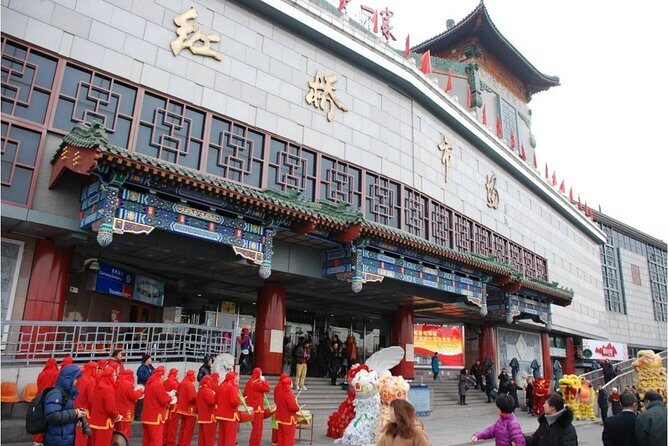
This tour works because it matches two different shopping moods in one tight window. Panjiayuan is the place to roam for antiques, art-like finds, and the kind of odd objects that make you stop and stare for a second. Hongqiao Pearl Market is more of an all-in-one shopping hall—lots of categories, lots of vendor energy, and plenty of chances to haggle.
The private format matters here. With only your group, your guide can steer you toward what fits your interests, instead of telling a crowd where to go and hoping everyone lands on the same page. It’s not about rushing. It’s about using the time you have well.
You’re also not forced into a long sit-down meal plan. The day includes tea ceremony time, then you can eat at Hongqiao when hunger hits. If you want something simple like noodles or dumplings, you can do that. If you’re after a bigger local lunch, you’re in a spot where you might find Peking duck options, depending on what vendors have that day.
At $88 per person for about 4 hours, the value comes from the mix: guided navigation in two major markets, plus the tea experience, plus door-to-door pickup. If you’re trying to shop independently, you’ll spend plenty of time figuring out routes, dealing with confusion, and negotiating without any context.
You can also read our reviews of more food & drink experiences in Beijing
Panjiayuan Flea Market: A 3,000-Stall Hunt for Antiques and Interesting Copies
Panjiayuan is huge—so huge it feels like a neighborhood. The market spreads across 48,500 square meters with more than 3,000 stalls. In other words, even if you have a list, you’re going to have moments where you wander, then realize you’ve walked into another mini-section of the market.
What I like about Panjiayuan is the mix. You’ll see souvenirs, reproductions, and real items side by side. The market is known for everything from late Qing Dynasty-style reproductions to pieces connected with the Cultural Revolution era. You might spot art prints and paintings, plus Tang dynasty-themed knock-offs—basically, the kind of objects that tell you what people want to buy and display in Beijing.
It’s also famous in a fun, real-world way: Hilary Clinton has been reported to shop here. Whether or not that’s your reason for going, it’s a sign that Panjiayuan draws big-name curiosity from outside China for a reason.
The best practical move at Panjiayuan is to decide early what you’re shopping for:
- antiques or art-style pieces
- novelty souvenirs
- gifts that won’t break your luggage
A good guide can help you aim for the right corners and stall types. If your guide is Lily, Lisa, or Lucy, you’re likely to get thoughtful direction on what’s worth time and what’s mostly decoration. The theme is the same: you’re not just walking; you’re shopping with intent.
The only drawback? This is not a calm stroll. It’s a proper market. It can be loud, crowded in places, and full of visual noise. If you hate being surrounded by sellers, you’ll still get value, but you’ll want to keep your shopping goals tight.
Hongqiao Pearl Market Tea Tasting: Bargaining With Training Wheels
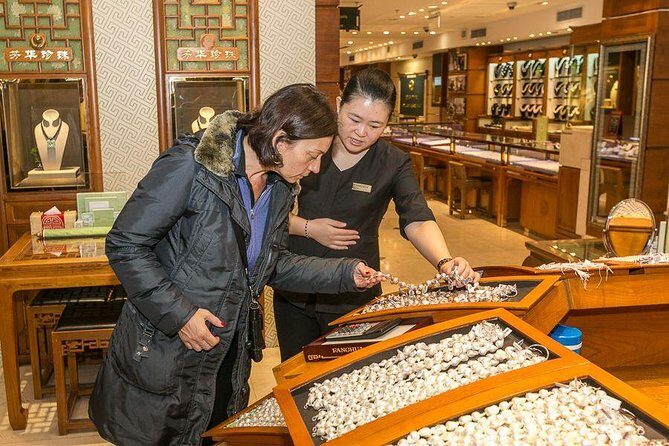
Hongqiao Pearl Market is often the stop that surprises first-time visitors. Yes, it’s a shopping market, but it also has a built-in rhythm: tea first, then you bargain. That tea ceremony and tea tasting help reset your brain, which matters because bargaining is mental work.
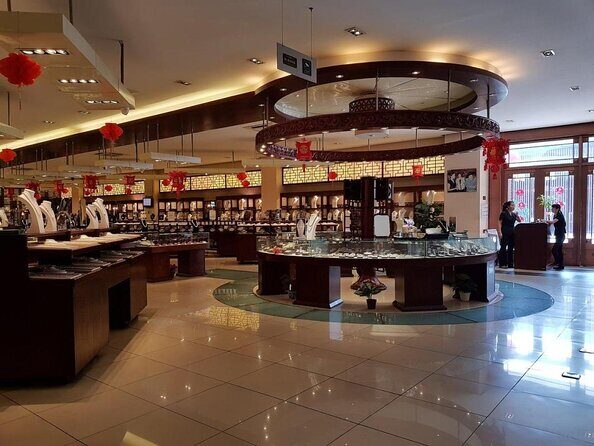
This market is big on variety. You can find things in almost every category you’d expect in a major tourist-shopping area—antiques, jewelry, clothes, toys, shoes, gifts, and plenty of souvenirs. You can also eat here as part of the experience, with lunch costs handled by you.
What makes Hongqiao feel more “useful” than a random shopping stop is the bargaining coaching. Your guide helps you negotiate in a way that doesn’t turn into stress. One practical detail I’ve heard guides emphasize: you should know when to continue negotiating and when to stop. Your guide can also help you avoid paying more just because someone talked louder.
From the haggling side, one helpful trick is using calculators and nonverbal signals to communicate. You don’t need a fluent back-and-forth to get through it. You just need respectful persistence—and a sense of value.
Another plus: lunch here is convenient. You don’t have to go hunting for food after shopping. You can grab dumplings, noodles, hotpot, or whatever you’re craving in the moment. If you end up trying Peking duck, it’s a satisfying way to end the shopping block with something unmistakably Beijing.
How the Tour Moves: Pickup, Timing, and Staying in Control
The tour runs about 4 hours and you can pick a departure time between 8:30 a.m. and 10 a.m. That range is useful because market crowds and energy shift over the day. Starting earlier often means you can browse with less pressure.
Hotel pickup and drop-off are included, which saves you time and avoids the awkward scramble of figuring out transport during a half-day window. The guide meets you at your hotel lobby, then you roll straight into Panjiayuan.
Once you arrive, the plan keeps moving. Panjiayuan is scheduled for about 2 hours. Then you head to Hongqiao for about 2 hours, where the tea ceremony and tea tasting happen alongside shopping and lunch time.
Also note the practical reality: you may make stops at other local markets and you can pick up lunch when you’re hungry. That flexibility is handy if you want more variety without trying to navigate multiple unknown places yourself.
Your guide isn’t just there for logistics. The private setup means your guide can help you quickly find the areas you care about. If you focus on one or two categories, you’ll leave with more meaningful purchases and fewer regrets.
If you’re trying to plan your day around this, I’d treat it like a shopping assignment, not a casual wander. Give yourself time afterward to rest, store bags, and check items before you toss them into your main luggage.
Price and Value: What $88 Buys You in the Real World
At $88 per person, you’re paying for three things: door-to-door convenience, guided market navigation, and a tea ceremony/tasting experience. You’re not just paying to enter markets—you’re paying to manage time and reduce friction.
Consider what it costs in effort to do this on your own. These markets are not small, and the bargaining culture rewards people who understand how negotiation works. A guide helps you avoid overpaying just because you’re tired, rushed, or unsure what a fair price looks like.
The tour is private, but it’s also designed so you can choose your group size. That can be good for couples, families, or small groups traveling together. And since this includes pickup, the value is stronger if your hotel is in a convenient area for pickup and you’d otherwise spend time coordinating transit.
Tea ceremony and tea tasting included is another value point. It turns your stop into more than shopping. You get a moment of cultural rhythm before the market sprint restarts.
One final value thought: both market stops list admission as free in the plan. That means you’re not paying hidden entrance fees on top of the tour price. You’ll still pay for purchases, and lunch is on your own dime, but the base tour doesn’t add extra entry costs.
You can also read our reviews of more private tours in Beijing

What to Bring, What to Eat, and Who This Tour Suits Best
First, bring comfortable shoes. This is explicitly the right move, and it’s also the realistic move. You’ll be moving through market aisles and dealing with crowded spaces. Even a short half day can feel long if your feet are unhappy.
Next, bring a plan for your budget. You’ll see a lot of items—some are worth it, some are mostly souvenirs, and some are reproductions rather than true antiques. If you want to avoid impulse buys, decide what you’re willing to buy before you arrive.
For lunch, remember: it’s your expense. The market food setup means you can usually choose dumplings, noodles, hotpot, or other options based on what’s available. If you want something that feels very local to Beijing, it’s a good place to look for Peking duck options, since that specific lunch choice has shown up in guides’ day outcomes.
Who should book this?
- You want a guided way to shop Beijing markets without getting overwhelmed
- You care about bargaining but don’t want it to feel awkward
- You like the idea of a tea ceremony break, not just a shopping marathon
- You prefer hotel pickup and drop-off over DIY transit
Who might hesitate?
- If you hate crowds or loud market energy, you’ll still get value from the tea and guide help, but you’ll need to mentally prepare for a lively environment
- If your main goal is deep museum-style history, this is more about shopping culture and market experience than formal sightseeing
This tour works especially well as a first or second market stop in Beijing. It gives you context and shopping confidence quickly.
Should You Book This Private Markets and Tea Tasting Tour?
I think this is a strong choice if you want a practical, guided way to experience two of Beijing’s major markets without wasting hours figuring things out. The private format and hotel pickup make the day feel efficient, and the tea ceremony gives you a nice break in the middle of the shopping energy.
Book it if you want bargaining help, quick navigation, and a mix of antiques-like finds and everyday shopping. I’d especially recommend it to couples and small groups who want autonomy but also want a guide to handle the messy parts.
Skip or reconsider if you’re looking for quiet, gallery-like browsing. Panjiayuan and Hongqiao are shopping worlds with real vendor noise and lots of movement. If that’s not your style, you’ll still learn something from the tea ceremony and the structure, but your enjoyment might depend on your tolerance for market chaos.
FAQ
What’s included in the tour?
The tour includes a tea ceremony and tea tasting, plus hotel pickup and drop-off.
How long is the private Beijing markets tour?
It runs about 4 hours (approx.).
Can I choose my departure time?
Yes. You can choose a departure time between 8:30 a.m. and 10 a.m.
Is lunch included?
No. Lunch is not included, and it’s a personal expense during the Hongqiao Pearl Market stop.
Is the tour private?
Yes. It’s a private tour/activity, and only your group participates.
What should I wear?
Wear comfortable shoes. The tour operates in all weather conditions, so dress appropriately for the conditions.