REVIEW · BEIJING
Beijing Hutong Breakfast Food Tour
Book on Viator →Operated by UnTour Food Tours · Bookable on Viator
Crispy jianbing in quiet alleyways beats crowds. This 3-hour Beijing Hutong Breakfast Food Tour helps you eat like a local in neighborhoods most people skip. I love how the guide leads you into real backstreets instead of dead-end tourist lanes, and how the food comes with context you can use right away. Two things I especially like: the small group (max 8) keeps it personal, and you get a wide range of classic morning dishes you’d struggle to order on your own. The only watch-out: it’s a walking tour, so come with comfy shoes and expect to pace yourself (the tastings add up to a proper meal).
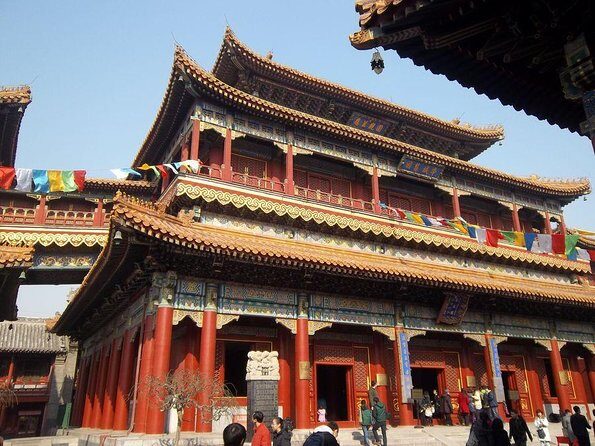
You’ll start just around the corner from Lama Temple, then work your way through hutong lanes behind the landmark, with stops designed to show how Beijing starts the day. You’re not just “tasting stuff.” You’re learning what to look for, what each dish is, and how locals fit breakfast into daily routines. One possible drawback to consider: if you’re a super picky eater or have multiple restrictions, you’ll need to plan ahead and ask for options during booking, since the tour requires advance notice.
In This Review
- Quick hits: what makes this hutong breakfast tour worth your morning
- Hutong breakfast is the Beijing cheat code
- Starting near Lama Temple: the easy way to enter the hutongs
- Walking rhythm: how the tour keeps moving without rushing you
- The food route: what you’ll actually eat (and why it matters)
- Silken tofu: soft, savory, and street-ready
- Baozi and fried dough: the classic comfort duo
- Jianbing: the move you shouldn’t skip
- Almond pudding: a sweet ending that resets your palate
- Confucius and Guozijian museum area: a short cultural stop with payoff
- Ending near the Bell and Drum Towers: you finish with a map
- Small group, big attention: what you get from the guide
- Value check: $55 for breakfast that adds up
- Who should book this hutong breakfast tour?
- Should you book? My take
- FAQ
- What time does the Beijing Hutong Breakfast Food Tour start?
- How long is the tour?
- What does the $55 price include?
- Where do I meet the guide and where does the tour end?
- How many people are in the group?
- Can the tour accommodate dietary requirements?
- What is the cancellation policy?
Quick hits: what makes this hutong breakfast tour worth your morning
- Small-group size (up to 8) means fewer waits and more time asking questions.
- Meet near Lama Temple for a smooth start and an easy orientation to hutong life.
- A guided food route you can’t DIY through backstreets where breakfast spots hide.
- “Made-to-watch” jianbing while you’re actually in the flow of the morning rush.
- Big tastings, not tiny bites—you’ll likely skip your next meal for hours.
- Ends near the Bell and Drum Towers so you finish with a useful sense of central Beijing.
Hutong breakfast is the Beijing cheat code
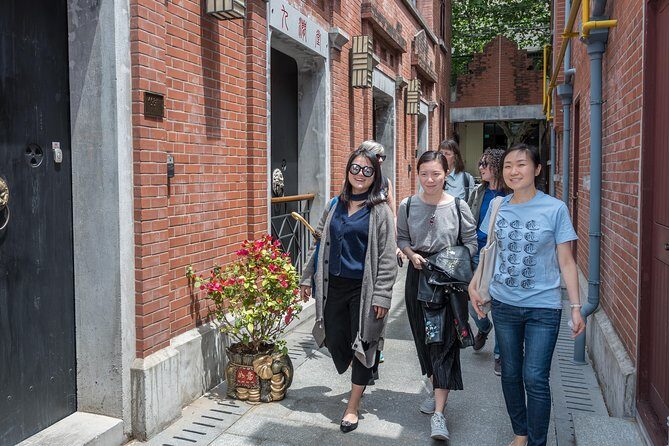
Beijing can feel huge on Day 1. The hutongs help. They’re narrow, lived-in alley networks where people move at breakfast speed. This tour uses that reality in your favor: it gets you where locals actually eat in the morning, not where guidebooks point you.
I like that it’s timed right for the city’s rhythm. You’re walking when stalls are waking up and when food is fresh. And because you have a guide, you don’t waste time staring at menus or wondering what’s worth your money and stomach space.
Price-wise, $55 for 3 hours is only “cheap” if you think you’re paying for walking and stories. You’re really paying for a guided route to multiple local shops plus enough tastings to function like a full breakfast. With bottled water, soft drinks, and a welcome packet included, it’s designed to be low-stress from the start.
You can also read our reviews of more food & drink experiences in Beijing
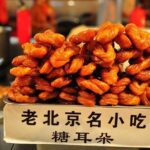
Starting near Lama Temple: the easy way to enter the hutongs
You meet near the Lama Temple area at the Subway Lama Temple C side, near the Kouzhan Bike Rental Station. The meeting point is close to public transit, which matters because hutongs are easier to reach than to figure out.
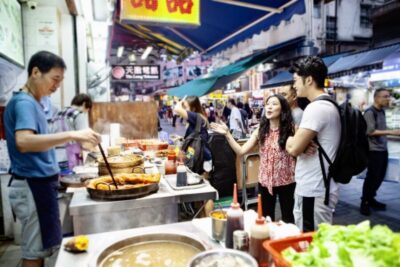
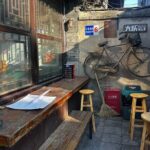
From there, your morning begins with a wander into the hutongs behind the sanctuary. That shift is the whole point. Tourist districts tend to shout. Hutong breakfasts are quieter and more practical—small cafes, street counters, and everyday shops serving the same kind of food residents grab every morning.
A practical plus: your guide explains what you’re seeing as you move. That means you’re not just collecting bites. You’re learning how to navigate breakfast in real life—what to order, how to handle pay at small places, and what to expect when something looks slightly different from a photo.
If your first day in Beijing needs structure, this route gives it. You get the map in your head fast because you’re walking a real neighborhood grid, not taking a single landmark selfie stop and calling it done.
Walking rhythm: how the tour keeps moving without rushing you
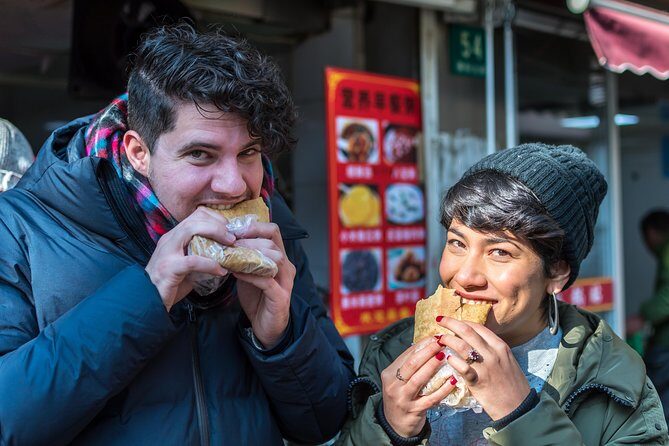
The whole experience is built around a steady walking pace. It’s about 3 hours approx. with multiple tasting stops, so you’ll want to show up ready to go.
There’s also a small-group cap of 8 travelers, which changes everything. You’re less likely to get separated, and the guide can slow down when questions pop up. Based on the way guides are praised here, this is not a “pass the plate and move on” style tour.
One consideration: because the tastings stack up, it’s easy to get overfull if you try to eat everything at once. I’d treat it like a buffet with lessons. Taste, pause, and let your guide steer you—especially for items you’re unsure about.
The food route: what you’ll actually eat (and why it matters)
This is a breakfast tour, but it’s really a tour of Beijing’s morning logic. The goal is to connect dishes to routines: where people go, what they order, and why certain flavors show up again and again.
You can expect tastings such as:
- Silken tofu with savory toppings
- Brown sugar donuts
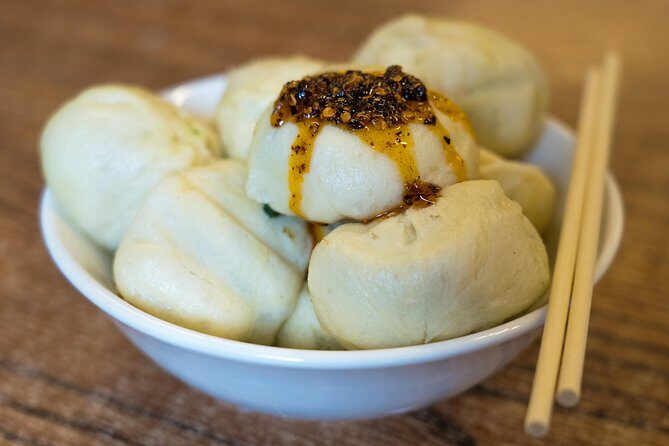
- Steamed buns (baozi) and other morning staples
- Fried dough
- Sweet soy milk
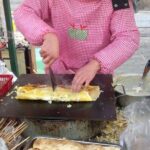
- Fresh jianbing (savory crepes) that you can watch being made
- Almond pudding to finish
Here’s what that lineup does for you as a traveler.
Silken tofu: soft, savory, and street-ready
Silken tofu isn’t a “restaurant dish” in many places—it’s a morning comfort food. When it’s served with savory toppings, it feels both light and satisfying. In a tour setting, it’s a smart starter because it teaches you the basic flavor pattern Beijing uses for breakfast: warmth, salt-savory balance, and quick texture shifts.
A few more Beijing tours and experiences worth a look
Baozi and fried dough: the classic comfort duo
Baozi (steamed buns) and fried dough show up in many people’s first Beijing breakfast memories. On this kind of tour, you’re not just tasting them—you’re learning how locals think about portion and timing. One stop can give you the bread-based comfort, while another shows the crisp-salty side of the morning.
Jianbing: the move you shouldn’t skip
Jianbing is one of those foods that tastes better when you see it made. Being able to watch the process matters because you understand why it works: the crepe base, the toppings, and the assembly that happens fast.
If you’ve ever had jianbing once and thought it was fine but not unforgettable, this is the moment where a good guide and a real stall can change your mind. You’re eating it in context, at the time locals want it.
Almond pudding: a sweet ending that resets your palate
Finishing with almond pudding is smart. The tour’s food choices move from savory-heavy items to a gentler, creamy finish. It’s a classic “cool down” when you’ve eaten several warm dishes already.
Confucius and Guozijian museum area: a short cultural stop with payoff
After crossing from the Lama Temple side into the next stretch, you’ll pass a large Chinese gate. It’s described as similar to the gate style you see in Chinatowns around the world, which is a nice mental bridge if you’re orienting yourself for the first time.
Then you’ll head along the leafy hutong corridor area connected to:
- the Temple of Confucius
- the Guozijian Museum
This part is shorter—about 30 minutes, and it’s listed as admission free. Don’t expect a deep museum marathon here. Think of it as a breather and a way to connect Beijing’s food morning to the wider city story—because breakfast habits don’t exist in a vacuum.
It also helps you understand why hutong neighborhoods are more than “cool alleys.” They sit next to places that shaped education, daily life, and identity over centuries.
Ending near the Bell and Drum Towers: you finish with a map
The tour wraps up near the Bell and Drum Towers area. These towers help mark time and also help you understand the city’s layout—good for getting your bearings once you walk out with full feet and a fuller stomach.
The tour ends near the intersection of Andingmen Nei Dajie and Gulou Dong Dajie. It’s about a 15-minute walk from either Beixinqiao Metro (Line 5) or Andingmen Metro (Line 2). That’s practical. You’re not stranded in a maze with no exit options.
Small group, big attention: what you get from the guide
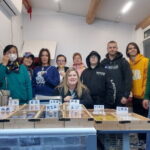
If you remember one name from this tour, make it Garth, who shows up in multiple standout comments. The pattern in the praise is clear: a guide who brings both food and meaning, and who’s comfortable translating the unspoken parts of travel in China.
People highlight that he offers:
- a passion for where dishes come from
- explanations that connect food to daily life
- help with how ordering and paying works in smaller local spots
That last point is underrated. On your own, breakfast in China can feel like a guessing game. On this tour, you’re not stuck figuring it out mid-meal.
Value check: $55 for breakfast that adds up
Let’s talk value without hand-waving.
You’re paying for:
- a guided walking route through hutong backstreets
- multiple tasting stops that the tour says add up to a very large meal
- bottled water and soft drinks
- the guide fee
- a post-tour welcome packet with restaurant recommendations and local travel tips
So you’re not just buying food. You’re buying someone’s judgment. That’s what you want in a place where you don’t share language with every shopkeeper and where the best spots are often the hardest to find.
Also, since this starts at 8:00 am, the tour fits nicely as a first-day activity. You get oriented, fed, and confident about what to order next. That’s a real value if you’ve only got a few days in Beijing.
Who should book this hutong breakfast tour?
This is a great fit if you:
- want a first morning in Beijing that feels local, not staged
- like food tours that teach you how to order and eat, not only what to eat
- enjoy walking through neighborhoods and learning the logic of where people live
- travel with a flexible appetite and you want a range of traditional dishes
It may be less ideal if:
- you hate walking tours or struggle with steady walking
- you need very specific dietary accommodations and can’t arrange advance notice
- you only want one or two dishes and don’t want a tour-meal experience
Should you book? My take
If your goal is to eat your way into hutong life, I think this tour is an easy yes. The combination of small group size, a guide who can explain both food and practical ordering, and the focus on breakfast spots you’d miss on your own makes the $55 feel fair.
I’d book it if you can make the 8:00 am start and you’re ready for several stops that add up to a real meal. Come hungry, wear comfortable shoes, and let your guide do the navigating. You’ll leave with full stomachs and a better sense of Beijing that goes way beyond landmark photos.
FAQ
What time does the Beijing Hutong Breakfast Food Tour start?
The tour starts at 8:00 am.
How long is the tour?
The tour is about 3 hours.
What does the $55 price include?
It includes breakfast tasting stops, bottled water, soft drinks, the guide fee, and a post-tour welcome packet with restaurant recommendations and local travel tips.
Where do I meet the guide and where does the tour end?
You meet around the corner from Lama Temple near the Subway Lama Temple C side (near the Kouzhan Bike Rental Station). The tour ends near the intersection of Andingmen Nei Dajie and Gulou Dong Dajie, close to the Bell and Drum Towers area.
How many people are in the group?
The tour has a maximum of 8 travelers.
Can the tour accommodate dietary requirements?
You can advise specific dietary requirements at booking, but advanced notice is required for the provider to cater to restrictions.
What is the cancellation policy?
You can cancel for a full refund if you cancel at least 24 hours before the experience’s start time.