REVIEW · BEIJING
Flavors of Beijing: Eat Like A Real Chinese
Book on Viator →Operated by Urban Passer · Bookable on Viator
Dumpling steam beats museum dust. This Beijing cooking class takes you from the local market to a real hutong home kitchen, guided in English by Chef Chao and geared toward hands-on learning. I love the market walk because you pick fresh ingredients with a pro who knows what to look for. I also love the small-group setup, where you actually cook (not just watch) and you get a full meal at the end. One possible drawback: there’s no hotel pickup, so you’ll need to handle getting to the meeting point yourself.
Another thing I really like is the focus on flavor fundamentals, starting with condiments and seasoning. You’re not just making dishes; you’re learning how Chinese cooks build taste—then applying it in woks and with cleavers. The main consideration is timing and route comfort: you’ll be on your feet during the walk portion, and the day’s menu can be more “active kitchen” than “relaxed demo.”
In This Review
- Key points at a glance
- Why this Beijing cooking class feels like real food culture
- Getting there at 12:00: logistics that matter
- Walking through Beijing food country: Bell & Drum to the street-food route
- The condiments class: where the flavor system clicks
- Shopping in the market: the real lesson isn’t the shopping
- Cooking in a hutong home: woks, cleavers, and hands-on time
- What you might cook: dumplings, noodles, and classic mains
- Vegetarian and vegan options: what’s actually supported
- The meal at the family table: eating is part of the lesson
- Price and value: is $99 a good deal?
- Who this tour suits best
- Should you book Flavors of Beijing: Eat Like A Real Chinese?
- FAQ
- How long is the cooking class experience?
- What’s included in the price?
- Is hotel pickup included?
- Where do I meet the guide?
- Do I cook dim sum or main dishes?
- Is there a vegetarian option?
- How big is the group?
- Is there a brewery stop?
- Can most people participate?
Key points at a glance
- Market ingredients you actually buy: you select food with your guide, and those ingredients feed your meal.
- Condiments class first: you learn how seasonings work before you hit the stove.
- Hutong home cooking: you cook in a local-family setting, not a staged studio.
- Small group limit of 12: more attention, less waiting around.
- Daily menu changes with vegetarian option: at least one vegetarian dish each day, plus a fully meat-free menu on a selected day of the week.
Why this Beijing cooking class feels like real food culture
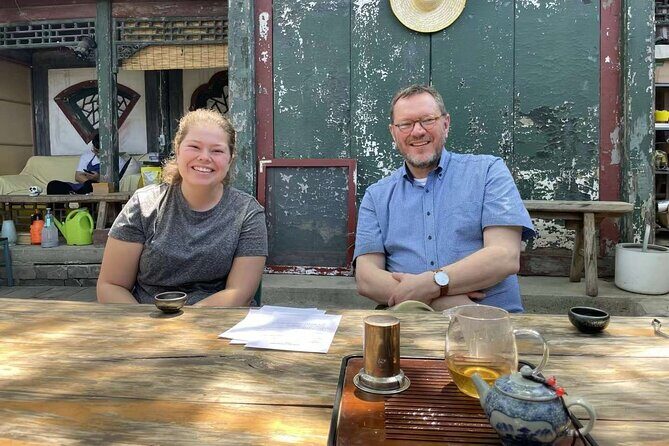
If you’re craving Beijing that’s less sightseeing-card and more everyday life, this is a strong pick. You start with a guided stroll through food stalls and end with a table meal you made yourself. In between, you learn the mechanics: knife work, wok heat, and the seasoning logic behind Chinese flavors.
What makes it work is the pacing. It doesn’t treat cooking as a single moment. It breaks it into steps: condiments, ingredient choices, prep technique, and then cooking. That means when you sit down to eat, you understand what you’re tasting. It’s also practical. You leave with methods you can repeat at home, not just a memory of dumplings.
And yes, Chef Chao comes up a lot for a reason. People describe him as patient and thoughtful, with English that’s clear enough to actually follow the why behind the how.
A few more Beijing tours and experiences worth a look
Getting there at 12:00: logistics that matter
The class starts at 12:00 pm and ends back at the meeting point. Hotel pickup and drop-off aren’t included, so plan to get yourself there using public transit.
Your meeting point is listed near Jiu Gulou Da Jie (Xi Cheng Qu), close to a subway line reference in the booking details. In plain terms: don’t bank on easy signage. One review mentioned there wasn’t an outside sign alerting you where to go, so follow the numbered address carefully and consider arriving a few minutes early to regroup.
If you’re staying far from central lines, do yourself a favor: check your route before you go. A cooking class is not the time to “figure it out later” with Chinese navigation.
Walking through Beijing food country: Bell & Drum to the street-food route
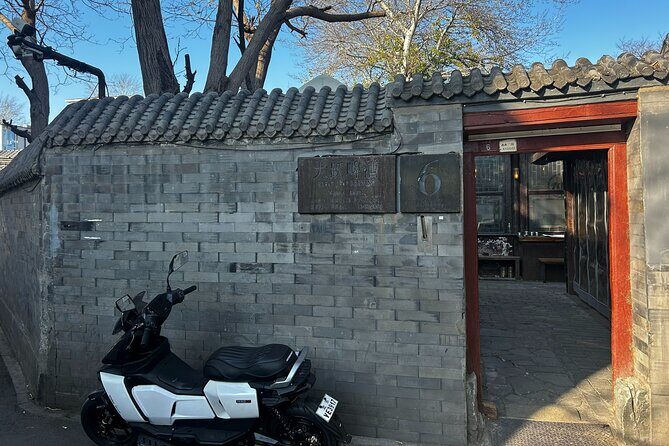
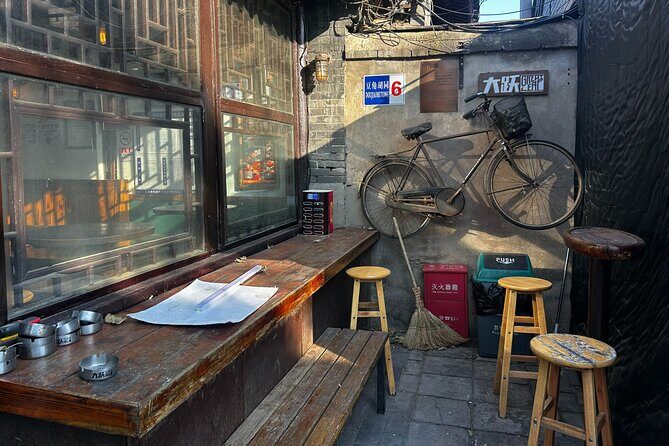
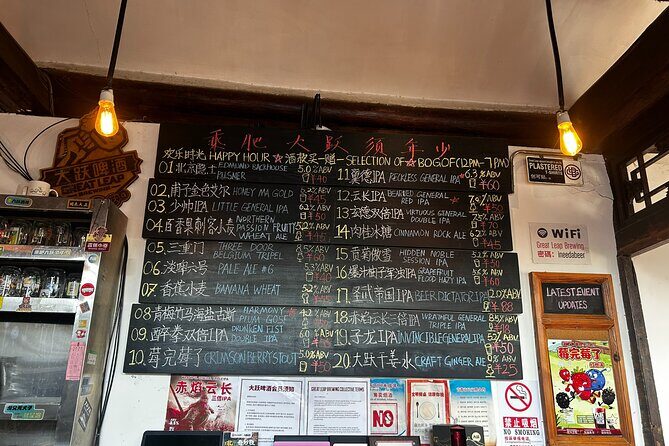
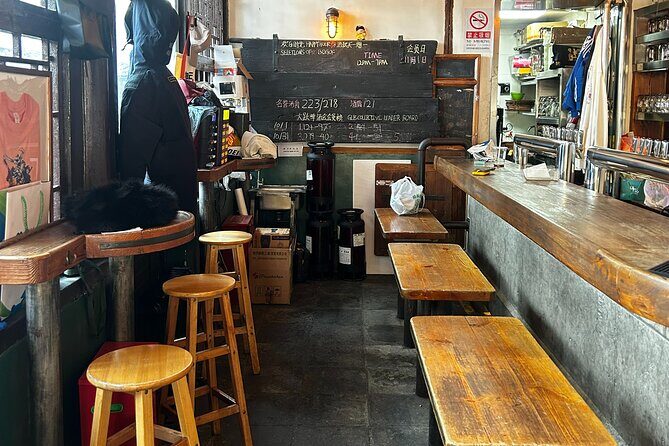
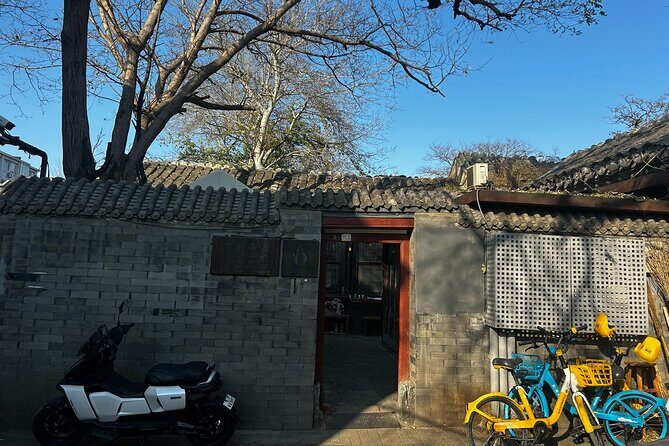
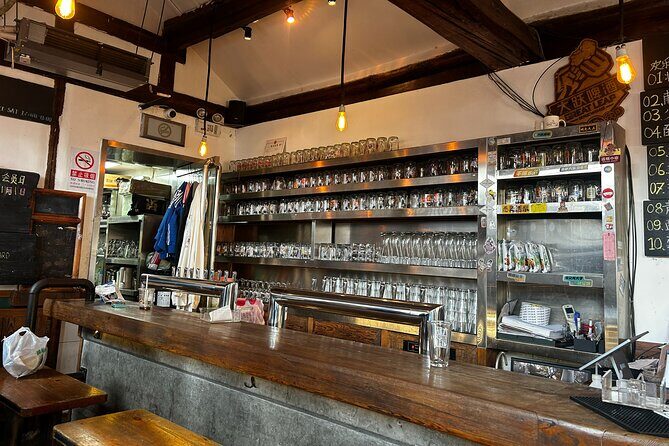
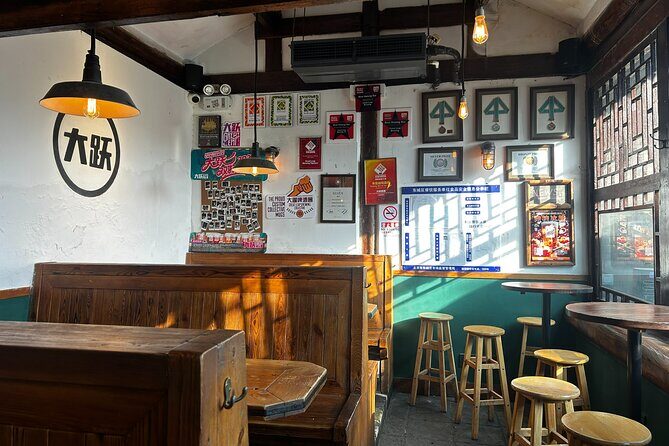
The day includes a set of sightseeing/walk stops while you move through neighborhoods. You’ll see landmarks listed like Bell and Drum Towers, then pass areas such as Yandai Xie Street and Yinding Bridge. There’s also a stop at Great Leap Brewing Original #6, plus Songzhu Temple & Zhizhu Temple.
A few practical notes on this part:
- Think of these as context and route segments, not a deep temple tour. The focus stays on food.
- Bring comfortable shoes. You’ll be walking between points and then cooking.
- If you’re hoping for a pure “cook only” schedule, this isn’t that. It’s food culture plus a bit of urban wandering.
One more detail that’s easy to miss: beer/drinks at the brewery are not included. You may stop by, look around, and take in the setting, but any drinks are on you.
The condiments class: where the flavor system clicks
Most cooking classes teach recipes. This one leans toward seasoning logic. You start with a condiments class, which matters because Chinese cooking often tastes complex even when it’s simple on paper.
In this stage, you’re learning things like:
- how different seasonings work together
- how sauces and aromatics affect the final taste
- what you should do first, second, and last in a flavor build
This is also the part that helps beginners. If you’ve never cooked Chinese food before, it’s easy to drown ingredients in guesses. Condiments training reduces that. Instead of copying a dish step-by-step, you learn a framework you can apply to other stir-fries, noodle meals, and dumplings.
Shopping in the market: the real lesson isn’t the shopping
The market portion is more than a photo stop. You get guided help picking ingredients, and your purchases are included. That’s key for value and for results. If you buy the wrong cut of meat, the wrong noodle shape, or the wrong greens, your homemade version will suffer.
You’ll browse stalls with produce and other items the guide highlights. You learn what things are used for and how cooks treat them. You’ll also hear practical advice about what looks right and what to prioritize for the menu you’ll cook.
A couple of extra things I think you’ll notice if you’re paying attention:
- Chinese markets reward curiosity. Your guide points out items you might never have seen at home.
- Ingredient quality matters more than fancy techniques. When you start cooking with good basics, the food tastes right even with beginner-level skills.
If you’re a picky eater, tell your guide what you don’t eat at the start. The menu is adjusted by day, but the cooking approach is built around accommodating different dietary choices.



Cooking in a hutong home: woks, cleavers, and hands-on time
Then comes the best part: you walk into a local-family home setting (a hutong alleyway environment) and start cooking. This isn’t a warehouse kitchen. It feels lived-in, which makes the experience more intimate and more memorable.
The class includes:
- learning wok use
- cleaver basics (yes, it’s a big tool)
- training on cutting/prep so you can actually cook during your time in the kitchen
You may also see different seating and serving rhythms than what you’re used to. Don’t think of it as a restaurant demo where everything runs on a schedule. It runs on a home-kitchen pace: shared space, active work, and a final meal together.
In warmer months, kitchens can feel hot during active cooking. Plan for that. Lightweight layers and a towel (if you’re the sweaty type) make a difference.
What you might cook: dumplings, noodles, and classic mains
The menu changes daily, and at least one vegetarian dish is prepared each day. There’s also a selected day of the week where you can choose a fully meat-free menu.
Depending on the day, the dishes can include things like:
- dim sum-style items, including barbecued pork buns
- stir-fried noodles
- sesame rolls
- main dishes such as steamer ginger fish
- sweet and sour pork
- stir-fried chili beef
You’ll usually cook multiple dishes, not just one. One review experience described making several dumplings with different fillings and cooking methods, plus learning dough and crimping technique. Another mentioned knife skills with the cleaver and working through sauces and marinades.
Here’s the way I’d frame it: you’re not choosing between dumplings-only or stir-fry-only. You’re building a small menu that shows multiple Chinese cooking styles. That’s why the meal at the end feels like a feast, not a snack.
Vegetarian and vegan options: what’s actually supported
The baseline is good: at least one vegetarian dish each day. Also, there’s a vegetarian meat-free menu available on a selected day of the week.
One review specifically mentioned vegan accommodation being handled well, which suggests they can work with more than just vegetarian. Still, don’t assume. If vegan matters to you, confirm with the operator before you go. This keeps your menu aligned with your needs and avoids last-minute ingredient surprises.
If you have allergies, the safest move is to message ahead with clear details. The class includes ingredients and equipment, but ingredient substitutions depend on what’s available and what the kitchen can support.
The meal at the family table: eating is part of the lesson
After cooking, you sit down and eat everything you made. This is a real payoff moment, because you can finally connect flavors to technique.
Expect conversation and a relaxed group meal with your guide. People often ask questions here, like what the dish is supposed to taste like, or how to adjust it at home. Since the group is capped at 12, you’re not stuck shouting across a room.
Practical tip: pace yourself during cooking. Dumplings and fried items often take time, and then suddenly you’re eating a full spread. If you have a sensitive stomach with spicy food, tell your guide early so they can guide you on which parts are mild versus hot.
Also, several reviews mentioned taking home recipe sheets. If that’s your goal, plan to bring a pen and a small bag for papers.
Price and value: is $99 a good deal?
For $99 per person, you’re paying for more than a cooking lesson. You get:
- a small group class (max 12)
- market time where ingredients are included
- a condiments class
- cooking instruction with equipment and ingredients
- a full meal at the end
- a professional English-speaking guide
In Beijing, you can find cheaper “hands-on” experiences, but they often cut one of the big value parts: ingredient shopping, full meal scope, or enough time with the instructor. Here, the market-to-table flow is the point. You’re paying for a sequence, not isolated cooking.
If you love food and want your Beijing time to feel practical and memorable, this is one of the best use-of-day experiences in the city. If you just want a quick snack activity with minimal walking, you may feel the cost is higher than what you need.
Who this tour suits best
This experience is a great fit if you:
- want authentic Beijing food culture beyond famous sights
- like learning technique (wok heat, sauces, condiments, dumpling shaping)
- enjoy markets and don’t mind walking through a busy neighborhood
- want a small-group class with an English-speaking guide
It may be less ideal if you:
- hate kitchens that get physically warm
- want a fully flexible menu with guaranteed low-spice options every day
- can’t handle public transit and self-navigation to the meeting point
Should you book Flavors of Beijing: Eat Like A Real Chinese?
Yes, if you’re the type who remembers trips by taste and technique. The best part is the market-to-hutong-home arc, plus the condiments-first approach that helps you understand what you’re making. It’s also strong value for $99 because ingredients, equipment, and the meal are part of the package.
If your schedule is tight, double-check whether the day runs closer to 3 hours or closer to half-day length, since cooking classes can stretch depending on what you make and how the group moves. Either way, plan for a morning-ish commitment starting at the 12:00 pm meeting.
FAQ
How long is the cooking class experience?
The duration is listed as approximately 3 hours, though it’s described as a multi-step cooking class experience that includes market time and a meal.
What’s included in the price?
The experience includes food tasting, a local food market tour, and a professional English-speaking tour guide. Ingredients and equipment are also included for cooking.
Is hotel pickup included?
No. Hotel pickup and drop-off are not included, and the activity ends back at the meeting point.
Where do I meet the guide?
You meet at the listed meeting point near Jiu Gulou Da Jie in Xi Cheng Qu, Beijing, with the subway line reference shown in the booking details.
Do I cook dim sum or main dishes?
Depending on the day, you may cook dim sum items like dumpling-style dishes or you may cook hearty main dishes inspired by Chinese cuisines.
Is there a vegetarian option?
Yes. At least one vegetarian dish is prepared each day. There is also a selected day of the week when you can choose an entirely meat-free menu.
How big is the group?
The maximum group size is 12 travelers.
Is there a brewery stop?
The itinerary includes a stop at Great Leap Brewing Original #6, but beer or drinks there are not included.
Can most people participate?
The experience notes that most travelers can participate, and it’s set up as a small-group cooking class with instruction in English.