REVIEW · BEIJING
China Golden Triangle Cities & Yangtze River Cruise
Book on Viator →Operated by Travel China Guide · Bookable on Viator
China can be intense. This tour is the organized kind of intense: big-ticket sights, timed transfers, and a cruise that breaks up the sprint between cities.
I like how all the major beats are built in: Beijing’s Tiananmen area, the Forbidden City, Temple of Heaven, Mutianyu Great Wall, Xi’an’s Terracotta Warriors, and Shanghai’s Bund plus Yu Garden. I also like the mix of pace: you get culture blocks on land, then real scenery time on the Yangtze River with gorges and a Three Gorges Dam excursion. In past departures, guides like Tina, Kevin, Maggie, Jackie, Tom, and Chris have been singled out for getting groups through crowds and keeping energy up.
One thing to consider: this is a fast-moving, multi-transport itinerary. Expect long travel days (high-speed trains and flights), plus walking time at places like the Great Wall, museums, and city neighborhoods.
In This Review
- Key highlights worth your attention
- How the Golden Triangle + Yangtze route is set up
- Beijing: from Tiananmen Square to the Forbidden City (and beyond)
- Mutianyu Great Wall plus Hutong rickshaw: the best kind of contrast
- Summer Palace to Xi’an: a royal reset before the ancient grind
- Xi’an: Terracotta Warriors, Big Wild Goose Pagoda, and street culture
- Xi’an City Wall, Great Mosque, and the Muslim Quarter on foot
- Chongqing pre-cruise: airport flight, pandas, and Ciqikou Village
- Boarding the ship: safety briefing and the Shuanggui Mountain day
- Yangtze River gorges day by day: Qutang, Wu, Xiling, and Shennong Stream
- Three Gorges Dam and the jump to Shanghai
- Shanghai Museum, Yu Garden, Huangpu River, the Bund, and Tianzifang
- Wrapping up in Shanghai: getting to the airport smoothly
- Price and what you really get for $3,139 per person
- Should you book this Golden Triangle + Yangtze cruise?
- FAQ
- Is the Yangtze River cruise included, and how long is it?
- Which transportation is included between cities?
- What sights are included in Beijing?
- What are the main highlights in Xi’an?
- What’s included for meals?
- Does the tour include hotel accommodations?
Key highlights worth your attention
- Mutianyu Great Wall with round-trip cable car, with optional chairlift and toboggan on the descent
- Terracotta Warriors museum plus hands-on mini clay warrior activity
- Chongqing-to-Shanghai Yangtze cruise (3 nights) with gorges scenery and a Shennong Stream boat ride
- Three Gorges Dam stop timed right after luggage checkout
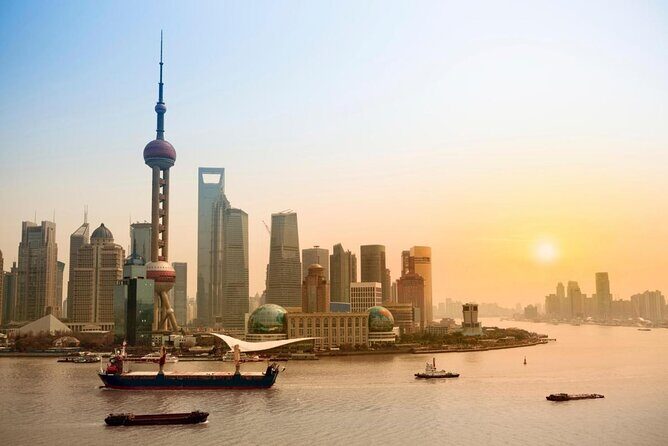
- Shanghai hits in one day: Shanghai Museum, Yu Garden, Huangpu River cruise, Bund free time, Tianzifang
- Meet-and-greet structure in Beijing airport arrivals (name sign pickup), with professional guide support throughout
How the Golden Triangle + Yangtze route is set up
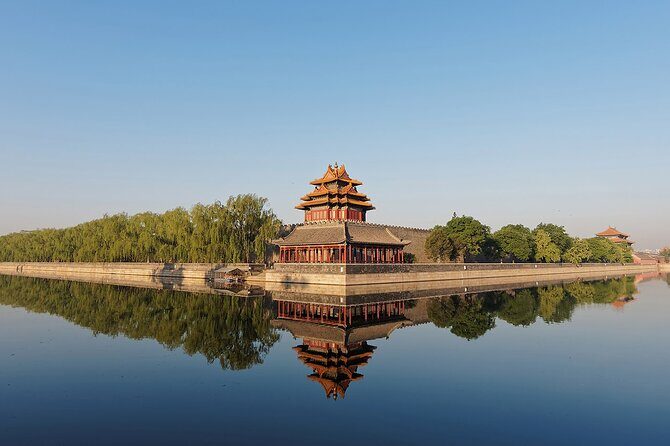
This is built like a funnel. You start in Beijing with the classic imperial and ceremonial sights, then head to Xi’an for ancient China at street level and in museum form. After that, the trip pivots to the Yangtze: you fly into Chongqing, board the ship, and spend three nights moving through the gorges toward Shanghai, where the tour finishes with Shanghai’s waterfront and old-town style.
For most people, the value is in what the tour handles for you. The package lists hotels, cruise cabin, flights and train rides, entrance fees, a professional guide, and an experienced driver, plus air-conditioned vehicle time. You’re still doing plenty of sightseeing, but you’re not constantly solving logistics.
The other value piece is meals. You’ll have breakfast most days plus planned lunches and dinners, and the cruise is described as full board, which matters because it keeps the day from turning into a search-for-food adventure.
You can also read our reviews of more boat tours in Beijing
Beijing: from Tiananmen Square to the Forbidden City (and beyond)
Beijing day one is simple and calming. You land at Beijing airport, and a guide is supposed to meet you holding a sign with your name. You’re then driven to the hotel for check-in and downtime, which is smart because the following day is where the city’s energy really ramps up.
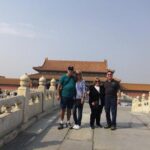
On the sightseeing side, day two starts at Tiananmen Square. You get about 30 minutes there. That’s enough to orient yourself and take in the scale, but not enough to turn it into a slow contemplation session. If you like photography, this is the moment—crowds can be thick, so the timebox is useful.
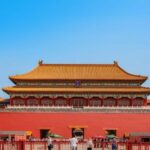
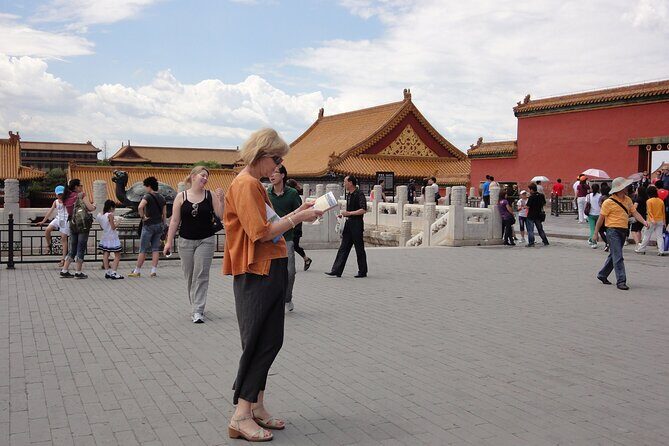
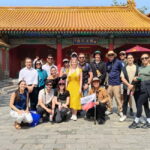
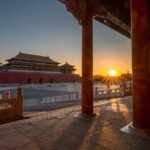
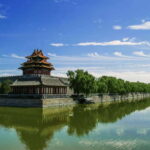
Then you move into the Forbidden City (Palace Museum) for about 2+ hours. This is the one where you’ll feel the “imperial complexity” instantly: huge courtyards, dense building clusters, and details everywhere. Two hours passes fast, so I recommend you pick a few areas to prioritize—otherwise it turns into a checklist race.
For lunch, the tour includes an a la carte meal valued at CNY150 per person at a local restaurant. That matters more than it sounds. When you’re in a major-sight corridor, it’s easy to burn time on mediocre food. Here, you at least get a paid stop that’s slotted into the schedule.
In the afternoon you go spiritual and quieter. You visit Lama Temple (Yonghegong), known for surviving more than 300 years and showing a blend of Han, Mongolian, and Tibetan architectural influence. After that, the Temple of Heaven gives you the ceremonial side of Beijing—this is where emperors worshiped, and you’ll see the layout and worship structures that shaped how the city’s elite viewed the sky and seasons.
Possible drawback: day two is packed, and it sits under the reality that Beijing attractions can be crowded. Bring patience, wear shoes you can walk in for hours, and plan to treat the visits as “high-quality highlights,” not a slow museum seminar.
Mutianyu Great Wall plus Hutong rickshaw: the best kind of contrast
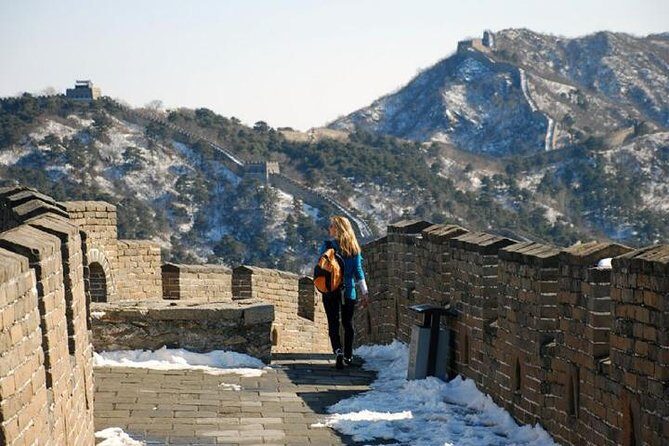
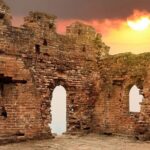
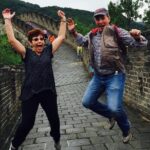
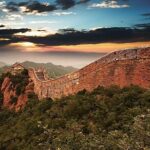
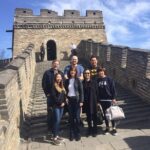
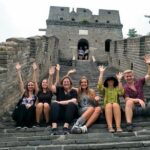
If Beijing is the big opening act, Mutianyu Great Wall is the peak performance. You get taken out to Mutianyu and enjoy round-trip cable car service, which is a huge practical advantage if you don’t want the full uphill hike from the valley.
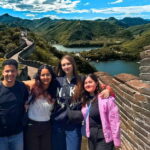
From the wall, the experience is exactly what you hope for: long sightlines, steep sections, and a sense that the wall is still doing its job—keeping distance and creating a visual barrier across terrain. You’ll have about 3 hours total here, which is enough time to walk, stop for photos, and still feel like you didn’t just reach the wall and immediately leave again.
You can also choose extras. The tour lists an optional chairlift up and toboggan down, which is the sort of choice that turns a sightseeing day into a story you’ll remember. If your body is sensitive to steep steps, stick with the cable car and save your legs.
Afterward you get a quick photo stop at the Bird’s Nest (Niaochao) National Stadium for about 20 minutes. This isn’t a deep cultural stop, so treat it like the visual marker it is.
Then comes the best contrast: a Hutong tour by rickshaw. You explore old alleyways and you may even have a chance to visit a local family. This is where you see a different Beijing scale—smaller streets, daily life energy, and a slower mood than the grand monuments.
If you’re sensitive to crowds, this combination is still worth it. The rickshaw section tends to feel like a reset after the wall’s big-terrain drama.
Summer Palace to Xi’an: a royal reset before the ancient grind
Day four starts with the Summer Palace (Yiheyuan) for around 2 hours. This is Beijing’s “less formal than the Forbidden City” option, and it’s a good use of time because you get greenery and royal retreat design elements without needing a full-day commitment. Even if you’re not a garden architecture specialist, it’s easier to enjoy than yet another indoor palace hall.
Then you shift gears. In the afternoon you travel to Xi’an by high-speed train, and you’re transferred to a hotel in Xi’an. A stop like this is underrated: it’s where the tour stops you from losing half a day figuring out trains or airport connections.
The morning-to-evening rhythm matters here. When a tour uses efficient rail and airline links, you spend more hours on sites and fewer hours in seats. This tour leans into that.
Xi’an: Terracotta Warriors, Big Wild Goose Pagoda, and street culture
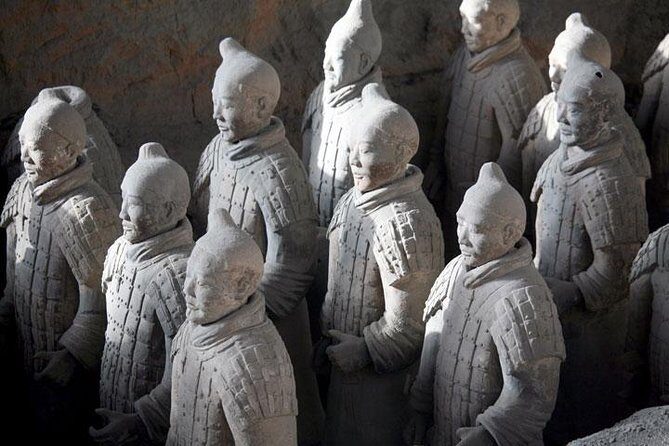
Xi’an is built around the Terracotta Warriors day, and it’s the right choice. You visit the Museum of Qin Terra-cotta Warriors and Horses for about 4 hours. You’ll see the pottery generals, soldiers with saddled horses, and kneeling archers that formed an “impenetrable fortress” to guard Emperor Qin Shi Huang. It’s dramatic, but also strangely moving once you start noticing the individual postures and the scale of the excavation effort.
Then the day adds a practical, memorable twist: a visit connected to the home of the first discoverer of the Terracotta Army, plus a workshop where you make a mini clay warrior with a local artisan. This is one of those experiences that doesn’t feel like extra—it feels like a way to keep the museum from fading as just facts.
After that you continue in Xi’an with the Big Wild Goose Pagoda (Dayanta) for about 1 hour. Built to store Buddhist scriptures brought from ancient India, it gives you a different slice of Chinese history than the warriors do.
You’ll also have time at the Grand Tang Dynasty Ever-Bright City, a pedestrian area where people dress up in traditional clothing for performances and themed scenes. The tour lists this as free time for around 40 minutes, so use it to snack and regroup rather than trying to “do it all.”
Xi’an City Wall, Great Mosque, and the Muslim Quarter on foot
Day six is a strong “walk the city” mix. You visit Xi’an City Wall Park and then ascend the ancient city wall for about 2 hours. You can walk the ramparts and even rent a bicycle, though the rental fee is at your expense. If you want a break from constant monument interiors, this works well.
Then you head to the Great Mosque of Xi’an, described as a Chinese-style Islamic mosque. It’s about 1 hour, and it’s the kind of place where the visual blend can surprise you.
Next you stroll through the Muslim Quarter for about 1 hour. This is your snack zone. The tour doesn’t lock you into a set restaurant stop here, and that’s a good thing because you can focus on the small food choices you care about most.
Finally, the day ends at the Shaanxi History Museum for around 2 hours, which gives you context across thousands of years. This is helpful if you want your trip to feel connected rather than like separate days of unrelated sights.
Practical note: this day includes multiple transfers and walking. Plan to hydrate and pace yourself, because the combination of wall stairs, museum interiors, and street heat can stack up.
Chongqing pre-cruise: airport flight, pandas, and Ciqikou Village
Day seven changes the atmosphere fast. After breakfast, your guide escorts you to the airport for a flight to Chongqing, and a local guide meets you with transfers. Then you get a brief tour that includes pandas and Ciqikou Village.
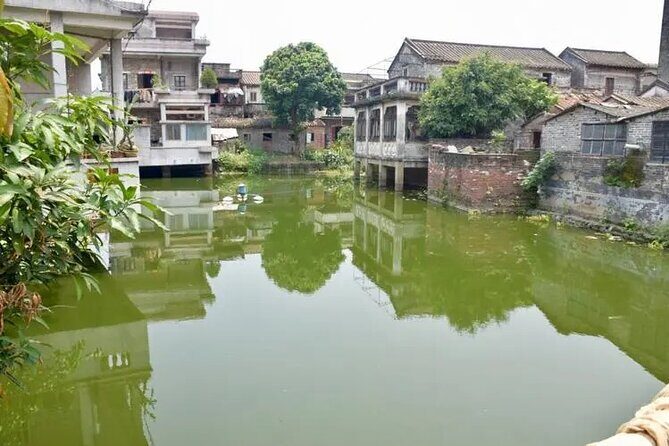
Ciqikou is described as an ancient village with folk houses from the Ming and Qing dynasties, plus spicy local snacks. It’s a great way to get a sense of daily culture before you go full “river mode” on the ship.
Then you’re transferred to board the cruise. Once the ship departs from Chongqing, the Yangtze River cruise portion really begins.
Boarding the ship: safety briefing and the Shuanggui Mountain day
The cruise isn’t just sit-and-stare. On day eight you get a Safety, Orientation & River Briefing, including geography and river lore. That’s valuable because the Three Gorges area can feel abstract if you don’t know what you’re looking at.
After lunch you disembark for Shuanggui Mountain National Forest Park (about 4 hours). The day also includes a Captain’s Welcome Party with Chinese folk dancing and music around 18:00. Even if you don’t plan to join in, it’s a fun social moment because you’re sharing a floating base with your group.
If you like your tours to mix sightseeing with onboard community, this is a good rhythm. If you prefer total quiet, treat the dance party as optional energy rather than a requirement.
Yangtze River gorges day by day: Qutang, Wu, Xiling, and Shennong Stream
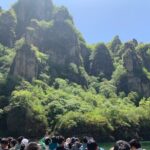
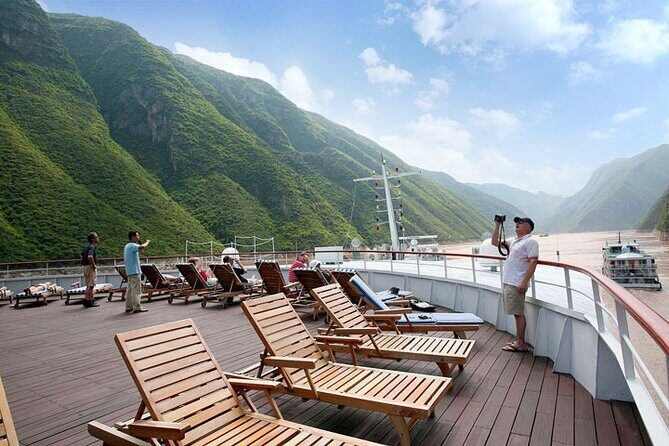
Day nine is the scenery-heavy block. You begin with Qutang Gorge, described as the shortest and grandest of the Three Gorges, with peaks and oddly shaped rocks. You then pass through Wu Gorge and its misty, lofty peaks. The route continues into the western section of Xiling Gorge.
Then you switch gears to water-level fun: you disembark for Shennv Stream. The tour emphasizes natural beauty and an exciting boat ride along a crystal stream using a small motor boat. That close-quarters style matters—it gives you motion and detail you don’t get from a larger-view viewpoint.
This is where the cruise earns its keep. A land tour can show you waterfalls or valleys, but the Yangtze format lets you experience the terrain as a corridor you’re traveling through, not just standing beside.
Three Gorges Dam and the jump to Shanghai
Day ten includes two big moments with a hard deadline between them. You disembark for the Three Gorges Dam Project excursion. The tour notes that you need to pack luggage and complete check-out procedures before the excursion.
Then, after the dam stop, you travel to Yichang (Three Gorges Tourist Center) and take a high-speed train to Shanghai, followed by hotel check-in.
This sequencing is practical. You handle the “ship checkout + major landmark” combination in one go, and it limits the chance you’ll lose time back at the dock. Still, if you’re the type who hates rushing, keep in mind that day ten can feel like a sprint—dam first, train second.
Shanghai Museum, Yu Garden, Huangpu River, the Bund, and Tianzifang
Shanghai day eleven is the “wow, it’s modern and historic at the same time” day. You start at Shanghai Museum for about 2 hours, described as one of China’s major museums and focused on art from ancient times.
Then you head to Yu Garden (Yuyuan) and its nearby bazaar. Yu Garden is known for the Nine Zigzag Bridge plus the mid-lake pavilion, and the tour gives you about 2 hours there. You’ll also find the kind of wandering you can do at your speed, which is perfect when you don’t want every minute scheduled.
Lunch is included again, and it’s another a la carte meal valued at CNY150 per person at a nice restaurant. After so many tasting-style stops elsewhere, this sit-down lunch can feel like a reset.
Next comes the water: a one-hour cruise along the Huangpu River, a “mother river” of Shanghai that reflects both prosperity and harder times. From the river, you get Shanghai’s scale without having to stand in traffic-wait chaos.
Then you hit The Bund (Wai Tan). The tour gives you 30 minutes of free time, which is enough for photos and a short walk along the waterfront before you’re pulled toward the city’s more creative side.
Finally, you end at Tianzifang, a cultural street with artsy stores, bars, and restaurants. It’s listed for about 1 hour, and it’s a nice final contrast to the museum-and-monument energy earlier in the day.
Wrapping up in Shanghai: getting to the airport smoothly
Day twelve is a straightforward send-off. Your guide and driver meet you at the hotel at the appointed time and see you off to the airport. The key here is that you get the same guided structure you had at the start, so you’re not left guessing how early to leave.
Price and what you really get for $3,139 per person
At $3,139 per person, the question isn’t whether you’re spending money—it’s whether this is the right kind of spending for your travel style. For this price, the package includes:
- Twin-sharing hotel rooms and a cruise cabin
- One-way high-speed train segments (Beijing to Xi’an, and Yichang to Shanghai)
- An economy-class flight (Xi’an to Chongqing)
- Guide and experienced driver, plus air-conditioned vehicle
- Entrance fees across the major attractions
- Yangtze River cruise with full board
- Planned meals: breakfast (11), dinners (2), lunches (5), plus those CNY150 lunch inclusions
That’s a lot bundled together. If you were trying to build this yourself, you’d likely spend time stitching together trains, domestic flights, hotel choices, and ticketing windows. Here, the tour collapses those decisions into one plan.
Group discounts and the mention of mobile ticketing also point to smoother on-the-ground handling, which matters once you’re moving through multiple cities and not just one.
Where the cost can feel high is if you’re the kind of traveler who wants lots of solo time, spontaneous detours, or long unstructured meals. A tour like this is strongest when you’re happy to follow a schedule that’s already optimized for transit and major sights.
Should you book this Golden Triangle + Yangtze cruise?
I’d book if you want a trip that hits the classics—Forbidden City, Mutianyu Great Wall, Terracotta Warriors, and Shanghai’s top sights—and then uses a cruise to give you scenery time without constant hotel moves. It’s also a good fit if you like the comfort of having guides guide you through crowds and complicated sight layouts.
I’d pause if you dislike tight schedules or you know you’ll struggle with long walking days and fast transitions between cities. Day ten in particular can feel like two big days welded together.
If you’re deciding, do two things before you commit: confirm what your final schedule includes if your departure is supposed to cover Lhasa (the package name suggests it, but the detailed day-by-day plan you’re shown here focuses on Beijing, Xi’an, Chongqing, and Shanghai). Also, keep your flight arrival details ready for the first-day meet-and-greet; the goal is simple: get you from airport to hotel without stress.
FAQ
Is the Yangtze River cruise included, and how long is it?
Yes. The tour includes a 3-night Yangtze River cruise with full board, plus an excursion stop at the Three Gorges Dam.
Which transportation is included between cities?
The package includes one-way high-speed train fare for Beijing to Xi’an and Yichang to Shanghai, plus an economy-class airfare from Xi’an to Chongqing.
What sights are included in Beijing?
Beijing includes Tiananmen Square, the Forbidden City (Palace Museum), Lama Temple (Yonghegong), the Temple of Heaven, Mutianyu Great Wall (with round-trip cable car), Hutong rickshaw tour, and a photo stop at Bird’s Nest (Niaochao).
What are the main highlights in Xi’an?
Xi’an includes the Terracotta Warriors Museum (with a mini clay warrior activity), Big Wild Goose Pagoda, Xi’an City Wall, Great Mosque of Xi’an, Muslim Quarter, and the Shaanxi History Museum.
What’s included for meals?
Meals included are listed as breakfast (11), lunch (5), and dinner (2). The cruise is described as having full board, and two lunches are specifically described as a la carte meals valued at CNY150 per person.
Does the tour include hotel accommodations?
Yes. It includes hotel accommodation with twin-sharing rooms and a cruise cabin.