REVIEW · CHENGDU
Chengdu: Volunteer Day Experience at Dujiangyan Panda base
Book on GetYourGuide →Operated by Real North Adventure · Bookable on GetYourGuide
Pandas at arm’s length sounds wild. What makes this volunteer day feel real is that you’re not just watching from behind glass, you’re actively helping with panda care, then finishing with a hands-on panda cake session and a certificate you can keep. I love the close-quarters keeper feeding moment, and I also love that you get a unique volunteer certificate tied to your details. The main thing to consider is that the day is hands-on and rule-based, so you’ll need to follow the dress-and-scent guidelines and be ready for a busy morning.
This is the kind of experience that connects Chengdu’s panda obsession to the actual work behind it. You’ll spend time at the Dujiangyan panda breeding area, see multiple enclosures, and learn why protection matters through a panda documentary. If you want photos, this tour is set up to help, with an English-speaking guide who stays close and supports picture-taking.
In This Review
- Key Things That Make This Volunteer Day Worth It
- Dujiangyan Volunteer Work: Why This Feels More Real Than a Regular Panda Visit
- Pickup in Chengdu: What the “Private Group” Setup Means for Your Day
- Getting Ready at the Base: Work Clothes, Gloves, and Clear Instructions
- Bamboo Prep and Close-Range Feeding: The Moment Most People Remember
- Wandering the Enclosures: Giant Pandas, Red Pandas, and Daily Behavior
- Lunch at the Canteen: Simple Chinese Food and a Wise Snack Plan
- Panda Documentary: Why the Protection Message Comes After You’ve Worked
- Make Panda Cakes (Wowotou): Healthy Ingredients and a Fun Skill You Actually Keep
- Your Volunteer Certificate: The Proof of a Real Panda Day
- Optional Add-On: Pairing It With a Red Panda Experience
- Price and Logistics: Is $231 Good Value Here?
- Who This Volunteer Day Suits Best
- Should You Book This Volunteer Day?
- FAQ
- What time does the experience start?
- How long is the volunteer experience?
- What’s included in the price?
- Do I need to bring my passport?
- What are the volunteer age and clothing rules?
- Is the Red Panda Experience included?
Key Things That Make This Volunteer Day Worth It
- Keeper feeding at very close distance: you get a front-row view of how feeding is handled.
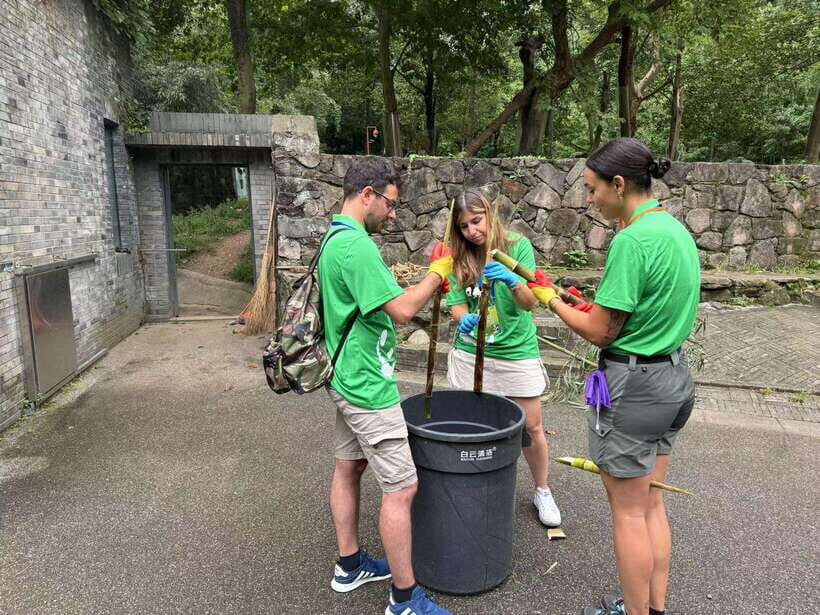
- Bamboo prep work: breaking bamboo and washing shoots turns you into part of the routine.
- A certificate with your volunteer details: your name, passport number, and age are used for the proof of your panda day.
- You’ll see more than one panda type: time includes giant pandas and red pandas.
- Panda cakes by hand: you’ll make “wowotou” under guidance from nutritionists.
- Optional red panda add-on: if you want more time with another species, you can pair it after.
Dujiangyan Volunteer Work: Why This Feels More Real Than a Regular Panda Visit
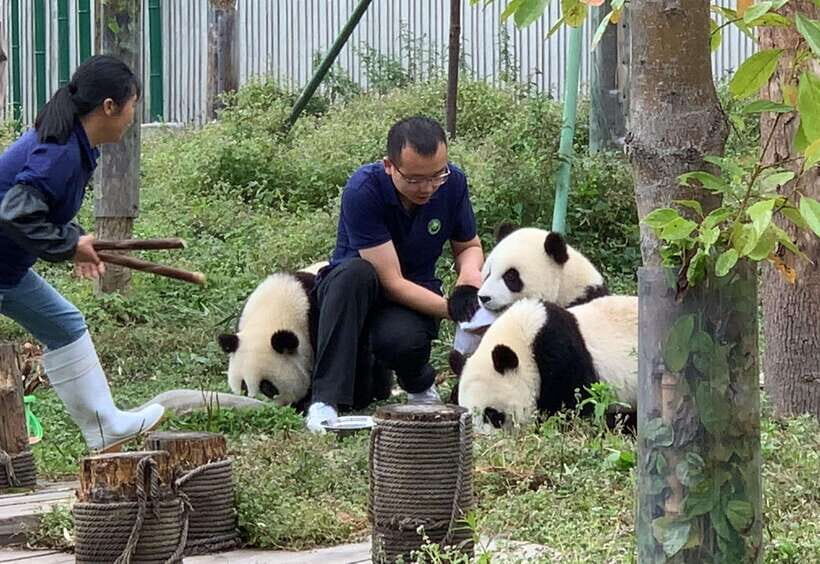
If you’ve been to zoos or panda exhibits elsewhere, you know the usual script: look, snap photos, move on. This volunteer day changes the tempo. You arrive, suit up, get instructions from experienced keepers, and then you do actual prep work that supports panda feeding. That shift matters, because it turns pandas from a spectacle into a responsibility.
Dujiangyan is also a smart choice for a panda-focused day. You’re in the panda breeding research center zone, where the day’s flow centers on panda care routines. And because your guide stays with you, you’re not stuck trying to interpret signage or manage a schedule on your own.
Two moments tend to define the whole experience for people who like this kind of trip: the moment you watch the keeper feed pandas up close, and the moment you make your own panda cakes. Together, they give you both observation and participation.
You can also read our reviews of more tours and experiences in Chengdu.



Pickup in Chengdu: What the “Private Group” Setup Means for Your Day
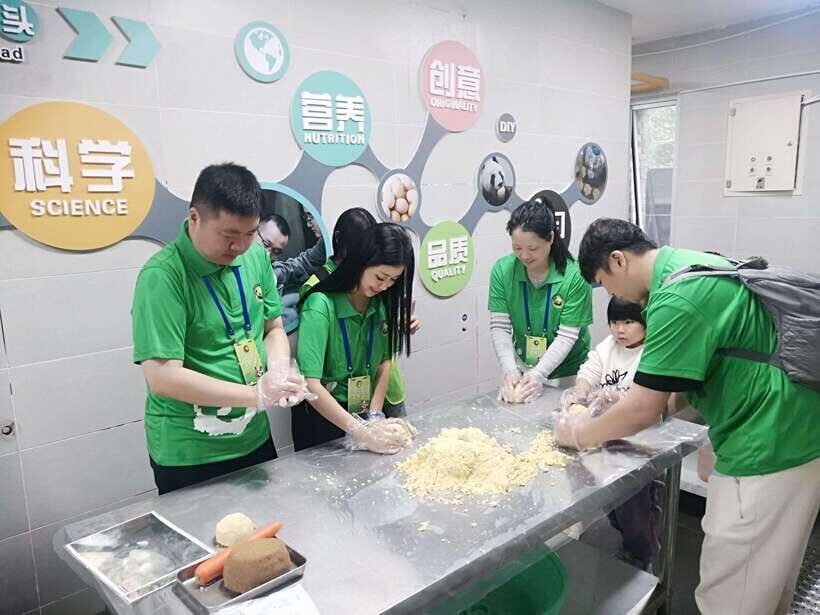
Your day starts with pickup in Chengdu. You’ll meet your guide and driver holding a sign with realnorthadventure or your name at your hotel lobby. Then you’ll transfer to the panda base in a private air-conditioned business car with big windows and ample space.
What I like about this arrangement is how it removes friction. You don’t have to figure out transport timing, ticket lines, or how to get from Chengdu to the base area. You also get an English-speaking tour guide who will be with you and help with interpretation and photos.
Plan on a schedule that keeps moving. The day includes a prep block, multiple enclosure visits, lunch, a short documentary, and a hands-on food-crafting session. It’s not a slow stroll. It’s a full, structured panda day that uses the best daylight hours for viewing and the best timing for feeding and guided activities.
Getting Ready at the Base: Work Clothes, Gloves, and Clear Instructions
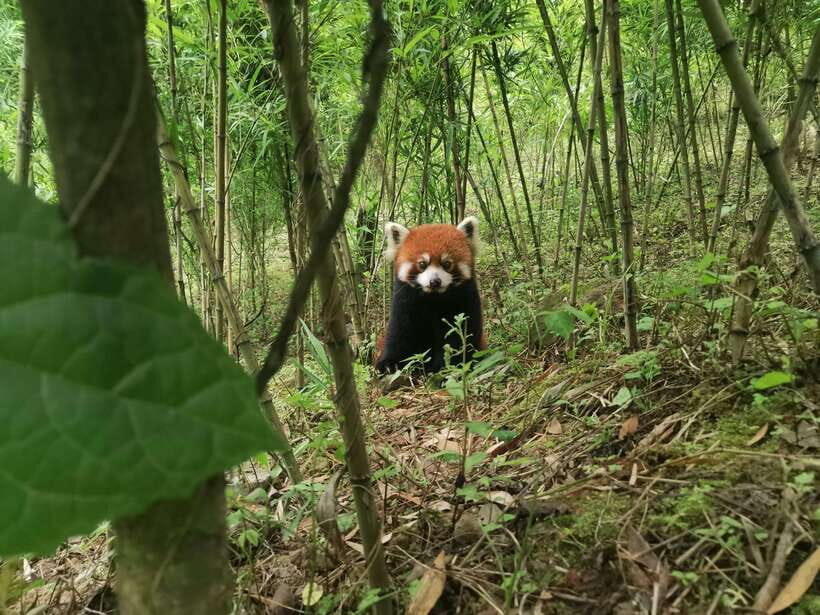
When you arrive at the panda base area, you’ll sign up and then change into work clothes and gloves. The rules are straightforward but important: volunteers must be between 8 and 70 years old, and on the day you should not wear perfume, slippers, or skirts.
Those constraints aren’t just for show. Panda care is about routine and hygiene, and strong scents can interfere with the environment. The glove and clothing setup also helps you do bamboo prep safely and comfortably.
Then comes the part that makes this day work smoothly: experienced keepers explain what to do, and your tour guide stays by your side to interpret and assist with photos. Even if your Chinese is basic, you’ll still be able to follow along because the guide is built into the flow.
One small practical tip: bring your passport details early. You’ll provide your name, passport number, and age for the volunteer certificate. It’s easier when you do it right away instead of scrambling later.
Bamboo Prep and Close-Range Feeding: The Moment Most People Remember
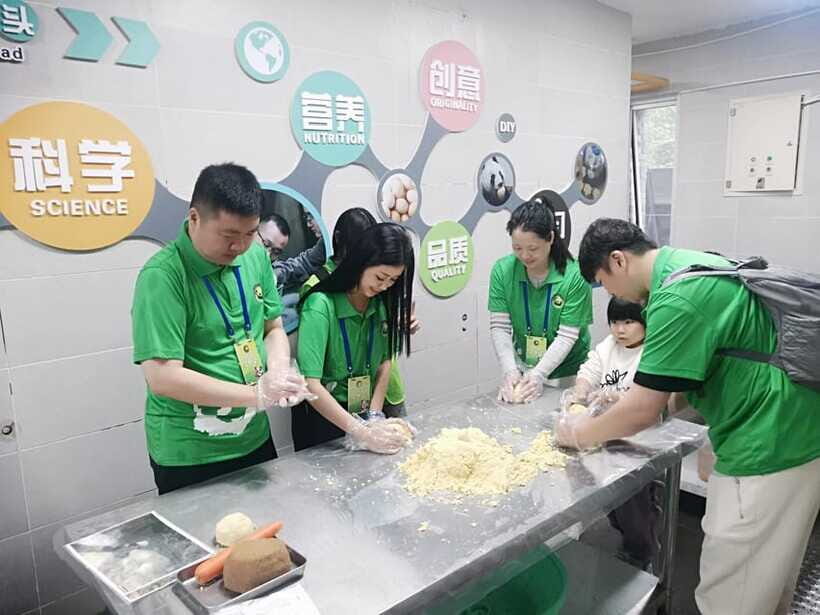
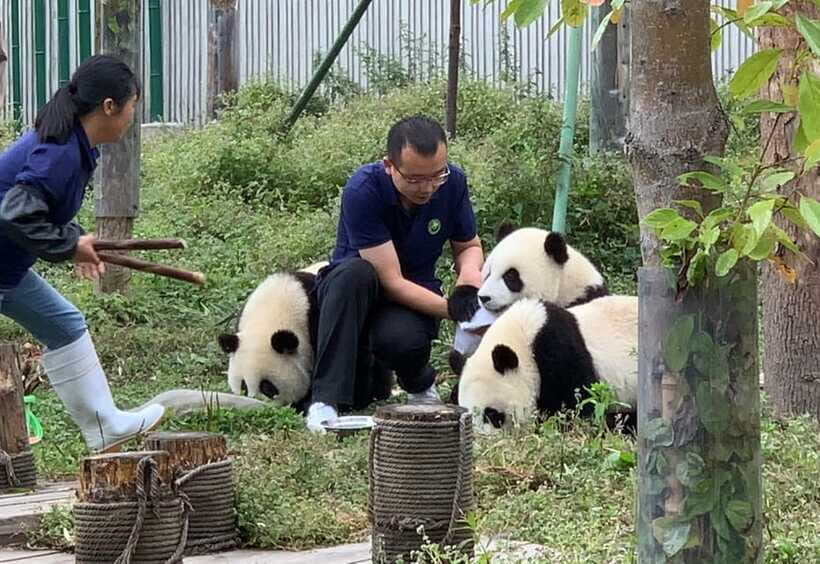
The main volunteer block focuses on bamboo preparation. You’ll break bamboo and wash some bamboo shoots for the pandas. This is work you can actually understand. It’s not complicated, but it’s hands-on, and it gives you a sense of how daily feeding routines work.
Then you shift into the observation that makes this experience special: you watch the keeper feed a panda at a very close distance. That close setup is where the experience becomes less about “seeing pandas” and more about understanding how feeding is managed.
If you care about animal welfare and not just selfies, this is the sweet spot. Close viewing helps you see body language and feeding behavior in a way distant viewing can’t. You also get to compare what you notice—tumbling, snoozing, climbing—with what keepers do behind the scenes.
This is also the best time to keep your expectations practical. Yes, you’re close, but pandas still act like pandas. They may approach slowly, ignore you completely, or spend time eating while you quietly watch. That’s normal. The goal here isn’t control—it’s observation paired with participation.
Wandering the Enclosures: Giant Pandas, Red Pandas, and Daily Behavior
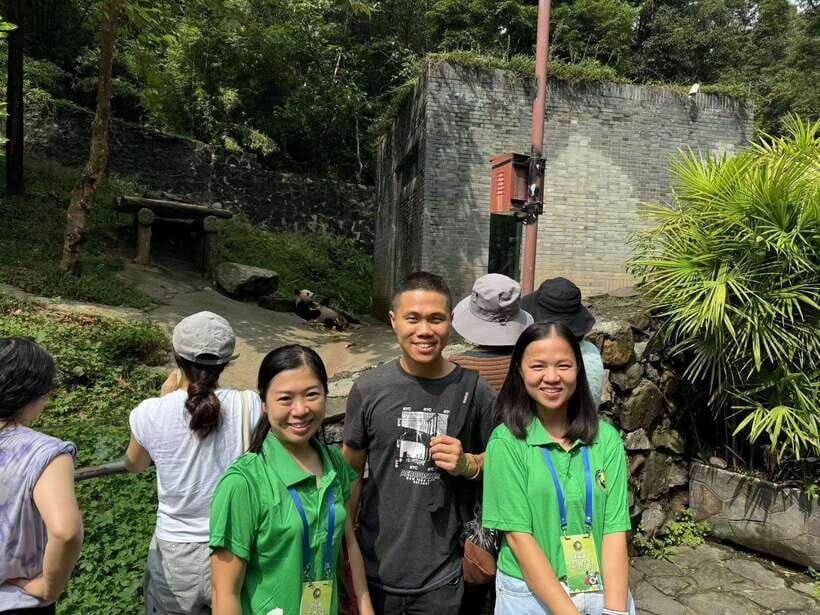
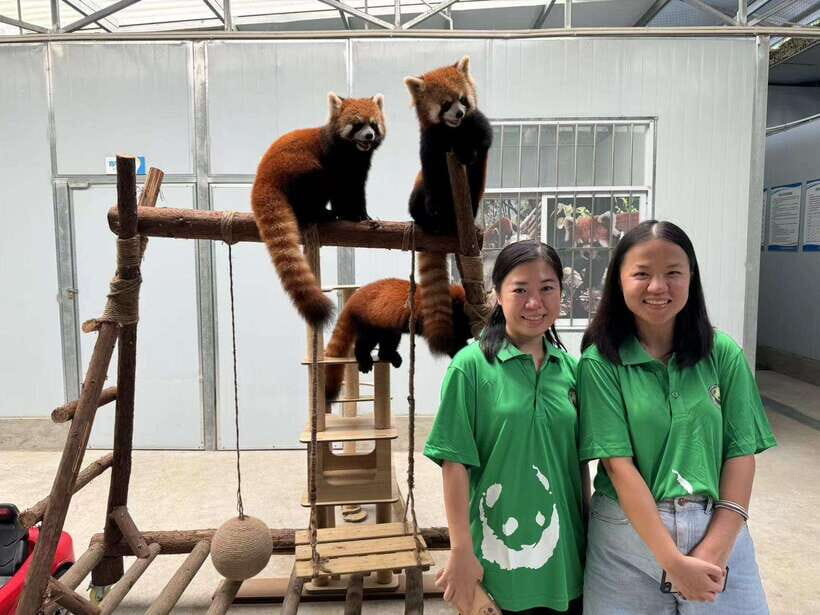
After the bamboo prep and close feeding, you’ll roam around the base and visit other enclosures. This is your chance to look for both giant pandas and red pandas.
The schedule gives you time to observe living habits across different moments. In this block, you can watch eating, snoozing, tumbling, and climbing tree behavior. Even when pandas repeat routines, each animal has its own rhythm, and the guide’s interpretation can help you understand what you’re seeing.
This part is also where you build a fuller picture beyond one feeding scene. Close feeding is intense and memorable, but behavior changes depending on time and activity. By the time you’re moving between enclosures, the pandas feel less like “a moment” and more like “a lifestyle in progress.”
And yes, red pandas add a nice contrast. The day isn’t only giant-panda focused; you get to see another species that shares the same care setting. That contrast makes the whole panda theme feel less one-note.


Lunch at the Canteen: Simple Chinese Food and a Wise Snack Plan

At around midday, you’ll have a lunch break at the panda base canteen. You can expect a simple Chinese lunch, typically two meat dishes and one vegetable dish, with rice and porridge also available.
Here’s my practical advice: bring a few snacks. The food is included, but you may still want backup if your tastes run more specific. Panda days are active days. Even with a proper lunch, your energy will matter during the documentary and panda cake session.
Also, don’t over-plan around lunch timing. The day is structured, and the activity blocks follow each other. Eating well helps, but flexibility helps more.
Panda Documentary: Why the Protection Message Comes After You’ve Worked
After lunch, you’ll watch a panda documentary movie. This isn’t just filler. It’s scheduled after you’ve already done panda-care work and watched keepers feed pandas up close, so the conservation message lands with more weight.
You’ll learn why panda protection matters and how protection efforts are carried out. The timing is smart: you start the day with hands-on preparation and close contact at a distance that still respects animal routines, then you move into the bigger picture of conservation.
For me, this is where the day avoids becoming purely entertainment. You leave with both empathy and context, which makes the panda certificate feel more meaningful than a souvenir.
Make Panda Cakes (Wowotou): Healthy Ingredients and a Fun Skill You Actually Keep
Then you’ll get to the most playful part of the day: making panda cakes. These are the panda special snacks called wowotou.
You’ll do the cake-making by hand under the guidance of experienced nutritionists. That’s a key point. It’s not just a craft activity where you guess and hope. The “nutritionist-guided” angle means the food part stays connected to why pandas are fed in specific ways, and why the ingredients used for panda cake-making are described as healthy.
Even if you don’t take your culinary skills seriously, you’ll enjoy watching how the process works when someone explains it clearly and helps you get it right.
This is also a great photo moment, but go beyond photos. The satisfaction of having made something is real. It’s the kind of activity that turns a documentary and a feeding observation into a full day story you’ll remember.
Your Volunteer Certificate: The Proof of a Real Panda Day
By the end of the experience, you’ll receive a certificate. It’s described as a unique certificate proving your love for pandas, and your reservation details are used for it—your name, passport number, and age.
That might sound administrative, but it’s actually part of what makes the day feel official. You’re not just attending. You’re participating as a volunteer, and the certificate ties the experience to you personally.
If you like travel keepsakes that aren’t just magnets and tickets, this one fits the bill. It’s a clean reminder that your time went toward learning and supporting panda-care routines, not only sightseeing.
Optional Add-On: Pairing It With a Red Panda Experience
There’s an optional Red Panda Experience you can add after the volunteering portion. The instruction is to book the panda experience first, then add the red panda experience.
This can be a good match if you’re especially into the “small but meaningful” moments. Red pandas offer a different look and different behavior patterns than giant pandas, so pairing makes sense if your schedule and interest level align.
Price and Logistics: Is $231 Good Value Here?
The price is listed at $231 per person, and that total includes several things that often cost extra on independent trips: pickup and drop-off, a private air-conditioned business car with big windows, an English-speaking tour guide, all required taxes/fees and entrance tickets, plus lunch at the base.
Here’s how I think about value. You’re paying for three categories of convenience and quality:
1) Transport from Chengdu handled end-to-end, not a scramble with public transit.
2) Guide support that includes interpretation and photo help, which matters when you’re doing keeper-led activities.
3) Included meals and guided blocks that are hard to replicate on your own without knowing the right timing.
What’s not included: gratitudes are suggested, and the red panda experience is only if you select the add-on. If you were planning to do a standard panda visit anyway, this volunteer format adds hands-on feeding prep, panda cake-making, a documentary block, and the certificate, which is why the price can feel reasonable for what you actually do.
Who This Volunteer Day Suits Best
You’ll probably love this if you:
- want a panda experience that feels like work-with-learning, not just observation
- enjoy close-up animal moments but also want a conservation message afterward
- like structured days where someone else manages timing and translation
- are comfortable following basic rules (no perfume, slippers, or skirts)
It’s also a good fit for families within the age range, since volunteers must be between 8 and 70 years old. The day is private group, so it’s designed for people who want a more personal experience than large tour batches.
Should You Book This Volunteer Day?
I’d book it if you want the panda day to be more than a photo stop. The combination of bamboo prep, close keeper feeding, a time spent in multiple enclosures, and the panda cake-making session gives you a full story arc. Add the documentary and the certificate, and you end the day feeling like you participated in something tangible.
I’d think twice if you prefer purely relaxed sightseeing. This is hands-on, scheduled, and rule-based. But if you’re game for that, it’s one of the more memorable panda experiences you can do around Chengdu because you’re part of the routine, not just watching it.
FAQ
What time does the experience start?
The schedule depends on availability. You’ll need to check available starting times when you reserve.
How long is the volunteer experience?
The activity is listed with a duration of 1 hour, but the full day includes pickup, base activities, lunch, and return. The itinerary includes a large block at the panda base and a return transfer to Chengdu.
What’s included in the price?
Pickup and drop-off, private air-conditioned business car transport, an English-speaking tour guide, required taxes/fees and entrance tickets, and lunch at the panda base are included.
Do I need to bring my passport?
Yes. Passport is required, and your passport details are used for the volunteer certificate.
What are the volunteer age and clothing rules?
Volunteers must be between 8 and 70 years old. On the day, you should not wear perfume, slippers, or skirts.
Is the Red Panda Experience included?
No. The red panda experience is an optional add-on and is not included unless you select it.