REVIEW · CHENGDU
1-Day Mount Qingcheng and Dujiangyan Irrigation System Tour
Book on GetYourGuide →Operated by Andy's private china tours · Bookable on GetYourGuide
Mount Qingcheng and Dujiangyan in one long day is a smart way to see why Sichuan matters. You’ll hit two UNESCO sites, plus get the Taoist vibe of Mount Qingcheng, known for its serene temples and mountain scenery. It’s a great match for people who want culture and real-world history, not just photo stops.
What I like most is how this route gives you two very different views of the same region: the spiritual mountain experience at Mount Qingcheng and the engineering story at Dujiangyan. I also appreciate that you can choose guided or self-guided time, so you can spend your energy where it counts.
The main drawback is simple: it’s a long 8–9 hours with lots of walking, and cold or heat can change how enjoyable the mountain portion feels. Also, if you travel during busy Chinese holiday periods, expect longer lines for the gondola ride up at Mount Qingcheng.
In This Review
- Key things to know before you go
- A Full Day Route: From Chengdu to Qingcheng and Dujiangyan
- Mount Qingcheng: Front Mountain Temples, Caves, and the Taoist Story
- Back Mountain: Scenery Time, Cave Stops, and Seasonal Mood
- Dujiangyan Irrigation System: Li Bing’s Flood Solution That Still Works
- Gondola Lines, Pacing, and How to Avoid Day-Trip Frustration
- Guides and Group Options: What the Reviews Actually Signal
- Value for $112: When the Money Makes Sense
- Who This Tour Suits (and who should rethink it)
- Should You Book This 1-Day Mount Qingcheng and Dujiangyan Tour?
- FAQ
- FAQ
- What time does the tour pick up from my hotel in Chengdu?
- How long is the tour and what are the drive times?
- Are Mount Qingcheng and Dujiangyan both included in the same day?
- What do I see at Mount Qingcheng?
- What is Dujiangyan, and why is it famous?
- Is lunch included in the price?
- What entrance costs are covered?
- Is there an English-speaking guide option?
- What should I know about entering monuments?
Key things to know before you go
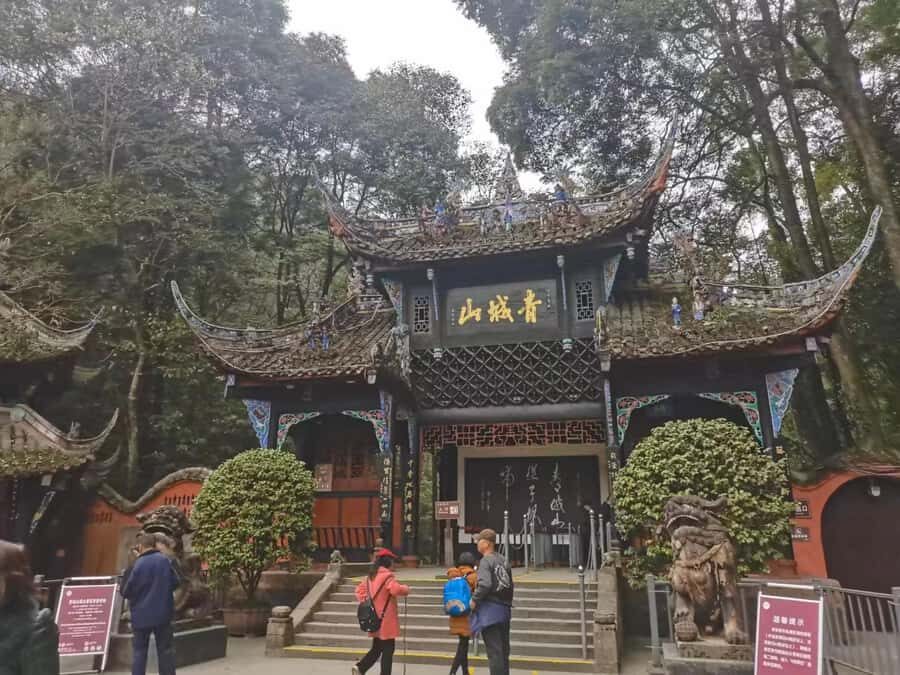
- Two UNESCO sites in one day: Mount Qingcheng (Taoist roots) and the Dujiangyan irrigation system (ancient hydraulic engineering)
- Front Mountain vs Back Mountain planning: the tour area is split, and you’ll move between temple-and-cave sights and more scenic sections
- Guide support really matters: reviews highlight guides like Weaver, Mark, and Diana for clear explanations and good pacing
- Winter vs summer comfort: it can be very cold in winter, while summer feels cooler than the city
- Not included lunch: you’ll want to plan around meal time instead of assuming it’s covered
A Full Day Route: From Chengdu to Qingcheng and Dujiangyan
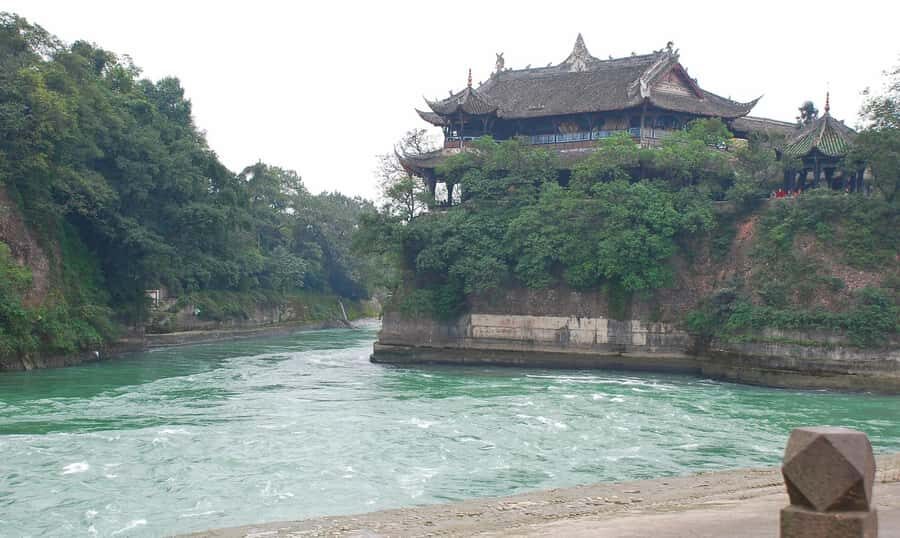
This is a straightforward day trip with a big payoff. Pickup is at 9:00am from your downtown Chengdu hotel, then you drive about 80 minutes (around 65 km) to Mount Qingcheng. After you finish the mountain, it’s about 30 minutes to Dujiangyan, and then you’re back at your hotel in Chengdu.
The value here comes from the mix of experiences. Mount Qingcheng is about Taoist place-making—temples, caves, palaces, and viewpoints that help you understand how people turned mountains into sacred space. Dujiangyan is about practical history—flood control and irrigation built to solve a problem that affected everyday life in Sichuan for centuries.
For most people, the “two UNESCO stops” pitch is only half the story. The real win is that you get a day where the scenery and the history talk to each other. You’ll see how mountain geography and river behavior shaped what people built, where they worshipped, and how they survived.
A few more Chengdu tours and experiences worth a look
Mount Qingcheng: Front Mountain Temples, Caves, and the Taoist Story
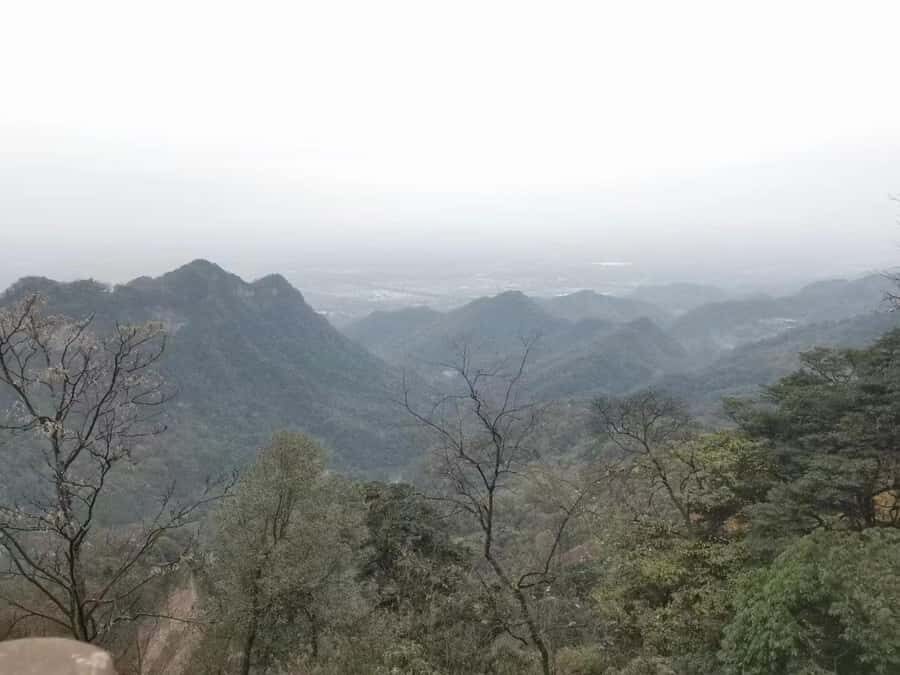
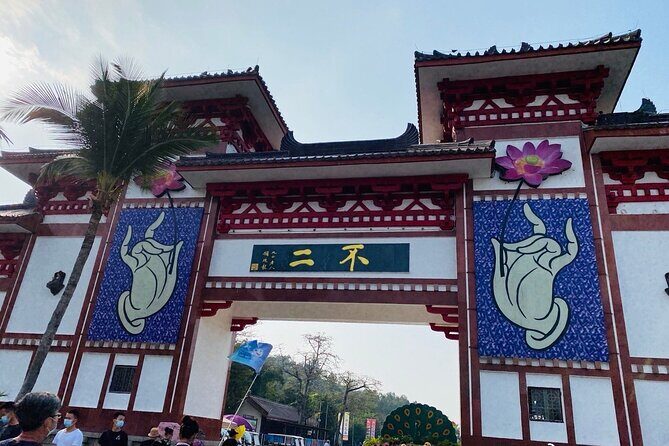
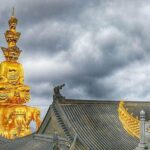
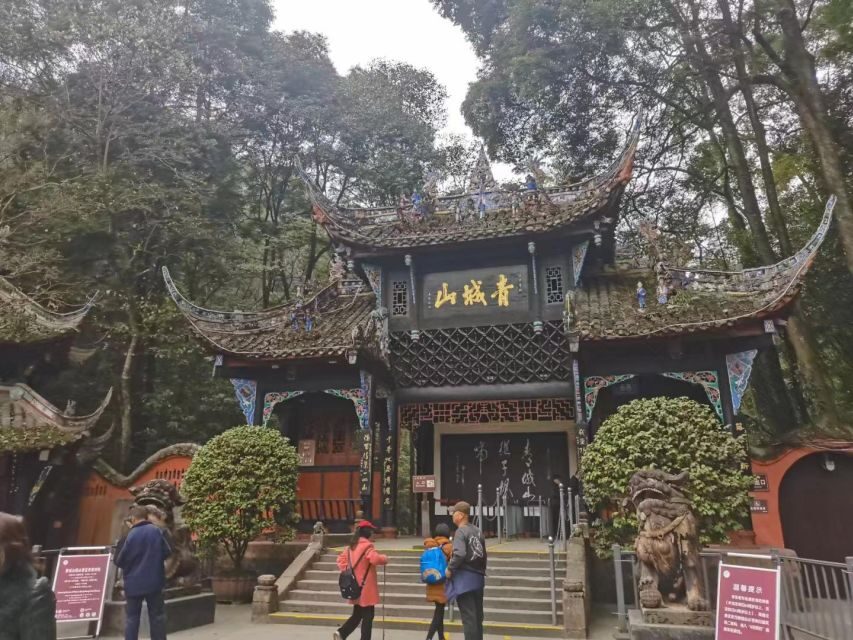
Mount Qingcheng is divided into Front Mountain and Back Mountain. Front Mountain is the main area (about 15 square kilometers) and is where you’ll find the major religious sites and cultural relics. Expect a cluster of stops that feel like a walking timeline of Taoist influence, with well-known named sites you can map in your head as you go.
Front Mountain highlights you may see include Natural Drawing, Jianfu Palace, Tianshi Cave, Chaoyang Cave, and Shangqing Palace. Even if you don’t read every plaque, the pattern is easy to grasp: palaces and shrines for ritual and community, and caves for the more secluded, contemplative feel associated with Taoism.
I like Front Mountain because it’s the section where explanation helps the most. A good guide can connect what you’re seeing—like palace structures and cave areas—to the larger idea of how Taoism took root in landscapes. Reviews also point out how guides (including Weaver and Diana) don’t just list facts. They tend to explain China’s history and everyday life in a way that makes the sites feel less like scenery and more like lived culture.
Practical tip: wear shoes you trust. Even with a guide keeping the schedule moving, cave and temple areas often involve uneven paths and steady footwork. If you’re the type who needs frequent sit-down breaks, plan for that early.
Back Mountain: Scenery Time, Cave Stops, and Seasonal Mood
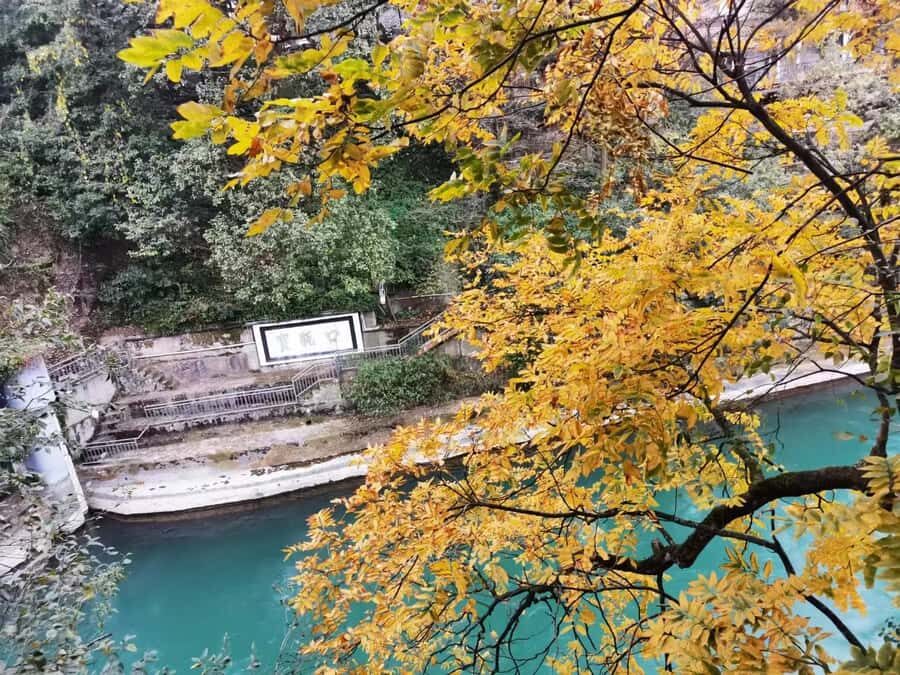
Back Mountain is larger (about 100 square kilometers) and tends to feel more open and scenic. The tour description emphasizes clear streams, green woods, and magnificent peaks—and the key word for your planning is comfort, because the season changes the whole vibe.
In winter, it can be very cold at Mount Qingcheng. In summer, it’s considered a cool mountain resort, which can make the day feel more breathable than staying in Chengdu. That means you should treat your clothing like part of your itinerary, not an afterthought.
Back Mountain highlights you may see include Golden Cliff and Sky Storehouse, Goddess Cave, Clouds Caves, and a View of Platform Bridge. These stops also follow a simple logic: viewpoints and cliff-style areas for scale, then cave areas for the spiritual and mysterious mood people associate with Taoist mountain traditions.
One more thing: your time allocation matters. The day is long, but the itinerary is still built for a limited number of hours on each side of the mountain. That means you’ll likely focus on the major highlights rather than trying to cover everything. If you’re hoping for a long hiking day, this route is better as a highlight sampler than a full trek.
Possible drawback to keep in mind: with winter cold, caves and shaded areas can feel colder than you expect. Bring layers you can handle on and off during walks.
Dujiangyan Irrigation System: Li Bing’s Flood Solution That Still Works
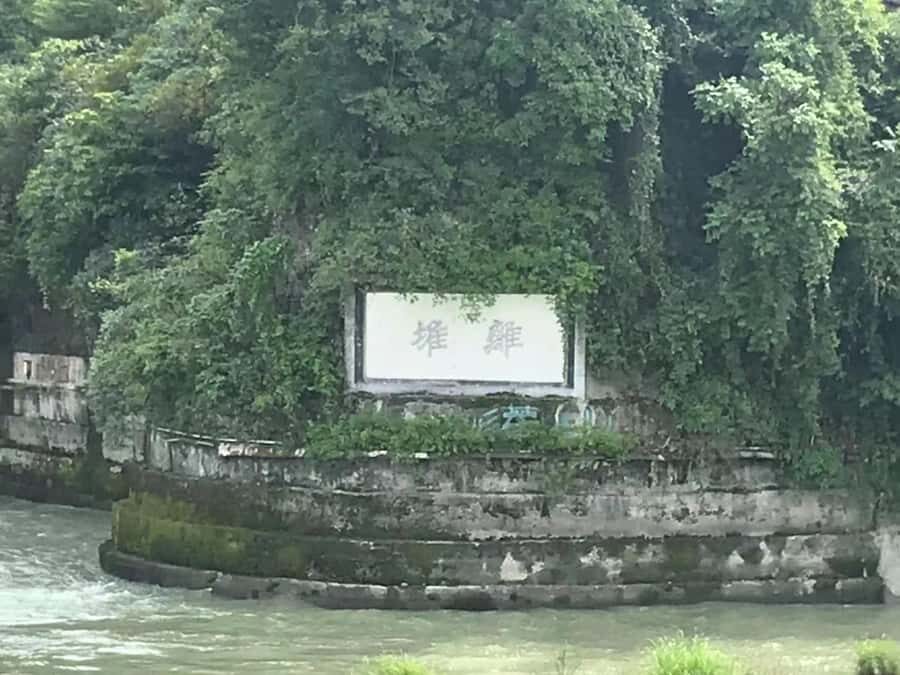
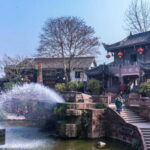
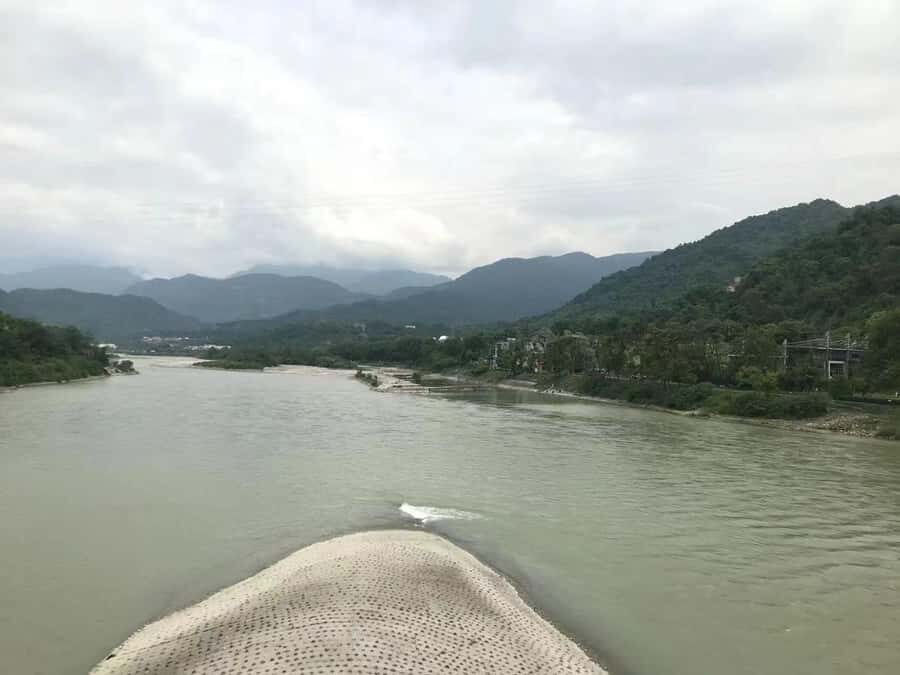
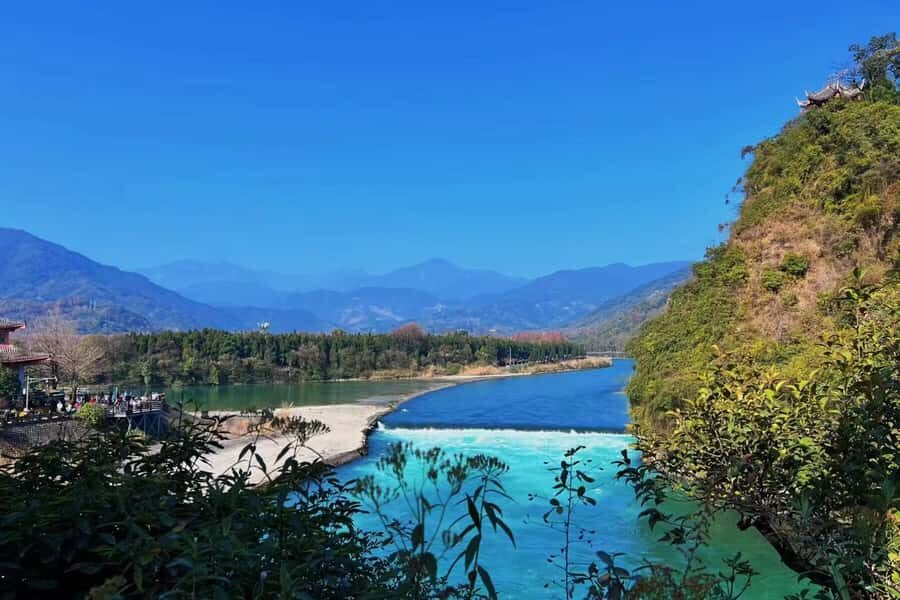
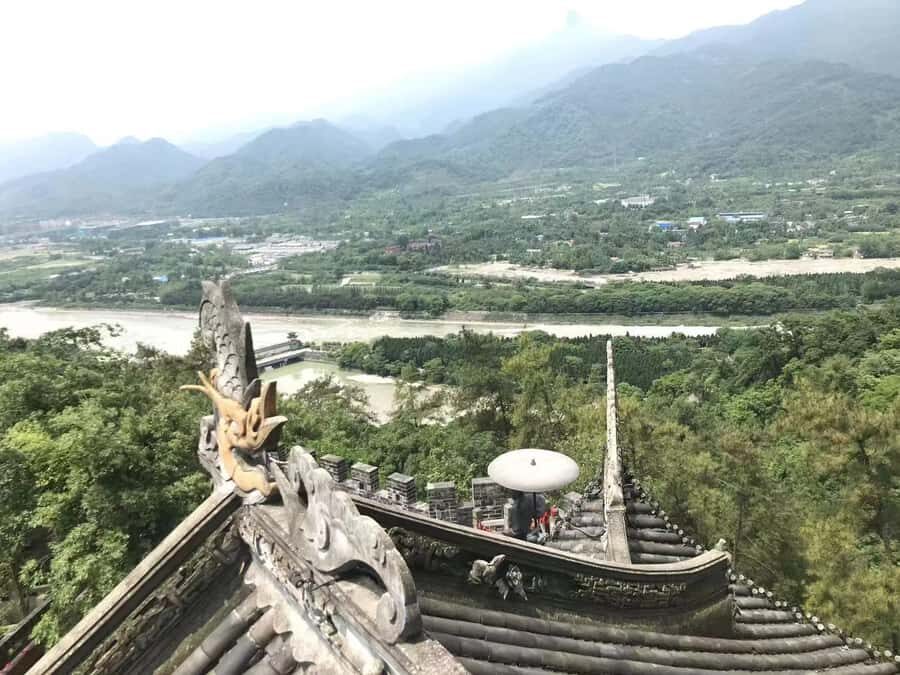
After the mountain, the tour shifts from spiritual geography to real-world engineering. Dujiangyan is famous for being the oldest surviving irrigation system in the world, and it’s also a UNESCO site. If you like history that has a direct link to daily life, this is the part that often lands hardest.
Here’s the story in plain terms. About 2,200 years ago, Chengdu faced frequent floods caused by the flooding of the Minjiang River. Local officials in the Shu state, including Li Bing and his son, studied the problem and worked with the local population for years to build the irrigation system to prevent flooding.
What makes Dujiangyan especially satisfying is that it’s not just an ancient exhibit. The system still plays a crucial role today. It drains floodwater, irrigates farms, and provides water resources for more than 50 cities across Sichuan province.
I love this kind of site because it makes history feel useful. Standing in a place where a solution has endured for centuries turns the past into something practical. Even if you’re not an engineering person, the scale of the idea is easy to appreciate: people solved a regional crisis with design and cooperation, not magic.
Practical tip: bring patience. Sites like Dujiangyan are often straightforward to understand, but moving through crowds and taking in the layout can take time. A guide helps you prioritize what to look at first.
Gondola Lines, Pacing, and How to Avoid Day-Trip Frustration
The mountain is the pacing challenge. And in particular, Mount Qingcheng can have long waits for the gondola up. One review mentioned gondola lines that felt painfully long during China’s Labor Day holiday (May 1–5), and their guide gave advance warnings to manage expectations.
So here’s the lesson you can use no matter when you go: your mood at the start matters. If you arrive expecting a smooth ride, crowds can make it feel slower than you planned. If you arrive expecting lines as a possibility, you’ll handle it better and still enjoy the scenery once you’re moving.
In terms of scheduling, the tour is built to cover the key segments of both UNESCO sites within 8–9 hours. That doesn’t mean every attraction will feel equally relaxed. It means you’ll want to follow your guide’s order and not spend too long at any one viewpoint.
If you choose the self-guided option, you’re still traveling with a driver and you’ll have English support plus a translation app. That can work well if you’re comfortable using maps and translation. If you want a smoother experience—especially for understanding Taoist terms and the Dujiangyan story—I’d lean toward a private English-speaking guide option.



Guides and Group Options: What the Reviews Actually Signal
This is one of those tours where the guide quality can make a noticeable difference. Reviews specifically praised guides such as Weaver, Mark, and Diana for being attentive and explanatory, not just present.
Here’s what that tends to mean for you in real life:
- You’re less likely to get lost in the site names and instead understand what each stop is for.
- You can ask questions about both the mountains and the irrigation history without guessing.
- The timing issues (like long gondola lines during busy holidays) are easier when someone manages the plan in advance.
You also get flexibility. There’s a private or small group setup available, and there’s both guided and self-guided time in the itinerary. Pickup is optional, and you can choose hotel drop-offs (including Sheraton Chengdu Lido Hotel as one option listed).
Self-guided reality check: the driver speaks Chinese only. English support and translation are included, but you’ll still do more of the work yourself than with a fully English-speaking guide.
If you’re traveling with kids, this tour can still work, but go in with the mindset that it’s a highlight day. The value is in the big picture: UNESCO sites, Taoist mountain culture, and a flood-control story you’ll remember.
Value for $112: When the Money Makes Sense
At $112 per person for an 8–9 hour day, the best way to judge value is by what’s included. This tour includes hotel pickup/drop-off, a private A/C car, entrance tickets, and (in the private-guided option) a private English-speaking tour guide.
The big reason it feels like decent value is that it’s not just admission. You’re buying transportation and time—time you’d otherwise burn figuring out schedules, ticket lines, and how to connect Mount Qingcheng to Dujiangyan in one day. The route also hits both UNESCO sites without making you live in transit overnight.
The “not included” part you should plan for is lunch. Since lunch isn’t covered, you’ll want to either eat before you go or budget time for a meal during the day. If you’re the type who hates last-minute meal hunting, bring snacks you can manage during waiting periods.
Who gets the best deal: people who want the two main sights quickly and don’t want to piece together logistics on their own. If you love solo exploration and speak enough Chinese to navigate easily, you might question the need for a guide—but you’d still likely appreciate the local pacing help.
Who This Tour Suits (and who should rethink it)
This tour fits best if you’re:
- Interested in Taoism and want a readable introduction to Mount Qingcheng’s major sites
- Curious about Dujiangyan as a living example of ancient engineering
- Short on time in Chengdu but still want the UNESCO highlights
- Traveling in a group that benefits from a guide who can keep the day flowing
You might rethink it if you want:
- A slow, long hiking-only day. This schedule is focused on highlights, not every trail.
- Complete flexibility day-by-day. Winter cold and holiday crowds can affect the feel of the day, even with good planning.
It’s also worth noting the tour format. There’s a self-guided option, but the driver is Chinese-speaking only. If you want minimal friction and maximum explanation, book the English-guided option.
Should You Book This 1-Day Mount Qingcheng and Dujiangyan Tour?
If you want one day that connects nature, belief, and engineering, this is a strong choice. The Mount Qingcheng portion gives you major named Taoist stops, and the Dujiangyan irrigation segment delivers a practical story with real impact that still matters. Add the included transportation and entrance tickets, and the $112 price starts to look fair for an efficient day.
I’d book it if you’re visiting Chengdu for a limited time or you want UNESCO depth without spending two separate days planning. I’d pause before booking only if you’re very sensitive to cold (winter can be harsh) or you’re expecting an ultra-relaxed day with no waiting at transport points.
FAQ
FAQ
What time does the tour pick up from my hotel in Chengdu?
Pickup is scheduled for 9:00am from your Chengdu hotel in downtown areas (if you select the pickup option).
How long is the tour and what are the drive times?
The tour runs 8–9 hours. It takes about 80 minutes (around 65 km) to drive to Mount Qingcheng, and about 30 minutes to get from Mount Qingcheng to Dujiangyan.
Are Mount Qingcheng and Dujiangyan both included in the same day?
Yes. The tour visits Mount Qingcheng and then the Dujiangyan Ancient Irrigation System in one day, covering two UNESCO World Heritage sites.
What do I see at Mount Qingcheng?
Mount Qingcheng is divided into Front Mountain and Back Mountain. Front Mountain attractions listed include Natural Drawing, Jianfu Palace, Tianshi Cave, Chaoyang Cave, and Shangqing Palace. Back Mountain attractions listed include Golden Cliff and Sky Storehouse, Goddess Cave, Clouds Caves, and a View of Platform Bridge.
What is Dujiangyan, and why is it famous?
Dujiangyan is the ancient irrigation system designed to prevent flooding of the Minjiang River. It was built about 2,200 years ago under Li Bing and his son, and it still drains floodwater and supports irrigation for more than 50 cities in Sichuan province.
Is lunch included in the price?
No. Lunch is not included.
What entrance costs are covered?
Entrance tickets are included in the tour price.
Is there an English-speaking guide option?
Yes. If you choose the private-guided day tour, you get a private English-speaking tour guide. For the self-guided option, the driver speaks Chinese only, but you have access to a translation app and an English-speaking support team.
What should I know about entering monuments?
The information provided says that half day tours cannot enter the monuments due to time constraints. For this 1-day format, access may depend on onsite rules and the day’s schedule.