REVIEW · CHENGDU
Half-day Dandan Noodles Cooking Class with a Local Market Visit
Book on Viator →Operated by Chilli Cool China · Bookable on Viator
Spice market plus noodles in four hours.
That mix is exactly what makes Chilli Cool China’s half-day Dan Dan noodles cooking class feel fun and practical, not just “watch and copy.” You start with a guided look at Sichuan ingredients, then move into a real kitchen lesson where you learn how the flavors come together.
I particularly like the small-group, hands-on format (max 8), because you’re more likely to get personal help while you cook. I also like that the guide is set up to explain ingredients clearly in English, and the day ends with you eating what you made with jasmine tea and a beer.
One possible consideration: the whole concept is Sichuan-style, so expect bold, spice-forward flavors even if the dish can be adjusted only if the chef allows it. If you’re very heat-shy, you’ll want to think about how spicy you’re comfortable eating.
In This Review
- Key things I’d circle before you book
- Chengdu’s Dan Dan noodles: what you’re really learning
- The market visit: your Sichuan ingredient shortcut
- Pickup, drop-off, and why the location matters
- The kitchen lesson: jasmine tea, then the sauce formula
- Hands-on cooking: what you’ll do in the workshop
- What you eat at the end: noodles, tea, and beer
- The price: $100 and whether it feels worth it
- Who should book this Dan Dan noodle class
- A possible drawback to plan around
- Should you book it? My straight answer
- FAQ
- FAQ
- How long is the Dan Dan noodles cooking class in Chengdu?
- Where does hotel pickup and drop-off happen?
- Is there an English-speaking guide?
- How many people are in each group?
- Is a vegetarian option available?
- Do I need passport details to book?
- What if the weather is bad?
Key things I’d circle before you book
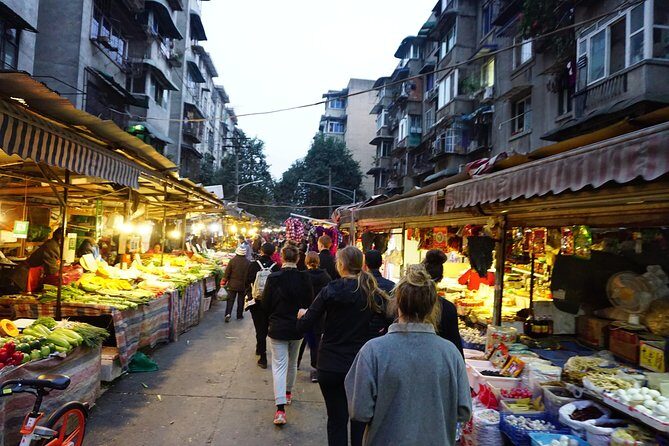
- Spice market “treasure hunt” style shopping for Sichuan aromatics and sauces
- Hotel pickup/drop-off within Chengdu’s second ring road, saving you the hassle of transit
- A professional Sichuan kitchen led by an experienced chef, not a demo-only class
- Jasmine tea and beer included, so you’re eating the full experience, not just sampling
- Vegetarian option available if you request it at booking
Chengdu’s Dan Dan noodles: what you’re really learning
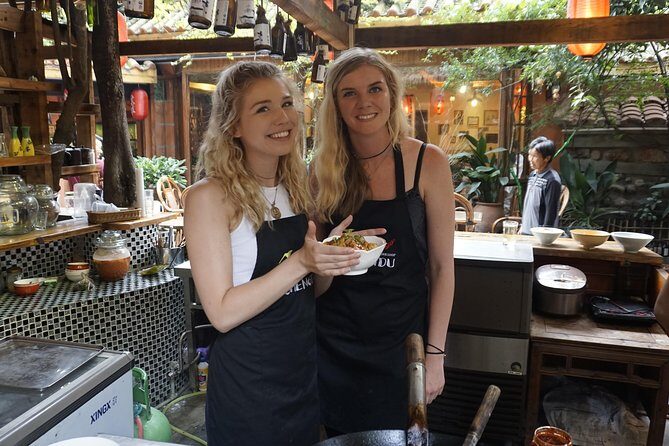
Chengdu is famous for bold flavors, and Dan Dan noodles (担担面) sit right at the center of that story. These noodles aren’t just “spicy noodles.” They’re built on a specific balance: nutty sesame notes, a savory sauce base, and the sharp heat that Sichuan is known for. The best part of this class is that it treats Dan Dan noodles like a craft you can reproduce, not a mystery you hope to copy.
That’s why the lesson starts with ingredients. When you see the spice market items up close, you understand what you’re tasting later in your bowl. And when you cook with a chef, you learn when to add each component so the sauce doesn’t taste flat or one-note.
You should also know the class is designed around a half-day time window (about 4 hours), with enough food included to count as a proper meal. That matters in Chengdu, where a lot of food tours become snack-sized.
You can also read our reviews of more shopping tours in Chengdu
The market visit: your Sichuan ingredient shortcut
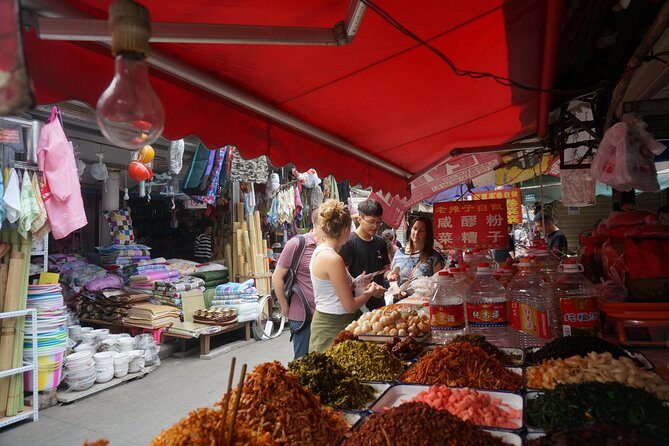
The most useful part of this experience is the ingredient hunting. You’ll go into a local spice market with an English-speaking guide, and you’re given a mission-style way to explore. It’s not a passive walk. You’ll be looking for the components that make Dan Dan noodles taste like Dan Dan noodles—things like Sichuan spices and other key ingredients you’ll use later.
From the reviews, the market segment stands out because it feels like a challenge. People liked the idea of getting hands-on in the market, asking questions, and learning what different ingredients do. One review even mentioned that they practiced Mandarin to buy items, which is exactly the kind of real-life value you want: language practice tied to food decisions.
What makes this market visit especially worthwhile is the context. In a restaurant, you taste the result. In a market, you learn the building blocks. Then, back in the kitchen, those building blocks show up in your own cooking steps.
A small caution: spice markets can mean strong smells and lots of movement. You’ll want comfortable walking shoes, and it helps to come ready to stand and walk for a while.
Pickup, drop-off, and why the location matters
This tour includes hotel pickup and drop-off in Chengdu’s second ring road. That’s a big practical plus. Chengdu is spread out, and food experiences are easiest when you don’t spend half the day figuring out transport.
It also helps that the tour runs in all weather conditions. That doesn’t mean you shouldn’t dress for rain or heat—it just means the plan usually continues. So bring a light layer, wear shoes you can move in, and be ready for market walking.
Group size is capped at 8 travelers, and that makes a difference here. You’re moving from market stalls into a kitchen environment where space is tight. A smaller group typically means you get more time with the guide and chef.
The kitchen lesson: jasmine tea, then the sauce formula
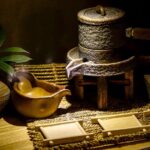
After the market, you head to a professional cooking school of Sichuan cuisine. This is where the experience shifts from “shopping trip” to “cookery workshop.” You’ll be treated with local tea—jasmine tea—which is a classic hospitality touch. It also gives you a calm moment before you start working with strong flavors.
Then comes the core instruction: learning the secret sauce behind Dan Dan noodles. The important thing isn’t just memorizing steps—it’s learning how the sauce is built and balanced. With Sichuan food, the final taste depends on correct proportions and timing: when something blooms, when it softens, and when it sharpens.
In reviews, the cooking environment is described as professional and well explained, and the hands-on style matters. You’re not just watching someone else cook. You’re actively participating, which is how you’ll remember the flavors and techniques later when you try recreating this at home.
If you care about authenticity, a professional kitchen led by a Sichuan-focused instructor is a good sign. One review specifically mentioned a local master chef, which aligns with how this type of class should run.
Hands-on cooking: what you’ll do in the workshop
In the kitchen, your guide helps you start the cooking process step-by-step with a professional chef. The class is structured so you can actually finish a meal and sit down to eat it, which is the goal of a good half-day workshop.
A few review details hint at the intensity of the hands-on work. One person mentioned making chaoshou (the dumpling-style component often associated with Sichuan noodle dishes), including learning enough Mandarin to help with purchasing components in the market segment. That’s not something every cooking class offers; it suggests your market and kitchen time are linked tightly.
Even if you don’t focus on chaoshou specifically, expect real prep work: mixing, shaping, timing, and assembling the final bowl. The included recipes also help a lot. After cooking, you’re not left with only memory—you have a guide you can use later.
Practical tip: watch how the chef textures and seasons the sauce components. In Dan Dan noodles, tiny changes can make the bowl taste either balanced or messy. When you see the sauce behave in the pan, it becomes easier to reproduce at home.
A few more Chengdu tours and experiences worth a look
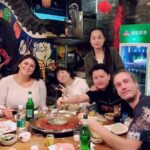
What you eat at the end: noodles, tea, and beer
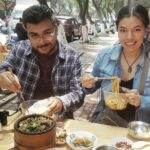
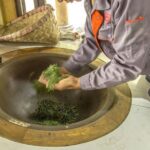
You’ll finish by eating the dishes you prepared, along with jasmine tea and a complimentary beer or beverage. That’s the kind of finishing touch that makes the class feel like a complete meal experience rather than a food lesson that ends with a light tasting.
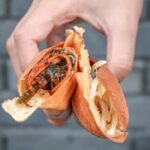
The food itself is described as Szechuan-style Dan Dan noodles—a popular street food in China and one of the top Chinese noodle dishes. In other words, it’s not some obscure regional experiment. You’re learning a dish that’s recognizable, flavorful, and often easier to replicate later because the flavor profile is consistent.
One benefit of the included meal plan: there’s light refreshments plus lunch or dinner depending on the schedule. That helps you plan around hunger. In food-heavy days in Chengdu, you don’t want to stack another meal immediately after a class that already made you cook.
If you have dietary needs, there’s a vegetarian option available. The key is to advise it at booking so the kitchen can plan the ingredients and final dish accordingly.
The price: $100 and whether it feels worth it
At $100 per person for about four hours, this class isn’t the cheapest cooking option in China. But it’s also not priced like a fancy private chef experience. For the money, you’re paying for three things:
- Guided market shopping (ingredients + explanation)
- A professional kitchen with real instruction and hands-on time
- All the food and drinks tied to the meal, including jasmine tea and beer
What pushes the value upward is the small group limit of up to 8 travelers. If you were paying the same price for a class with 20 people, you’d likely lose attention from the guide and chef. Here, the format supports better learning.
Also, the hotel pickup/drop-off within the second ring road reduces hidden costs like taxis and time. When you count that convenience, the price feels closer to “you’re paying for the experience design.”
For best value, book early. The tour notes that it’s often booked about 9 days in advance, so plan ahead if your Chengdu schedule is tight.
Who should book this Dan Dan noodle class
This class is a great fit if you want:
- A hands-on Sichuan cooking lesson rather than a sit-and-watch style activity
- A market-to-kitchen experience that teaches you ingredients, not just technique
- An English-friendly guide with a structured approach (the tour includes an English-speaking guide)
- A time-efficient food activity in Chengdu, with about 4 hours of commitment
It also works well for pairs and small groups. Several reviews highlight guides by name, including Lance and mention of other organizers/guides such as Winter, Ocean, and Amy. That suggests you’ll likely get a friendly, explanation-first teaching style rather than a rigid lecture.
If you’re traveling with kids, note that the minimum age is 5. The class is described as operating in all weather conditions, so bring the right outdoor clothing if your day is rainy or hot.
A possible drawback to plan around
The biggest “think about it first” issue is spice tolerance. Dan Dan noodles are known for Sichuan heat and bold seasoning. Since the class is explicitly built around Szechuan-style preparation, you should assume the flavors will be intense.
Second, the pickup area is limited to hotels within the second ring road. If your lodging is far outside that zone, you might not get pickup, which could affect convenience.
Finally, remember this is a short, focused half-day. If you’re hoping for a slow, leisurely day with lots of free time, you may find the pace brisk because the market and cooking segments are both active.
Should you book it? My straight answer
Book it if you want a real Chengdu flavor skill in half a day: you’ll learn what goes into Dan Dan noodles, you’ll shop for Sichuan ingredients with a guide, and you’ll take home recipes. The small group and hands-on kitchen instruction are the biggest reasons this class feels like more than a tourist meal.
Skip it only if spice-forward Sichuan flavors make you nervous, or if your hotel location makes the second ring road pickup a mismatch. If you’re in the right area and you like learning through doing, this is a smart use of time—and a delicious one.
FAQ
FAQ
How long is the Dan Dan noodles cooking class in Chengdu?
The class runs about 4 hours (approx.), with a market visit and time to cook and eat.
Where does hotel pickup and drop-off happen?
Pickup and drop-off are included for hotels within Chengdu’s second ring road.
Is there an English-speaking guide?
Yes. The experience includes an English-speaking guide.
How many people are in each group?
The maximum group size is 8 travelers.
Is a vegetarian option available?
Yes. A vegetarian option is available, and you should advise the provider at the time of booking.
Do I need passport details to book?
Yes. The tour requires passport name, number, expiry, and country for all participants at the time of booking.
What if the weather is bad?
The experience operates in all weather conditions, so you should dress appropriately and wear comfortable walking shoes for market time.