REVIEW · CHENGDU
Private Half-Day Chengdu Panda Breeding Center Tour with Optional Volunteer
Book on Viator →Operated by Samtour of Chengdu OTC Travel · Bookable on Viator
Cuddly chaos, with good logistics. This private half-day tour gets you straight into panda breeding facilities, where you can follow giant panda life stages and even add a red panda stop.
I like that it’s run with a tight flow: hotel pickup in an air-conditioned vehicle, a guided walk through the center, and enough time to actually watch pandas—not just rush past them.
Two things I’d pick this for: the private, English-speaking guide (so you can ask questions and get better viewing spots), and the chance to see pandas by development stage—from tiny cubs to older bears. The only caution: the on-site rules and closeness expectations can vary, especially if you choose the optional panda volunteer add-on.
In This Review
- Key Points You Should Know Before You Go
- Entering Panda Mode at Xiongmao Jidi in Chengdu
- How the Morning Flow Improves Your Panda Views
- The Baby Garden and the Life Stages Story You’ll Actually Follow
- Red Panda Area: A Calmer Detour That’s Still Worth Your Time
- Private Guide, Air-Conditioned Van: Why This Beats DIY Stress
- Optional Panda Volunteer: How to Set Expectations Without Getting Burned
- Price and Logistics: Is $87 Good Value?
- What to Pack and How to Make It a Great Morning
- Who This Tour Fits Best
- Should You Book This Private Panda Tour?
- FAQ
- How long is the private half-day panda tour?
- Where will I be picked up and dropped off?
- Which panda center will I visit?
- Does the tour include red pandas?
- Is entry to the panda center included?
- Is food included?
- Is this tour private?
- Can I choose a volunteer experience?
- Do I need identification for entry?
- What is the cancellation policy?
Key Points You Should Know Before You Go
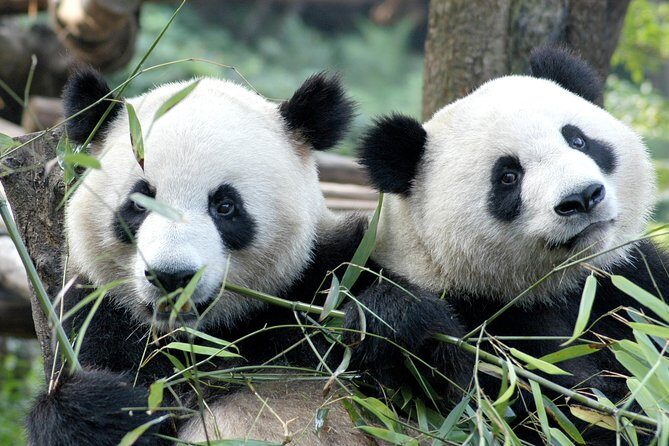
- Private guide time: less standing around, more focused panda viewing
- 3 hours inside the center: baby garden, adolescent, and adult areas in one loop
- Red panda area included: a calmer, different kind of wildlife moment
- Morning timing matters: pandas tend to be easier to see and photograph earlier
- Volunteer option changes the experience: it may not mean touching or maximum closeness
Entering Panda Mode at Xiongmao Jidi in Chengdu
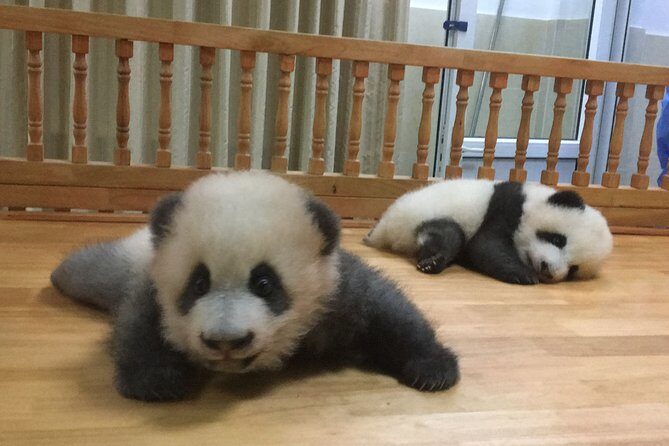
Your tour starts with hotel pickup in Chengdu. From there, you ride in a comfortable, air-conditioned minivan to the giant panda breeding research base at Xiongmao Jidi (also commonly called the Chengdu Panda Breeding Center). The big appeal here is that you’re not just buying entry—you’re getting a guided route through the facility so you can connect what you’re seeing with how pandas grow and live.
Once you arrive, you’ll spend about 3 hours inside. That’s a real advantage because panda centers are large and easy to “feel busy” in without moving toward the best viewing spots. A guide helps you go where the animals are most likely to be active, then makes sense of what you’re observing at different life stages.
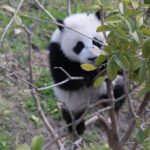
And yes, the pandas are the main event—but the way the center is laid out turns it into a lesson you can walk through. You’ll typically start with the baby areas, then move toward adolescent and adult enclosures. If you’re into photography, this is where timing and route matter: you want to be at the right viewing zone when pandas are awake and feeding.
You can also read our reviews of more private tours in Chengdu

How the Morning Flow Improves Your Panda Views
This tour is designed for a half-day window, which is ideal in Chengdu because panda activity tends to shift through the morning. One guest shared that pandas are more active early, often until about 10:00 or 10:30am. That lines up with what you should plan for: if you want the most visible, moving pandas, you’ll want to be inside and settled early rather than arriving after the crowd wave.
You also get practical benefits from the private format. Several guides in this program were praised for moving people efficiently through a very popular site—avoiding the worst pushing points and steering you through the center at a pace that still lets you stop and watch.
A small realism check, though: even with good logistics, panda centers can be busy. One review noted that there can be lots of people even in off-season, so it’s smart to dress for a crowd. Expect shoulder-to-shoulder moments in the most popular viewing zones, then quieter stretches as your route moves along.
The Baby Garden and the Life Stages Story You’ll Actually Follow
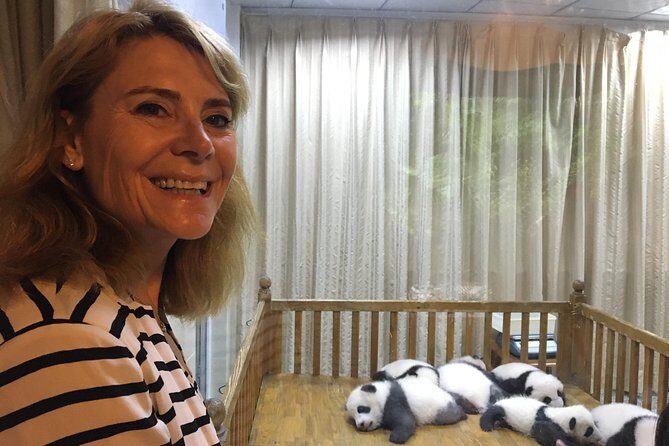
The highlight in the Chengdu center is the sense of progression. Instead of seeing pandas as one repeated scene, you’re shown how different stages look and why they matter.
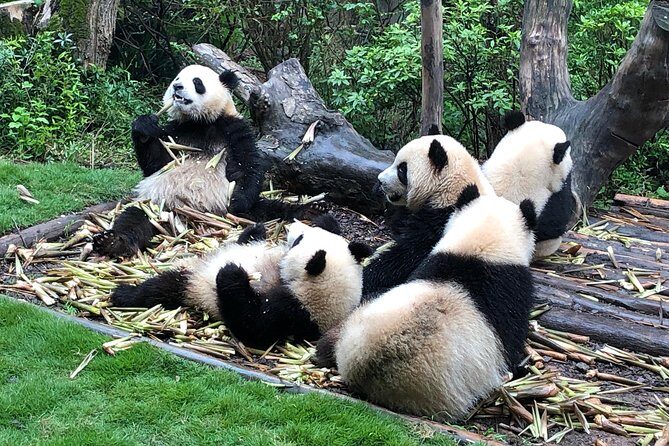
In the baby garden area, you’ll learn about cub development. The infant details are specific: at birth, cubs weigh around 100 grams (about 3.5 ounces), and by around the third month they can walk on their own. That kind of fact makes the viewing feel more meaningful—because you’re not just thinking, Oh, cute bear. You’re thinking, Oh, this is the stage where they’re learning to move, explore, and interact.
Then you shift to adolescent pandas (often described as roughly ages one to five). This stage is important for understanding panda behavior and maturity. You’ll also get time to watch them as they relax in their enclosures. One of the most common takeaways from guests is that seeing different ages in the same morning makes it feel less like a zoo loop and more like a real study visit.
For photography, the best results usually come when pandas choose to be seen rather than hide. The route matters here: the guide helps you hit multiple areas without wasting walking time. If you’re the kind of person who wants the “best spot” rather than the “average spot,” this private pacing tends to deliver.
Red Panda Area: A Calmer Detour That’s Still Worth Your Time
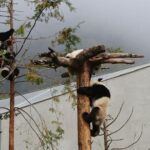
Don’t skip the red panda area. Giant pandas are the headline, but the red pandas add variety—and a different personality.
The red panda stop is included in this tour, and it’s usually a welcome change of pace. Red pandas tend to feel quieter and more observant, with a “territorial” vibe that makes them interesting to watch even when they’re not sprinting around.
Practically, this stop works well because it breaks up the giant panda focus. After hours of black-and-white bear watching, you get a chance to slow your eyes and notice different body language—how they hold their tails, how they move along their perches, and how they respond to the crowd noise.
If you care about getting usable photos, the best strategy is simple: give red pandas space. They may not be as consistently active as giant pandas, so let them do their thing and you’ll likely get better frames.
Private Guide, Air-Conditioned Van: Why This Beats DIY Stress
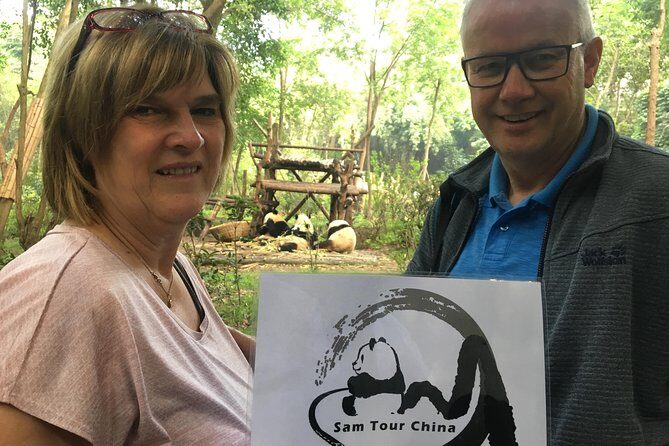
At $87 per person, you’re paying for more than admission. You’re paying for someone to handle the trip timing and the on-site flow so you don’t spend your morning figuring out the facility while also fighting crowds.
Here’s what you should expect from the private format:
- Hotel pickup and drop-off: no guessing transport routes in a city you don’t know
- An English-speaking guide: you can ask direct questions and get context fast
- A private comfortable vehicle: especially useful if your hotel is outside the most convenient pickup zones
Multiple guests praised guides by name—like Perry, Cindy (Cindy Liu), Jason, Emma, Wells, Jojo, and Jin—for being organized, communicative, and good at finding viewing spots. You shouldn’t assume you’ll get the same guide, but it does tell you something about what the service is built around: strong guidance is a big part of the experience here.
Balanced view: one guest felt the tour wasn’t as informative as expected for a private price, with most learning coming from signage rather than expert storytelling. That can happen when language levels or interpretation don’t match your expectations. If you’re a panda-nerd who wants deeper conservation talk, I’d go in ready with a few questions and ask early so the guide can steer you into the details you want.
A few more Chengdu tours and experiences worth a look



Optional Panda Volunteer: How to Set Expectations Without Getting Burned
The volunteer add-on sounds like the dream scenario: more interaction, more responsibility, more “real” panda time. The reality is that the volunteer experience is limited by center rules, and those rules may change.
Two important facts from the program details:
- If you choose the volunteer option, you’ll tour the Dujiangyan Giant Panda Center, about 90 minutes away from central Chengdu.
- Volunteer availability depends on consultation (so don’t assume it’s always offered on your date).
What about closeness? Here’s where you should be cautious. One guest described a volunteer day that included being at an enclosure where feeding was visible, including a mama panda and a one-year-old panda. Another guest was more direct about limitations, saying staff clarified that guests are not allowed within one meter of the pandas and that “touching” rumors weren’t accurate. That same review also called out a long video segment that felt like time you could have spent watching animals.
So how do you decide if volunteer is worth it? I’d base it on your priorities:
- If your priority is seeing pandas and learning the center system, a standard panda tour can be the simpler win.
- If your priority is contributing through permitted activities and you’re okay with strict boundaries, the volunteer option can still feel meaningful—even if you don’t get the closeness some people imagine.
Most importantly: follow on-site staff instructions without debate. It’s their facility, their safety rules, and your best chance of a smooth day.
Price and Logistics: Is $87 Good Value?
Let’s talk value honestly. $87 per person is not “budget,” especially when you compare it to the cost of getting to the panda center on your own. But the price starts making sense when you tally what’s included: a professional English-speaking guide, private air-conditioned transport, and hotel pickup/drop-off, plus entry to the center.
This is the kind of tour where the main benefit is time and stress reduction. Panda centers are famous, and that means crowds. If you’ve ever tried to navigate a major attraction in a foreign language while also trying to locate the best viewing loop, you know how quickly the morning disappears. Here, the guide helps you keep the day on track.
Is it always perfect? No. If you end up with a guide who doesn’t meet your expectations for depth or clarity, you might feel the price more than you should. Still, the overall rating is high, and many guests singled out guide skill and efficient routing as the difference-maker.
What to Pack and How to Make It a Great Morning
Because this is a half-day morning tour, you’ll likely walk a lot and spend time standing in view areas.
Here’s what I’d do:
- Wear comfortable shoes with grip. One guest mentioned hillier parts and steps moving at a pace that felt harder than expected.
- Bring a hat and water. Even if your ride is air-conditioned, you’ll still be outdoors within the center.
- Use your phone camera early. If pandas are active, that early window is when you get your best shots.
Also, one guest mentioned needing their passport/ID for entry. That’s not spelled out in the general tour notes you provided, but it’s enough of a signal that I’d rather you be over-prepared than stuck at the gate. Bring your passport or some form of government ID.
Who This Tour Fits Best
This tour is a strong match if:
- You want a private guided experience rather than a self-guided wandering session
- You’re short on time in Chengdu and want to see key pandas and the red pandas in one morning
- You like practical context—learning how cubs grow and how panda life stages differ
It may be less ideal if:
- You’re hoping for maximum closeness or touching during the volunteer option. Rules can be strict.
- You mainly care about deep academic conservation history and might feel let down if the guide sticks to signs and quick explanations.
Should You Book This Private Panda Tour?
I’d book this tour if you want a smooth morning: hotel pickup, a planned route through the panda center’s life stages, and a guide who helps you see more than you would alone. The private setup tends to pay off quickly in a busy facility, and the red panda stop adds real variety.
I’d think twice about the volunteer add-on only if you’re chasing a specific fantasy of touching or being extremely close. If you can go in with realistic expectations—respect the boundaries, enjoy the feeding and enclosure viewing if permitted, and focus on the pandas themselves—you’ll likely be happy you chose the extra experience.
If you’re spending just a day or two in Chengdu and panda time is your priority, this is one of the easiest “yes” choices.
FAQ
How long is the private half-day panda tour?
It runs about 3 to 4 hours total, with around 3 hours inside the panda center.
Where will I be picked up and dropped off?
You’ll be picked up and dropped off at your Chengdu hotel.
Which panda center will I visit?
If you choose the standard tour, you’ll visit the Chengdu Panda Breeding Center (Xiongmao Jidi). If you select the panda volunteer option, the program tours the Dujiangyan Giant Panda Center.
Does the tour include red pandas?
Yes, the itinerary includes a visit to the red panda area.
Is entry to the panda center included?
Yes. Entry/admission to the Giant Panda Breeding Research Base (Xiongmao Jidi) is included, and the schedule includes admission ticket coverage for the time in the center.
Is food included?
No, food is not included.
Is this tour private?
Yes. It’s private, and only your group participates.
Can I choose a volunteer experience?
The volunteer option is available, but availability needs to be checked at booking.
Do I need identification for entry?
A guest reported that ID/passport was needed for entry, so it’s smart to bring your passport or a valid government ID.
What is the cancellation policy?
Free cancellation is available up to 24 hours in advance for a full refund. If you cancel less than 24 hours before the start time, the amount paid is not refunded.