REVIEW · CHENGDU
Half-Day Sichuan Cooking Class Experience in Chengdu
Book on Viator →Operated by Samtour of Chengdu OTC Travel · Bookable on Viator
One great way to understand Sichuan food is cooking it. This half-day class in Chengdu turns you from a spice skeptic into someone who can name flavors, not just feel them. You’ll learn the techniques behind classics like Kung Pao chicken and dumplings, cook a full meal, and leave with recipe cards.
I really like two things about how this is set up: small groups (max 5) that keep the kitchen interactive, and a structure that mixes instruction with hands-on work. You’re not just watching the chef; you’re doing the chopping, mixing, folding, and finishing—then eating what you made.
One consideration: English support can vary. The experience is described as led by a local English-speaking chef, but some days may rely on a helper/translator, so plan to use your hands and kitchen questions a bit, too.
In This Review
- Key Things You’ll Notice in This Class
- A 4-Hour Sichuan Session Starting at 4:00 pm
- Pickup, Kitchen Style, and What Small-Group Really Means
- The Sichuan Flavor Lesson: Spices, Sauce Logic, and Heat Control
- Cooking Your Meal: The Dishes You’ll Likely Make
- When the Menu Changes
- Hands-On Steps: What You Actually Do in the Kitchen
- Eating Together: Dinner Included and Why That Part Matters
- Price and Value: Is $83.99 Fair for a 4-Hour Class?
- Who This Sichuan Cooking Class Fits Best
- Should You Book This Cooking Class in Chengdu?
- FAQ
- What time does the cooking class start?
- Is hotel pickup and drop-off included?
- How many people are in the group?
- What dishes will I cook?
- Can I request a dish that isn’t on the menu?
- Is dinner included?
- What language support will I have?
Key Things You’ll Notice in This Class
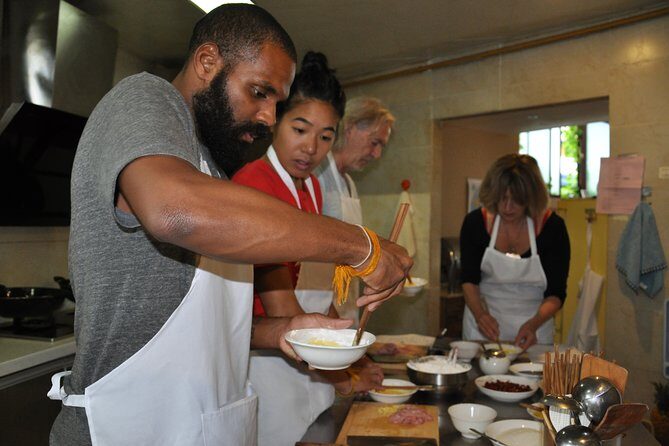
- Max 5 travelers means you get room to ask questions while the wok is hot
- Hotel pickup and drop-off keeps the 4-hour schedule from feeling stressful
- A real Sichuan spice focus helps you understand the why behind the heat and flavors
- You cook a full set of dishes (often including Kung Pao, sweet and sour pork, and dumplings)
- Recipe cards let you recreate the meal at home without guessing measurements
- Custom dish requests may be accommodated if you ask in advance in the special requirements box
A 4-Hour Sichuan Session Starting at 4:00 pm
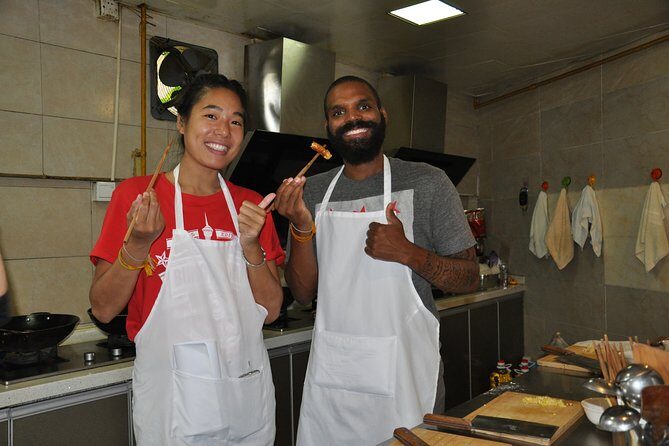
This is built for people who want a food experience without losing a whole day. The class runs about 4 hours, starting at 4:00 pm, though the exact timing can shift based on how many participants show up. In practice, that means you should plan to treat this as your main evening food plan, not a quick snack.
That timing is also convenient for Chengdu pacing. You get time earlier in the afternoon to roam around, then you finish with dinner that you helped make. And since the tour includes pickup and drop-off, you don’t need to figure out transport while you’re hungry and carrying your questions.
If you’re the type who likes to learn by doing, this schedule works well. The kitchen time is long enough to build confidence, but short enough that you’re still excited when you sit down to eat.
You can also read our reviews of more cooking classes in Chengdu

Pickup, Kitchen Style, and What Small-Group Really Means
Hotel pickup and drop-off is included, which matters more than it sounds. In Chengdu, you can easily spend your energy on transit, even if your destination is only a short ride away. Here, that friction gets removed.
The group size is a big deal: the experience is capped at 5 travelers, and several reports describe days where the group was just two people or even one. In those scenarios, the class can feel more like a focused lesson than a production line.
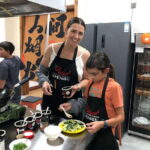
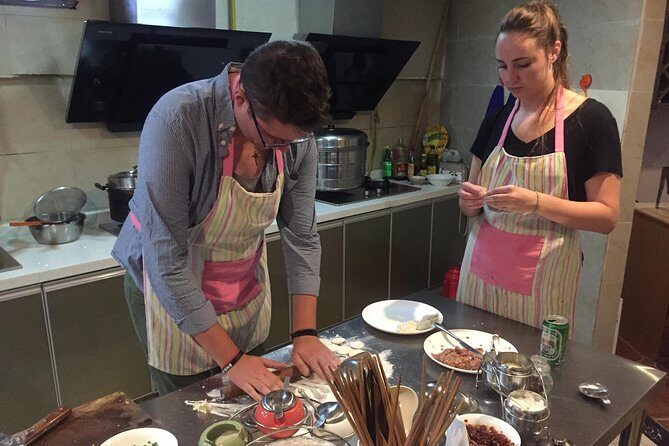
Now, the kitchen itself can feel more local than glossy. Some versions run in small, working kitchens (for example, a hostel kitchen or a family-run cafe setting), not a big studio. That’s not a negative for me. It usually means you’re cooking like real home cooks: straightforward tools, real ingredients, and less “tour theater.”
The Sichuan Flavor Lesson: Spices, Sauce Logic, and Heat Control
Sichuan cooking is famous for flavor, but it’s not just about being spicy. The class explicitly targets Sichuan spices and cooking techniques, and that’s the part that helps most people level up fast.
You’ll be taught how dishes use layers of flavor—sweet, sour, salty, and fragrant—plus Sichuan heat that creates a tingling sensation. You’ll also learn what makes different dishes taste like themselves, even when they share ingredients like garlic, ginger, and chili.
A practical tip from the way the class is described: focus on the sauce and seasoning sequence, not only the ingredients. In Sichuan cooking, small timing shifts change the result. If you pay attention while mixing and adding sauces, you’ll be more likely to reproduce the dish later.
Also, don’t stress if you don’t catch every word. Even when English is limited, the cooking action is universal. Many classes run with an English-speaking chef or a helper who translates, so you can still ask questions like:
- Why this order for adding sauce?
- What should the texture look like before finishing?
- How spicy is this version supposed to be?
Cooking Your Meal: The Dishes You’ll Likely Make
The class is designed around making four traditional Chinese dishes, with the menu centered on Sichuan favorites. In the standard lineup, you can expect to cook dishes such as:
- Kung Pao chicken
- Sweet and sour pork
- Fish-flavored eggplant
- Soft steamed dumplings
That set is smart for beginners and food nerds at the same time. Kung Pao teaches a classic Sichuan flavor profile with chili and aromatics. Sweet and sour pork gives you a feel for balancing acid and sweetness without making it taste like candy. Fish-flavored eggplant is a great example of how “fish-flavored” is about sauce aroma rather than literal fish. Dumplings are the technique lesson: folding, sealing, and getting the texture right.
When the Menu Changes
One of the best parts of a small-class setup is that your exact four dishes can shift. Some days include variations such as:
- Mapo tofu
- Twice-cooked pork
- Dandan noodles
- Pork ribs with potatoes
- Bean curd in XO sauce
If you’ve got a personal favorite, you can try to request it. The experience notes that you can ask to cook a Sichuan dish not on the menu via the Special Requirements box at booking. It cannot be guaranteed, but the chef will try to accommodate.
My advice: if there’s one dish you truly want (maybe you’ve had it in Sichuan and want to compare), request it early and be flexible in wording. If the chef can’t swap, they may still guide you using the closest technique in the class.
A few more Chengdu tours and experiences worth a look

Hands-On Steps: What You Actually Do in the Kitchen
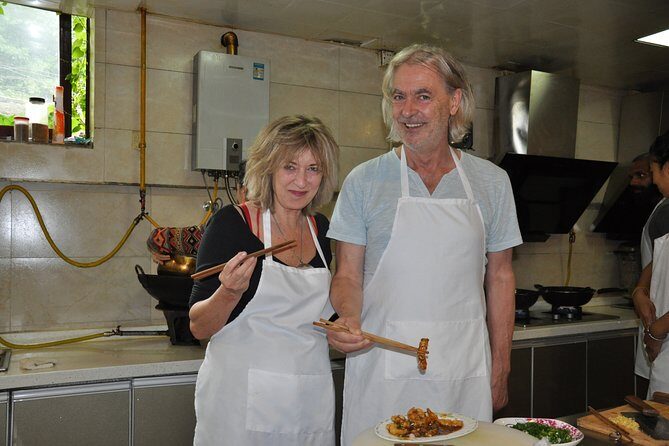
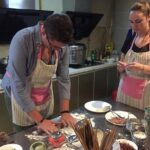
This is an actively cooked class, not a tasting tour. You’ll follow the chef’s demonstration, then repeat the steps yourself, including skills like chopping, mixing, and assembling.
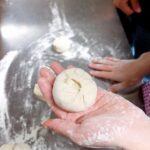
For dumplings, you should expect real hands-on technique. Some classes highlight dumpling folding as a key part of the lesson, and you’ll practice until you’re satisfied with the shape and closure. That matters because dumpling texture can go from tender to disappointing based on how well the seal holds.
For stir-fry dishes like Kung Pao or sweet and sour styles, the lesson focus tends to be timing and balance. You’re learning what the finished dish should smell like, what the sauce should cling to, and how to avoid a flavor that’s either too flat or too aggressive.
For eggplant, expect a focus on sauce integration. Eggplant is one of those ingredients that can soak up flavor if handled right, or taste watery if not. A Sichuan eggplant dish is a shortcut to understanding how thick sauces change the whole experience.
If you want to get the most out of it, take a small moment after each dish step to check your result. Ask yourself:
- Does it look glossy where it should?
- Does it smell layered, or one-note?
- Is the texture where the chef expects it to be?
Those quick checks make the final eating portion more satisfying, because you’ll understand how each dish got there.
Eating Together: Dinner Included and Why That Part Matters
After cooking, you sit down to feast on what you made. Dinner is included, and the relaxed setup is part of the value. You’re not just “done” after cooking; you get to eat while the flavors are still fresh and the chef can help you interpret what went right.
This is also where the class becomes social in a good way. You’ll chat with your fellow food lovers in the cooking school environment. In a small group, those conversations can turn into practical exchanges—how you like your spice, what you’d adjust next time, what you should watch for when cooking at home.
Even if your group size is bigger, the class structure keeps the meal from feeling rushed. It’s designed as a full learning loop: practice → plate → taste → adjust.
And yes, you’ll be taking home recipe cards. That’s a serious perk for anyone who has cooked an exciting dish while traveling and then had trouble recreating it later. With the cards, you can reproduce the flavor logic, not just the memory.
Price and Value: Is $83.99 Fair for a 4-Hour Class?
At $83.99 per person, this isn’t a cheap snack activity. But when you compare what’s included—hotel pickup and drop-off, a professional chef, dinner from your own cooking, plus recipe cards—it lands in the “fair for a hands-on lesson” category.
Here’s the real value equation:
- You’re paying for instruction plus ingredients plus a meal
- You’re not paying for a large crowd or a big entertainment budget
- You’re leaving with something usable: a repeatable recipe set
You’ll get the most value if you’re the kind of person who cooks at home and wants a system. If you only eat, you might still enjoy it, but you won’t get the full payoff from the hands-on time.
Group size matters too. When the class is small—especially when it becomes private or near-private—you effectively get more attention per person. That’s when the price starts to feel especially reasonable.
Who This Sichuan Cooking Class Fits Best
This class is a good match if you want:
- A hands-on food experience where you control the steps
- Sichuan flavor basics that you can replicate later
- A small-group setting with time for questions
- A meal that doubles as your lesson
It can also work well for families, since one report described an intimate experience with a parent and two teenage sons, with enough challenge to keep everyone engaged.
If you’re hoping for a very deep, ingredient-by-ingredient lecture, keep expectations realistic. Some versions focus more on action and repetition than long explanations. You’ll learn a lot through cooking, but you might not get a textbook-level breakdown unless the chef and helper have time to expand.
And if you’re sensitive to language barriers, remember: even when the chef’s English is limited, the cooking process is still the core. The best strategy is to bring curiosity and ask about what you can see and taste.
Should You Book This Cooking Class in Chengdu?
I think you should book it if you want a practical Sichuan experience with real cooking time, a small group feel, and recipe cards you can actually use. The combination of pickup, dinner included, and a class structure built around four dishes makes it a strong value for a half-day block.
Skip it or choose carefully if you mainly want heavy ingredient lectures or you’re worried about your ability to communicate with limited English on certain days. In that case, send in any dish requests you care about upfront and be ready to learn through the process.
If you do book, my top move is simple: request your preferred dish in the Special Requirements box and arrive hungry, because the meal you make is the whole point.
FAQ
What time does the cooking class start?
The start time listed is 4:00 pm, and the overall course runs for about 4 hours (duration can depend on the number of participants).
Is hotel pickup and drop-off included?
Yes. The tour includes hotel pickup and drop-off.
How many people are in the group?
The experience has a maximum of 5 travelers.
What dishes will I cook?
The class is described as cooking four dishes, with typical options including Kung Pao chicken, sweet and sour pork, fish-flavored eggplant, and soft steamed dumplings. Some classes may include other Sichuan dishes like mapo tofu, twice-cooked pork, dandan noodles, or pork ribs with potatoes.
Can I request a dish that isn’t on the menu?
Yes, you can request a different Sichuan dish in the Special Requirements box at booking. The chef will try to accommodate, but it cannot be guaranteed.
Is dinner included?
Yes. Dinner is included, and you eat the dishes you prepared.
What language support will I have?
The experience is described as using a local English-speaking chef. Some days may involve limited English support with help from a translator/helper, but the class is still hands-on with cooking guidance.