REVIEW · CHENGDU
Half-Day Chengdu Cooking Class with a Local Market Visit
Book on Viator →Operated by Chilli Cool China · Bookable on Viator
Spice-shopping beats scrolling every time. This half-day Chengdu cooking class turns the Liangjiaxiang market into a food lesson, then you cook classic Sichuan dishes in Chilli Cool’s kitchen with an English-speaking guide like Lance or Jerry. I especially like the market-to-kitchen flow and the fact that you eat what you make with beverages, not just watch from the sidelines. One heads-up: it’s a 4-hour sprint, so you’ll want to keep your pace up in the market.
You’ll be working in a small group (up to 15), with ingredients, tastings, and recipes included. The tour also runs in all weather, so dress for walking. Passport details are required at booking, so don’t procrastinate if you’re traveling with a group.
If you like Chengdu food but want to understand what’s going on behind the flavors, this is a smart use of time. Between the spices you recognize (and the ones you don’t), the teaching at the stove, and the meal at the end, it’s hard to imagine leaving hungry or unimpressed.
In This Review
- Key things worth knowing before you start
- How the Liangjiaxiang market sets up your Sichuan cooking
- Tea break and local pace: from shopping to Chilli Cool’s kitchen
- Chef-led wok skills: what you actually learn at the stove
- Eating what you made: beverages, tastings, and a real finish
- Price and value: what $90 buys in Chengdu food education
- Who should book this Sichuan cooking class (and who might not)
- Logistics that help the day go smoothly
- Should you book Chilli Cool’s market-and-cooking class?
- FAQ
- How long does the Chengdu cooking class last?
- Where is the meeting point?
- Is there a vegetarian option?
- What’s included in the price?
- What kinds of dishes will I cook?
- Do I need to pay attention to dietary restrictions?
- What should I wear?
- What is the maximum group size?
- What is the cancellation policy?
Key things worth knowing before you start
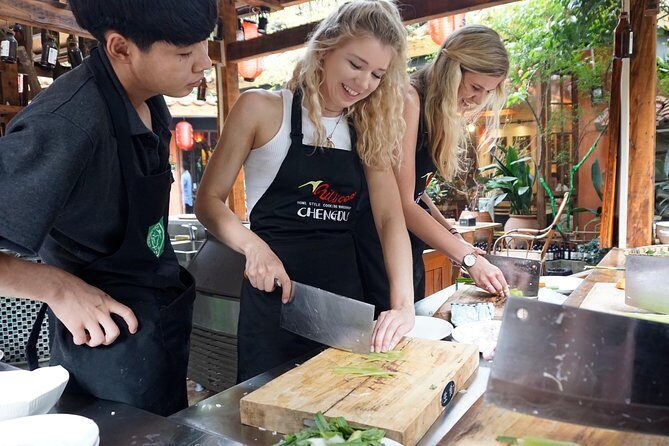
- Liangjiaxiang market, Jinniu District: You’re not just sightseeing; you’re learning how people shop for Sichuan flavors.
- English-speaking guidance (Lance, Jerry, and others): The guides translate the why behind the ingredients, not just the what.
- Chef-led cooking with hands-on steps: You’ll chop, heat the wok, and cook your own dishes rather than sample only.
- A tea stop before the meal: There’s a traditional tea moment that breaks up the busy pace.
- Vegetarian option available: Tell them in advance if you want it adapted.
How the Liangjiaxiang market sets up your Sichuan cooking
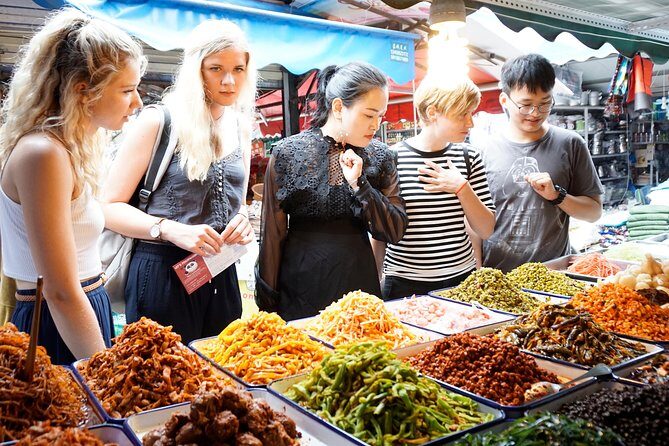
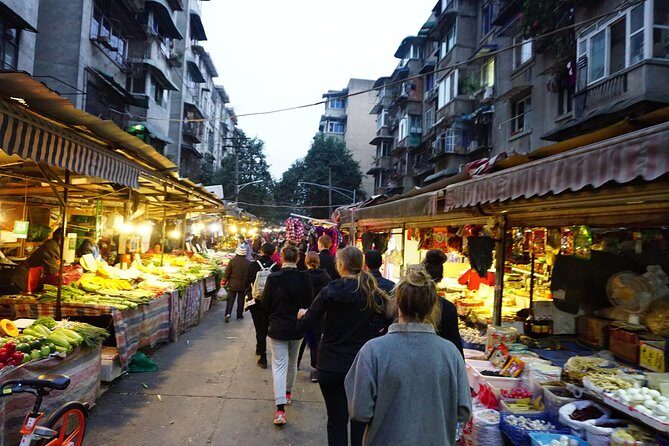
The tour starts with a local market visit focused on Sichuan-style ingredients and spices. The exact route depends on what’s available and how the class flows, but the goal is consistent: you get a guided look at how Chinese cooks build flavor before the stove ever heats up.
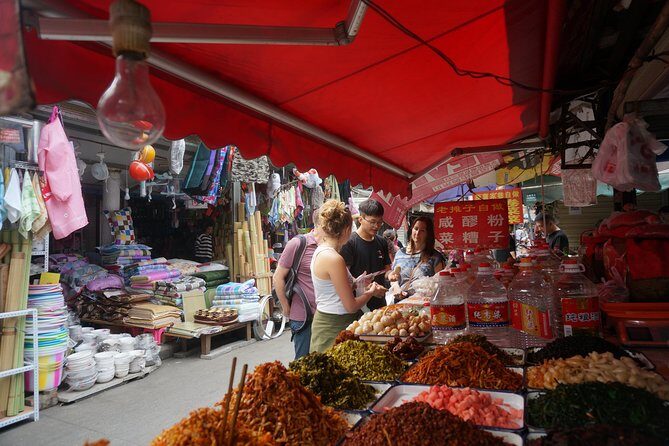
What I like here is that the market isn’t treated like a photo stop. You learn what ingredients do in real dishes—especially those central Sichuan notes like chili heat, peppery tang, aromatics, and common cooking staples. Some classes include interactive challenges around ingredients, which makes it easier to remember what you’re buying. And if you’ve ever eaten mapo tofu or kung pao chicken and wondered why it tastes the way it does, this is where that question gets answered.
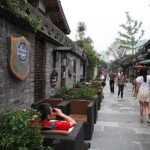
The market also gives you a sense of Chengdu’s everyday food culture. You’ll see the choices locals make and the way stalls organize ingredients. If you have no clue what half the vegetables are (totally normal), the guide’s job is to help you map those items to what you’ll cook later.
Practical note: wear comfortable walking shoes. This isn’t a sit-in-class scenario. You’ll cover enough ground that tired feet will start messing with your concentration.
You can also read our reviews of more shopping tours in Chengdu
Tea break and local pace: from shopping to Chilli Cool’s kitchen
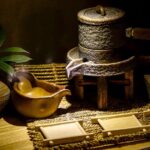
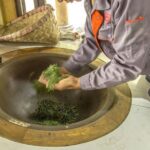
After the market, the program transitions toward a traditional workshop moment with tea. It’s a small part of the overall experience, but it matters. It gives you a breather after walking and tasting in the market area, and it helps you slow down long enough to absorb what you just learned.
Then you move to the cooking space—Chilli Cool’s kitchen, listed as the main stop. From the reviews, the kitchen setup is clean and easy to work in, which is a big deal when you’re actively cooking with sauces and hot oil. You’re not cooking in a dusty corner of someone’s home. It’s organized for teaching, and that makes the instruction clearer.
You’ll also be offered light refreshments along the way, and the cooking flow is structured so you don’t feel lost. If you’ve never cooked with Chinese techniques before, this helps a lot. You start with basics like chopping and wok preparation, then you move into the fast, practical style of Sichuan cooking.
Chef-led wok skills: what you actually learn at the stove
The heart of the experience is the cooking class, led by a chef (names you may meet include Jerry, Chef Lei, and Auntie Lee, depending on the schedule). The teaching is step-by-step and focused on classic Sichuan dishes, with you cooking rather than just observing.
You can expect a few core skills to come up across the dishes:
- Wok control and timing: Sichuan dishes often move quickly once ingredients hit hot oil.
- How sauces and seasonings build flavor: Chili, Sichuan pepper, aromatics, and savory bases each play a role.
- Texture and consistency: A dish can taste right but still feel wrong if it’s cooked too long or not long enough.
From the dish examples that appear in the experience, you might make classics like mapo tofu, kung pao chicken, dumplings (including chaoshou-style), wontons, and stir-fried vegetables. Some sessions include options like twice cooked pork or cucumber salad alongside the main dishes. Others may focus on dumplings or baozi (steamed buns), depending on the class you book.
Here’s the best part for home cooks: you don’t just get a list of ingredients. You get recipes at the end, plus the technique behind them. That’s what lets you recreate flavors later, even if you don’t have the exact same brand of chili oil at home.
Eating what you made: beverages, tastings, and a real finish
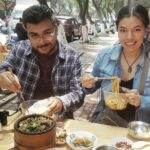
One of the easiest ways to judge a cooking class is how it handles the end. This one wraps up with you eating the food you prepared. Drinks are included, and beer is also part of the included beverages.
That last meal isn’t just a victory lap. It’s when you get feedback from your own senses. You can compare what you meant to do with what happened on the plate. If your dish is too spicy, too salty, or missing aroma, you’ll usually understand why, because the guide and chef explained the role of the ingredients during cooking.
There are also tastings built into the day. So even if you’re not a super confident cook yet, you’ll still be enjoying Chengdu flavors throughout the experience, not only at the end.
Also, the class duration is about 4 hours, so you’re getting a full food experience without burning your entire afternoon.
Price and value: what $90 buys in Chengdu food education
At $90 per person, this isn’t a bargain-basement activity. But it also isn’t overpriced for what you get.
Here’s what’s bundled in the price based on the experience details:
- English-speaking guide
- Market tour
- Food ingredients
- Food tasting
- Light refreshments
- Lunch or dinner, depending on your class schedule
- Beverages/beer
- Recipes
And you’re capped at a small group size (maximum 15). In practice, that matters because you can ask questions, get corrections, and stay engaged at the wok station.
To me, the value lands on two things: you’re paying for (1) the market education and (2) a real cooking session with a chef, plus the meal to eat afterward. If you’ve done cooking classes where you chop one ingredient and then leave, this will feel more complete because you’re actually cooking multiple dishes.
A few more Chengdu tours and experiences worth a look
Who should book this Sichuan cooking class (and who might not)
I think this tour is a strong match if you:
- Want to understand Sichuan cuisine beyond ordering dishes
- Like hands-on cooking more than watching
- Appreciate market time and ingredient education
- Travel with dietary needs (vegetarian option is available if you tell them at booking)
It may be less ideal if you:
- Hate walking or standing for stretches of time
- Want a slow, long-course cooking day instead of a structured 4-hour experience
- Prefer cooking without any market shopping or ingredient sourcing
If you’re visiting Chengdu for a short stay, this is also a good use of time. You’ll get a local food flavor lesson and a meal that feels connected to what you learned.
Logistics that help the day go smoothly
The meeting point is listed at: 163-11 Yi Huan Lu Bei San Duan, Jin Niu Qu, Chengdu Shi, Si Chuan Sheng, China, 610051. It’s also described as near public transportation, and multiple reviews mention the guide meeting people near the subway—so you’ll likely find it easy to reach.
Bring comfortable walking shoes. Dress appropriately since the tour operates in all weather conditions. That matters in Chengdu: you’ll walk the market, then move to the kitchen, so rain or heat changes how you feel.
You’ll also need to provide passport information (name, number, expiry, and country) at booking for all participants. If you’re traveling with kids or a multi-person group, get that sorted early so day-of doesn’t become a scramble.
Finally, the minimum age is 5. If you’re traveling with younger kids, this is likely not the right fit.
Should you book Chilli Cool’s market-and-cooking class?
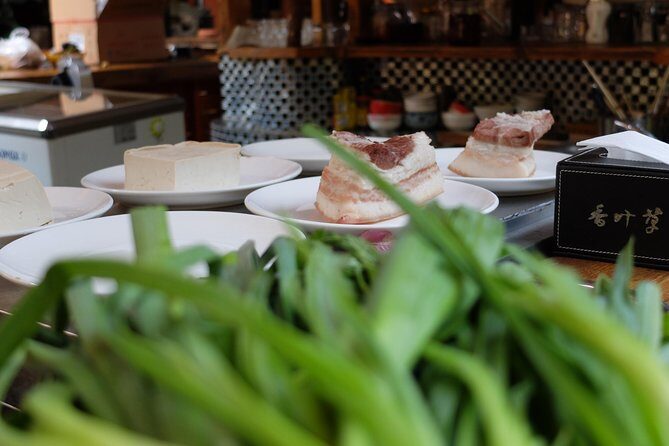
I’d book it if you want a practical Chengdu food experience that connects flavor to ingredients. The market visit gives you context, the chef-led kitchen time gives you technique, and the included meal plus recipes give you something to take home—literal recipes and an understanding of how Sichuan dishes get built.
Skip it only if you’re not into market shopping or you need a slower, more relaxed day. This tour is designed as a focused half-day: walk, learn, cook, eat, go.
If you’re the kind of traveler who wants Chengdu to taste like Chengdu, not like a restaurant tour, this is one of the best ways to spend your afternoon.
FAQ
How long does the Chengdu cooking class last?
The experience lasts about 4 hours.
Where is the meeting point?
The tour meets at 163-11 Yi Huan Lu Bei San Duan, Jin Niu Qu, Cheng Du Shi, Si Chuan Sheng, China, 610051.
Is there a vegetarian option?
Yes. A vegetarian option is available, but you need to advise the operator at the time of booking.
What’s included in the price?
You get an English-speaking guide, the market tour, food ingredients, food tasting, beverages/beer, light refreshments, lunch or dinner based on your schedule, and recipes.
What kinds of dishes will I cook?
The class teaches you to make multiple Sichuan dishes. Based on the experience details and examples from the program, you may cook classics such as mapo tofu and kung pao chicken, along with other Sichuan favorites like stir-fried dishes and dumplings, depending on your class.
Do I need to pay attention to dietary restrictions?
Yes. The operator asks you to advise any specific dietary requirements at booking, and they offer a vegetarian option if requested.
What should I wear?
Wear comfortable walking shoes. The tour operates in all weather conditions, so dress appropriately for walking.
What is the maximum group size?
The class has a maximum of 15 travelers.
What is the cancellation policy?
You can cancel for a full refund if you cancel at least 24 hours in advance of the experience start time. Less than 24 hours before start time is not refunded.