REVIEW · CHENGDU
Private Dujiangyan Panda Base Panda Rescue Center Volunteer for a Day
Book on Viator →Operated by Samtour of Chengdu OTC Travel · Bookable on Viator
Giant pandas meet real work. This private Dujiangyan Panda Base Panda Rescue Center day turns a classic Chengdu animal visit into hands-on conservation support, with included transport, a guide, and time to learn how pandas are cared for.
What I like most is the chance to do actual tasks, not just watch from behind glass. You’ll help prepare food, assist with feedings, and do enclosure clean-up, which makes the whole day feel more meaningful and less like a check-the-box attraction.
One thing to think about first: the experience is built around panda health and strict center rules. That means closeness and photography can be limited during certain moments, and the day can include some waiting while groups rotate through activities.
In This Review
- Key Things You’ll Notice at Dujiangyan Panda Base
- Why This Volunteer Day Feels More Real Than a Standard Panda Visit
- Getting There From Chengdu: The 7am Start That Actually Matters
- First Stop on Arrival: Orientation, Gear, and Center Rules
- Panda Care Work You’ll Actually Do: Cleaning, Food Prep, and Feeding
- Enclosure clean-up (yes, it’s physical)
- Food prep and feeding assistance
- Observation and recording (for the detail lovers)
- Watching Pandas Between Chores: Ground Walks and Red Panda Time
- Lunch at the Center: Buffet Food That Keeps You Going
- The Certificate and the Donation Feel Good Factor
- Close-Up Expectations: What You Should and Shouldn’t Bank On
- The Big Question: Is It Worth Paying $307 Per Person?
- Family-Friendly, But With a Reality Check
- The Guide Factor: When a Great Translator Makes the Day
- Photo With a Panda: What’s Still Available
- If You Have One Day in Chengdu: Pairing It Smartly
- Should You Book This Panda Volunteer Day?
- FAQ
- How long is the Dujiangyan panda volunteer day?
- What time does the experience start?
- Where does the tour take place?
- Is round-trip transportation included?
- What will I do during the volunteering?
- Is lunch included?
- Is the tour private?
- What does the price include?
- Is there a panda holding photo option?
- What is the cancellation policy?
Key Things You’ll Notice at Dujiangyan Panda Base

- Private, guided volunteering at a nonprofit research setting, not a crowded public zoo day
- Two panda feeding sessions plus hands-on enclosure work that’s messy in the best way
- Ethical distance rules, which can affect photos and how close you get during feedings
- Red pandas and a landscaped grounds walk for downtime between chores
- A guide that can make it click (names that show up in feedback include Worley, Jenny, and Neil)
- Lunch included via a buffet-style meal for your recovery break
Why This Volunteer Day Feels More Real Than a Standard Panda Visit
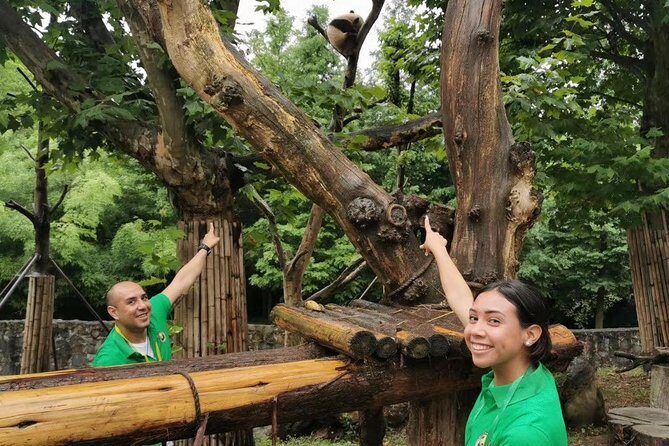
A typical panda stop in Chengdu can be packed, rushed, and mostly observational. This day is different because it’s designed around the center’s daily care routine, so you’re part of the work rhythm—at a pace controlled by staff, not by a tour timetable.
I also like the “behind-the-scenes” learning angle. You’re not just seeing pandas; you’re hearing how their diet and behavior guide day-to-day decisions, and you’ll do tasks that support that system. Add in the setting near Dujiangyan—set at the foot of a sacred mountain—and it’s a far calmer feel than most big city attractions.
The other big value for me: you get a guide who sticks with you and translates the why behind each task. In feedback, guides like Worley, Jenny, and Neil show up often, and what people praise is clarity and attention, not a lecture that puts you to sleep.
You can also read our reviews of more private tours in Chengdu


Getting There From Chengdu: The 7am Start That Actually Matters
The day begins early. Pickup happens at your Chengdu hotel area with a start time around 7:00am, and you’ll drive about 1.5 hours to the Dujiangyan panda center.
That timing matters more than you might think. Arriving earlier can help you avoid the worst crowds and gives you more room for the volunteering flow once you’re on-site. Also, because this is private transport in a comfortable air-conditioned vehicle, you’re not juggling taxis or trying to figure out local rides while half-awake.
On the mountain side, you’ll use an internal shuttle to reach the main conservation area. That helps you spend energy on the volunteer portion instead of walking long distances in heat.
First Stop on Arrival: Orientation, Gear, and Center Rules
Once you arrive, you’ll meet your guide and go through an on-site orientation. You can expect a clear run-through of conservation work and what the center needs volunteers to do that day.
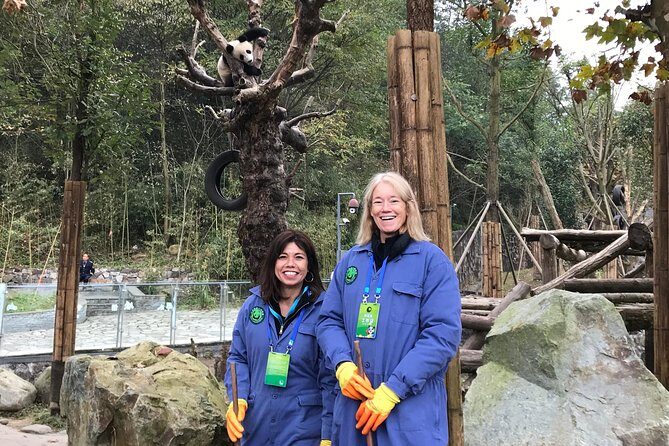
Then comes the practical part: gear and rules. Volunteers typically get outfitted (including items like gloves and overalls in feedback), and you’ll also sign waivers and review the day’s rules. This is where the ethical nature of the program shows up in real life—staff are trying to keep interactions safe for both pandas and people.
Here’s the trade-off to plan for: even if you’re there for close contact, the center may limit distance and cameras during certain procedures. Some feedback says photos weren’t allowed during feeding moments, and that the closest view can be brief. On the other hand, other visits report very close “face-to-face” moments, so your experience may vary by the center’s protocols that day.
Panda Care Work You’ll Actually Do: Cleaning, Food Prep, and Feeding
This is the heart of the day. Your volunteer time usually includes multiple hands-on sessions, built around the care team’s routine.
Enclosure clean-up (yes, it’s physical)
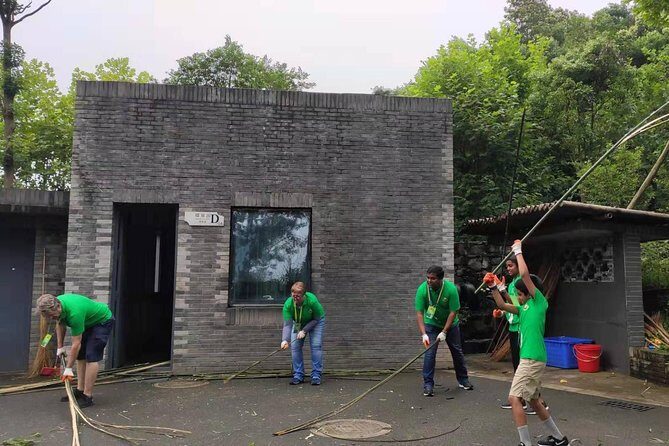
You’ll help clean indoor and outdoor enclosures, including removing old bamboo and handling waste. It can be messy, but that’s also what makes it feel honest. One common theme in feedback: you’re not just standing around—you’re working while you watch a panda do panda things right nearby.




Food prep and feeding assistance
You’ll prepare nutritious food and then assist with feeding sessions. The best part for many people is that feedings are described as calm and not frantic. You’ll also learn how panda diet and behavior connect, so the feeding isn’t just a “cool moment,” it’s part of daily husbandry.
Most importantly, you’ll see how staff manage the timing and process to keep pandas comfortable. When the center’s rules are stricter, you may get less time for photos or less ability to hover. Still, it’s a powerful way to understand why conservation centers exist beyond entertainment.
Observation and recording (for the detail lovers)
You might be asked to record observations such as panda behavior and weight. This is one of those quietly impressive details: it’s the link between daily care and long-term research.
Watching Pandas Between Chores: Ground Walks and Red Panda Time
Once you’ve completed your volunteer tasks for a stretch, you’ll get time to explore. You can walk the landscaped grounds at your own pace, and you’ll have a chance to observe pandas in their enclosures.
This is also where you’ll often see red pandas—mentioned in the tour description as part of the experience area. It’s a nice break from the “giant panda only” focus, especially if you’re traveling with kids who might get restless during longer staff-led portions.
A practical note: pandas don’t follow our schedule. If the timing is right, you may catch more active behavior. If it’s warm or a panda is resting, you’ll still learn a lot by noticing how staff interact and how feeding routines shift when animals are less active.
Lunch at the Center: Buffet Food That Keeps You Going
Lunch is included, and it’s a buffet-style meal. Feedback calls it local and flavorful, with plenty of people describing it as a welcome reset after enclosure work.
Still, it’s worth being honest: you’re eating center food, not hunting for a personalized menu. If you’re picky or don’t like Chinese-style lunch options, plan ahead with snacks for yourself. One reviewer noted there isn’t much available inside the research center beyond what’s provided, so having a small backup can help.
The Certificate and the Donation Feel Good Factor
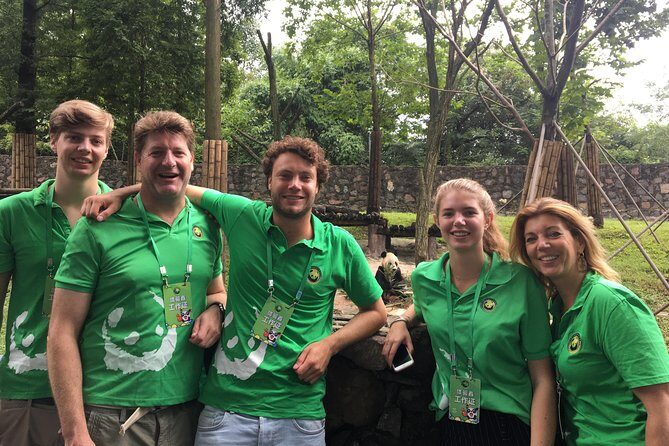
At the end of the day, you’ll receive a commemorative certificate and souvenir from the panda center. It’s not just a keepsake—your volunteer and donation fees are part of what supports the work happening at the nonprofit research base.
Many people in feedback describe the emotional satisfaction as coming from the combination: actual labor plus a clear sense that the day contributes to panda care and conservation. It’s the kind of souvenir that feels earned, not purchased.
Close-Up Expectations: What You Should and Shouldn’t Bank On
If you’re coming for a selfie-style, unlimited-close-up moment, calibrate your expectations. Several parts of the day are controlled by center protocols, and feeding times can be the most strict for safety.
What I’d tell you straight: you’ll likely get close enough to feel like you’re part of the process, but you should expect some limitations. That includes:
- short time windows for feedings
- camera restrictions during certain procedures
- more waiting around than you might expect if you’re used to fast-moving attractions
The upside is that your time doesn’t feel like a “cheesy tourist loop.” Even when there’s waiting, it’s usually waiting connected to the work schedule and staff rotation.
The Big Question: Is It Worth Paying $307 Per Person?
This tour costs $307 per person for a 7–8 hour private day. That’s not cheap, especially compared with a general admission panda visit.
Here’s how I think about the value:
- You’re paying for private logistics (hotel pickup/drop-off and a dedicated air-conditioned vehicle), which is often the hidden cost of “doing it yourself.”
- You’re paying for the volunteer component—the tasks, gear, guide support, and the admission and donation fees packaged together.
- You’re paying for time quality. Feedback describes days that include plenty of direct involvement, not just quick photo stops.
What can hurt value is “waiting around” and the possibility of limited photo access. If you’re the type who hates downtime and needs constant action, the price may feel harder to justify. If you want a memorable, ethical conservation day where you can say you helped, it tends to land better.
Also, note the booking demand. This experience is typically booked about 87 days in advance on average, which suggests it sells out or tightens quickly during popular seasons. If your dates are fixed, don’t wait.
Family-Friendly, But With a Reality Check
Most travelers can participate, and the experience is described as family friendly in feedback. That said, volunteering means physical tasks like cleaning and handling bamboo and waste, plus time outside depending on the day.
So if you’re traveling with kids, choose the mindset: this is a learning and work day first, not a play day. Many families love it because feeding moments and hands-on care feel magical—but everyone should be ready for real chores.
The Guide Factor: When a Great Translator Makes the Day
A guide can make the difference between watching pandas and understanding pandas. Feedback repeatedly highlights English-speaking guides who stay close, explain what’s happening, and help with photos.
Names that show up in reviews include Worley, Jenny, and Neil, and the common praise is that they stayed attentive all day and helped translate the center’s approach. If you care about context—diet, behavior, research goals—this tour becomes much more rewarding.
Photo With a Panda: What’s Still Available
Some feedback mentions an optional photo experience or additional on-site photo opportunities. But there’s an important update included with your booking information: the opportunity to hold a panda is no longer available to protect panda health and well-being.
So if you’re comparing old stories or searching for “panda holding,” assume policies have changed. Plan for photography rules that follow the center’s current safety approach, and be ready to treat close-up moments as controlled opportunities, not guaranteed photo rights.
If You Have One Day in Chengdu: Pairing It Smartly
If you’re also planning standard Chengdu attractions, this is the kind of day you should protect. It starts early, involves physical volunteer time, and ends with return transfer and recovery time.
I’d avoid scheduling it right after a late-night meal or a long domestic travel day. You’ll be happier with the energy to participate fully—especially during enclosure clean-up and feeding sessions.
Should You Book This Panda Volunteer Day?
Book it if you want a more ethical, hands-on panda experience than the usual zoo-style visit. You’ll likely get a day that feels like work with purpose, with included transport, a guide, lunch, and conservation-focused tasks.
Skip it or think twice if your top priority is unlimited close-up viewing, constant action, or guaranteed photo freedom. The center’s health and safety rules can limit both, and the day can include waiting time that feels slow if you need nonstop entertainment.
If you’re willing to trade convenience and strict control for meaningful conservation involvement, this is one of the best ways to experience giant pandas in the Chengdu region without treating them like a roadside attraction.
FAQ
How long is the Dujiangyan panda volunteer day?
It runs about 7 to 8 hours, based on the tour details provided.
What time does the experience start?
Pickup starts around 7:00am.
Where does the tour take place?
The experience is based in Chengdu, China, with travel to the Dujiangyan Panda Center/ Panda Rescue Center area.
Is round-trip transportation included?
Yes. Hotel pickup and drop-off are included, with a private air-conditioned vehicle.
What will I do during the volunteering?
You’ll work with keepers on activities like enclosure cleaning, preparing nutritious food, assisting with feeding, and you may do observations such as behavior and weight.
Is lunch included?
Yes. A buffet lunch is included in the cost.
Is the tour private?
Yes. It’s described as a private tour/activity, meaning only your group participates.
What does the price include?
Included items are hotel pickup/drop-off, volunteer and donation fees, a professional English-speaking guide, entry/admission, buffet lunch, a commemorative certificate/souvenir, and private comfortable vehicle transport.
Is there a panda holding photo option?
The information provided notes that the opportunity to hold a panda is no longer available to ensure panda health and well-being.
What is the cancellation policy?
You can cancel for a full refund up to 24 hours before the experience’s start time. If you cancel less than 24 hours before, you don’t receive a refund.