REVIEW · CHENGDU
Visiting Dujiangyan Yaan Wolong Panda Base Optional Volunteering
Book on Viator →Operated by MyPandaTours · Bookable on Viator
Pandas, but make it volunteer work. I love how hands-on this feels, with you helping prepare food and bamboo under staff guidance in a controlled, real-world setting. I also like the small-group setup (max 15), which keeps the day from turning into a rushed zoo circuit. One thing to plan for: it starts early, and you cannot touch or hold the pandas.
This is a real conservation-style day, not just a photo stop. After hotel pickup in Chengdu, you’ll be guided through base rules, learn how panda rescue and prevention work, and then take on keeper-style tasks in a volunteer uniform. English-speaking guides I’ve seen leading this include Kira, Keira, Bella, Andy, Alvin, and Alex Xia, so communication is usually smooth.
In This Review
- Key things to know before you go
- How This Panda Volunteer Day Works From Chengdu
- Picking Your Base: Dujiangyan vs Ya’an Bifengxia vs Wolong
- Morning Schedule: Museum Time, Bamboo Prep, and First Panda Viewing
- Your Keeper-Style Tasks: Food, Bamboo, Snacks, and Feeding Without Contact
- Lunch Break and Learning Time With Staff
- Photos, Rules, and What to Wear (So You Don’t Get Sent Back)
- Price and Value at $234: What You’re Really Paying For
- Who This Trip Fits Best—and Who Might Skip It
- Should You Book This Panda Volunteering Day?
- FAQ
- Which panda base will I visit?
- What time does pickup start in Chengdu?
- How long is the experience?
- What volunteer tasks will I do?
- Can I touch or hold the pandas?
- What’s included in the price?
- What should I bring or wear?
- Is there a cancellation option?
Key things to know before you go

- Choose between Dujiangyan, Ya’an Bifengxia, and Wolong depending on the day and season
- Small group (1–15) keeps the focus on your tasks and questions
- No panda touching/holding for safety and conservation
- You do real prep work like bamboo prep and making panda snacks
- Lunch is included with a Sichuan-style buffet and bottled water
How This Panda Volunteer Day Works From Chengdu
This day trip is built around one idea: you spend time like a volunteer, not like a passive visitor. You’ll start with pickup from your Chengdu hotel around 7:20 am, then ride out to the panda base. The transport matters here because it removes the hardest part of this kind of outing: getting to the right facility early enough and in time for the day’s scheduled tasks.
Once you arrive, you change into a volunteer outfit and get an orientation from base staff. Expect the basics of what the center does, including panda research, disease prevention, and rescue of wild pandas. Then your day shifts into approved daily work—tasks staff set for volunteers and for the pandas’ routines.
Group size is capped at 15, and that makes a difference. You get more time with staff, more chance to ask questions during breaks, and less waiting around. It also helps you stay grounded in what you’re doing. Instead of just walking by exhibits, you’re actively supporting care work—within strict safety rules.
You’ll also want to keep expectations realistic. You’re not running the facility. You’re helping with specific tasks (like food prep and bamboo work) so staff can keep things safe and efficient for the pandas. If you like structured, behind-the-scenes experiences, this works very well.
You can also read our reviews of more tours and experiences in Chengdu.



Picking Your Base: Dujiangyan vs Ya’an Bifengxia vs Wolong
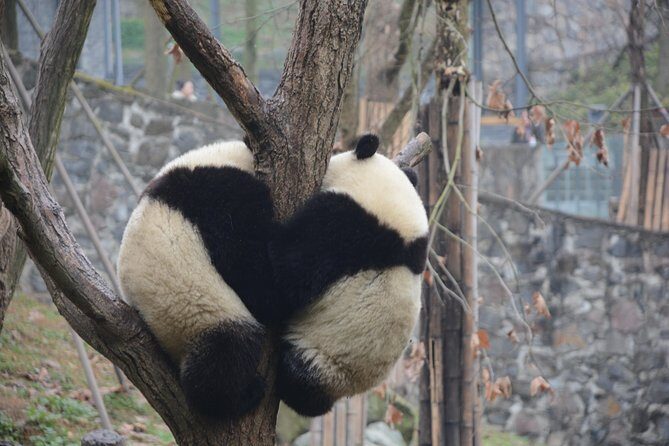
The operator doesn’t lock you into one facility in advance. The base you visit can be Dujiangyan Panda Base, Ya’an Bifengxia Panda Base, or Wolong Panda Base, and the specific choice depends on the day and number of people.
If you’re going during holidays, the base selection may follow seasonal rules, with activity conducted at Wolong or Ya’an Bifengxia. The tour description also notes that you don’t just pick a base blindly—it’s selected with a smaller crowd on the day, aiming to keep the experience more intimate.
Here’s the practical way to think about it: any of these options get you into the panda rehabilitation world, but the experience can feel different depending on the center’s layout and daily schedule. If you’re the type who wants one perfect, predictable location, this isn’t marketed that way. If you’re flexible and you mostly care about the keeper-style work and learning, it’s a strong plan.
Also, keep in mind you need a current valid passport on the travel day. That’s one of those easy-to-forget details that can ruin a morning if it’s still at home.
Morning Schedule: Museum Time, Bamboo Prep, and First Panda Viewing
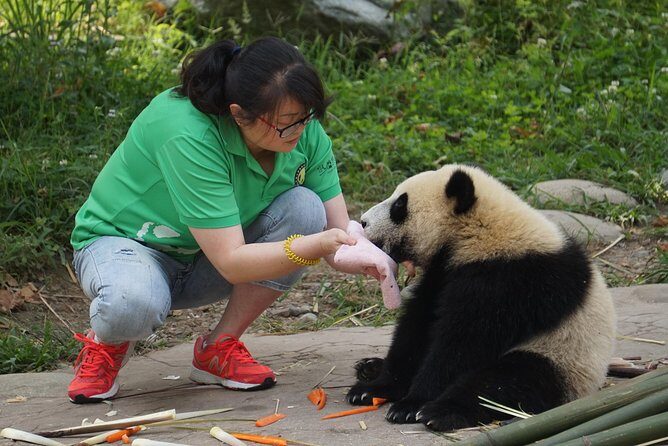
Your day has a clear rhythm, and the timing is part of the value. After the 7:20 am pickup, the drive is roughly 1.5 hours. That gets you to the base before the main crowd rushes you might see at larger, more commercial stops.
A typical morning then looks like this:
- You change into your volunteer uniform.
- You start with orientation plus a museum or base visit component.
- You move into bamboo-related tasks, including preparing bamboo for panda care and watching staff feed the pandas as part of the workflow.
- You then get panda viewing time.
One highlight is the combination of education and doing. You’re not just told facts; you’re also helping with the physical prep side of panda care. The bamboo prep portion matters because bamboo is central to panda diets, and it’s the kind of task where you can feel the daily routine of the facility.
There’s also a small but important detail: holding or touching pandas is not permitted. That rule shapes how you experience the animals. Instead of reaching out for a selfie close-up, you focus on watching pandas safely from the designated areas while staff manage feeding and care.
Your Keeper-Style Tasks: Food, Bamboo, Snacks, and Feeding Without Contact
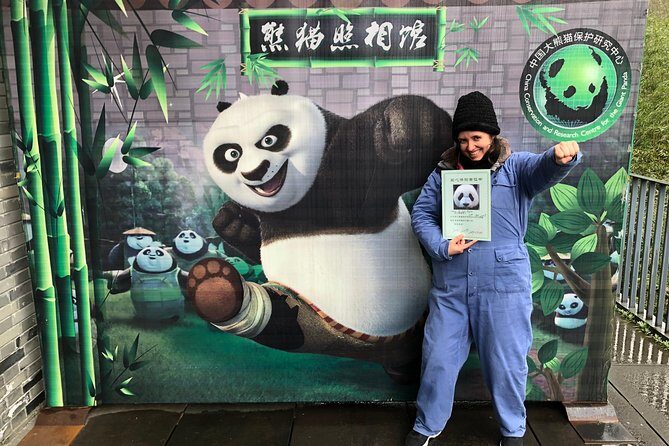
This is the heart of the experience. You’ll assist with approved daily care tasks, and those tasks are designed to be hands-on while keeping both you and the pandas safe.
The tour commonly includes things like:
- Preparing bamboo (including the bamboo work you may hear described as smashing bamboo)
- Watching the keeper feeding process
- Preparing panda snacks later in the day
- Making food items as part of volunteer tasks
In addition, the day often includes volunteer activities such as cleaning/sweeping enclosures and creating panda food items like panda bread, based on what’s described in past participant experiences. The exact mix can vary by day, but the theme stays the same: you’re doing supporting work you can understand, not vague “stand near a barrier” volunteering.
A key constraint runs through everything: you cannot hold or touch pandas. For many people, that’s a make-or-break rule. If your main goal is hands-on contact, this won’t deliver that. If your goal is to see how care works and help with daily routines, it’s a strong match.
Practical tip: bring your patience for instructions. Panda work has rules for contamination control. You’ll likely be asked to follow strict personal standards, including avoiding perfumes or cologne, skipping nail polish, and wearing appropriate shoes. It’s all about minimizing risk to the animals and keeping the base operating smoothly.
If you care about animal welfare and want to do something meaningful without pretending you’re the keeper, you’ll probably love this portion.
Lunch Break and Learning Time With Staff
Midday is your recovery moment, but it’s also still part of the learning arc. You’ll have a local Sichuan-style buffet lunch and then continue with more panda-related content.
Lunch is included, along with bottled water. I like that the meal is built into the program. You don’t need to hunt for food in a rural area with a schedule breathing down your neck.
The day also includes a documentary viewing segment. That matters because it ties your morning tasks to the bigger conservation picture: what happens beyond the feeding and prep work, and why disease prevention and rescue systems are so tightly managed.
Sichuan food is usually bold and spicy, even when it’s not trying to be. If you’re sensitive to heat, you might want to go lighter on chilies and ask for less spicy options when you can.
This is the point where the tour feels most balanced. You get hands-on work, then you step back into learning mode, then you return to panda time with more context. That combo makes the day stick in your memory more than a standard museum visit would.



Photos, Rules, and What to Wear (So You Don’t Get Sent Back)
This is one of those experiences where your clothing choices can affect how comfortable you are. The tour instructions are pretty clear:
- Wear shoes (no slippers or Crocs)
- Sunscreen and sunglasses are useful
- No perfume or cologne
- No nail polish
- Be healthy and don’t get cold
That might sound strict, but it’s also practical. Panda facilities deal with contamination risk. Also, you’ll be on your feet outdoors for parts of the day, so non-slip, covered shoes are the smart move.
For photos, plan for observation rather than contact. Because you can’t touch or hold pandas, you’ll likely photograph through viewing areas. The upside is you can focus on animal behavior and staff routines without trying to force a closer interaction that won’t be allowed.
A small note from the experience design: you’ll change out of your volunteer outfit later, and you’ll have a structured return back to Chengdu by about 5:00 pm. That means you’re not doing a half-day sprint. It’s a full morning-to-afternoon arc that stays organized.
If you want great photos, arrive ready to watch quietly. Pandas often move when they want to, not when your camera says so.
Price and Value at $234: What You’re Really Paying For

At $234 per person, it’s not a budget outing. But this price is tied to several real components:
- Round-trip transfers from Chengdu via pickup and transportation
- English-speaking guide support
- Admission included
- Lunch and bottled water
- A small-group volunteer experience with orientation and approved care tasks
For me, the value comes from the format. A typical panda visit gives you a ticket and a route. Here, you’re paying for time with staff-led orientation and the volunteer tasks that let you feel useful. The limited volunteer spots also matter. If the base is capped for safety and scheduling, that scarcity is part of why the experience costs what it does.
You should also consider how much you’ll enjoy rules-driven animal care. If you’re mainly there for a quick walk-through and don’t care about volunteering-style learning, you’ll likely feel the price more sharply. If you like structured, behind-the-scenes days where you learn and participate, the $234 starts to make sense.
So think of it like this: you’re buying a day of guided conservation support, not just admission.
Who This Trip Fits Best—and Who Might Skip It
This is a great fit if you:
- Want a more meaningful panda visit than standard viewing
- Enjoy structured learning plus hands-on work
- Like small groups and guided context
- Are comfortable with “no contact” rules
It’s also worth knowing the participation requirements: ages 8 to 70, and you need to be healthy with no infectious diseases. That covers most people, but it’s not “anyone can join” in the loose sense.
You might choose to skip if:
- You want physical interaction with pandas (this tour explicitly doesn’t allow touching/holding)
- You dislike early starts (pickup begins around 7:20 am)
- You’re not comfortable following strict personal rules like avoiding perfume/cologne and nail polish
If you’re traveling as a family or as a couple, the small-group size can keep the day calmer than many big day trips. Solo travelers also tend to do fine, because the group structure helps you feel less lost in a foreign-language setting.
Should You Book This Panda Volunteering Day?
Book it if you want a panda day that feels like work that matters, not just sightseeing. I’d especially recommend it if you like the idea of being guided through panda care tasks—bamboo prep, snack making, and supervised feeding moments—while learning how rescue and disease prevention fit into the larger conservation effort.
Skip it if your top priority is getting your hands on the animals or you’re hoping for a casual, flexible schedule. The rules are part of the point, and the day is designed to stay controlled for both safety and conservation.
If you can handle the early morning, follow the personal hygiene rules, and go in curious instead of demanding, this is one of those rare experiences that leaves you feeling you did something real.
FAQ
Which panda base will I visit?
The base is selected for the day among Dujiangyan, Ya’an, or Wolong. During holidays, the activity may be conducted at Wolong Panda Base or Ya’an Bifengxia Panda Base.
What time does pickup start in Chengdu?
Pickup starts at 7:20 am.
How long is the experience?
It’s about 9 hours (approx.).
What volunteer tasks will I do?
You assist with approved daily tasks such as preparing panda food, cutting or preparing bamboo, and activities like making panda snacks. A portion of the schedule also includes visiting areas of the base and watching panda-related content.
Can I touch or hold the pandas?
No. For safety and conservation reasons, holding or touching pandas is not permitted.
What’s included in the price?
Includes bottled water, lunch (local Sichuan style buffet), an English-speaking tour guide, and transportation. The admission ticket is also included.
What should I bring or wear?
Wear shoes (no slippers or Crocs). Bring sunscreen and sunglasses if you can. You’ll also need a current valid passport on the travel day. Avoid perfume/cologne and nail polish.
Is there a cancellation option?
Yes, there is free cancellation. You must cancel at least 24 hours in advance for a full refund.
If you want, tell me your travel dates and whether you’re aiming for Dujiangyan, Ya’an, or Wolong specifically, and I’ll help you decide which base choice makes the most sense for your style of trip.