REVIEW · CHENGDU
Tea Village in lost Town and Buddha 1 day tour
Book on Viator →Operated by U2Panda · Bookable on Viator
Boat views beat postcards for scale. This 9-hour Chengdu tour strings together the UNESCO-listed Leshan Giant Buddha and a hands-on tea day in Sichuan, with boat time, an old town stroll, and a real tea farm lunch. If you like sights with context and not just checkmarks, this one fits nicely.
I especially liked the Leshan Giant Buddha boat trip. Seeing Da Fo from the water makes the size click fast, and it feels like you’re standing inside the story. I also really enjoyed the tea portion, where guides like Patrick (and sometimes Sheldon) connect tea farming to daily life, not just trivia.
One consideration: the day moves, so it’s not for you if you want long, slow wandering at every stop. Also, if you’re chasing the closest possible Buddha view, this tour emphasizes boat views over hiking-style viewpoints.
In This Review
- Key highlights to look forward to
- A Full Day Loop: Buddha by Boat, Then Tea Country
- Chengdu Pickup at 08:00: Why Timing Works
- UNESCO Leshan Giant Buddha: Da Fo from the River (10:10–10:50)
- Exploring Leshan’s Time-Travel Feel: Old Town and Tea Houses
- Jiajiang Tianfu Tea Plantation: Picking Tea Like a Farmer
- Tea Making, Tasting, and Lunch: How to Turn It into a Real Memory
- Price and Logistics: Is $169.24 Good Value?
- Who This Tour Fits Best (and Who Might Skip It)
- Booking Takeaways: How to Choose This One for Your Day
- FAQ
- How long is the Tea Village and Leshan Buddha day tour?
- Is hotel pickup included?
- Do we visit the UNESCO Leshan Giant Buddha?
- Is there a boat trip for the Buddha view?
- What tea activities are included?
- Can I cancel and get a full refund?
- Should You Book This Tour or Not?
Key highlights to look forward to
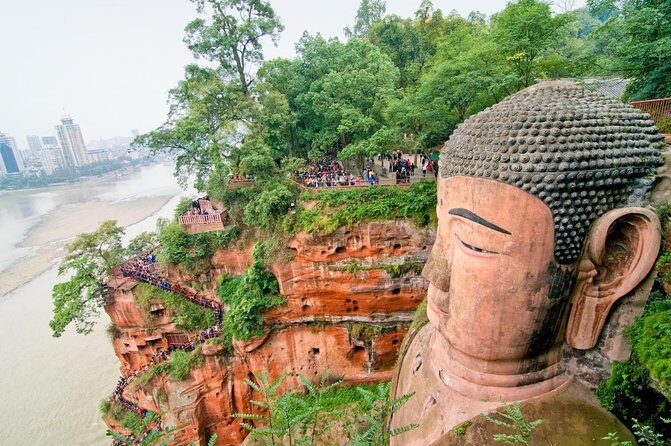
- Boat trip on the river for a clear sense of scale at Da Fo
- Ancient Leshan town with old workshops and a Qing-dynasty tea house visit
- Jiajiang Tianfu Tea Plantation with tea picking led by a farmer
- Tea making experience plus tasting across regional teas
- Small group feel with a maximum of 15 travelers and air-conditioned vehicle
- Lunch with local food after the tea fields, not just a quick meal stop
A Full Day Loop: Buddha by Boat, Then Tea Country
This is the kind of day trip that works because it has two strong threads, not one. You start with the UNESCO Leshan Giant Buddha, then you switch gears to tea—fields, harvesting, tea drying, tasting, and lunch. The shift matters. It gives your brain a break from monuments and replaces it with something more tactile: what people actually grow and drink.
The pace is “guided and efficient.” That’s good for a one-day visit from Chengdu, where you don’t have time to mix buses and worry about schedules. It’s also good because the tea part needs time, not just a quick shop stop.
Expect a small group experience (up to 15), pickup from your hotel, and an English-speaking local guide. That mix is what keeps the day from feeling like you’re trapped on a coach with a headset.
A few more Chengdu tours and experiences worth a look

Chengdu Pickup at 08:00: Why Timing Works
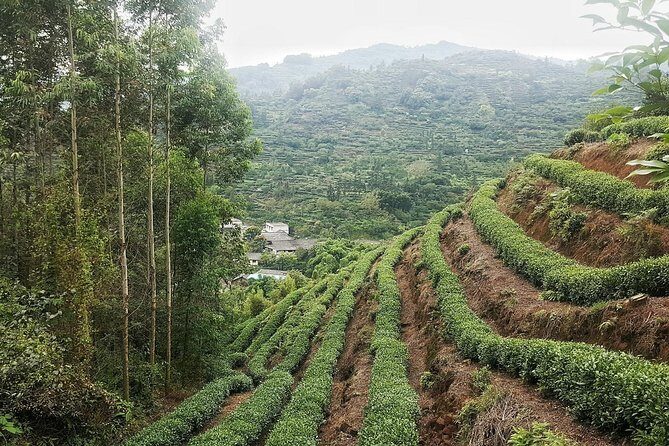
The day starts with a hotel pickup around 08:00, then you drive toward Leshan. The tour is built around a morning arrival window, which helps you beat the worst crowd and light conditions for photos and walking. It also sets you up for the boat timing later.
A 9-hour day is still a full day, so you’ll want to treat it like a day hike in disguise. Once you’re on the schedule, you’ll be moving between stops with limited downtime. If you get motion-sick easily, keep that in mind for the ride there and back.
The upside is that you’re not doing the hardest part alone. Your guide and driver handle the travel, and the planned stops keep you from spending your day guessing where to go next.
UNESCO Leshan Giant Buddha: Da Fo from the River (10:10–10:50)
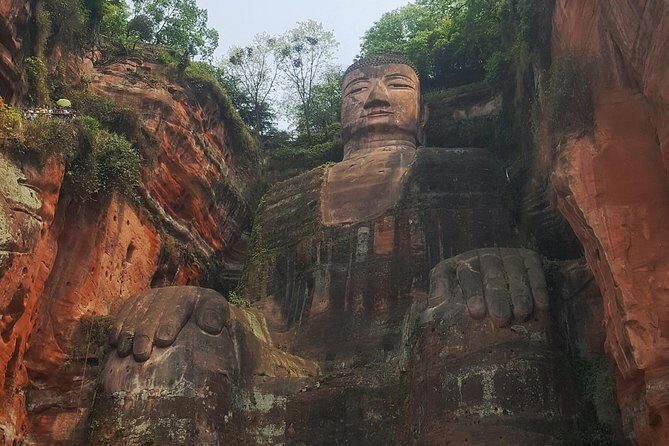
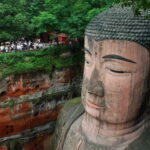
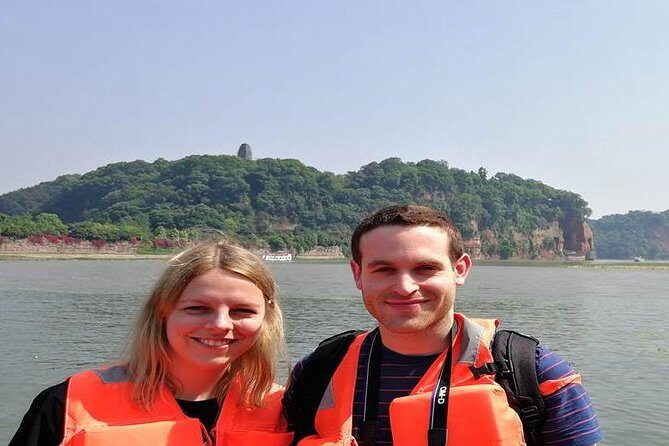
The highlight for many people is the boat trip to view the Leshan Giant Buddha. You get a dedicated window (about 40 minutes) on the water, and it’s simple in style—no complicated climbing required. From the river, the Buddha’s presence becomes easier to understand because you see it in context: the scale relative to boats, river edges, and the surrounding area.
If you’re only familiar with the Buddha from photos, the boat view changes that. You don’t just see a giant statue; you see how it sits in the landscape and how people experience it from the waterway.
There is one fair consideration. The tour doesn’t focus on the most physically demanding closest-view options (like hiking up for a nearer angle). If that’s your priority, plan for additional time elsewhere. For this day trip, the boat route is the “best effort with minimal friction” approach.
Exploring Leshan’s Time-Travel Feel: Old Town and Tea Houses
After the morning Buddha time, you head to an ancient town area near Leshan. The stop is about 2 hours, and it’s designed to feel less like a theme park and more like a place with working history.
This is where you get the small details that make a cultural visit feel real:
- old workshops and traditional craft shops
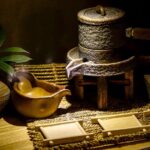
- tea houses where you can sip as you wander
- an old courtyard house family visit, where you get a chance to see how local life carries on
One standout item in the experience list is the visit to a local old tea house from the Qing Dynasty (600+ years old). That’s not the kind of stop you get on a rushed city bus tour. It also gives you a bridge to the tea plantation day later—suddenly the tea isn’t just a drink, it’s a system.
A practical note: an ancient town walk can be uneven, and weather can change quickly. If you get cold easily, you might want a light layer because you’ll move between indoor tea spaces and outdoor streets.
Jiajiang Tianfu Tea Plantation: Picking Tea Like a Farmer
Then you shift to the tea mountain. This stop centers on Jiajiang Tianfu Tea Plantation, described as the largest tea market in southwest China. That matters because it tells you the scale of what you’re seeing. You’re not learning from a tiny hobby plot; you’re joining a region where tea production and sale shape local livelihoods.
You’re taken up to the tea mountain and guided by a tea farmer. The experience includes:
- visiting a tea garden
- learning how to pick tea
- going through the farmer’s approach to harvesting
The tea picking portion is the most physical part of the whole day. You’ll be standing and moving in a working tea setting, and it helps if you’re comfortable with outdoors time. The upside is that the learning sticks because you’re doing it, not just watching it.
And here’s the connection point: after seeing the old tea house earlier, you’ll understand more of what you’re being taught. The tour uses the day like a lesson plan—Buddha first for wow, then tea for meaning.




Tea Making, Tasting, and Lunch: How to Turn It into a Real Memory
The tour isn’t only about harvesting. It includes a tea making experience, plus a tasting of various regional teas. This is where the day becomes more than sightseeing.
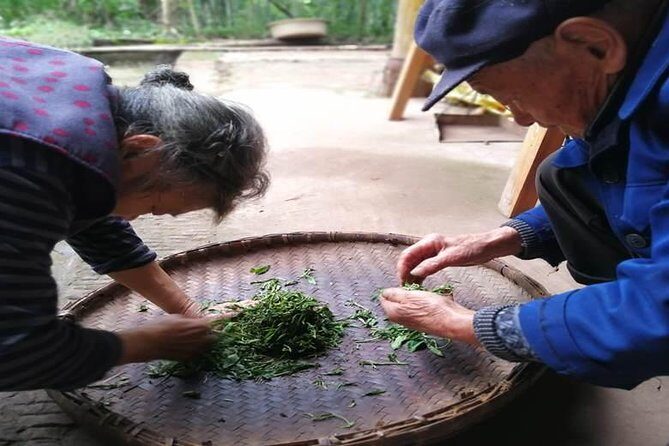
During tea making, you’re learning the steps that turn fresh leaves into something drinkable and stable. Even if you don’t remember every step afterward, you’ll likely remember the logic: why certain leaves are chosen, how drying and preparation change flavor, and how different regions produce different styles.
After that comes tasting—this part is designed to help you practice noticing differences. You’ll sample multiple regional teas, which is often more useful than one “signature” cup. It trains your palate for Sichuan-style tea variety rather than leaving you with one average impression.
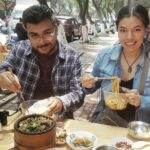
Then you sit down for lunch with local foods. A couple details in the experience description and guide responses point to the meal being more local and connected than a generic restaurant stop. In at least one case, lunch was shared in a setting with a local farmer and his wife, which is the kind of human touch that makes the tea day feel complete.
Practical tip for tasting: take small sips and compare notes in your head. The guide can explain, but your senses do the final grading.
Price and Logistics: Is $169.24 Good Value?
At $169.24 per person, the value depends on what you’d otherwise pay if you did this yourself. For a one-day trip from Chengdu, you’re buying more than transport. You’re getting:
- pickup in an air-conditioned vehicle
- an excellent English-speaking local guide
- the Giant Buddha boat trip included
- tea plantation visiting and tea picking
- a tea making experience and tea tasting
- a lunch experience with local food
Some admissions are listed as included or free (the ancient town admission ticket is free; the tea plantation admission ticket is included; the boat trip is included). That helps, because it prevents the “surprise add-ons” feeling.
Also, the maximum group size is 15, which can make a difference. With smaller groups, you get more explanation time and less rushing between photo spots.
If you enjoy hands-on learning more than museum-style stops, this price feels more fair. If you only want the Buddha with minimal time in tea farming, you might ask whether another shorter Leshan option would save you a bit. But for most visitors, the tea portion is exactly what makes the day memorable.
Who This Tour Fits Best (and Who Might Skip It)
This is a strong pick if you:
- want a small group day trip from Chengdu
- care about authentic local culture, not only big monuments
- like hands-on experiences (tea picking and tea making)
- want English explanations that connect sights to daily life
It may not be ideal if you:
- hate long ride days and want lots of free time
- dislike structured schedules with several timed transitions
- only care about the absolute closest Buddha view and would rather hike
The sweet spot is travelers who like learning through doing—standing in the tea garden, tasting the result, and then carrying that taste memory back into your understanding of Sichuan.
Booking Takeaways: How to Choose This One for Your Day
If you want one day that covers the headline sight and also gives you a local skill-level experience, I’d lean toward booking this tour. The mix is the whole point: boat Buddha views for scale, then tea for craft and culture.
To make it work for you, go in with the right expectations. This is not a slow wander day. It’s a guided circuit with well-chosen stops and clear learning moments.
Also, check your guide name when you can. Names mentioned in past experiences include Patrick, and there’s also mention of Sheldon, both connected to careful explanations and a caring local approach. That kind of guidance tends to make the tea day better, not just the photo day.
FAQ
How long is the Tea Village and Leshan Buddha day tour?
It runs for about 9 hours.
Is hotel pickup included?
Yes, pickup from your hotel is offered.
Do we visit the UNESCO Leshan Giant Buddha?
Yes. You’ll visit the Leshan Giant Buddha (Da Fo).
Is there a boat trip for the Buddha view?
Yes. A boat trip is included.
What tea activities are included?
You’ll visit a tea plantation, learn about tea picking with a tea farmer, take part in a tea making experience, and do a tea tasting of various regional teas.
Can I cancel and get a full refund?
Yes. You can cancel up to 24 hours in advance for a full refund. If you cancel less than 24 hours before the start time, the amount paid is not refunded.
Should You Book This Tour or Not?
Book it if you want one solid day that covers the UNESCO Leshan Giant Buddha and then teaches you how tea is grown, picked, prepared, and tasted. The hands-on tea parts, the Qing-dynasty tea house stop, and the included boat trip are a strong combination for first-time visitors to the area.
Skip it if your only priority is the Buddha and you don’t want a structured day that includes walking, tea fields, and tastings. For everyone else who likes real local culture you can touch and taste, this one is a good use of a single day.