REVIEW · BEIJING
3-Hour Private Night Tour: Beijing Foodie Experience
Book on Viator →Operated by Unique Beijing Tours · Bookable on Viator
Beijing night food hits fast. This private 3-hour tasting walks you through Dongsi Hutong alley life while you sample classic street snacks, hearty kabobs, and Yunnan dishes under a local guide’s watchful eye. I especially like the variety packed into one night, from tanjianbing and sesame cakes to Cross Bridge rice noodles and plum liquor. The one catch: it’s a full-on food night, and some items (like the optional bamboo worm) are not for everyone’s comfort level.
If you’ve ever worried about ordering in Beijing, you’ll feel better here. Guides such as Lucy, Kevin, Miko, Roy Li, and Bella have a knack for keeping the pace practical and the choices easier, including helping people take what they like and skip what they don’t. A small consideration: one past booking mentioned there wasn’t much of a contingency plan if someone couldn’t finish the walking-style route, so if mobility is a factor, plan to tell the provider ahead.
In This Review
- Key Highlights You’ll Care About
- Why Dongsi Hutong Food Tastes Better at Night
- Price and Logistics: What $79.20 Really Buys
- Stop 1: Dongsi Hutong and the Xinjiang Kabob Start
- Stop 2: Zhangzizhong Street Snack Circuit (Fried Pancakes to Sweet Dough)
- Yunnan Cuisine Stop: Cross Bridge Noodles and Plum Liquor
- The Food Load: How Full Should You Expect to Be?
- Dietary Restrictions and Vegetarian Options That Actually Matter
- Guides, Pace, and the Human Touch of a Private Tour
- Who Should Book This Beijing Foodie Night Tour?
- Should You Book This Private Night Tour?
- FAQ
- How long is the Beijing 3-hour private night tour?
- Where does the tour start?
- Is hotel pickup included in the price?
- What kinds of food will I taste?
- Is there a vegetarian option?
- Do you handle dietary restrictions?
- Is the tour really private?
- What’s included and what’s not included?
- Do I get a mobile ticket, and how flexible is cancellation?
- Are kids allowed?
Key Highlights You’ll Care About
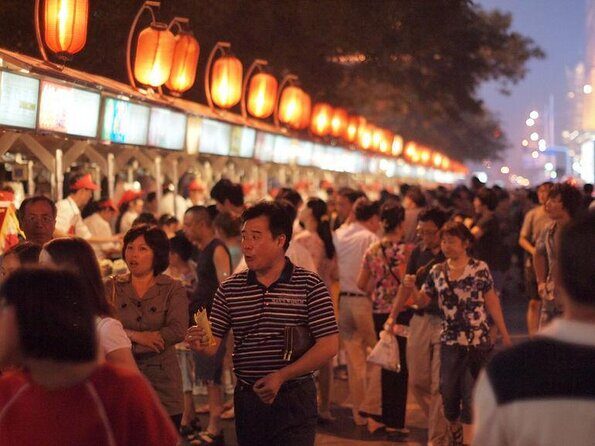
- Private guide, private feel: Only your group goes on this tour, so you can steer questions and dietary requests.
- Dongsi Hutong at night: You’re eating in the lanes, not just watching a show from the sidewalk.
- Kabobs plus a white-liquor taste: At Xinjiang Taste Restaurant you’ll try several lamb kabobs, sides, and Erguotou.
- Tanjianbing and Beijing snack classics: Pan-fried fried pancake, sweet dough, sesame cakes, Ma hua, baozi, and more.
- Yunnan flavor shift: Cross Bridge rice noodles, plum liquor, rice wine, pea cold cakes, and flower cake.
- Real-snag flexibility at the end: You can opt to stay in the area or return to your hotel.
Why Dongsi Hutong Food Tastes Better at Night
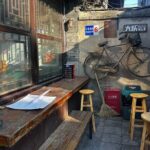
Dongsi Hutong isn’t just a backdrop. At night, the lanes feel lived-in, with the easy rhythm of people popping into small places for something hot and specific. That matters because many of the foods on this tour are best when they’re freshly cooked and you can watch (and smell) the process.
I like that this tour builds in that “you’re actually there” factor without turning it into a fancy food parade. You move from spot to spot—starting with kabobs in the Hutong area, then working your way through snack street favorites, and finally landing on Yunnan-style dishes that feel like a mini getaway from Beijing.
The route also helps you understand Beijing as a mix of cuisines, not one single “Beijing food.” You’ll hit lamb and fried pancakes, then shift to Yunnan with its rice-noodle comforts and plum-based drinks. It’s a nice way to learn what locals tend to choose when they want variety in one evening.
A few more Beijing tours and experiences worth a look
Price and Logistics: What $79.20 Really Buys
At $79.20 per person for about 3 hours, you’re paying for three things: a private guide, multiple tastings across several places, and the fact that you don’t have to negotiate ordering or find the “right” tiny restaurants yourself.
Pickup is part of the deal when your hotel is inside the city. If your hotel is outside that zone, the tour notes transportation costs (listed as $5 per person for travel from your hotel to attractions, plus another $5 per person to Hutong). Also, you can get there by taxi on your own expense, or select the private transport option.
Here’s how I’d think about value: the cost is less about the food being “cheap” and more about the guide saving you time and missteps. Beijing can be easy with a plan and hard without one—especially for menus that don’t match what you expect. A private guide changes that instantly, particularly for people who want vegetarian options or specific dietary handling.
One practical tip: because you’re moving on a schedule, arrive ready to eat. If you show up after a big late lunch, you’ll feel the “food-heavy” reality fast.
Stop 1: Dongsi Hutong and the Xinjiang Kabob Start
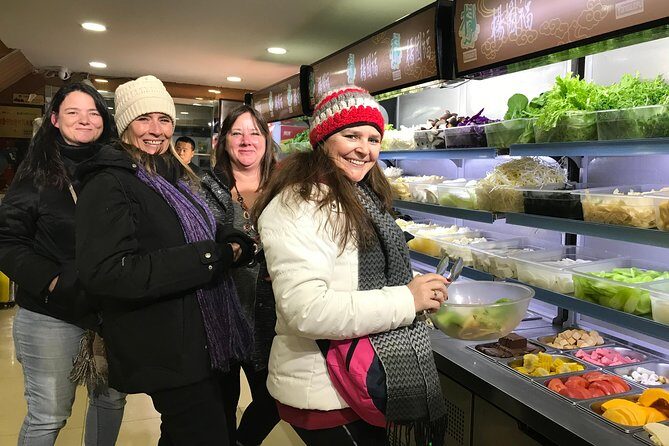
You meet your guide in your hotel lobby and head toward Dongsi Hutong. The first tastings are at Xinjiang Taste Restaurant, and this is where the night gets its anchor: lamb kabobs plus side dishes and the restaurant-style combo that makes these flavors feel complete.
You’ll sample 3–5 types of kabobs, often with sides such as eggplant, beans, garlic, leeks, and Nang. This is a good place to get oriented. Kabobs are straightforward, filling, and very “street-to-restaurant” in the way you eat—grab a bite, then balance it with a side.
You’ll also have a chance to try Erguotou (Chinese white liquor) here. If liquor isn’t your thing, it’s still worth asking your guide about what’s coming next so you can pace yourself. Alcohol is included as an offered tasting element in this stop, so plan your comfort level early.
Why this first stop works: it sets you up for the rest of the snacks. Once you’ve had something smoky and savory, you’re better able to appreciate the sweet-and-savory contrast later, like tanjianbing and sesame cakes.
Stop 2: Zhangzizhong Street Snack Circuit (Fried Pancakes to Sweet Dough)
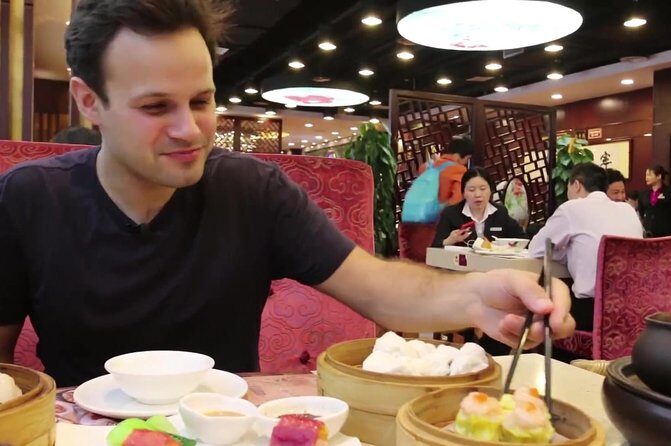
After you settle into the general snack lane energy, you move to Zhangzizhong Street, where the tour becomes more of a “try a lot, compare flavors” night.
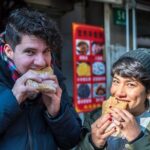
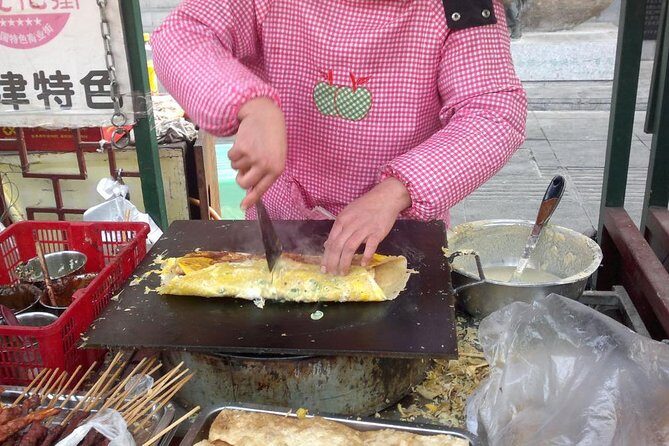
The headline is tanjianbing, a pan-fried savory pancake favored by locals. This is the kind of dish that feels simple until you taste it hot. It’s crisp outside, savory inside, and designed for bite-sized eating while walking.
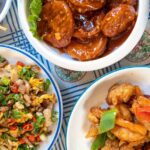
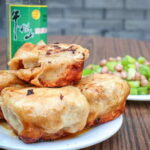
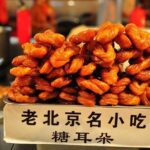
From there, you’ll pick up a string of Beijing classics and street favorites, including sweet dough, sesame cakes, Ma hua, and Zongzi. The tour also lists baozi, Beijing jar yogurt, and tanghulu made from crabapple—plus orange soda and peanut-based drinks at certain stands.
Two things I like about this section:
1) You’re not stuck on one flavor type. You get savory, then sweet, then something tangy or creamy.
2) The guide’s role matters here, because these foods can be hard to interpret from a menu or a photo.
A fair heads-up: you might find you want more sweet during this part. One past booking noted the tour felt like it could use additional sweet items, and a couple of places were missed because they were already closed. That’s the risk of night food: some snack stands follow their own clock.
If you’re a serious planner, tell the guide early that you want a balanced mix of sweet and savory. You’ll still have surprises, but you can steer the balance.
Yunnan Cuisine Stop: Cross Bridge Noodles and Plum Liquor
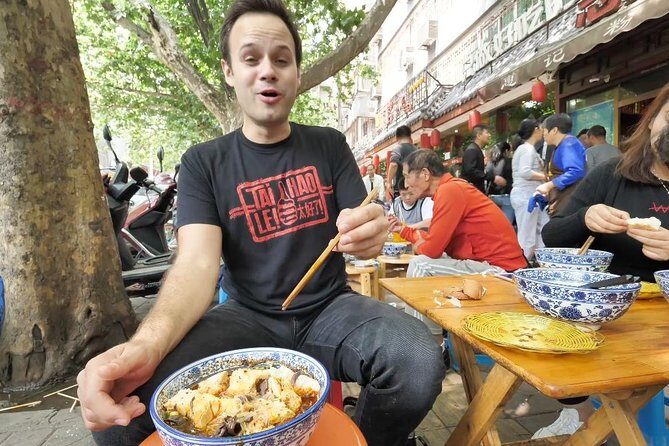
Next you shift gears to Yunnan Province cuisine at a local restaurant. This part feels like a course change, not just another snack stop, and that’s why it often lands well for first-time visitors.
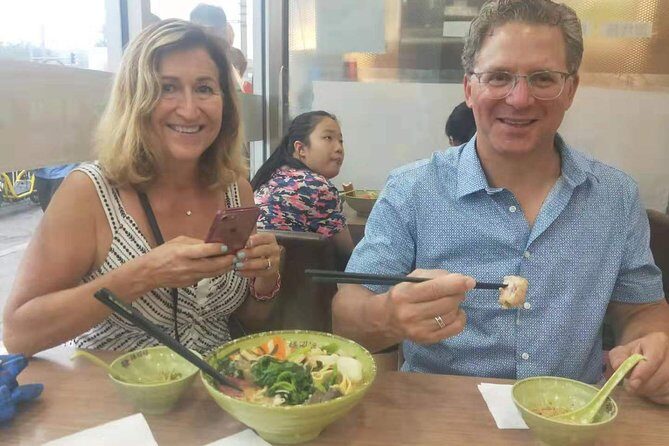
You’ll try items such as flower cake, pea cold cakes, grilled bread covered by rice flower, rice wine, and plum liquor. The “Cross Bridge” rice noodles are called out as the specialty, and that matters because it’s not Beijing’s usual noodle vibe. It’s another flavor system: different textures, different noodle expectations, and a drink pairing that’s meant to refresh between bites.
There’s also an optional “adventure food” moment. If you’re the type who likes to say yes to strange-on-purpose experiences, you can try the dish-fired bamboo worm, but it’s explicitly at your own expense.
Here’s my advice for this stop: keep your pace slow enough to taste. If you rush because you’re already full, you’ll miss the point. Yunnan food in this format is meant to be compared bite to bite—especially the noodle dish and the sweet-sour drinks.
Also, if you’re vegetarian, this is another area where it’s worth flagging your needs. The tour states a vegetarian option is available, and having that handled smoothly at multiple stops is a big deal for comfort.
You can also read our reviews of more private tours in Beijing

The Food Load: How Full Should You Expect to Be?
This isn’t a “light snack sampler.” It’s a real tasting circuit, and the amount is part of the experience. The tour lists lots of foods across the night: sesame cakes, peanut milk, cold noodles, steamed rice cake, a snack set (including glutinous rice roll with sweet bean flour, yellow pea cake, steamed rice cakes with sweet stuffing, and seasoned millet porridge), plus kabobs and multiple restaurant dishes.
One reason I think people leave happy: you don’t just see dishes—you taste a range of categories. You’ll get:
- grilled and smoky (kabobs)
- crisp fried savory (tanjianbing)
- sweet treats (sesame cakes, tanghulu, dough and cakes)
- noodle comfort (cold noodles, steamed rice cake, Cross Bridge rice noodles)
So yes, bring your appetite. If you don’t, you’ll spend the second half thinking more about surviving than tasting. And if you’re with someone who’s picky or cautious, the private format gives you a real advantage. You can adjust what you order, and guides typically help manage pace and preferences.
One note from the tour info: it’s listed as “most travelers can participate,” and there’s a private nature to the route. Still, if you have mobility limitations, mention them up front because at least one past booking noted a lack of contingency if a participant couldn’t finish the walking.
Dietary Restrictions and Vegetarian Options That Actually Matter
The tour specifically says your guide can cater to dietary restrictions, and it also confirms a vegetarian option is available if you request it when booking. That’s not a small detail. In China, “vegetarian” on menus can sometimes mean different things than you expect, so getting it right from the start helps your night stay relaxed.
My practical suggestion: when you book, list what you avoid clearly. If you’re vegetarian, say whether you also avoid broth-based flavoring. If you have allergies, spell them out exactly. Then remind your guide again at the start—short and direct usually works best.
This tour’s structure helps because it includes multiple stops and restaurant meals, not just street stalls. That gives your guide more room to choose dishes that fit your needs rather than forcing you into one option that’s nearly right.
Guides, Pace, and the Human Touch of a Private Tour
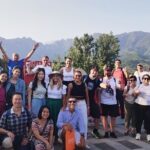
A big chunk of what makes this experience work is the guide. Past bookings mention guides like Lucy, Kevin, Miko, Jimmy, Roy Li, and Bella, and the standout theme is how they handle the night like a conversation, not a script.
Kevin, for example, was praised for being funny and helpful with pacing for an elderly mother and for asking about food preferences when ordering. Roy Li was mentioned for efficient pickup and for leading people through the Hutong with lots of locally driven spots. Bella was described as giving plenty of Beijing context and taking the group to places the group likely wouldn’t find alone.
You don’t need a perfect memory for every dish name. The guide’s job is to translate what you’re eating into something you can understand fast: ingredients, how it’s meant to be eaten, and how it fits local life. That’s especially valuable for first-timers in mainland China.
Just remember: because it’s private, your experience will reflect your group. If you tell the guide you want more seafood, less alcohol, more sweet, or quicker walking segments, you’ll usually get a better night.
Who Should Book This Beijing Foodie Night Tour?
Book it if:
- you want a private evening with a guide who can manage choices and pacing
- you’re excited to try both familiar and unfamiliar Beijing snacks
- you like variety: kabobs, fried pancakes, sweets, noodles, and Yunnan dishes
- you want hotel pickup and an easy route into Dongsi Hutong
Consider skipping or adjusting if:
- you prefer very light eating
- you’re uncomfortable with spicy, fried, or adventurous items (like optional bamboo worm)
- mobility is limited and you don’t want a walking-style route at night
It’s also a smart fit for first-time visitors who want a street-meets-restaurant feel without wasting time hunting for food.
Should You Book This Private Night Tour?
I think it’s an easy yes if you’re hungry for a guided food crawl that feels local, not touristy. The price is reasonable for a private guide, multiple tastings, and a route built around Dongsi Hutong neighborhoods and two distinct cuisine moods—Xinjiang kabobs early, then Yunnan later.
What you should decide in advance is your appetite and your comfort level with the bolder tasting moments. If you’re going to say yes to tanjianbing, Erguotou, and a full list of snacks, you’ll likely love how packed the evening feels.
If you want a calmer night or are sensitive to walking, message the provider about pace and dietary needs before you go. Do that, and this tour can turn Beijing’s night food culture into something you actually remember—not just “ate stuff.”
FAQ
How long is the Beijing 3-hour private night tour?
It’s about 3 hours total.
Where does the tour start?
You meet your guide in your Beijing hotel lobby and then head to the Dongsi Hutong area.
Is hotel pickup included in the price?
Pickup is free if your hotel is inside the city. The tour also notes transportation costs of $5 per person for travel from your hotel to attractions and $5 per person from your hotel to Hutong.
What kinds of food will I taste?
You’ll taste a mix of Beijing snacks and regional dishes, including lamb kabobs, tanjianbing, sesame cakes, Zongzi, baozi, Beijing jar yogurt, tanghulu, cold noodles, steamed rice cake, and Yunnan dishes like flower cake, pea cold cakes, Cross Bridge rice noodles, rice wine, and plum liquor.
Is there a vegetarian option?
Yes, a vegetarian option is available. You should advise the provider at booking time if you need it.
Do you handle dietary restrictions?
Yes. You can advise any specific dietary requirements at booking, and the private guide will cater to them.
Is the tour really private?
Yes. It’s a private tour/activity, and only your group participates.
What’s included and what’s not included?
Included: private tour, local guide, food tasting, and hotel meeting in the lobby (with free pickup if your hotel is inside the city). Not included: transport from your hotel to attractions ($5 per person) and transport from your hotel to Hutong ($5 per person), plus any optional items like bamboo worm (at your own expense).
Do I get a mobile ticket, and how flexible is cancellation?
The tour offers a mobile ticket. Cancellation is free up to 24 hours in advance for a full refund.
Are kids allowed?
Age under 4 is free to join, and children must be accompanied by an adult.