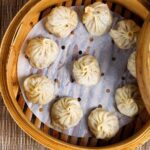
Shanghai soup dumplings are small, but the craft is big. This vegan class with Chef Yin turns the process—dough, wrappers, filling, pleating—into a clear, hands-on skill you can actually repeat later. You’ll make dumplings from scratch and then steam and eat what you shaped.
I especially like the small-group attention. With a maximum of 15 people, Chef Yin can correct your pleats and seal so your dumplings don’t just look right, they work right. I also like that you’re not stuck only watching—you get to practice the pleating method that gives Shanghai soup dumplings their signature folds.
One thing to consider: this class is not recommended for travelers with gluten allergies. Since traditional wrappers and dough are involved, you’ll want to think carefully about dietary restrictions before booking.
In This Review
- Key things to know before you go
- Vegan soup dumplings with Chef Yin: what makes it special
- Where you start in Shanghai: the studio and the vibe
- Making the dough and wrappers: the step that sets you up
- Vegan filling prep: what you’ll do and what’s likely handled
- Shaping xiaolongbao: pleating is where the magic happens
- Steaming and enjoying: turning technique into a meal
- Price and value: what $96 buys you (and why it can be fair)
- What’s included, what’s not, and what to bring
- Timing in Shanghai: breakfast, lunch, or evening classes
- Who should book this vegan soup dumpling class (and who should not)
- Should you book vegan soup dumpling making with Yin Studio?
- FAQ
- How long is the vegan soup dumpling making class?
- What does the class include?
- Is this class only for vegan travelers?
- Where does the class meet in Shanghai?
- How many people are in the class?
- What will I learn during the course?
- Are gluten allergies accommodated?
- Do I need to bring my own tools or apron?
- Is there a photographer included?
- What if I need to cancel?
Key things to know before you go
- Chef Yin leads the whole process with a dim sum focus, from dough and wrappers to shaping and steaming.
- Small-group format (max 15) means you get real corrections, not generic instructions.
- Vegan soup dumplings from scratch: dough, wrappers, filling, pleats, and then cooking.
- Pleating is the highlight, with practice on the traditional fold pattern and a good seal.
- You’re included for tea/coffee and tools, with an apron provided for the messier moments.
Vegan soup dumplings with Chef Yin: what makes it special
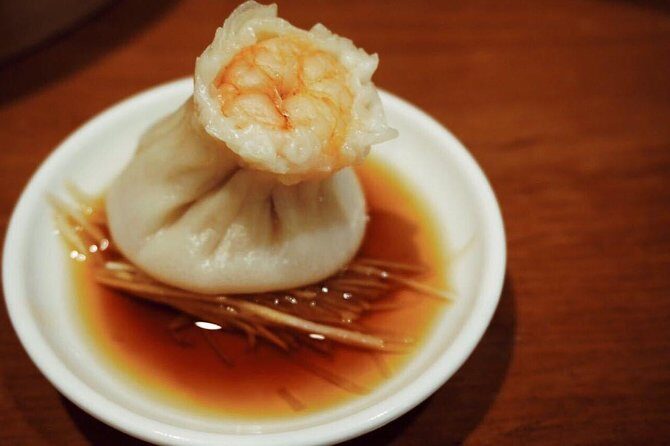
If you’ve ever looked at Shanghai xiaolongbao and thought, I could never do that, this is the class that helps you get unstuck. The goal isn’t just to make food—it’s to learn the steps in the order that actually makes dumpling making logical. You’ll work through the full chain: dough, wrapper, filling, shaping, then steaming and eating.
What makes this feel genuinely useful is the way the instruction is structured. You’re not just handed a finished dough ball and told to copy a shape. Instead, you learn how the texture and thickness matter, how the filling preparation affects what you do at the folding stage, and how the seal helps keep the dumpling intact while it cooks.
And yes, the dumplings are the point. But the bigger payoff is that you’ll leave with a repeatable process. Even if you never make xiaolongbao perfectly again, you’ll understand what went right or wrong and how to fix it next time.
A few more Shanghai tours and experiences worth a look
Where you start in Shanghai: the studio and the vibe
This class meets in Xu Hui District, at 广元路190弄近天平路 (邮政编码: 200030). The location is described as near public transportation, which matters in Shanghai where travel time can swing based on traffic and how many stops you need.
You’ll be welcomed at the Chinese Taste Culture Studio, and the class is designed so the room feels like a cooking workshop—not a lecture hall. With a small group size (up to 15), the atmosphere tends to stay active: hands moving, dumplings forming, and questions popping up naturally.
Chef Yin runs it with a mix of calm teaching and dim sum expertise. One theme that comes through is that she keeps it warm and encouraging, so even if your pleats look a bit awkward at first, you won’t feel rushed or embarrassed. That matters, because dumpling shaping is one of those skills where confidence is part of the technique.
Making the dough and wrappers: the step that sets you up
Dough making and wrapper making sound basic on paper, but they’re where dumpling success starts. In this class, you learn the process of creating the dough and then making the wrappers, rather than relying on store-bought ones. That’s a big deal because thickness, elasticity, and handling all affect how the dumpling folds.
You should expect this to be the most hands-on technical part early on. Your hands will learn the feel: how the dough responds, how the wrapper stretches, and how much you can work it before it gets sticky or tears. If you’re the kind of person who likes to understand the “why,” this section scratches that itch.
Also, wrapper making is where you learn the pacing. Dumplings are time-sensitive—especially once you start shaping—so having a rhythm helps a lot. By the time you reach filling and pleating, you’ll feel less like you’re chasing your own dough and more like you’re driving the process.
Vegan filling prep: what you’ll do and what’s likely handled
You’ll prepare vegan filling as part of the class, and this is where Shanghai flavor thinking meets plant-based cooking. The key for you isn’t memorizing a recipe word-for-word; it’s learning how the filling behaves so it works with the wrapper.
One practical detail I appreciate from the way the class is run: you may find that some prep is done in advance. For example, one participant shared that ultra-fine chopping wasn’t required because Chef Yin had already prepared the filling enough to save time. Even if you’re expecting to do every task from scratch, that kind of pacing can be a blessing—because it leaves more energy for the shaping stage, which is the real challenge.
Still, you won’t feel disconnected. You’ll be part of the process, and you’ll learn what you need to know to assemble the dumpling without turning this into a full-day cooking project.
Shaping xiaolongbao: pleating is where the magic happens
This class really leans into the most distinctive part of Shanghai soup dumplings: the pleating. Chef Yin teaches the traditional pleating method so the dumpling gets the folds and a good seal. The folds aren’t just for looks. They affect the structure of the dumpling as it steams.
You’ll practice shaping your own dumplings, and Chef Yin provides personalized tips and corrections as you go. That’s the difference between learning a trick and learning a skill. When someone can spot that your fold pattern is off by a small amount—or that the seal isn’t tight enough—you can fix it right away instead of waiting until the dumplings come out.
A useful way to think about pleating: aim for consistency more than perfection. If your dumplings don’t all look identical on the first batch, that’s normal. What matters is that the wrapper clings, the seal holds, and the dumpling cooks into a cohesive shape.
If you’re traveling with a teen or an adventurous friend, this part is often the most engaging. One class experience included a 15-year-old, and the pleating hands-on format is the sort of activity that keeps people focused and moving.


Steaming and enjoying: turning technique into a meal
After shaping, the course moves to steaming and enjoying. This is where everything you worked on gets tested. If the seal is too loose, the dumpling can lose structure. If the wrapper handling was off, the dumpling might tear. If things were well-balanced, you get those tender dumpling textures that make xiaolongbao so satisfying.
You’ll steam your creations as a group, then eat what you made. This is a major value point because you’re not only learning technique—you’re also eating the results while the learning is still fresh in your head. It also makes it easier to connect specific technique choices to the final texture.
Tea is part of the experience too. The class includes good quality Chinese tea according to the season, plus coffee and/or tea is listed in the included items. A warm drink fits dumpling eating better than you might expect, especially on a cool morning or evening.
Price and value: what $96 buys you (and why it can be fair)
At $96 per person for roughly 2 hours 30 minutes, the price makes sense when you break down what’s included. You’re paying for an instructor who guides dough, wrapper, filling, shaping, and steaming—plus the materials and tools, and even the apron. Tea (and possibly coffee) is included, and you’re capped at a group size designed for teaching.
A cooking class can be overpriced when it’s mostly watching or when you’re doing only one tiny part of the process. This one is the opposite. You’re not just assembling. You’re learning the core craft steps and repeating shaping until you get the feel.
Another value factor is attention. With up to 15 people, your chances of getting corrections are much better than in very large group demos. That means fewer frustrating attempts and faster improvement.
You’ll also be able to choose a time slot—breakfast, lunch, or evening—which is helpful if you’re juggling Shanghai transit and other plans.
What’s included, what’s not, and what to bring
Included items are practical: apron, materials, and tools for making vegan soup dumplings, plus coffee and/or tea. The class also notes good Chinese tea according to the season, which often means you’ll get something that pairs naturally with dumplings.
What’s not included: a photographer. If you want photos, plan to bring your phone and battery, and decide whether you want to set up a friend-style photo moment at the start or end.
As for what you should bring, the key is mindset. This is a cooking workshop with dough and wrappers, so dress for hands-on mess. If you have clothing you love, save it for later. Bring a small towel or tissue if you’re the kind of person who likes to wipe hands quickly, even if the studio provides what’s needed.
Also, if you have gluten allergies, skip this or confirm fit first. The class explicitly says it’s not recommended for travelers with gluten allergies, so don’t assume substitutions will be available.
Timing in Shanghai: breakfast, lunch, or evening classes
The schedule choice is real and useful: you can pick breakfast, lunch, or evening. In Shanghai, where neighborhoods and weather can shift your day fast, being able to match class time to your energy level matters.
Morning classes can feel productive because you’ll start the day with something skill-based and satisfying. Lunch sessions work well if you want a midday activity that doesn’t eat up your whole evening. Evening classes can be a cozy reset, especially when you want a meal you helped make.
Duration stays around 2 hours 30 minutes, so you can plan the rest of your day without too much uncertainty. Since the class ends back at the meeting point, you’re not forced into complicated transfers right after eating.
Who should book this vegan soup dumpling class (and who should not)
This is a strong fit if you want:
- A hands-on culinary skill, not a passive demo
- A small-group class with personal correction
- A Shanghai signature dish taught from scratch
- A vegan version that still respects the core dumpling technique
It’s also a good option if you’re traveling with someone who likes to learn through doing. Dumpling pleating is tactile and engaging, and it tends to hold attention better than long cooking lectures.
It’s not a great fit if:
- You have gluten allergies (explicitly not recommended)
- You want a fully hands-off experience (this is practical and messy by nature)
- You expect a very short class or a quick bite (it’s a true workshop)
For most people, though, this sits in a sweet spot: challenging enough to feel earned, structured enough that you’re not lost.
Should you book vegan soup dumpling making with Yin Studio?
I’d book this if you want the closest thing to a dumpling-maker skill session without needing hours of practice beforehand. The combination of Chef Yin’s step-by-step guidance, the traditional pleating focus, and the small-group size makes it a smart use of your Shanghai time.
If you’re vegan-curious, this class is also a satisfying way to see how technique carries over even when ingredients change. And if you’re a picky eater, you’ll be able to control what you’re making and understand what’s in it, since you’re actively involved.
Skip it only if gluten is a dealbreaker for you. Otherwise, the value is solid: you pay for materials, tea, tools, and real teaching across the whole dumpling-making chain, then you eat the results while the lesson is still fresh.
FAQ
How long is the vegan soup dumpling making class?
It lasts about 2 hours 30 minutes.
What does the class include?
Coffee and/or tea, an apron, and the materials and tools for making vegan soup dumplings are included.
Is this class only for vegan travelers?
The class focuses on making vegan versions of soup dumplings.
Where does the class meet in Shanghai?
The meeting point is in Xu Hui District at 广元路190弄近天平路, 邮政编码 200030.
How many people are in the class?
The class has a maximum of 15 travelers.
What will I learn during the course?
You’ll learn dough making, wrapper making, vegan filling preparation, shaping the dumplings with pleating, and steaming and enjoying what you make.
Are gluten allergies accommodated?
This activity is not recommended for travelers with gluten allergies.
Do I need to bring my own tools or apron?
No. The apron, materials, and tools are provided.
Is there a photographer included?
No, the photographer is not included.
What if I need to cancel?
You can cancel up to 24 hours in advance for a full refund. If you cancel within 24 hours, the amount paid is not refunded.