REVIEW · BEIJING
Beijing: Peking University Campus Guided Walking Tour
Book on GetYourGuide →Operated by Explore PKU · Bookable on GetYourGuide
PKU feels like a living classroom. This 2-hour walk through Peking University with a student guide turns familiar landmarks into a story you can actually picture. You’ll cover the campus’s most photogenic spots and the meaning behind them, from Boya Pagoda to the gardens that shape how you move.
I especially liked two things: first, getting a clear, English-speaking explanation from guides such as Henry, who comes across as friendly and patient. Second, the tour doesn’t just point at buildings; it connects PKU’s identity to its roots as Yenching University and even its wider historical links.
One practical consideration: food and drinks aren’t included, so plan to grab something before or after (or budget for a snack stop yourself).
In This Review
- Key points to know before you go
- Entering Peking University’s “thinking space”
- Meeting at the East Gate and getting your bearings
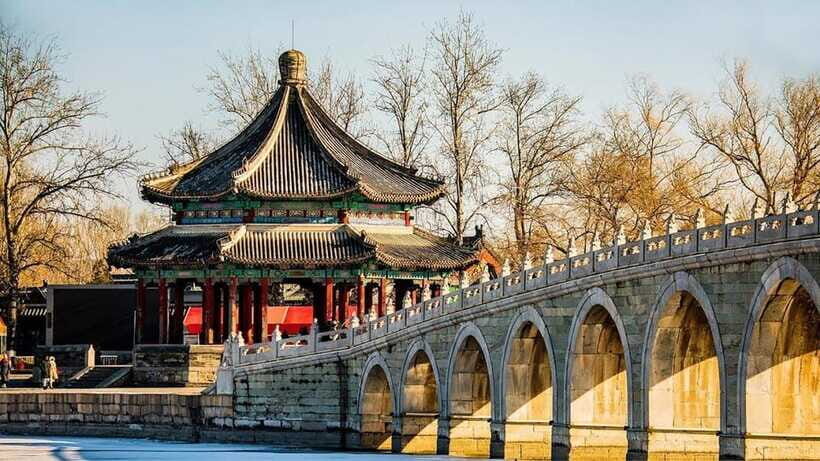
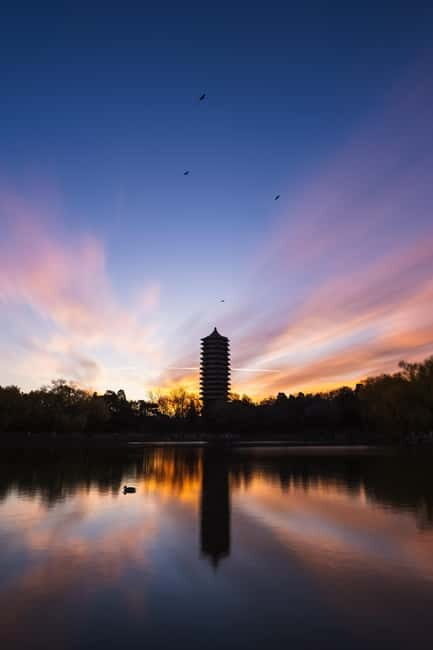
- Boya Pagoda, Weiming Lake, and the Bell Pavilion
- Boya Pagoda: a century-old landmark with a story
- Weiming Lake: the campus view-makers
- Bell Pavilion: sound and tradition
- Hua Biao ornamental pillars and Qilin statues
- The Peking University Library: scholarship in stone and scale
- Cai Yuanpei’s statue: a moment of respect
- PKU’s evolution from Yenching University
- Old Summer Palace and Heshen: links that change the background
- Traditional gardens and courtyards: reading the layout
- A guide like Henry makes it easy (and family-friendly)
- Practical timing: how to enjoy all stops in 2 hours
- Price and value: is $39 worth it?
- Who should book this PKU tour
- Should you book the Beijing: Peking University Campus Guided Walking Tour?
- FAQ
- How long is the Peking University guided walking tour?
- How much does the tour cost?
- Where is the meeting point?
- What language is the tour guide?
- How many people are in the group?
- What should I bring?
- What’s included and not included in the price?
Key points to know before you go
- Small group feel (up to 10 people) makes questions easy and pace comfortable
- Boya Pagoda, Weiming Lake, and the Bell Pavilion give you a scenic campus spine
- Stone symbolism shows up in Hua Biao ornamental pillars and Qilin statues
- Academic pride in person at the Peking University Library and Cai Yuanpei’s statue
- Architecture-as-message: gardens and courtyards are explained with meaning, not just style
Entering Peking University’s “thinking space”
Peking University isn’t laid out like a random campus. You feel the university trying to teach even before the guide starts talking. The layout and the paths guide your attention from courtyard to lake, and from quiet corners to major landmarks.
That’s why this tour works so well. You’re not only sightseeing; you’re learning how PKU’s environment supports scholarship. When your guide links each spot to a story—students, presidents, and cultural design—you start seeing the campus the way insiders do.
And because it’s a guided walk, you get those links in time order. You’ll hear how PKU evolved from its earlier life connected to Yenching University, and how later chapters shaped the university you see today.
You can also read our reviews of more walking tours in Beijing



Meeting at the East Gate and getting your bearings
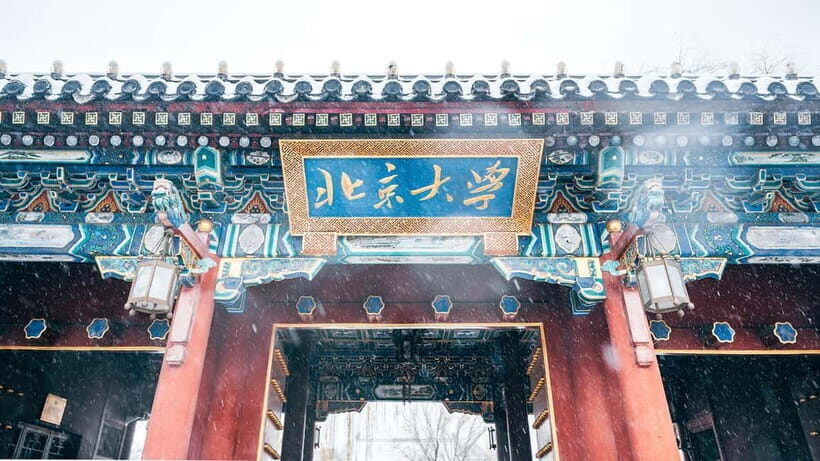
You’ll meet at the Peking University East Gate. The exact spot is the stone lion on the right side when you’re facing the gate entrance.
From there, the first part of the experience is orientation. Even if you’ve seen photos online, the campus scale can surprise you. A guide keeps you from wandering, and you’ll start learning the geography fast—what to look for and why it matters.
The tour runs about 2 hours, and it’s conducted in English. You’ll want to come with comfortable shoes because PKU is a walking campus, not a hop-on-hop-off situation. If you like photography, bring a camera too, since the tour hits classic photo zones and quieter corners.
Boya Pagoda, Weiming Lake, and the Bell Pavilion
This is the part of the tour that feels most like a campus stroll—except every step has a reason.
Boya Pagoda: a century-old landmark with a story
The Boya Pagoda is one of the older, signature features you’ll see. Your guide will connect it to the longer rhythm of PKU life and the way traditional elements were carried into the modern academic setting. It’s the kind of stop where the guide’s explanation changes what you notice—lines, placement, and what it symbolizes.
Weiming Lake: the campus view-makers
Then comes Weiming Lake, which gives you that classic reflective-calm feeling. Lakes like this do more than look pretty. They shape walk routes, create meeting spaces, and give the university a visual balance between buildings and nature.
On a timed tour, the trick is to take a moment and slow down your photos. When your guide explains the site’s meaning, you’ll want to notice not only the water, but where the surrounding buildings frame it.
You can also read our reviews of more guided tours in Beijing

Bell Pavilion: sound and tradition
The Bell Pavilion adds a sense of timekeeping and tradition. It’s one of those “this existed for a reason” spots, where the guide’s storytelling turns the pavilion from a photo object into a campus ritual marker.
If you enjoy culture through built form, this stop is a highlight. You’re learning not just what’s there, but how tradition made daily life feel structured.
Hua Biao ornamental pillars and Qilin statues
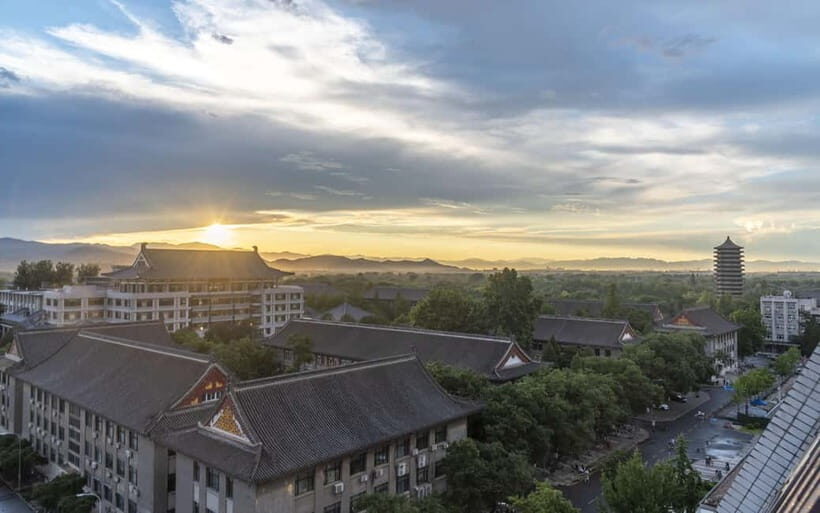
This part is the campus nerd moment—in the best way.
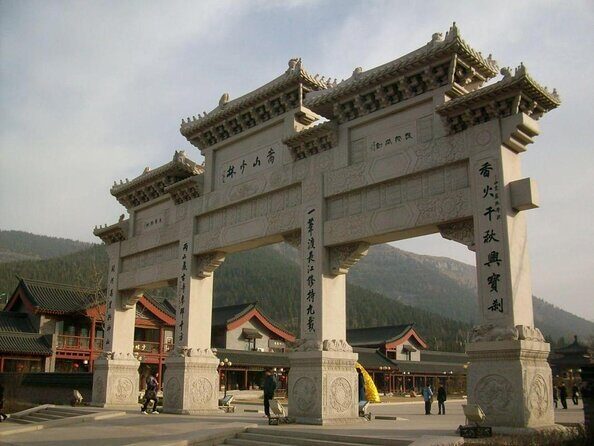
You’ll visit Hua Biao (ornamental pillars) and Qilin statues. These aren’t random decorations. Your guide will help you understand why they’re placed where they are and what they’re meant to communicate.
You’ll likely notice that these stone features appear as a language. Once you know what the symbols are pointing to, the campus becomes easier to read. You start spotting patterns: where power is signaled, where honor is emphasized, and where tradition acts like a quiet guidepost for visitors walking through.
If you like symbolism, don’t rush. Pause long enough to look from a few angles. The meanings your guide explains tend to click once you can see how the stone figures relate to their surroundings.
The Peking University Library: scholarship in stone and scale
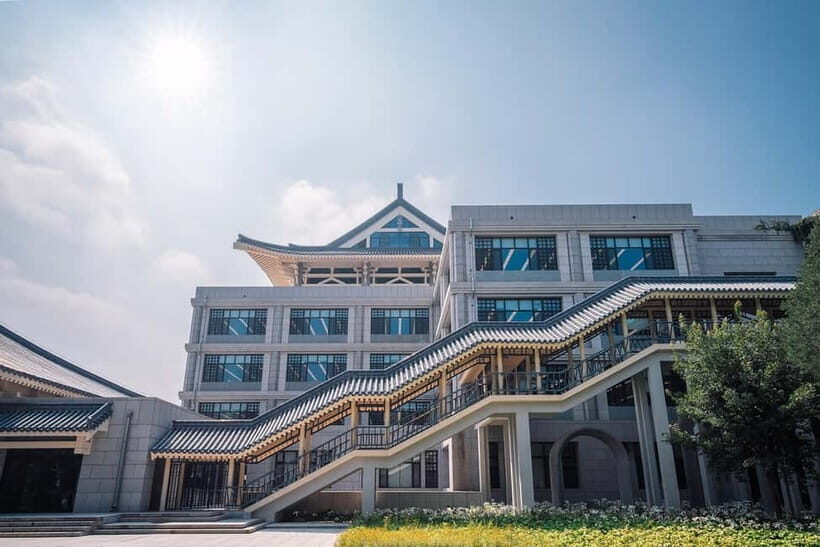
Next, you’ll explore the grand Peking University Library. This stop hits a different emotional note than the gardens and lakes. The library is about focus, study, and the public face of academic life.
Your guide’s stories here matter. Instead of treating the library like a landmark you pass by, you’ll learn how it fits the identity of PKU—an institution that has been adapting while holding onto core academic ideals.
This is also a good place to reset your attention. After scenic stops, the library brings you back to the university’s purpose. It’s a reminder that PKU isn’t just historic—it’s still working, still teaching, still shaping minds.
Cai Yuanpei’s statue: a moment of respect
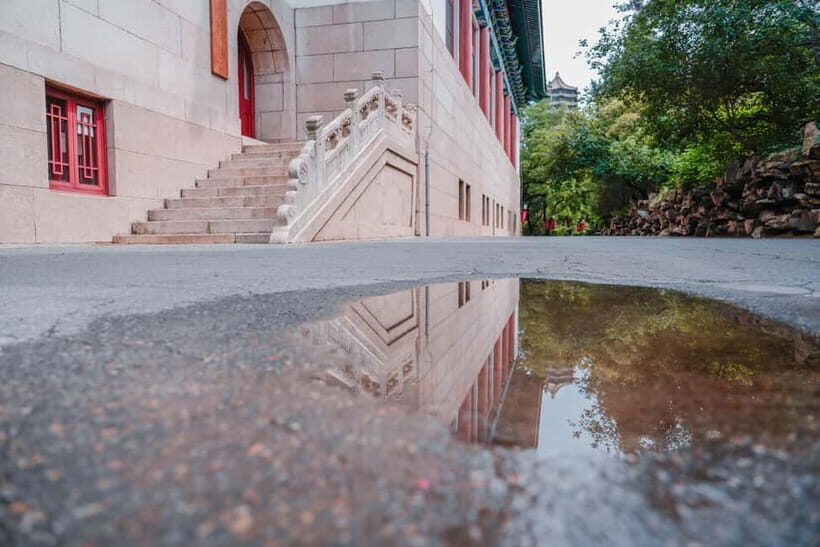
You’ll then pay respects at the Statue of Cai Yuanpei. Cai Yuanpei is presented as a revolutionary former president of PKU, and the stop frames him as a figure who helped steer the university’s direction.
On a campus tour, statues can become “just a photo.” Here, the guide’s context helps you slow down and treat it like a checkpoint in the story of PKU’s identity.
If you’re interested in how leadership influences education, this stop delivers. It’s one of the clearest ways you’ll see personal impact translated into a physical presence.
PKU’s evolution from Yenching University

One reason this tour feels more satisfying than a standard landmark list is the way it traces development.
Your guide will explain PKU’s evolution from its roots as Yenching University. That connection gives you a bigger timeline than what you see at ground level. It also helps you understand why the campus carries layered influences instead of a single straight line of history.
If you’re the type who wants meaning, not just names, this section is for you. You’ll connect buildings and gardens to historical shifts in the university’s mission and identity.
Even if you’re not a history buff, the “how it became PKU” story gives your walk a clear narrative thread. Instead of feeling random, the campus starts feeling like a curated sequence of ideas.
Old Summer Palace and Heshen: links that change the background
You’ll also hear about PKU’s ties to the Old Summer Palace (Yuanmingyuan). That connection matters because it frames the surrounding world, not just the university bubble.
The tour also mentions a connection involving Heshen, described as an infamous Qing Dynasty official. This is the kind of historical knot that can feel confusing if you’re reading on your own.
On a guided walk, it becomes understandable because you’re told how the connection fits into the broader story. You’re not being asked to memorize dates; you’re being shown how the campus story connects to the wider history of Beijing.
This section is a good reminder that universities are never isolated. They grow in the context of politics, culture, and the long shape of the city around them.
Traditional gardens and courtyards: reading the layout
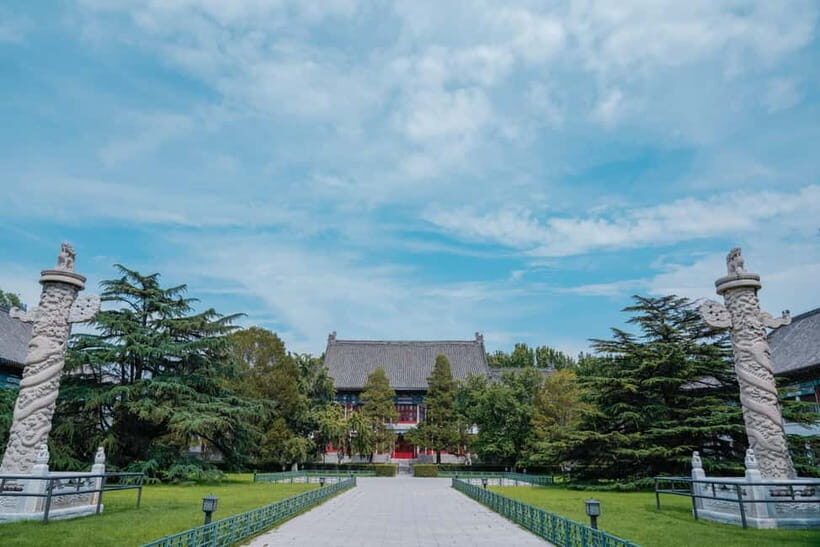
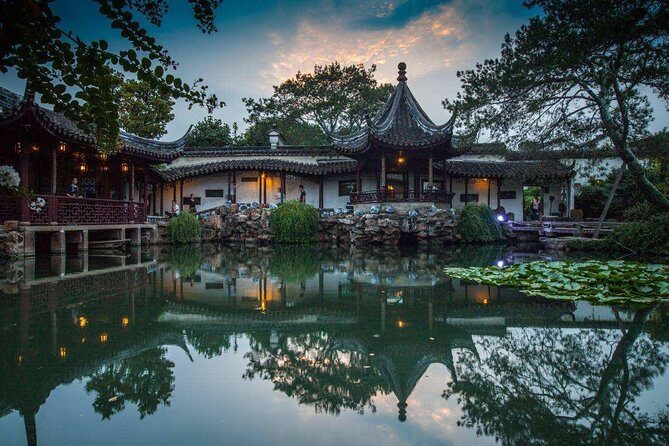
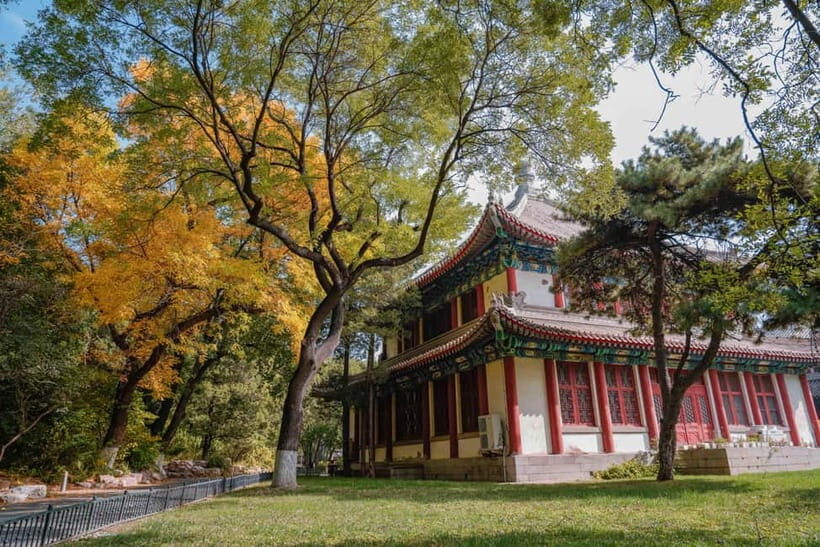
The tour’s most quietly impressive part is how it treats the traditional Chinese gardens, courtyards, and building layouts as meaningful design.
You’ll uncover hidden meanings behind these spaces. The guide will explain how the design creates harmony between nature and scholarship. It’s not vague. You’ll learn what that harmony looks like in real space: where you pause, how paths guide movement, and how courtyards shift your sense of scale.
This matters because it changes what you do during the tour. You start looking for “why this is here” rather than just “what it looks like.” The campus becomes a text you can read with your feet.
If you enjoy architecture and human design, you’ll get a lot here in just two hours. You won’t leave with a pile of memorized facts, but you will leave with better instincts for what’s meaningful on the next campus you visit.
A guide like Henry makes it easy (and family-friendly)
The standout pattern from the experience is the guide’s human touch. A guide named Henry is repeatedly described as friendly, easy to communicate with, and patient—especially helpful if you’re traveling with kids.
That matters because PKU isn’t small. A patient guide keeps the group together and keeps the explanations clear as you walk through crowds of students and passersby.
It also helps that the tour can include a firsthand look at student life. In at least one version of the experience, the guide invited the group to eat in the school cafeteria. Even if you skip that moment, it’s a useful clue that the tour isn’t only about stones and signs—it’s about how PKU feels day to day.
Practical timing: how to enjoy all stops in 2 hours
With a 2-hour walk, you’ll cover a lot without feeling like you’re sprinting. The pacing works best if you come ready to move. Your best strategy is to keep your phone/camera accessible and keep your attention on the guide between photo stops.
Also, plan your schedule so you aren’t rushing afterward. You finish at the West Gate, and you’ll likely want a little time buffer for your next activity, since you’ll be leaving a large, active campus.
Price and value: is $39 worth it?
At $39 per person for a 2-hour guided walking tour, the value is mainly in the guidance and the storytelling density. You’re paying for an English-speaking guide who can connect multiple landmarks—pagoda, lake, pavilion, pillars, library, and Cai Yuanpei—into one understandable narrative.
The “value trade” is what’s not included. Food and drinks aren’t included, and transportation to and from the university isn’t part of the price. So if you want a full day of comfort, you’ll need to handle meals separately.
Still, for the amount of cultural context you get in a short time, this is a solid choice. If you show up for the walk expecting photos only, you’ll leave underfed. If you show up ready to listen while walking, it feels like a smart use of limited time in Beijing.
Who should book this PKU tour
This tour is a great fit if you fall into any of these groups:
- You want a guided, English-speaking campus story instead of a self-guided checklist.
- You like history and symbolism, especially when it’s tied to real places you can see.
- You care about architecture and garden design, not just big-name buildings.
- You’re traveling with kids and want a guide who can handle questions without making the pace weird.
It’s also a good fit for future students or education-minded travelers. You’ll come away with a clearer sense of what makes PKU feel like PKU—how tradition and academic ambition coexist on the same grounds.
Should you book the Beijing: Peking University Campus Guided Walking Tour?
If your goal is to understand PKU in a short visit, I’d say yes. The tour hits the big visual landmarks and also explains the meaning behind them, especially the ornamental pillars, statues, and traditional garden layouts.
Book it if you like the idea of a small group with time for real questions, and if you’re comfortable walking for two hours. Skip it (or adjust expectations) if you want long indoor time, a food stop built into the price, or a slow museum-style pace.
Bottom line: this is one of those rare campus experiences that turns sightseeing into understanding. If you’re trying to make Beijing feel more than grid-and-grid photos, this walk helps.
FAQ
How long is the Peking University guided walking tour?
The tour lasts about 2 hours.
How much does the tour cost?
It costs $39 per person.
Where is the meeting point?
You meet at Peking University East Gate. The exact spot is the stone lion on the right side when facing the gate entrance.
What language is the tour guide?
The tour is conducted in English.
How many people are in the group?
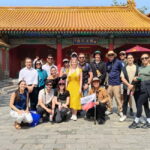
It’s a small group limited to 10 participants.
What should I bring?
Bring comfortable shoes for walking and a camera for photos.
What’s included and not included in the price?
Included: the 2-hour guided walking tour and visits to historical and cultural landmarks with stories. Not included: food and drinks, and transportation to and from the university.