REVIEW · BEIJING
Beijing: Forbidden City and Tian’anmen Square Walking Tour
Book on GetYourGuide →Operated by Beijingtourcompany · Bookable on GetYourGuide
Tian’anmen Square feels like a movie scene. This tour is built to get you from security checks to the Forbidden City’s biggest moments with a guide who knows how to keep the pace sane and the facts clear. You’re also set up with reserved access to major stops, and the route is designed for efficient walking rather than aimless wandering.
What I like most is the small-group feel and guide attention. I’ve seen this firsthand in reviews praising guides like Melody (clear explanations and even lunch advice) and Amber (fast, practical navigation through the Forbidden City and help with great photos). Second, you get more than postcard sights: the guide helps you spot the less-obvious details, like the Treasure Museum and emperor’s throne areas tucked away in corners that are easy to miss on your own.
One thing to consider is time gets eaten by lines and controls—especially around Tian’anmen Square and the Forbidden City entrances. Some days include long waits, and there’s also a real possibility the Square could be shut down without notice for political reasons, with the plan switching to Jingshan Park.
In This Review
- Key takeaways
- Tian’anmen Square: what the guided walk actually saves you
- Forbidden City: why a guide is worth it in a place this big
- The pace: small-group energy vs. private comfort
- Tian’anmen Square and Forbidden City: a practical look at the route
- Bonus option: Temple of Heaven adds meaning to the palace day
- Bonus option: Mutianyu Great Wall with a private driver
- Value and price: why $14 can still make sense
- What to bring and what to expect during checks
- Best fit: who this tour works for
- Guide quality: the names you’ll hear in real feedback
- Should you book this tour?
- FAQ
- How long is the Tian’anmen Square and Forbidden City walking tour?
- Where do we meet for the small-group tours?
- Is the Forbidden City entry ticket included?
- Is Tian’anmen Square free, and do I still need a reservation?
- What happens if Tian’anmen Square is closed on the day?
- Does the tour include English-speaking guides?
- Is hotel pickup included?
- What do I need to bring to enter the sites?
Key takeaways
- Reserved entry to the Forbidden City, plus Tian’anmen Square reservation when selected
- Small groups and slower pacing to make a huge site feel manageable
- Guides like Melody, Lisa, and Amber bring context fast and keep you moving the right way
- Expect security checks and queue time, even with a guided plan
- Optional add-ons expand the day to Mutianyu Great Wall and the Temple of Heaven
Tian’anmen Square: what the guided walk actually saves you
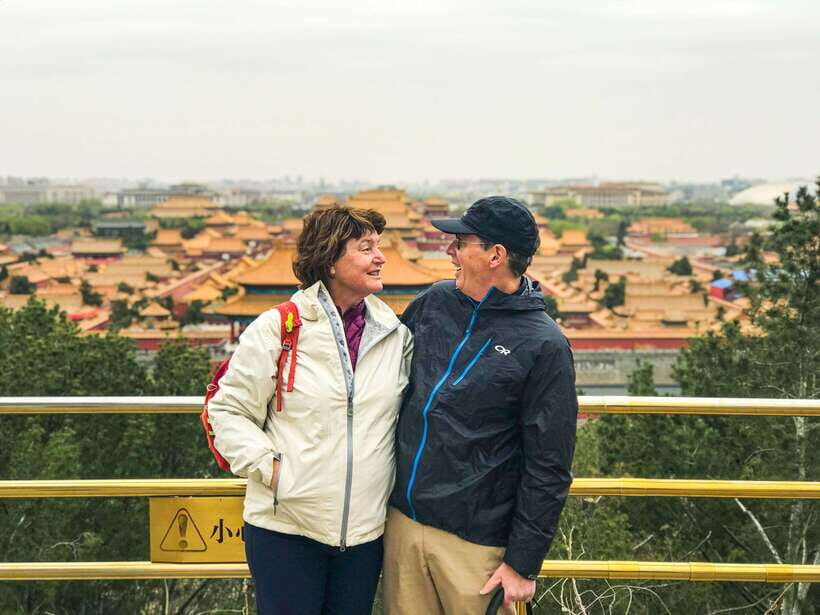
Tian’anmen Square can be overwhelming, even if you love history. It’s huge, heavily regulated, and the experience depends a lot on the flow of crowds and security. A guided walk helps because you’re not just looking at a big open space. You’re learning what you’re standing in front of and why it matters, while your guide handles the practical stuff—timing, entry procedures, and keeping the group together.
You’ll also need the right documents. The tour requires real identity registration using your full name, passport number, nationality, and age to reserve admissions for Tian’anmen Square and book online tickets for the Forbidden City. If you’ve ever traveled with a relaxed plan and wrong-name bookings, this is the moment to slow down and get it correct.
There’s a second practical reality: the Square is free to visit, but that doesn’t mean it’s frictionless. It can run on strict ID checks, and it can also be affected by political reasons. The tour notes that if Tian’anmen Square is closed without notice, you’ll visit Jingshan Park instead. That’s not ideal, but it’s a clear heads-up that planning in Beijing sometimes includes flexibility.
You can also read our reviews of more walking tours in Beijing



Forbidden City: why a guide is worth it in a place this big
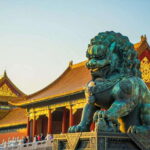
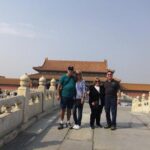
The Forbidden City is one of those attractions where the scale hits you first. It’s not just “a museum.” It’s a whole city of palaces, courtyards, and ceremonial spaces, arranged so you naturally miss things when you go alone. What makes this tour valuable is that it doesn’t just route you through the highlights. It helps you understand what you’re seeing and how to move through the complex without wasting half your day backtracking.
A typical guided visit here runs about 2.5 hours, which is enough time to hit the core areas without turning it into a rushed sprint. Guides in the reviews mention practical shortcuts—Amber is specifically praised for leading people through the fast and easy way—and that’s the real skill. In a place this dense, saving your energy matters more than squeezing in one extra gate.
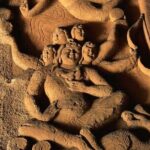
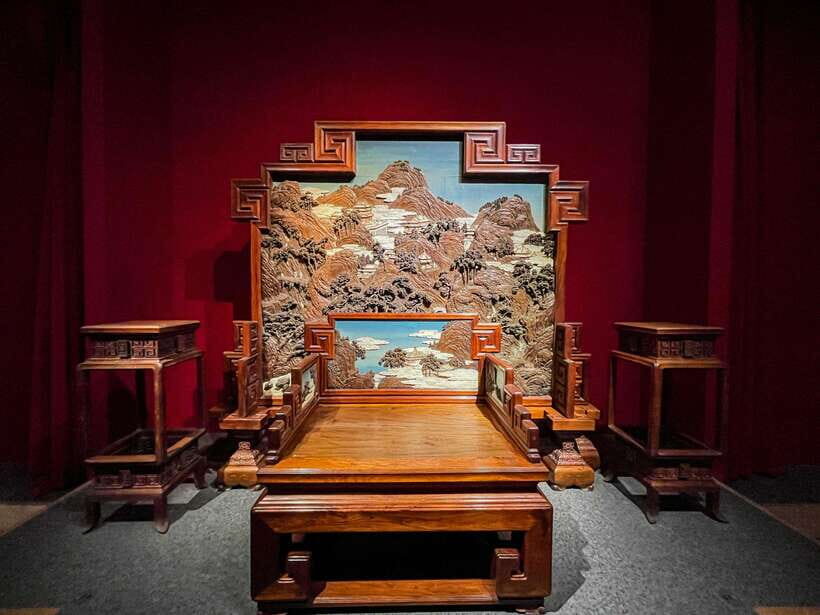
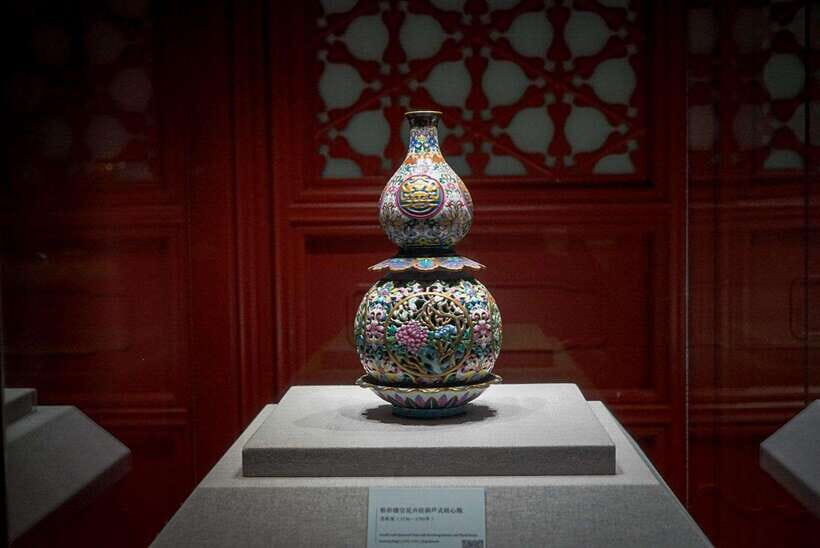
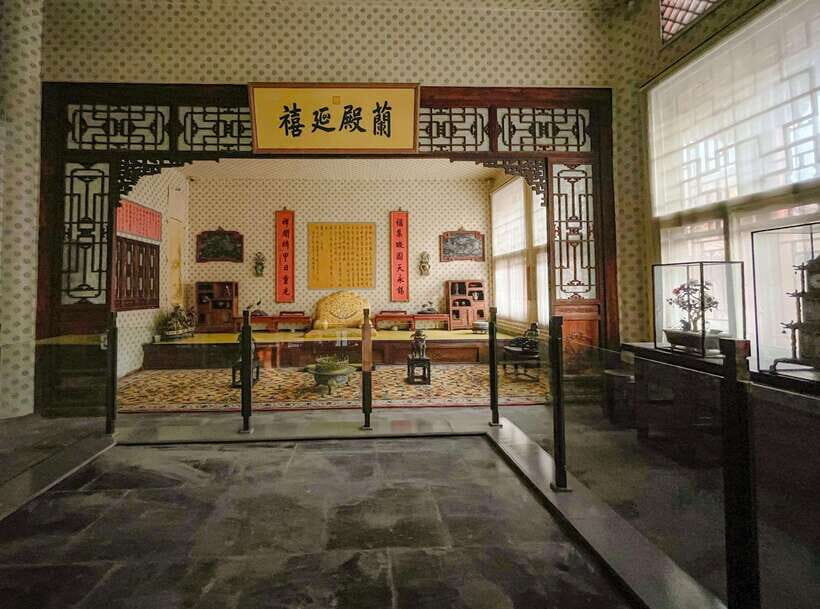
You’ll also get help finding the details that don’t announce themselves. The experience includes special stops like the Treasure Museum and emperor’s throne areas located in less-obvious parts of the site. Those are the kinds of moments that feel almost unfair if you find them by accident. With a guide, you’re much more likely to see them on purpose.
The pace: small-group energy vs. private comfort
This is offered as small group and private options. That difference isn’t just about price. It changes how you experience a day where everything is controlled—timing, security, and walking distance.
For small groups, you’ll generally enjoy a calmer flow. Reviews repeatedly praise guides for keeping groups engaged for hours—Melody gets singled out for being fun and focused, and Lisa is praised for patient answering and strong English. One reviewer even noted that in a tiny group, there was no need for headsets or microphones, which makes the whole experience feel more personal and less like a bus tour.
For private tours, the value is control. You can set a rhythm that matches your interests and your comfort with crowds. Private options include hotel pickup and drop-off (for those variants), and some private routes add transport support like a private car and driver for the Great Wall day. That helps if you’d rather spend your energy on the sights than on figuring out how to get there.
Tian’anmen Square and Forbidden City: a practical look at the route

The walking day usually follows a simple structure: you meet up, move into the area, then walk the core highlights with a guide.
- Meeting point can vary by option, but the listed small-group options start at Beijing XinQiao Hotel at 9:30AM.
- There’s typically a subway/metro segment (around 30 minutes). This matters because it cuts down on traffic stress and helps you arrive with time to handle checks.
- You spend time at Tian’anmen Square with a guided orientation (about 30 minutes).
- Then you move on foot (about 20 minutes) to link the square experience to the Forbidden City entry flow.
- Inside, you’re guided through the Forbidden City for roughly 2.5 hours.
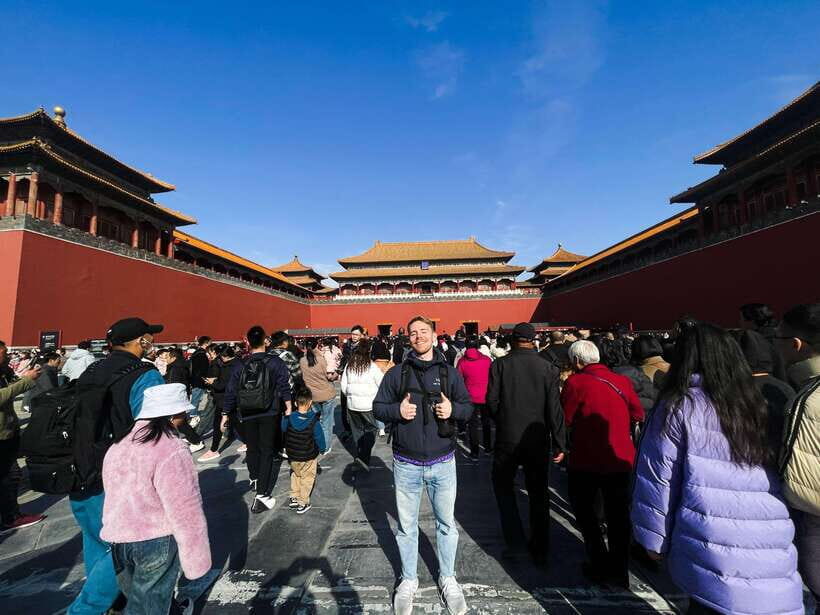
The itinerary timing is tight enough to feel structured, but it shouldn’t feel like you’re being pushed through glass walls. Still, be honest with yourself: your day can be shaped by crowd levels. One review points out the queue time at both Tian’anmen and the Forbidden City can reduce the overall vibe, even if the visit once inside is worth it.
Bonus option: Temple of Heaven adds meaning to the palace day
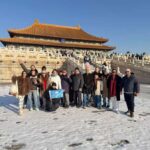
If you choose the longer small-group version that includes Temple of Heaven, you’re basically layering a second type of Beijing power: spiritual authority rather than imperial administration. It’s the kind of contrast that makes the whole day feel more complete.
This option runs around 6.5 hours and includes a reservation for Tian’anmen Square, entry to the Forbidden City, and a through ticket for Temple of Heaven. The tour guide is there to connect the religious complex to what the empire was trying to communicate through ritual—so you don’t just see buildings, you understand the purpose behind the layout and symbolism.
One heads-up: this day is still a walking plan. If you’re sensitive to long feet time, consider the smallest version first and add Temple of Heaven only if you’re comfortable with pace.
You can also read our reviews of more city tours in Beijing



Bonus option: Mutianyu Great Wall with a private driver

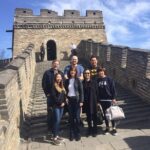
The private tour version that adds Mutianyu Great Wall turns your day from history center to big-outdoor Beijing. Mutianyu is iconic, and the guide-led walk along the landmark helps you get the most out of it without guessing where to go next.
This variant is about 9 hours and includes a private English-speaking guide plus a private car and driver. That matters because Great Wall access eats time, and having a driver reduces fatigue before you even start walking.
The tour explicitly excludes the cable car, chairlift up and down, and slide down. If you’re planning on using those rides, you’ll need to budget extra on your own. If you want pure walking views, skipping those options can be a plus.
Value and price: why $14 can still make sense
The listing price shows $14 per person, which sounds almost too good for Forbidden City access. The reality is that the real value isn’t the sightseeing alone—it’s the logistics covered by the tour: guaranteed entry to the Forbidden City and reservation support for Tian’anmen Square in the selected options.
Beijing ticketing can be a headache in peak seasons, and the tour warns that online tickets may be hard to secure and that queues can become unavoidable if you don’t have arrangements in place. So, even if $14 looks suspiciously low, what you’re buying is reduced friction: fewer stress points, fewer last-minute attempts, and a guide to keep you moving efficiently.
That said, always check what your chosen option includes. Some private packages include hotel pickup; others include Didi taxi transport rather than a private vehicle. The day can range from a quick structured half-morning to a full-day Great Wall plan, and the price should be interpreted in that context.
What to bring and what to expect during checks
This tour is straightforward: bring your passport or ID card. The identity rules are emphasized for Tian’anmen Square reservations and Forbidden City online booking, so don’t show up with a plan B unless you’re ready for delays.
You also should follow the “no surprises” rule on onsite restrictions:
- no weapons or sharp objects
- no smoking (including indoors)
- no drones
- no explosive substances
- no sprays or aerosols
- no fire-making
If you’ve never done large-site security in China, plan for extra time and keep bags simple. Your best friend is calm preparedness.
Best fit: who this tour works for
This tour is a smart fit if you:
- want a guide to help you interpret the Forbidden City’s layout and hidden details like Treasure Museum and emperor’s throne areas
- prefer small-group pacing over a fast herd-through tour
- want to add Temple of Heaven or Mutianyu Great Wall without building the logistics yourself
- care about explanations that make the day feel organized, not random
It’s not listed as suitable for visually impaired people, and the plan involves walking and site navigation.
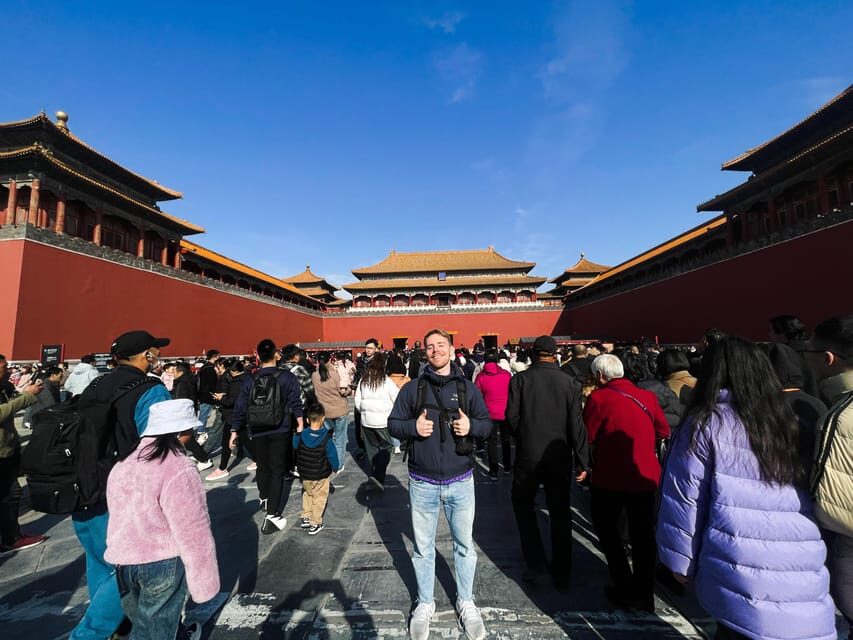
If you hate crowds, go in with realistic expectations. You can reduce stress with a guide, but you can’t delete crowd flow from a major Beijing attraction day.
Guide quality: the names you’ll hear in real feedback

The reviews give you a strong sense that guide skill is the difference-maker here. Melody stands out for explanation style and extra help—like lunch recommendations. Lisa is praised for strong, clear English and patience with questions. Amber is credited for smart navigation, quick routes through crowded areas, and helping people take good photos.
You’ll also see supportive energy in other names like Simon, who’s mentioned for being helpful with the city’s transport and even linking history to what you’re eating. Jackie shows up as organized and easygoing, which matters because the logistics of this kind of day can turn stressful if the guide isn’t calm.
Should you book this tour?
Yes, if you want a structured way to see Tian’anmen Square and the Forbidden City without turning your day into chaos management. The biggest reasons to book are reserved access support, a guide who knows how to keep the pace realistic, and interpretation that makes the Forbidden City easier to understand rather than just bigger than your phone photos.
I’d skip it only if you’re the type who enjoys navigating everything solo, accepts long queues with no assistance, and doesn’t care much about hidden corners like the Treasure Museum and emperor’s throne areas. Otherwise, for most first-timers, a guided plan makes Beijing’s most famous imperial sights actually feel worth your time.
FAQ
How long is the Tian’anmen Square and Forbidden City walking tour?
The small-group Tian’anmen Square and Forbidden City option runs about 3.5 to 4.5 hours. Other add-on options run longer, including Temple of Heaven (around 6.5 hours) and Mutianyu Great Wall as a private day (about 9 hours).
Where do we meet for the small-group tours?
The listed meeting point for small-group options is Beijing XinQiao Hotel, with a meeting time of 9:30AM.
Is the Forbidden City entry ticket included?
Yes. The Forbidden City admission cost is included for the options that feature it, with guaranteed entry.
Is Tian’anmen Square free, and do I still need a reservation?
Tian’anmen Square is free to visit, but this tour includes reservation support for Tian’anmen Square where that option is selected. It also requires real identity registration.
What happens if Tian’anmen Square is closed on the day?
If Tian’anmen Square is closed due to political reasons without notice, the plan changes so you will visit Jingshan Park instead.
Does the tour include English-speaking guides?
Yes. The tour uses live English-speaking guides. Private options specify private English-speaking guiding service.
Is hotel pickup included?
For private options, hotel pickup and drop-off are included. Some private city tours use Didi taxi for transportation rather than a private vehicle. For hotel locations beyond the 4th Ring Road, there may be an extra transportation fee for private pickup.
What do I need to bring to enter the sites?
Bring your passport or ID card, since the tour requires real identity information for Tian’anmen Square registration and online admissions processes.