REVIEW · BEIJING
Shilinxia Glass Platform & 798 Art District/Ming City Wall Tour
Book on Viator →Operated by Wikibeijing · Bookable on Viator
A glass deck 400 meters up makes time slow down. This private Beijing tour pairs Shilinxia Glass Platform with the Ming City Wall Park, then may add the 798 Art District for a change of pace. I especially like the clear, step-by-step pacing (cable car partway, then stairs), and the fact you get hotel pickup so you’re not wrestling transit before your height test.
The standout for me is how practical the day feels: entrance fees and lunch are handled, and you get a guided route that explains what you’re seeing. My only real consideration is physical effort and weather—there are stairs at both Shilinxia and the wall tower, and Shilinxia isn’t open during rainy days.
In This Review
- Key Things to Know Before You Go
- A Private, Structured Day Outside Beijing
- Shilinxia Scenic Area: The Gorge Setting That Makes the Glass Work
- The Cable Car and the Stair Climb: Where Your Energy Gets Tested
- Walking the Glass: Height Numbers That Help You Imagine It
- Ming City Wall Park: A Restored 15th-Century Wall With Real Scars
- 798 Art District (Optional): Trading Stone and Glass for Studios
- Value and Price: What $248 Really Buys
- Timing: Why the Start Time Matters
- Weather and Planning: When Shilinxia Changes the Day
- Who This Tour Fits Best
- Should You Book This Shilinxia and Ming Wall Day?
- FAQ
- How long is the Shilinxia Glass Platform and Ming City Wall Park tour?
- What’s included in the $248 per person price?
- Is the cable car included in the Shilinxia part?
- Does the tour include 798 Art District?
- Is Shilinxia open on rainy days?
- Do I need my passport for this tour?
Key Things to Know Before You Go
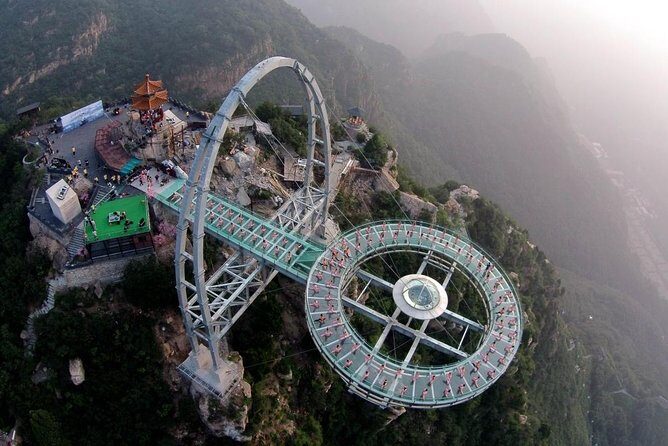
- Shilinxia Glass Platform: Walk out up to 400 meters above the gorge; it’s built to feel extreme (shoe covers included).
- Cable car is not included: You ride it partway up at your own expense, then climb the rest.
- Significant stair time: Even after the cable car, you’ll be climbing—plus the Southeast Corner Watchtower.
- Ming City Wall Park focus: You see a restored 15th-century section with brickwork and bullet holes.
- 798 Art Zone option: If your version includes it, you’ll have free entry and time to browse studios and cafés.
A Private, Structured Day Outside Beijing
This tour is designed for one thing: a smooth, guided day that feels like two different centuries in one outing. You start in the city early, then head northeast into rolling hills toward a stone gorge region often referred to as Jingdong Grand Canyon or Pinggu Stone Forest Gorge. The drive matters because it sets the tone—less time figuring things out, more time watching the scenery change as you leave dense traffic behind.
What I like about the private format is the control. You don’t have to sync your movements to a large group shuffle. Your transportation is air-conditioned and you get central hotel pickup and drop-off, which is a big deal when the rest of the day revolves around getting to specific viewpoints on time.
You also get a clear bundle of basics: entrance tickets, bottled water, and a Chinese restaurant lunch are included. That’s not flashy, but it’s value. It means fewer decisions once you’re already tired and standing in line.
You can also read our reviews of more city tours in Beijing

Shilinxia Scenic Area: The Gorge Setting That Makes the Glass Work
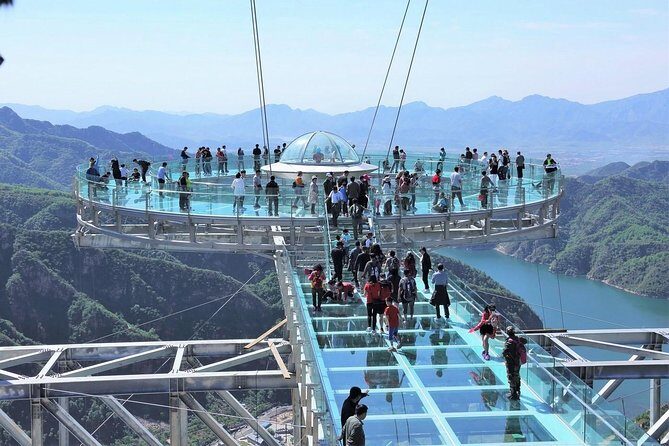
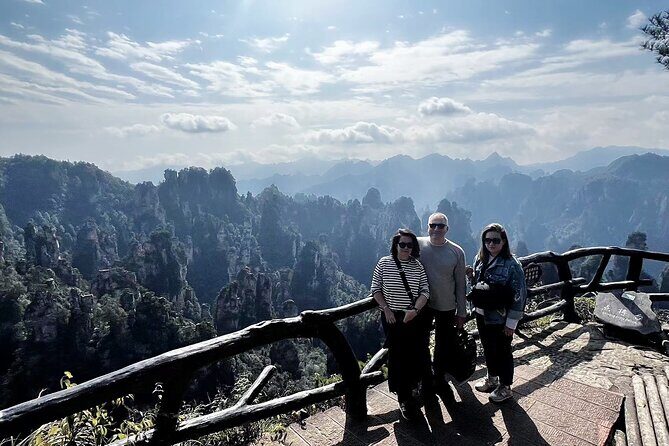
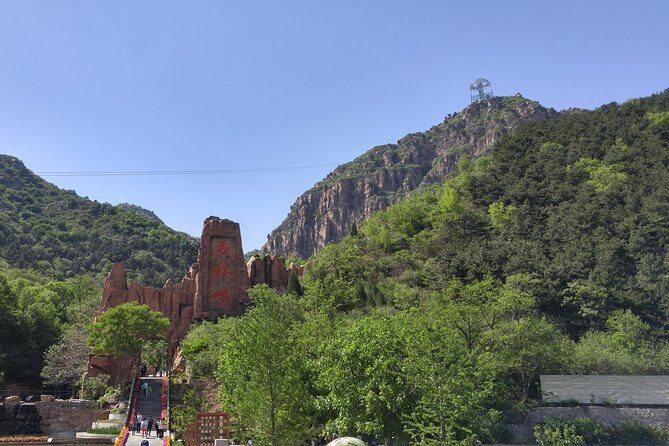
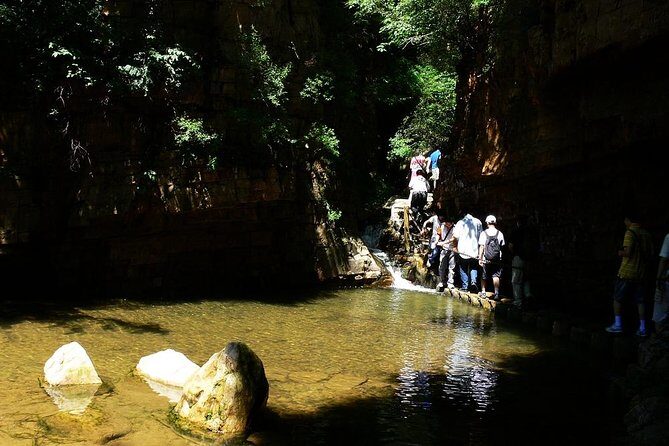
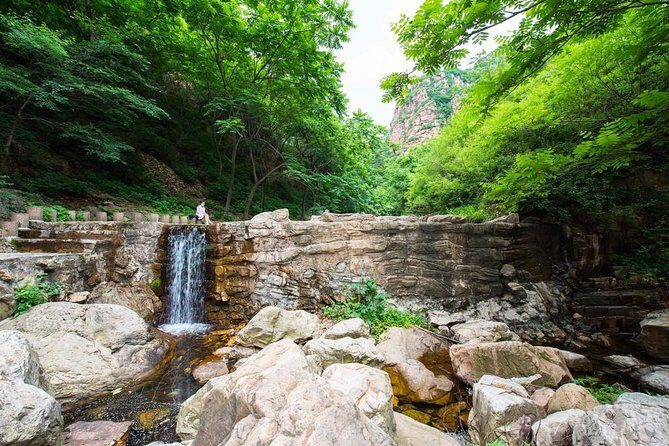
The Shilinxia portion starts with the journey into the gorge landscape. Your guide shares the story behind the stone formations, and you pass through valleys, rivers, pools, and waterfalls in the wider area. Whether you’re a big nature fan or not, the point is simple: you’re not walking on glass in an empty view. You’re walking above a deep, dramatic gorge system, which makes the whole effect more intense.
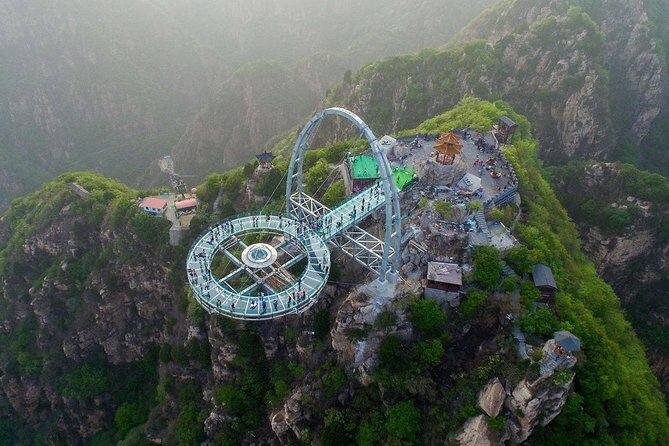
At the gateway, you’ll see strangely shaped rock formations before going up. Then comes the main event—access to the glass viewing deck. This deck is described as the largest in the world, and the numbers back up why people talk about it. It’s a circular glass platform that protrudes about 32.8 meters (107 feet) from the mountainside and hangs around 400 meters (1,300 feet) above the gorge.
That combination is important. A lot of high-deck attractions feel like they’re above a valley. Shilinxia feels like you’re above something thick and physical—the stone gorge is right there below you, with real depth. If you’re prone to vertigo, this is exactly the kind of setup that can turn a fun photo into an all-body reaction. If you’re okay with heights, it can feel like a sci-fi moment made real.
The Cable Car and the Stair Climb: Where Your Energy Gets Tested
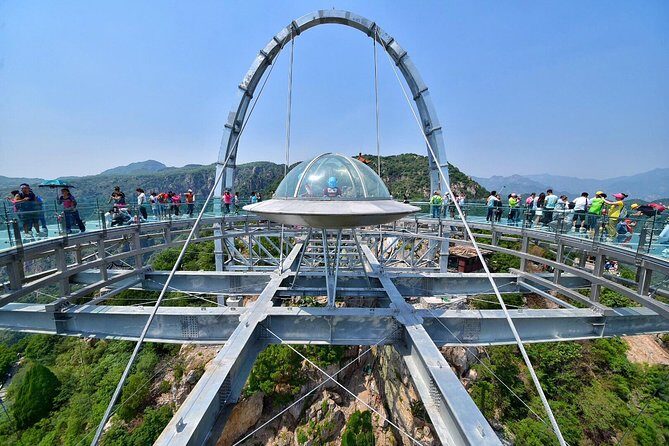
You ride a cable car partway up the mountain, and then you climb the remaining distance by stairs. The cable car is not included and is listed as your own expense, so I recommend budgeting for it up front mentally. Even without a price tag, the bigger takeaway is effort.
Shilinxia is a “cable car helps, but it doesn’t remove the climb” situation. You’ll still be walking up steps to reach the peak where the glass platform sits. One helpful way to think about this: treat it like a moderate hike with a guaranteed payoff photo moment at the end.
Then, once you’re at the platform, you put on shoe covers and walk onto the glass. That’s another practical detail you’ll want to respect. Shoe covers keep things safe and clean for the deck, but they also mean your footing may feel different from normal. Go slow and keep your eyes slightly ahead rather than staring straight down every few seconds.
If you’re traveling with grandparents, teens, or mixed fitness levels, you’ll likely be fine as long as everyone understands the pace is stair-based. The experience isn’t described as a long trek marathon, but it is active enough to matter.
Walking the Glass: Height Numbers That Help You Imagine It
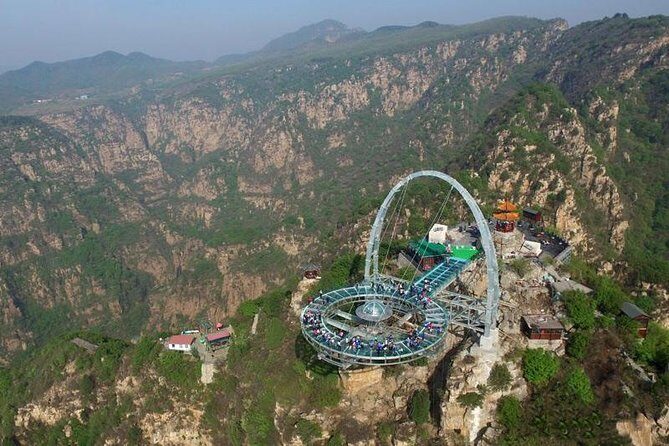
Here’s how the platform details translate into what you’ll feel. The deck is about 400 meters up, and it’s designed to extend outward dramatically—about 32.8 meters from the mountainside. On top of that, the platform is said to project about 11.4 meters (37 feet) further than the U.S. Grand Canyon Skywalk.
That extra overhang matters because it changes where your body “maps” the edge. You’re not just standing on a high surface; you’re stepping onto something that extends out so far it feels like a ledge suspended from nowhere. Some people love that sensation. Others hate it on sight.
The views from the glass are described as spanning the gorge base, plus landmarks including Jinhai Lake and Mount Pan. That means your brain isn’t limited to “height = danger.” You also get a reason to look out, because there’s stuff to track visually beyond the drop.
If you need a simple strategy, it’s this: walk your first few steps slowly, stop briefly if you feel shaky, and only start moving faster once you’re calm. The deck is meant to be walked, not raced.
Ming City Wall Park: A Restored 15th-Century Wall With Real Scars
After the gorge spectacle, you head to Beijing’s Ming City Wall Park. This part feels calmer by contrast, which I really appreciate on a day that starts with a major adrenaline hit.
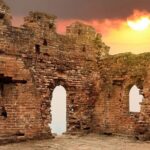
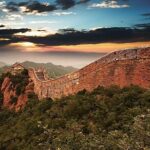
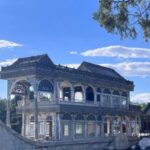
The park’s showpiece is the last remaining and restored section of the 15th-century wall that once encircled Beijing. You’ll see a stretch of about 2 kilometers (1.2 miles) of the wall. What makes this more than a photo stop is the physical detail you’re guided to notice—brickwork and bullet holes. Those marks change the tone from sightseeing to something closer to history you can touch.
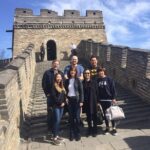
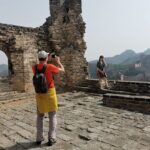
There’s also a climb to the Southeast Corner Watchtower. The tower comes with 144 arrow windows, and your guide walks you through what you’re seeing. That number is memorable because it gives you a way to visualize how fortified the structure was. Even if you don’t know much about military architecture, the windows help you understand function: this wall wasn’t decorative. It was built to watch and defend.
One practical note: you’ll likely climb stairs here too. If your legs are already tired from Shilinxia, pace yourself. Think of it as a second short ascent, not a casual stroll.

798 Art District (Optional): Trading Stone and Glass for Studios
Depending on your tour version, there’s an option to drive back into Beijing and add the 798 Art District. This stop is designed for a slower afternoon rhythm—browsing art studios, boutiques, and cafés, with time to look around at the area’s creative spaces.
If you include 798, it works as a reset after the countryside. Instead of towering heights and fortified walls, you get a different kind of structure: workshops and art spaces shaped by repurposed buildings and creative energy. Entry is listed as free, which also helps the day feel like good value.
This is also a nice move if you find yourself a bit overloaded by “big landmark, big views, big climb.” 798 lets you wander at your own speed, even if you still have a guide on the day.
Value and Price: What $248 Really Buys
At $248 per person, this tour isn’t cheap on its face. But the cost makes more sense once you break down what’s included and what’s private.
You’re paying for:
- Private air-conditioned transportation with central hotel pickup and drop-off
- Tickets that cover Shilinxia and the Ming City Wall Park
- Lunch at a Chinese restaurant and mineral water
- A guided day that handles the route so you’re not coordinating between distant stops
Add the time and distance outside Beijing, plus the fact that one of the destinations is a major attraction with a lot of footwork, and the price starts to look like you’re buying convenience and reduced stress.
That said, the cable car is listed as an extra expense. Also, if you’re the type who hates stairs, you could find the day less rewarding than you hoped. In that case, the price might feel steeper, because part of what you’re paying for is getting you to the top.
Another value clue: this tour is typically booked about 140 days in advance. That suggests demand is real—so if you have travel dates you care about, don’t wait until the last minute.
Timing: Why the Start Time Matters
The start time is 7:30 am, and that early kick is one of the practical advantages. Shilinxia is far enough from central Beijing that a later start can shrink your time at the platform and the wall. An early start also helps you dodge the busiest parts of the day at attractions that involve stairs and timed crowd flow.
Your full day runs about 9 hours. Within that, the schedule gives you a meaningful chunk of time at Shilinxia (around two hours with entry included), then less time at Ming City Wall Park (about 50 minutes with entry included). If you add 798, that’s roughly an extra hour and 10 minutes with free admission.
Weather and Planning: When Shilinxia Changes the Day
One non-negotiable planning fact: Shilinxia is not open during rainy days. Since you’re building your day around the glass platform, you should take weather seriously.
If rain is a possibility during your Beijing dates, it’s worth having flexibility in your schedule. If the glass deck can’t operate, it can change the shape of the day.
I also like that the provider has handled last-minute changes in the past, with prompt communication if road conditions shift plans. In practice, it means you’re not left in a fog if something changes on the ground.
Who This Tour Fits Best
This tour is a strong match if you want:
- A guided, private day without transit headaches
- The thrill of a glass walk far above a gorge
- A mix of modern engineering and Ming-era fortification
It may be less ideal if:
- You have a serious fear of heights and can’t calm yourself on exposure
- You don’t handle stairs well, since both Shilinxia and the watchtower involve climbing
If you’re traveling as a family, the experience can work for mixed ages because there are distinct stops—cable car, glass walk, then wall viewing. Just set expectations early about the stair component.
Should You Book This Shilinxia and Ming Wall Day?
I’d book it if you want a day that feels like Beijing beyond the usual city blocks. The glass platform is the kind of sight you remember because it’s built with numbers that translate into real physical sensation: 400 meters up, a deck that projects far out, and views that keep you looking beyond the drop.
I’d pass or choose a different plan if you’re not comfortable with heights or if the stair climb sounds like a deal-breaker. The tour is best when you treat it like a hands-on experience, not a sit-and-photos day.
One more practical call: if your travel dates include possible rain, plan for alternatives. The glass depends on weather, and that’s the one variable you can’t ignore.
FAQ
How long is the Shilinxia Glass Platform and Ming City Wall Park tour?
The tour lasts about 9 hours.
What’s included in the $248 per person price?
Your package includes entrance fees, mineral water, and lunch at a Chinese restaurant, plus private air-conditioned transportation and central hotel pickup and drop-off.
Is the cable car included in the Shilinxia part?
No. The cable car is listed as own expense, while the rest of the Shilinxia visit includes admission.
Does the tour include 798 Art District?
Some versions include an optional stop at the 798 Art District for an afternoon browsing session. Admission for 798 is listed as free.
Is Shilinxia open on rainy days?
No. Shilinxia is not open during rainy days.
Do I need my passport for this tour?
Yes. You should bring your passport for the tour.