One day is enough to start making sense of Chengdu. This private tour stacks the big cultural anchors—Jinsha Site Museum, People’s Park, and Chengdu classics—then finishes with food and a Sichuan Opera performance.
I like how the day blends high and low culture. The hot pot lunch feels like a Chengdu must, and People’s Park lets you slow down with locals singing, dancing, and playing cards or chess (with time for tea in a local teahouse).
One thing to keep in mind: the opera seats are assigned by the theater box office, so you won’t know where you’ll sit until closer to showtime. On the plus side, you’re in a private setup, and guides like Clark Cui (when assigned) tend to be careful, friendly, and heavy on practical city tips for after the tour.
In This Review
- Key things that make this tour work
- A well-paced Chengdu day built around logistics
- Jinsha Site Museum: ancient Shu culture with built-in context
- People’s Park in Chengdu: where locals reset their day
- Kuanzhai Alley: snacks and classic Chengdu building styles
- Wuhou Temple and Jinli Old Street: two must-dos, handled for you
- Food plan: hot pot lunch and a local Chinese dinner
- Sichuan Opera show: folk music, dance, and theater
- Price and value: what $275.65 is buying you
- Who this tour suits best (and who should rethink it)
- Quick prep checklist before you go
- Should you book this Chengdu history and culture tour?
- FAQ
- What time does the tour start, and how long is it?
- Is this tour private?
- What’s included in the price?
- Are entrance fees included?
- Is lunch and dinner vegetarian-friendly?
- How are opera seats handled?
- Does the tour use mobile tickets?
- Where does the tour begin and end?
- Is there a cancellation option if plans change?
- Is the tour physically demanding?
Key things that make this tour work
- Private guide + hotel pickup means you don’t spend your morning figuring out transfers
- Jinsha Site Museum built on Jinsha ruins gives context for the ancient Shu Kingdom capital story
- People’s Park is “watch life happen” time, not just another sightseeing stop
- Kuanzhai Alley is a simple walk for snacks and characteristic buildings
- Meals are included: hot pot lunch plus a Chinese dinner at a local restaurant
- Sichuan Opera show delivers folk music, dance, and theater without you having to plan tickets
A well-paced Chengdu day built around logistics
At a start time of 9:00 am and about 8 hours, this tour is designed for people who want structure. You get centrally located hotel pickup and drop-off, plus private transfer during the day, so you’re not wasting precious time bouncing between distant sites.
Because it’s private, the pace is easier to manage. If you want more tea time, or you’d rather move quickly through one stop to save energy for another, your guide can usually adjust. That matters in Chengdu, where summer heat and midday crowds can change how you feel about “one more place.”
Dress is smart casual, and you should have moderate physical fitness since you’ll be walking and moving between multiple areas. You’ll also be using a mobile ticket, which is typically less stressful than chasing paper tickets.
You can also read our reviews of more private tours in Chengdu


Jinsha Site Museum: ancient Shu culture with built-in context
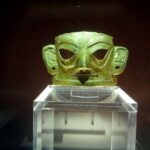
Jinsha Site Museum is the kind of stop where a guide really helps. You’re visiting a museum established on Jinsha ruins, and it focuses on ancient Shu culture in the Sichuan area during the Shang and Zhou dynasties. That’s a lot of time covered in a museum setting, and you’ll get more meaning out of it when someone is turning the lights on for you.
You’re allotted about 2 hours, and admission is included, so you can settle in instead of rushing because tickets aren’t covered. You’ll also get practical on-the-ground support. One of the standout points from real-world experience is that sites can be set up with helpful translation support at entrances, and facilities are typically available. I’d still treat museums like museums: wear comfortable shoes and expect some indoor walking.
Why this stop is worth your energy: it gives you the “why” behind Chengdu. Later stops feel more connected once you understand the ancient Shu Kingdom story rather than just collecting photos.
People’s Park in Chengdu: where locals reset their day
People’s Park (also called Renmin Park) is where you get to see Chengdu as a living city, not a staged one. The tour includes about 1 hour here, and entry is free.
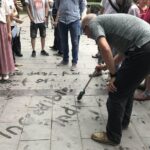
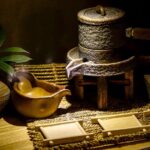
This is the part I love most for first-time visits because it’s simple and human. You can catch locals singing, dancing, playing cards, and chess, and it’s the rare “atmosphere stop” where you don’t have to force your attention. If you want a break, you can take advantage of the chance to get a cup of tea at a local teahouse and watch the day move at local speed.
It’s also a smart recovery stop. After a museum (more walking, more indoor time), People’s Park gives you a place to sit, reset, and avoid turning your one-day schedule into a full-on sprint.
Kuanzhai Alley: snacks and classic Chengdu building styles
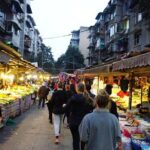
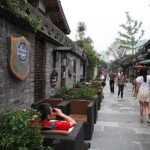
Kuanzhai Alley is a straightforward, pleasant walk—about 1 hour—with free admission. The focus here is the feel: you stroll through the alley, check out characteristic buildings, and you can taste local foods and snacks as you go.
This is the stop where you’ll likely want to slow down for photos, but you don’t need a plan. Let your nose lead a bit. You’ll also find it works well as a buffer between heavier cultural sites and the evening show.
The drawback: if you’re very food-sensitive or picky, alley snacks can be tempting but also a little chaotic. If that’s you, you’ll do best by deciding ahead of time whether you want to graze lightly or keep your snack budget modest.
Wuhou Temple and Jinli Old Street: two must-dos, handled for you
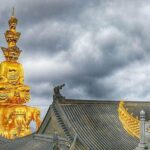
Your day doesn’t just stay in museums and parks. You’ll also visit Wuhou Temple and Jinli Old Street, both flagged as core Chengdu highlights.
What I appreciate about adding these is variety. Jinli Old Street gives you an old-street experience—again, the kind of place where you’re not just staring at structures, you’re moving through a lively corridor. Wuhou Temple adds a more formal cultural stop to balance the casual park time and the alley strolling.
Because the tour is private and the schedule is organized, you don’t have to worry about how to fit these into one day, especially if you’re trying to cover both daytime culture and evening entertainment.
Also, this tour is described as great value with entrance fees included. That matters because in China, ticket lines and individual ticket buying can eat time fast when you only have one day.
You can also read our reviews of more historical tours in Chengdu
Food plan: hot pot lunch and a local Chinese dinner
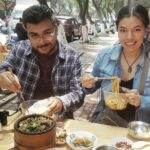
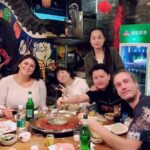
Food is a major reason to pick this kind of packed day. You get a hot pot lunch and a Chinese dinner at a local restaurant—both included.
If you’re a fan of mala (the spicy, numbing style), this is practically mission-based. Chengdu is known for it, and hot pot is a natural way to sample local flavor without having to search menus or translate spice levels.
There’s also a useful option baked into the planning: vegetarian options are available if you tell the operator when booking. That’s a big deal for a tour day, because dietary needs can get complicated fast when you’re moving between multiple stops.
One practical note: hot pot days can be heavy. So I’d keep your snack-hunting later in Kuanzhai Alley to a lighter pace, then save room for dinner and the opera evening.
Sichuan Opera show: folk music, dance, and theater
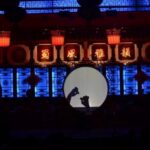
The evening highlight is a Sichuan Opera show, included as standard seating. Expect folk music, dance, and theater—a blend that feels distinct from Western stage performances.
You should know one detail before going in: seats are assigned by the theater box office and won’t be known in advance of the performance date. That means you can’t shop the show like a seat-selection theater in the West. Still, standard seating is included, so at least you’re not paying extra once you arrive.
This is one of those experiences that’s best when you go with a flexible mindset. Even if you can’t follow every word, the combination of music, movement, and staging usually carries you through. And you’ll be glad you don’t have to manage ticket logistics yourself.
Price and value: what $275.65 is buying you
At $275.65 per person, the price looks specific—so it’s fair to ask what you get for it.
Here’s what you’re paying for in real terms:
- A professional guide spending the full day with you
- Hotel pickup and drop-off (centrally located hotels)
- Private transfer during the tour
- Meals included: hot pot lunch + Chinese dinner
- Entrance fees included
- Sichuan Opera show included (standard seating)
- Tickets handled via mobile ticket
When you add those up, the money is really buying time and friction reduction. If you tried to stitch this together alone—museum tickets, transfers, restaurant timing, and opera scheduling—you’d spend most of your day managing logistics instead of enjoying Chengdu.
It’s also a nice fit for first-timers or anyone on a tight schedule. One day in Chengdu can either feel chaotic or feel focused. This format pushes it toward focused.
Who this tour suits best (and who should rethink it)
This one-day private day works well if you:
- Are visiting Chengdu for the first time
- Want history + everyday life in one package
- Prefer not to plan separate tickets, transport, and meal stops
- Like a guide who explains what you’re seeing and can offer tips for the rest of your trip
It may be less ideal if you:
- Want long, slow time at fewer sites. This is a “see a lot” day by design.
- Have zero flexibility around opera seating, since seats aren’t known in advance.
It also says it’s geared toward moderate physical fitness, so plan for walking and moving between areas.
Quick prep checklist before you go
A few practical things will make the day smoother:
- Wear smart casual clothes and comfortable shoes.
- If you want a vegetarian meal, request it when booking.
- Keep water handy. Even on a structured day, you’ll be out and about.
- The tour ends back at the meeting point, so plan to have your next plans ready for the day’s wrap time.
And if you like helpful city guidance, this is the kind of setup where you’ll likely get it. One example from a past guide experience is Clark Cui, who was noted as attentive, friendly, and detailed when explaining what you’re looking at, plus generous with suggestions for what to do on your own afterward.
Should you book this Chengdu history and culture tour?
If you only have a single day in Chengdu and you want it to feel organized—museum context, real local life in a park, classic streets, solid included meals, and a Sichuan Opera show—then I think this is a smart buy.
Book it if you value private guidance, hate ticket-and-transport puzzles, and want a day that covers both ancient roots and modern city rhythm. Skip it if you want a slower, lighter itinerary where you can linger for hours at one site. For most first-time visitors, though, this is the kind of plan that helps you get your bearings fast—without turning the trip into a checklist.
FAQ
What time does the tour start, and how long is it?
The tour starts at 9:00 am and runs for about 8 hours.
Is this tour private?
Yes. It’s described as a private tour/activity, meaning only your group participates.
What’s included in the price?
The included items are hot pot lunch, a Chinese dinner, a Sichuan Opera show (standard seating), a professional guide, hotel pickup and drop-off, and private transfer, along with relevant entrance fees.
Are entrance fees included?
Yes. The tour highlights it as a good-value option that includes entrance fees.
Is lunch and dinner vegetarian-friendly?
A vegetarian option is available, but you need to advise at booking if required.
How are opera seats handled?
Seats are assigned by the theater box office, and you won’t know the seat details in advance of the performance date.
Does the tour use mobile tickets?
Yes. It includes mobile ticket information.
Where does the tour begin and end?
It starts in Chengdu and ends back at the meeting point.
Is there a cancellation option if plans change?
Yes. Free cancellation is available up to 24 hours in advance for a full refund.
Is the tour physically demanding?
It suggests moderate physical fitness is enough for the experience, with walking between multiple stops.