REVIEW · CHENGDU
Chengdu: Sichuan Museum – Cultural and Historical Heritage
Book on GetYourGuide →Operated by PANDA144 experience · Bookable on GetYourGuide
Sichuan Museum is a culture workout. One day here packs in ancient art, regional history, and big-name Chinese treasures, all in a well-run setting with free permanent entry.
I especially love how easy it is to get in and start exploring. The museum includes free admission to the permanent exhibitions and even offers free guided tours, so you’re not stuck wandering without direction.
One thing to plan for: you must reserve an entry time slot (09:00–12:00 or 12:01–16:00) and you’ll need your passport details for verification. Miss that prep step and you can lose your booking.
In This Review
- Key things that make this visit worth your time
- Sichuan Museum at a glance: big collections for a tiny price
- Booking and time slots: the easiest way to avoid a headache
- What you’ll see inside: bronzes, ceramics, calligraphy, and Thangka
- Sanxingdui artifacts and Han stone carvings: the two anchors you shouldn’t skip
- Zhang Daqian artwork: why one name can change your viewing mood
- How to pace a one-day museum visit without tiring out
- Souvenir shop and tearoom: small comforts that make the day work
- The practical value: what’s included, what might cost extra
- Who should book this museum stop, and who might reconsider
- Should you book? My honest recommendation
- FAQ
- How much does the Sichuan Museum experience cost?
- How long is the visit?
- What is included with the booking?
- Do I need to choose an entry time slot?
- Why do I need my passport details?
- The QR doesn’t work for me—what should I do?
- Are special exhibitions included?
- What should I bring, and are pets allowed?
- Is free cancellation available?
Key things that make this visit worth your time
- 300,000+ artifacts across bronze, ceramics, calligraphy, and Thangka paintings
- Free guided tours that help you connect objects to Sichuan’s story
- Sanxingdui site artifacts that give you a real sense of ancient Sichuan’s importance
- Han dynasty stone carvings for a strong “how China looked back then” anchor
- Zhang Daqian artwork to see how later talent links to older traditions
- Roomy museum feel plus a souvenir shop and tearoom for breaks
Sichuan Museum at a glance: big collections for a tiny price
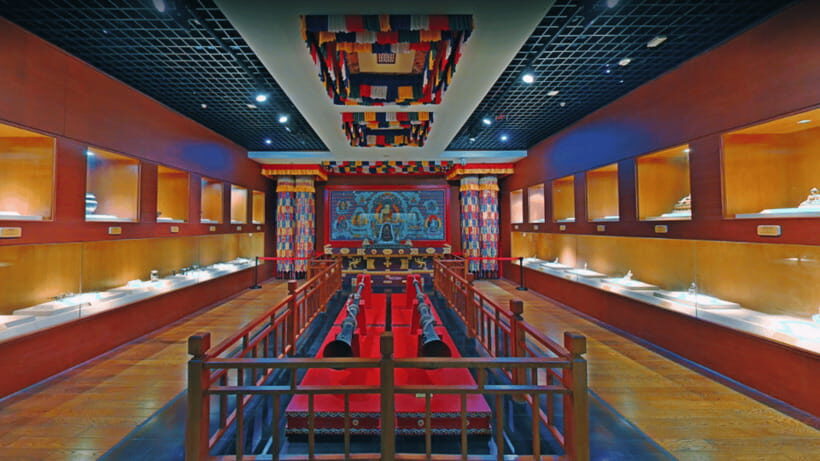
For $5, you’re not just paying for access. You’re buying a full day of museum time where the centerpiece—permanent exhibitions—comes with free admission. That value matters, because museum tickets can balloon fast once you’re in China, especially if you start adding special shows.
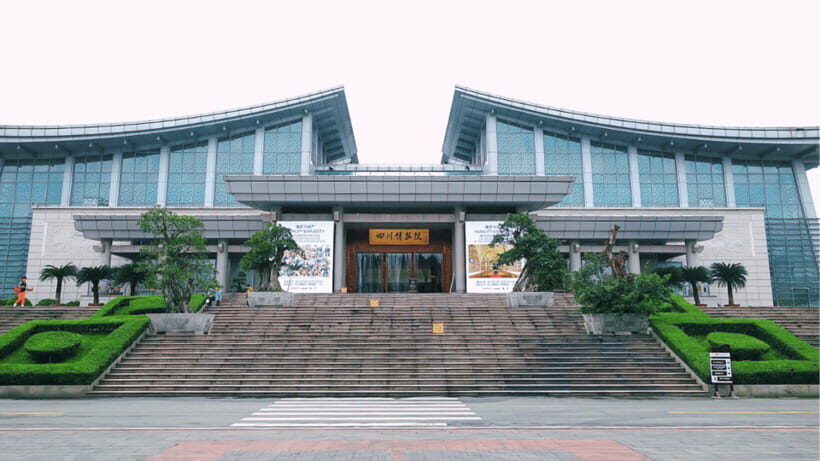
The Sichuan Museum is one of Southwest China’s most important cultural institutions. Founded in 1941, it’s home to over 300,000 artifacts, so even if you’re not a hardcore history person, you can still find clear “wins” in an afternoon.
What makes it feel practical is the way it’s set up for real viewing. There are enough objects and variety that you can tailor your pace: skim and pick highlights, or slow down and take notes as you go.
You can also read our reviews of more historical tours in Chengdu
Booking and time slots: the easiest way to avoid a headache
Your biggest planning job is the entry slot. You must reserve a specific time window: 09:00–12:00 or 12:01–16:00. Try to match it to your energy level—morning works well if you like a clean start. Afternoon is fine if you want a calmer day in Chengdu first.
There’s also passport verification. You’re asked to send your full name exactly as it appears on your passport, plus your passport number. If those details arrive late, the booking may be canceled and a cancellation fee can apply.
One more small snag: the GetYourGuide QR is not valid in this setup. You’ll need to communicate with the provider or wait for the email instructions they send. It’s not scary, just annoying—so I’d handle it early, before the day you want to enter.
What you’ll see inside: bronzes, ceramics, calligraphy, and Thangka
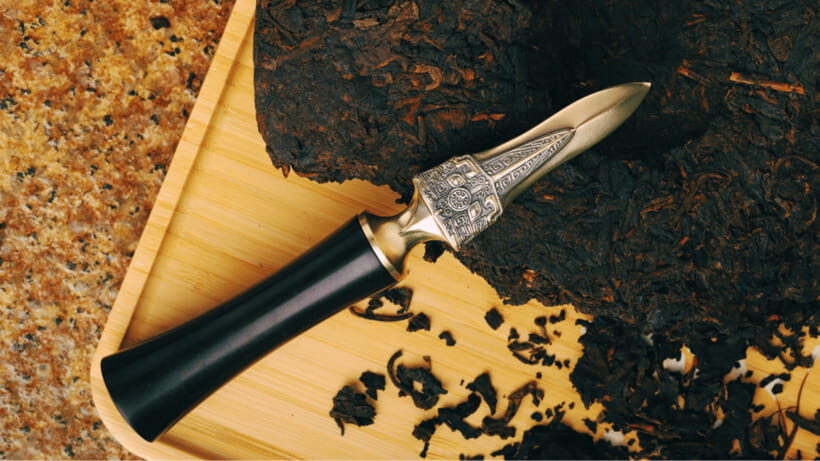
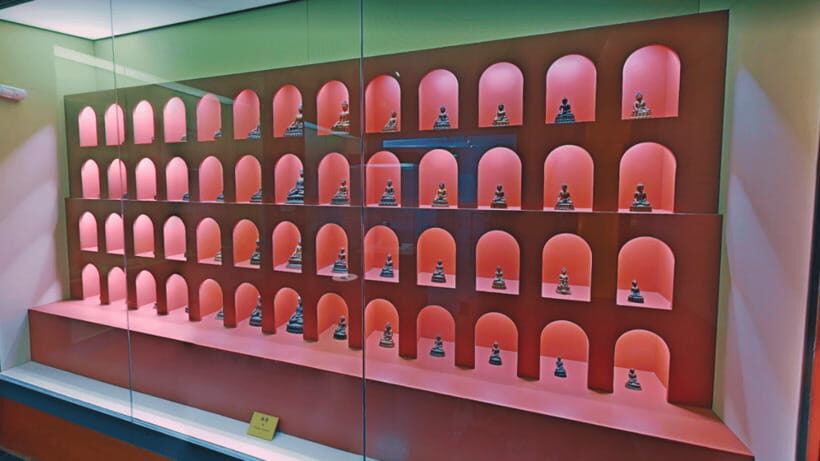
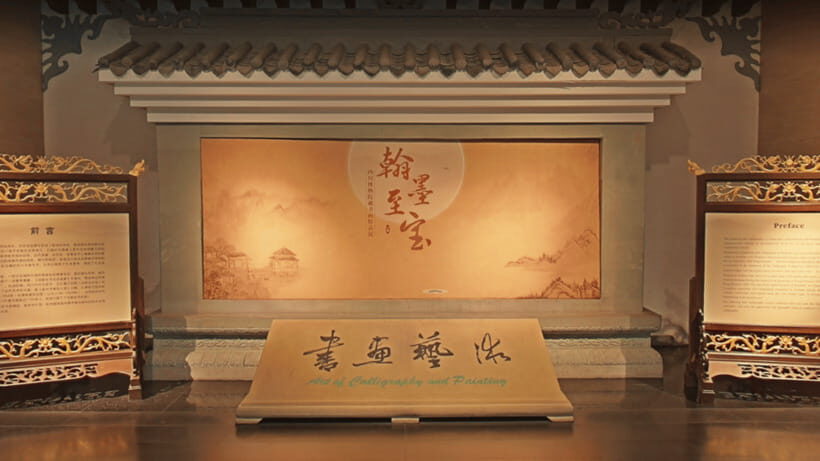
This museum is built around objects you can actually look at, not just read about. If you’re into craftsmanship, you’ll likely gravitate toward bronze pieces, ceramics, and calligraphy—the kind of materials that reward even a short visit.
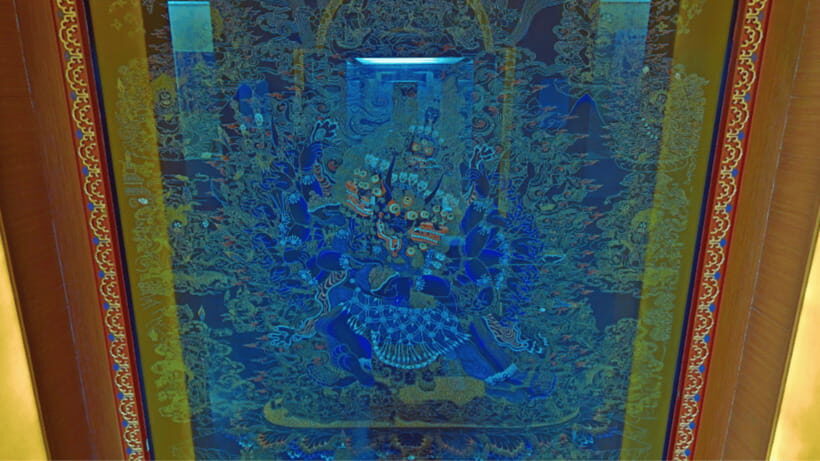
The museum also includes Tibetan Thangka paintings. That adds a different visual language to the mix, so you’re not stuck in one single “China-only” style of art. It’s a useful reminder that regional culture in Sichuan connects to broader traditions across China’s western regions.
You’ll also find clear exhibition themes that tie collections back to Sichuan Province and China’s history. If you’ve ever walked through a museum and felt like the rooms were random, you’ll appreciate that these displays are organized to help you understand why the objects belong together.
Sanxingdui artifacts and Han stone carvings: the two anchors you shouldn’t skip
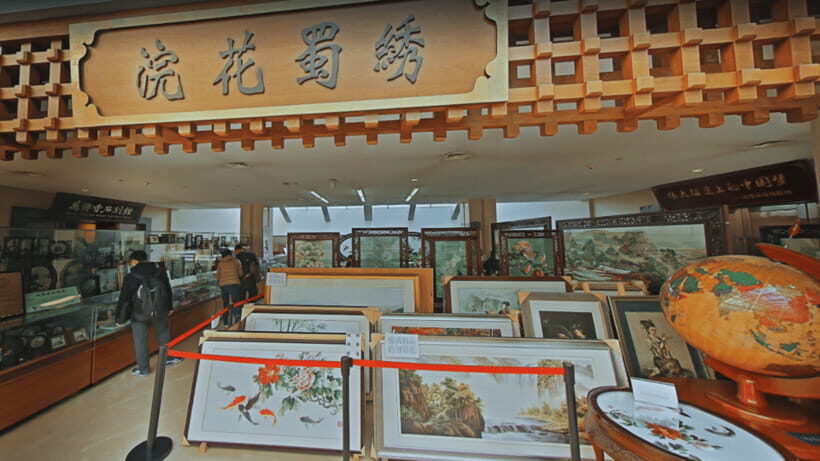
If you want a fast route to meaning, focus on the museum’s major Sichuan anchors.
First are artifacts tied to the Sanxingdui site. Sanxingdui is one of those “how is this real?” moments for many people because it challenges your expectations of what ancient China looked like. Seeing those artifacts in a museum setting helps you connect scale, material, and style—without needing to be a specialist.
Second are Han dynasty stone carvings. These give you an alternate anchor: they’re closer in time than some other ancient materials, and they often feel more “human” in the way scenes and motifs communicate. Together with bronzes and ceramics, they help you track change across eras.
If you’re short on time, treat those two themes as your backbone. You can build the rest around them.
Zhang Daqian artwork: why one name can change your viewing mood
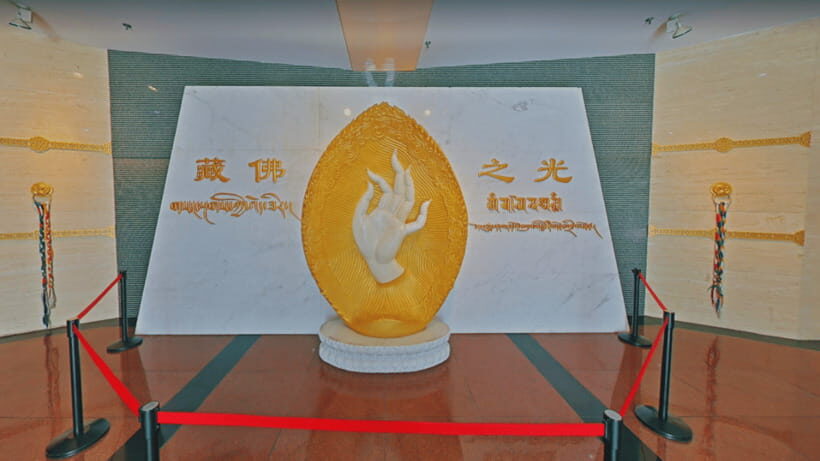
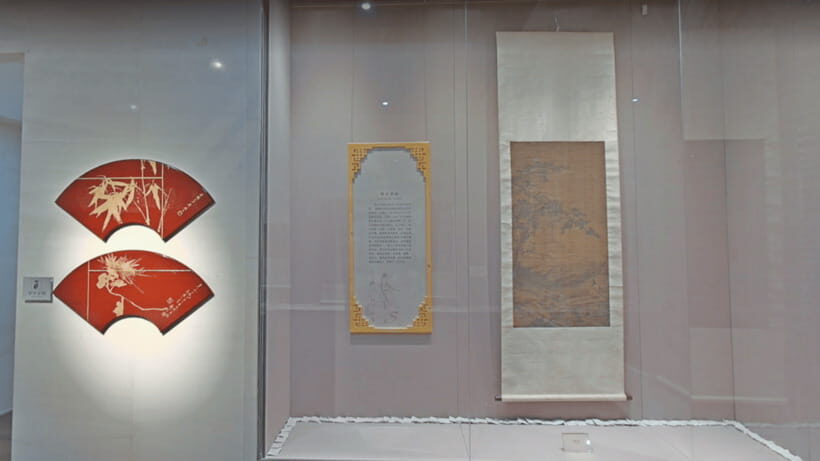
One of the highlights is Zhang Daqian’s artwork. Seeing his work in this museum context isn’t just about one artist. It’s about how later creators shaped how earlier art was remembered and reused.
This matters if you tend to think of “ancient art” as fixed and far away. Zhang Daqian’s presence makes the story feel more continuous. Even if you only spend a few minutes here, it can shift how you look at the older pieces around him—suddenly you’re thinking about tradition, technique, and interpretation, not just age.
And if you’re traveling with people who aren’t obsessed with history, a named highlight like Zhang Daqian can be a bridge. It gives them a clear stopping point.
You can also read our reviews of more museum experiences in Chengdu

How to pace a one-day museum visit without tiring out
You have one day, but you don’t need to treat it like an all-day punishment. With a time-slot entry, you can plan a smart rhythm.
I’d do this in three passes:
- First pass: highlight hunting. Walk the galleries and aim for the biggest named areas and object types you care about most (bronze, ceramics, calligraphy, and Thangka).
- Second pass: pick two themes. For example, Sanxingdui + Han stone carvings, or calligraphy + related regional displays.
- Third pass: slow look. Return to your favorites and spend time with details. Cameras help, but don’t rely on photos to replace seeing.
The museum’s layout tends to feel spacious, which is great when you’re trying to keep momentum. You’re less likely to feel squeezed, so you can stop and start without losing your flow.
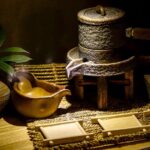
Also, there’s a souvenir shop and a tearoom. Those sound like small extras, but they’re actually useful. Museum fatigue sneaks up fast; a short sit-down break helps you keep your brain from turning into a blur.
Souvenir shop and tearoom: small comforts that make the day work
One of the pleasant surprises is the souvenir shop. It’s not just an afterthought. When you buy something small and meaningful, it helps you remember what you saw later—especially if you liked a particular object type.
The tearoom is a nice reset too. A quick drink or snack keeps your energy steady, so you can keep working through the collections without feeling drained.
If you’re traveling with kids or family members who get bored fast, these stops can save the day. Even a short pause can bring attention back.
The practical value: what’s included, what might cost extra
This experience includes:
- Free admission to the museum’s permanent exhibitions
- Access to historical and cultural artifact displays
- Museum-provided free guided tours
That’s the key value. A guided element helps you connect objects to history without needing to read every label.
One possible extra cost: certain special exhibitions may require a separate ticket. The permanent exhibitions are where your money should go first, because that’s where the included value is strongest.
If you’re traveling on a budget, decide ahead of time whether you want to chase special exhibitions. If not, you’ll still get a full museum day from the permanent collections.
Who should book this museum stop, and who might reconsider
This is a great fit if you:
- love Chinese art and want to see major materials like bronzes, ceramics, and calligraphy
- want a museum day that connects objects to Sichuan’s identity
- prefer guided context but don’t want to pay extra for it
- appreciate religious art variety, including Tibetan Thangka paintings
It may be less ideal if you:
- only want quick entertainment and don’t care about long museum viewing
- hate any time-slot systems (because you do need to pick one)
- don’t want to deal with passport verification steps
If you’re a “one and done” museum visitor, you can still make this work. Focus on Sanxingdui artifacts, Han stone carvings, and Zhang Daqian’s artwork, then let the rest be optional.
Should you book? My honest recommendation
Book it if you want high cultural value for low cost and you like museums that help you build context, not just stare at objects. The combination of free permanent entry and free guided tours makes it easier to get the most out of your limited time in Chengdu.
Think twice if you’re the type who hates planning. The time-slot requirement and passport verification aren’t hard, but they do require you to be on top of details—especially with the QR not being valid here.
If you can handle that small admin task, this museum day is an efficient way to understand Sichuan beyond pandas and street snacks.
FAQ
How much does the Sichuan Museum experience cost?
The price is listed as $5 per person.
How long is the visit?
This is a 1-day experience.
What is included with the booking?
You get free admission to the permanent exhibitions, access to historical and cultural artifact displays, and access to museum-provided free guided tours.
Do I need to choose an entry time slot?
Yes. Entry requires a reserved time slot: 09:00–12:00 or 12:01–16:00.
Why do I need my passport details?
You’re asked to send your full name as it appears on your passport and your passport number for verification. If the details aren’t received on time, the booking may be canceled with a cancellation fee.
The QR doesn’t work for me—what should I do?
The GetYourGuide QR is not valid for this experience. You should communicate with the provider or wait for their email instructions.
Are special exhibitions included?
Permanent exhibitions are included with free admission, but certain special exhibitions may require a separate ticket.
What should I bring, and are pets allowed?
Bring your passport, wear comfortable shoes, and bring a camera. Pets are not allowed.
Is free cancellation available?
Yes. You can cancel up to 24 hours in advance for a full refund.