REVIEW · CHENGDU
Chengdu: Wuhou Shrine Museum From Three Kingdoms Era
Book on GetYourGuide →Operated by PANDA144 experience · Bookable on GetYourGuide
Three Kingdoms history, in Chengdu. This Wuhou Shrine Museum visit is a focused look at the world of Shu Han through shrine, exhibitions, and old-school architecture. It’s a great one-day way to connect the famous names to real objects and spaces you can walk through.
I particularly like the museum’s clear dedication to Zhuge Liang and Liu Bei, since it keeps the story from feeling random. I also like that your admission includes viewing the site’s historical relics and ancient-style red-walled surroundings, plus free guided services.
One consideration: it’s primarily a history-and-objects stop. If you’re chasing shopping stops or modern-city vibes, you’ll likely want to pair this with something else before or after.
In This Review
- Key Points to Know Before You Go
- Three Kingdoms Powerhouses: Zhuge Liang and Liu Bei at Wuhou Shrine
- What the $17 Ticket Covers at the Wuhou Shrine Museum
- Walking the Red-Walled Grounds and Finding the Main Exhibits
- Artifacts, Statues, and Relics: How Shu Han Culture Comes Through
- Photo Stops and Scenic Breaks Without Turning It Into a Photo Tour
- Practical Tips: Booking Needs a Passport, and QR Codes Don’t Apply
- Timing Your 1-Day Visit in Chengdu
- Who This Wuhou Shrine Museum Visit Suits Best
- Should You Book This Wuhou Shrine Museum Visit?
- FAQ
- How much does the Wuhou Shrine Museum experience cost?
- How long is the experience?
- What’s included with admission?
- What is not included in the price?
- Do I need to send passport details to complete the booking?
- What should I bring with me?
- Are pets allowed?
- Who can enter for free without reservation?
- Is there free cancellation?
- Does the ticket include line skipping?
Key Points to Know Before You Go
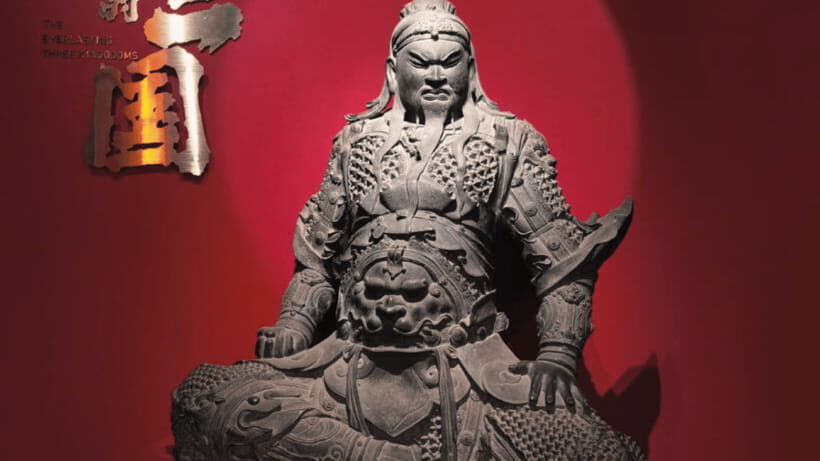
- Three Kingdoms focus: The museum centers on Shu Han culture tied to Zhuge Liang and Liu Bei.
- What’s included in your ticket: Admission to Three Kingdoms exhibitions and access to historical relics and ancient architecture.
- Photo-friendly setting: Ancient red-walled architecture and lush landscape views make it easy to shoot nice photos.
- Shortcut perk: Your option includes skipping the ticket line.
- Bring the right documents: You’ll need your passport details to complete booking.
Three Kingdoms Powerhouses: Zhuge Liang and Liu Bei at Wuhou Shrine
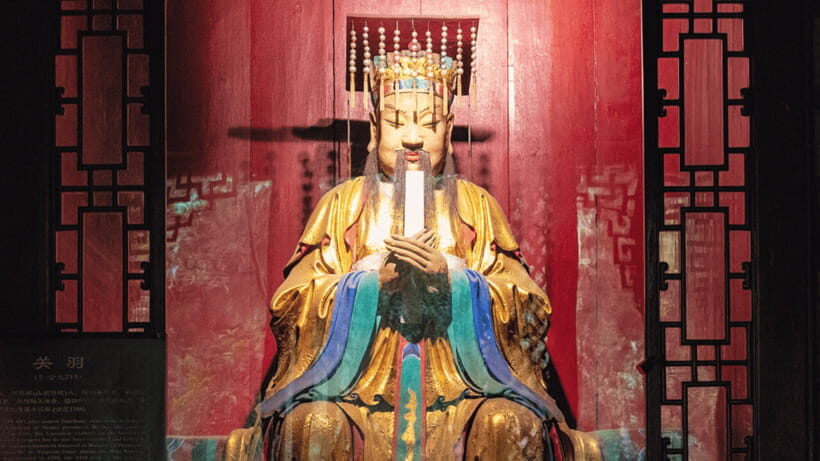
If you’ve ever read or heard about the Three Kingdoms era, you already know the names. What you may not expect is how much calmer it feels when those stories are anchored in one place like Wuhou Shrine Museum in Chengdu.
This site is dedicated to Zhuge Liang and Liu Bei. That matters because it gives you a clear anchor for the whole visit. Instead of wandering through disconnected displays, you’re following the cultural impact of Shu Han—through artifacts, statues, and historical relics tied to the Three Kingdoms era.
I like how the museum doesn’t try to be a theme park. It feels like a historical place that happens to have exhibitions inside it, which makes the experience feel more grounded and easier to connect with.
You can also read our reviews of more museum experiences in Chengdu
What the $17 Ticket Covers at the Wuhou Shrine Museum
At $17 per person for a 1-day visit, this ticket is good value if you want the core sights without extra add-ons. You’re paying for admission to the Three Kingdoms exhibitions, plus time to view historical relics and the ancient architecture on site.
You also get free guided services. Even if you don’t need a long explanation for everything, a guide can help you focus on what the museum is trying to communicate. That’s usually the difference between looking at objects and actually understanding why they’re there.
And yes, the ticket is designed to be convenient. It includes skipping the ticket line, which is a real win when you’re trying to fit a lot into a single day in Chengdu.
What’s not included is equally important. You’ll cover food and souvenirs on your own, and any special exhibitions may come with additional fees. So if your priorities are strictly the main Three Kingdoms exhibitions, you can keep your spending simple.
Walking the Red-Walled Grounds and Finding the Main Exhibits
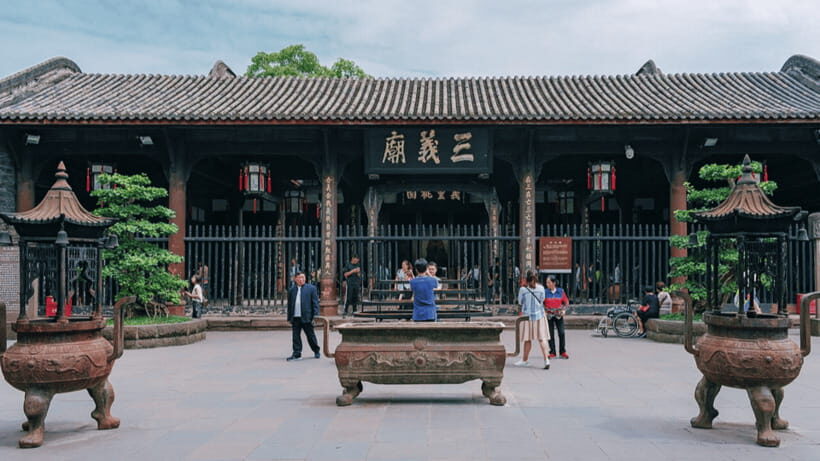
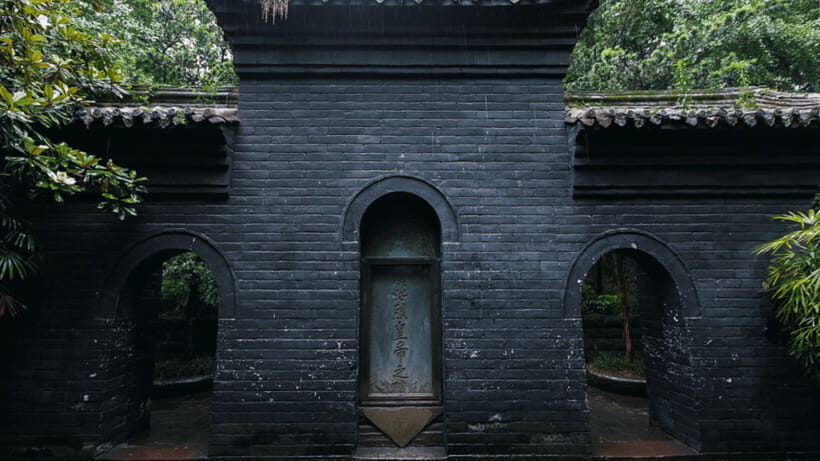
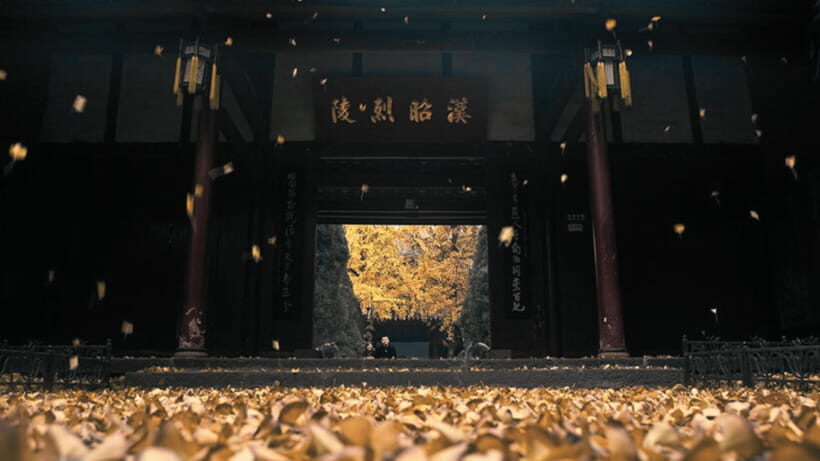
The museum sits in a setting with ancient red-walled architecture and lush outdoor scenery. That combination matters because it gives you more than “museum room” time. You get transitions—between exhibits and the atmosphere of the shrine grounds—so the visit doesn’t feel like a nonstop indoor slog.
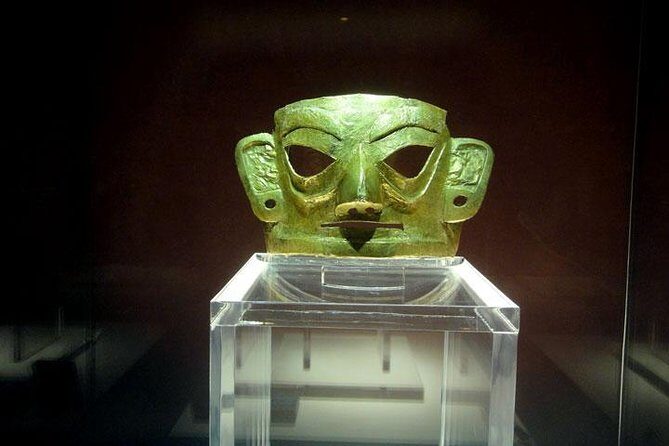
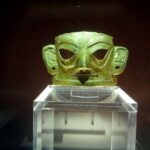
As you move around, expect to see exhibits that detail Shu Han culture and the Three Kingdoms era. The key word here is detail. The museum includes artifacts, statues, and historical relics, and the way they’re arranged helps you build a story rather than just collect trivia.
A practical tip: wear comfortable shoes. You’ll be on your feet for a full museum-style day, and the grounds are part of the experience. A camera also helps, since the red walls and greenery offer plenty of photo angles without you needing to hunt too hard.
Artifacts, Statues, and Relics: How Shu Han Culture Comes Through
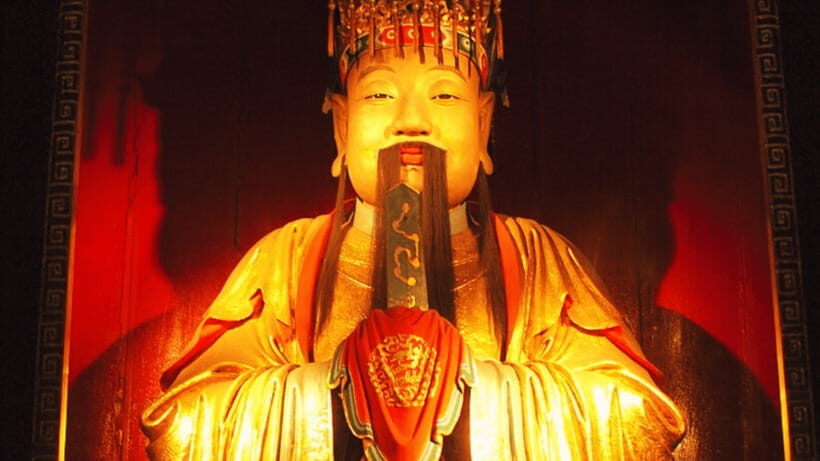
This is the heart of why I think the Wuhou Shrine Museum is worth your time. The museum is set up to show the cultural impact of Shu Han Dynasty through objects—things you can see and read at your own pace.
When a museum centers on a specific historical frame—here, the Three Kingdoms era linked to Shu Han—it tends to make the details easier to hold onto. You’re not bouncing between unrelated time periods. You’re building one coherent view around Zhuge Liang and Liu Bei.
The museum also calls out its importance as one of China’s cultural heritage sites. That doesn’t mean it’s automatically the “best” museum you’ll ever see, but it does suggest the objects and setting are treated with care. For history fans, that’s a big part of the value.
If you’re not a deep history person, you can still enjoy it. You don’t need a degree to appreciate why statues, relics, and exhibits were chosen. The site is organized around the key players and the cultural meaning around them.
Photo Stops and Scenic Breaks Without Turning It Into a Photo Tour
One of the highlights is the chance to take photos of the ancient red-walled architecture and the lush landscape around the museum. That’s not just a nice-to-have. It changes how you experience the place.
When the grounds look good, you tend to slow down. You pause in the right spots. You notice details you’d otherwise rush past. And because you’re in Chengdu for a day, those breaks help the museum feel more like a full outing and less like a checkbox.
I’d treat your camera time as part of your pacing. Don’t try to get everything in five minutes. Instead, pick a few moments—red walls, shrine-like structures, and outdoor views—and then return to exhibits with better focus.




Practical Tips: Booking Needs a Passport, and QR Codes Don’t Apply
This experience is run by PANDA144, and there are a couple of practical items that can affect your day.
First, the QR code you get through Get Your Guide is not valid for this booking. The instructions say you should communicate with the provider or wait for an email. To complete the booking, you’ll need to send your full name exactly as it appears on your passport and your passport number. If the name and passport number aren’t received on time, the booking can be canceled and a cancellation fee may apply.
That’s the kind of thing that’s easy to miss in the excitement of planning, so I’d do it early. Send the details right away so you don’t end up scrambling later.
Second, bring a passport, comfortable shoes, and a camera. Pets aren’t allowed. So if you’re planning around a companion animal, you’ll need to make other arrangements.
Finally, the ticket includes skip-the-ticket-line access. That’s helpful because it can save time at entry, letting you spend more of your day where it counts: in the exhibitions and on the shrine grounds.
Timing Your 1-Day Visit in Chengdu
This is a 1-day experience, and availability depends on starting times. If you’re traveling around weekends or holidays, booking in advance is recommended. On busy days, it’s smart to treat this like a scheduled stop rather than something you’ll casually “fit in.”
Think about how this museum fits your day. It works especially well as a morning or early afternoon anchor, since it’s a structured place with exhibits and then scenic areas outside. After that, you can pivot to whatever Chengdu mood you want next—food, markets, or neighborhoods—without feeling like the whole day depends on one museum.
Also, consider the visitor rules. Seniors over 60 years and children under 1.3m can enter free without reservation. Even if you’re in a free category, I’d still check the process so you don’t end up with surprises.
Who This Wuhou Shrine Museum Visit Suits Best
This is a strong match for people who want a concentrated look at the Three Kingdoms era in a way that feels physical and place-based. If you like museums that connect famous names—here Zhuge Liang and Liu Bei—to artifacts and historical relics, you’ll probably enjoy this.
It’s also a great fit if you’re traveling with someone who loves photos. The mix of red-walled architecture and greenery makes it easy to get memorable shots without constantly moving between far-off viewpoints.
If you’re more into modern Chengdu culture, shopping, or nightlife, you can still go—but you may want to plan it alongside other activities so the day has variety. This museum isn’t trying to replace a whole city experience. It’s trying to give you one focused, meaningful stop.
Should You Book This Wuhou Shrine Museum Visit?
I’d book it if you want a one-day, ticketed experience that gives you admission to the main Three Kingdoms exhibitions plus access to historical relics and ancient architecture. The $17 price makes sense here because it includes line skipping and free guided services, which reduces wasted time and helps you get more out of what you’re seeing.
Skip booking if you mainly want modern entertainment or shopping. Also, if you’re the type who forgets admin details until the last minute, be extra careful with the passport-name and passport-number requirement, since the QR code approach here doesn’t work like a typical instant ticket.
If you’re aiming for a calm, history-centered Chengdu day with good photo opportunities and a clear focus on Shu Han culture, this is a solid choice.
FAQ
How much does the Wuhou Shrine Museum experience cost?
The price is $17 per person.
How long is the experience?
It’s listed as a 1-day activity.
What’s included with admission?
Admission includes Three Kingdoms exhibitions, viewing historical relics and ancient architecture, and free guided services.
What is not included in the price?
Food and souvenirs are not included, and there may be additional fees for special exhibitions.
Do I need to send passport details to complete the booking?
Yes. You need to send your full name as it appears on your passport and your passport number. If those details aren’t received on time, the booking can be canceled with a cancellation fee.
What should I bring with me?
Bring your passport, comfortable shoes, and a camera.
Are pets allowed?
No, pets are not allowed.
Who can enter for free without reservation?
Seniors over 60 years and children under 1.3m can enter free without reservation.
Is there free cancellation?
Yes, you can cancel up to 24 hours in advance for a full refund.
Does the ticket include line skipping?
Yes, it includes skipping the ticket line.