REVIEW · SHANGHAI
Shanghai: 3-Hour Local Food Tasting Tour
Book on GetYourGuide →Operated by Shanghai Foodie · Bookable on GetYourGuide
Dumpling soup leads the way in Shanghai. This 3-hour local food tasting hops through real neighborhood spots, starting in Xintiandi for some of the city’s best dumpling soup and finishing with a proper tea moment like Longjing green tea or Fujian black tea. Guides such as Jade (and also Yu, TJ, and Curt in recent groups) turn what could be a simple snack run into a walk with context—why people eat what they eat.
I also like the way the route quietly teaches the city: you’ll walk along Yunnan Road and feel the shift from the French Concession vibe to shikumen-style buildings, where Western and Chinese influences show up side by side. The stops are spread across 3 restaurants plus a dessert shop on Huaihai Road, so you get variety without racing around.
One possible drawback: you need to come hungry. This tour is built for full portions, and by the end you may feel like you overdid it in the best possible way, especially if you’re a light eater or try to nibble beforehand.
In This Review
- Key things that make this tour worth your time
- Where you start matters: lining up at South Huangpi Road
- The Xintiandi start: dumpling soup first, questions later
- Yunnan Road walk: the city changes as you walk
- Huaihai Road: three restaurants plus dessert shop
- Stop 1: classic Shanghai starters that set the tone
- Stop 2: noodles and sauces you’ll remember after the tour
- Stop 3: sweet and savory combos that feel very Shanghai
- Dessert shop: the finish line
- Tea time: Longjing green tea or Fujian black tea
- What dishes you should expect (so you don’t get surprised)
- Skip-the-line entry and why it saves your energy
- Pace and timing: 3 hours is short, so the tour stays focused
- Price vs. value: is $79 for 3 hours a fair deal?
- Who this tour fits best
- Should you book this Shanghai food tasting tour?
- FAQ
- How long is the Shanghai local food tasting tour?
- How much does the tour cost?
- What’s included in the ticket price?
- What is not included?
- Where do I meet the guide?
- Is skip-the-line access included?
- What languages are available for the guide?
- Is the tour wheelchair accessible, and are there luggage limits?
- Can I get a full refund if I cancel?
Key things that make this tour worth your time
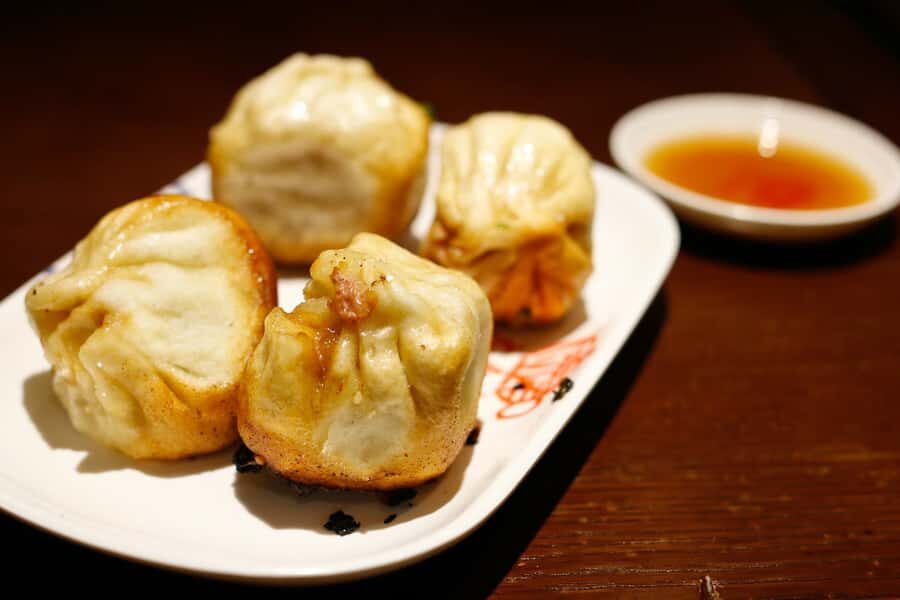
- Xintiandi opening bite: dumpling soup that sets the tone fast
- A walk with real Shanghai texture along Yunnan Road and Huaihai Road
- 3 restaurant stops plus dessert so you get variety, not just one “main”
- Tea included with choices like Longjing green tea or Fujian black tea
- Shikumen architecture sightings as you move between neighborhood eras
Where you start matters: lining up at South Huangpi Road
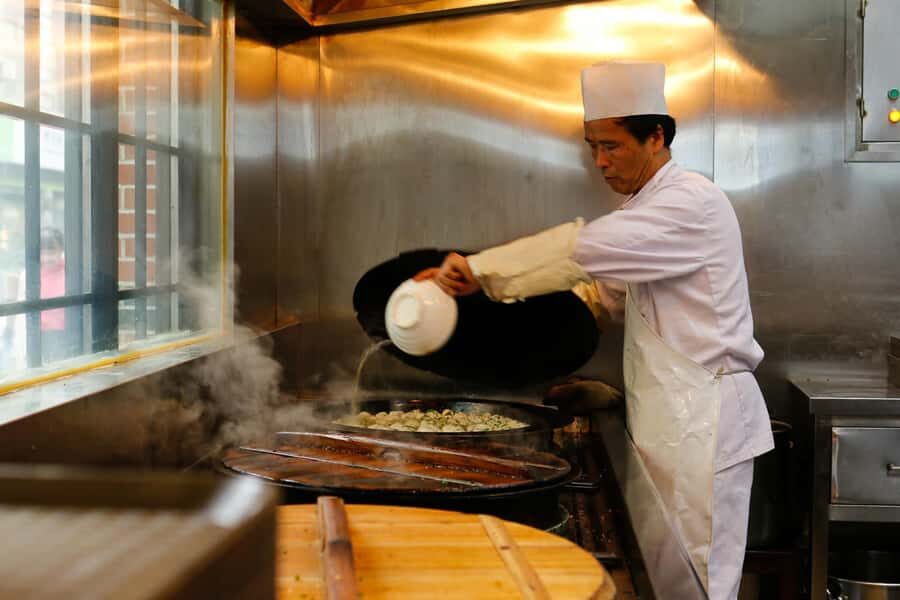
The meeting spot is specific, and you’ll want to find it without drama. Meet at exit 2 of South Huangpi Road station on Shanghai Metro Line 1 (地铁一号线一大会址-黄陂南路站二号出口). Your guide will be waiting right at the spot.
If you prefer a taxi handoff, aim for No. 333 Huaihai Road in front of Xintiandi Plaza (新天地广场正门口). That’s a helpful backup plan if transit feels crowded or you’re short on time.
This start location is smart for the tour’s flow. You’re positioned to get into the central food streets quickly, without wasting the short 3 hours on long transfers.
You can also read our reviews of more food & drink experiences in Shanghai
The Xintiandi start: dumpling soup first, questions later
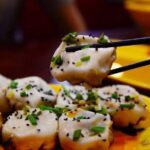
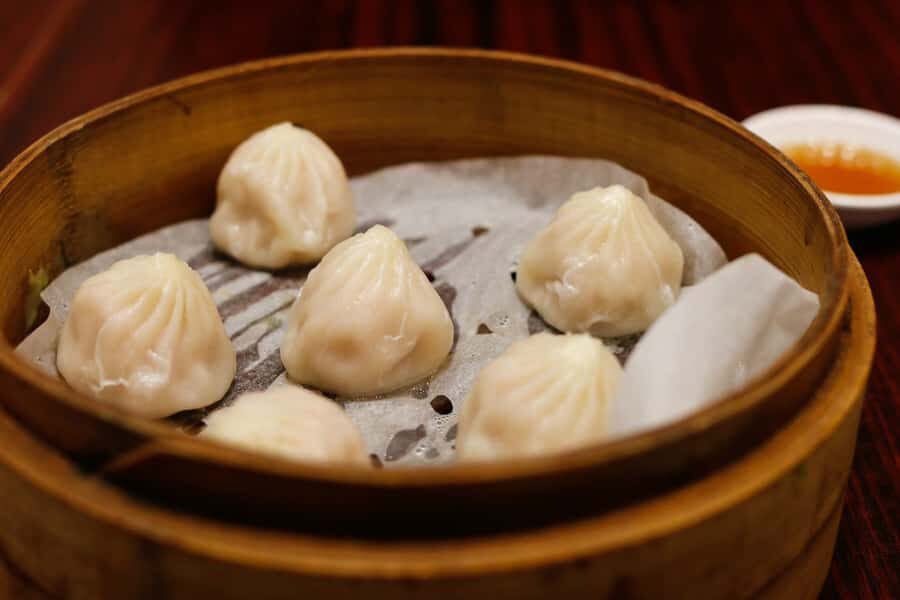
The tour begins in the Xintiandi area, and it’s not a random choice. You’ll start with one of the best dumpling soups in the city, which works well as an opening move because it’s comforting, shareable, and instantly “Shanghai.”
Dumplings also act like your baseline. Once you taste that style early, the rest of the dishes make more sense as variations on technique—how fillings are treated, how broth is seasoned, and how noodles and sides fit into a full meal.
A practical tip: bring an appetite and expect to slow down. This first stop is where most people reset their pace from sightseeing mode to eating mode, and you’ll enjoy it more if you don’t rush.
Yunnan Road walk: the city changes as you walk
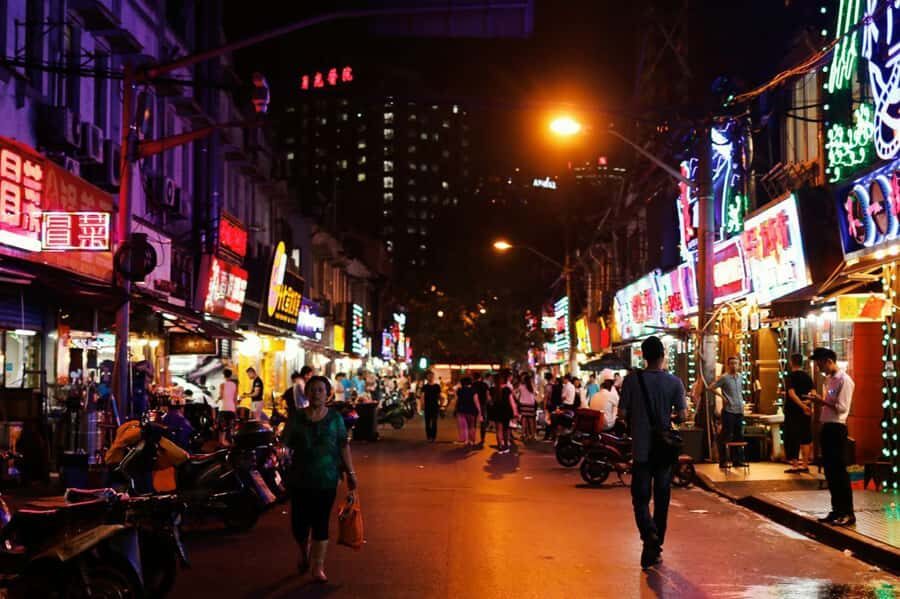
After the first bite, you’ll head toward Huaihai Road with walking time that’s part of the experience. The key is the architecture shift you’ll notice as you go.
You’ll move from the French Concession style feel into shikumen-style buildings—structures that mix Western and Chinese elements. It’s not just visual; it’s part of why Shanghai food and dining culture feel the way they do, shaped by trade, migration, and changing tastes over time.
This is also a good moment to ask questions. Since you’re on foot, guides can explain what you’re seeing without turning it into a lecture. In recent groups, guides like Jade and Yu were praised for sharing fun facts during these in-between stretches.
Huaihai Road: three restaurants plus dessert shop
The heart of the tour is the cluster of stops along Huaihai Road. You’ll sit down at 3 different restaurants and then wrap up at a dessert shop, which helps you avoid the “standing-in-line” fatigue that some food tours create.
Stop 1: classic Shanghai starters that set the tone
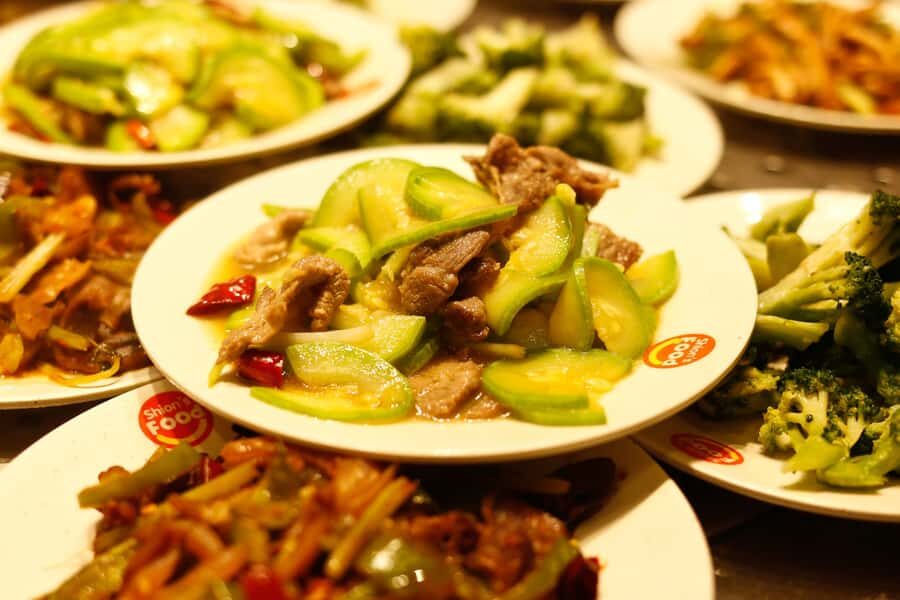
After Xintiandi, the next restaurant moment keeps the energy up with Shanghai comfort food. You’ll likely taste dishes such as parched chicken and red-braised pork—both classics that show off how Shanghai balances savory depth with a clean finish.
These plates matter because they teach you that Shanghai dining isn’t only about one superstar dish. It’s about seasoning discipline, texture, and the way sauces cling to noodles and rice without getting heavy.
A few more Shanghai tours and experiences worth a look
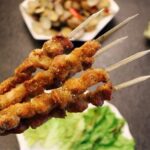
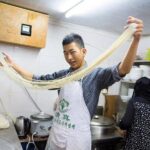


Stop 2: noodles and sauces you’ll remember after the tour
Next comes another sit-down where noodles play a lead role—think scallion oil noodles. This is the kind of dish that seems simple until you taste it, because the scallion oil and noodle texture are doing the work.
Noodles are also a smart choice in a tour like this. They’re filling enough to make the meal feel real, but they don’t overwhelm your stomach the way extra-rich mains sometimes can. If you’re worried about portion load, noodles usually give you satisfaction without full meal coma by themselves.
Stop 3: sweet and savory combos that feel very Shanghai
By the third restaurant stop, you’ll get more variety, including candied lotus rice and even moon cakes. The tour’s mix is intentional: savory dishes show the daily food language, and sweet items show how Shanghai celebrates.
Candied lotus rice leans into sticky-sweet comfort, while moon cakes connect to a bigger seasonal tradition. It’s helpful to taste both types close together, because you’ll notice how sweetness is handled differently depending on the dish—less like candy, more like dessert as a meal counterpart.
Dessert shop: the finish line
Then you get a dessert shop stop. Some groups have pointed out that the dessert and end-of-tour sweets can be a favorite part because the meal stays interesting rather than just repeating flavors.
If you’re the type who worries about finishing strong, plan for this as your reward. The dessert shop keeps the story from ending at noodles and pork.
Tea time: Longjing green tea or Fujian black tea
Tea isn’t an afterthought here. You’ll be able to try an authentic Longjing green tea or Fujian black tea, which gives you a palate reset between dishes.
This is a smart inclusion because it helps you keep tasting instead of just eating. Shanghai meals can stack flavors quickly, and tea gives you a cleaner reset so you can appreciate what changes from one stop to the next.
One more practical note: tea is also easier than many drinks to enjoy while you’re walking and sampling. It’s part of why tea shops work so well on a short 3-hour schedule.
What dishes you should expect (so you don’t get surprised)
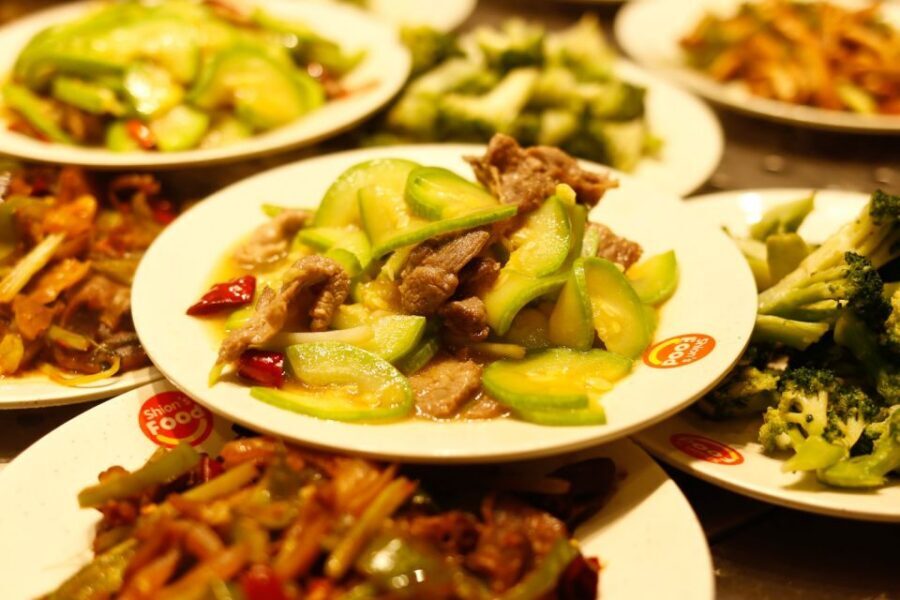
The tour is built around traditional Shanghai flavors and a few signature regional touches. Expect dishes such as:
- parched chicken
- red-braised pork
- scallion oil noodles
- candied lotus rice
- moon cakes
- plus dessert items at a dedicated dessert stop
- tea: Longjing green tea or Fujian black tea
You’ll also get food and drinks included, along with a local guide. The guide part matters more than most people expect. A good guide helps you taste with intention—what to pay attention to, and what’s going on in the background of a dish.
Some guides in recent groups were praised for tailoring choices for dietary needs. If you have restrictions, tell the operator in advance so the guide can plan. That kind of planning is what keeps the tour enjoyable.
Skip-the-line entry and why it saves your energy
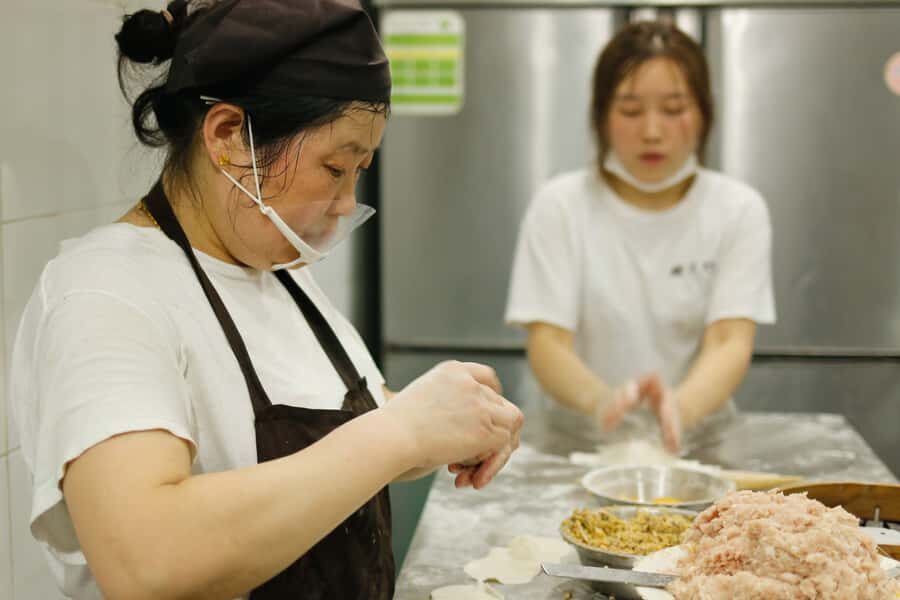
The activity includes skip-the-line access through a separate entrance. That’s valuable on a tight schedule because lines and bottlenecks can steal time you would rather spend eating.
It also reduces stress at busy points. In a city like Shanghai, you often end up negotiating crowds even when you’re doing the right things. Skip-the-line entry means you stay in “tour rhythm” instead of falling behind.
Pace and timing: 3 hours is short, so the tour stays focused
A 3-hour duration sounds brief, and that’s the point. You get a compact slice of Shanghai dining without turning the day into a full production.
Here’s how the structure tends to feel:
- start with dumpling soup in Xintiandi
- walk toward Huaihai Road
- sit down at multiple restaurants in sequence
- finish with dessert and tea
Because of that rhythm, the tour works best if you don’t arrive rushing off to your next reservation right after. Plan a bit of breathing room after the tour. You’ll likely be full, and you’ll enjoy the walk back more if you’re not staring at the clock.
Also wear comfortable shoes. You’re moving between neighborhoods and dining stops, and you’ll do better if your feet are happy.
Price vs. value: is $79 for 3 hours a fair deal?
At $79 per person for 3 hours, this isn’t the cheapest food option in Shanghai. But the value comes from how the tour is assembled.
You’re paying for:
- guided ordering and pacing at local restaurants
- included food and drinks (multiple sit-down stops)
- included tea (Longjing or Fujian)
- a route that adds neighborhood context, not just plates on a table
For a short tour, that adds up. Many DIY food adventures in central Shanghai can cost more once you figure in transport, menus you can’t read comfortably, and the time spent figuring out what’s actually worth eating.
Also, guides have a big impact on outcomes. When people mention Jade, TJ, Yu, Curt, and others, they often praise two things: the food choices being places you’d skip on your own, and the explanations during the walk that turn it into a real city intro.
If your goal is authentic local spots in a short window, $79 can be a reasonable trade.
Who this tour fits best
This is a great fit if you:
- want a focused Shanghai introduction without planning every meal
- like traditional Shanghai dishes and don’t mind eating a lot
- enjoy walking through neighborhoods and noticing architecture changes
- want guidance in English or Chinese (live guide)
It’s especially useful for first-timers in Shanghai who feel overwhelmed by the restaurant scene. It’s also handy for repeat visitors who want a different neighborhood path and a restaurant mix that doesn’t require hunting.
If you’re traveling with small children or have major mobility limits, check how the walking and sit-down sequence fits your needs. The tour is listed as wheelchair accessible, but the details of pacing aren’t spelled out beyond that.
And remember the restriction: oversize luggage is not allowed. Keep bags compact if you can.
Should you book this Shanghai food tasting tour?
Book it if you want a short, high-impact way to eat traditional Shanghai food in local settings, with tea included and a route that makes the city feel more understandable. The combination of Xintiandi dumpling soup, multiple restaurants on Huaihai Road, and the architecture walk from French Concession feel to shikumen style is a strong mix of food and place.
Skip it if you’re not keen on bigger portions or you’re the type who wants ultra-light snacking. This tour is built for full tasting, not grazing.
If you do book, my best advice is simple: arrive hungry, wear comfortable shoes, and bring questions for your guide. The walking portions are part of the payoff, and that’s where Shanghai history and dining habits start to click.
FAQ
How long is the Shanghai local food tasting tour?
The tour duration is 3 hours.
How much does the tour cost?
The price is $79 per person.
What’s included in the ticket price?
Food and drinks are included, along with a local guide.
What is not included?
Hotel pick-up and drop off are not included.
Where do I meet the guide?
Meet at exit 2 of South Huangpi Road station (Line 1). As an alternative, you can take a taxi to No. 333 Huaihai Road in front of Xintiandi Plaza.
Is skip-the-line access included?
Yes. The activity includes skip the line through a separate entrance.
What languages are available for the guide?
The tour offers a live guide in English and Chinese.
Is the tour wheelchair accessible, and are there luggage limits?
The tour is wheelchair accessible. Oversize luggage is not allowed.
Can I get a full refund if I cancel?
You can cancel up to 24 hours in advance for a full refund.
You Might Also Enjoy
 Private Tour to Gubei Water Town and Simatai Great Wall with Cable Car and Lunch
 Private Day Tour to Tiananmen Square, Forbidden City and Hutong by Public Transportation
 Day Tour to Discover the Secrets of Hangzhou’s Tea Culture
 Skip the Line: Admission Ticket & Official Tour Guide of Xian Huaqing Palace