REVIEW · BEIJING
Beijing: Hutong Culinary Walking Tour with 15+ Tastings
Book on GetYourGuide →Operated by Fun Beijing Travel · Bookable on GetYourGuide
A quiet Hutong alley can turn into a feast. This 3–4 hour Hutong Culinary Walking Tour is built around 15+ local bites, plus real stories about daily life, food traditions, and eating etiquette. I like that the guide, including names like Jimmy and Mike, can steer you toward classic crowd-pleasers or bolder picks without making it feel random.
The second thing I love is the sheer variety in close distance: sesame cakes, dumplings, hot noodle and pancake snacks, malatang heat, and finishing with Xinjiang lamb skewers and nang bread. The one drawback to consider is simple: you eat a lot on purpose. If you avoid spice or you’re not into off-the-menu surprises, tell the guide early so you get an easier route.
In This Review
- Key points before you go
- Why this Hutong walking tour feels real
- Meeting at Dongsi Subway Exit B: the easy start
- The first hour: quiet lanes, Hutong stories, and eating etiquette
- Sesame cakes and sweet starters: a warm-up for what’s next
- Dumplings, noodles, and that Beijing comfort-food rhythm
- Malatang heat: the spicy stop that turns into a story
- Fried rings, pancakes, rice cakes, and small-bite variety
- Xinjiang lamb skewers as the finale, plus optional bold choices
- Price and value: how $76 makes sense here
- What makes the guides stand out (and how to use that)
- What to eat and how to mentally prepare
- Who this Hutong food walk is best for
- Should you book this Hutong Culinary Walking Tour?
- FAQ
- Where do I meet the guide?
- How long is the tour?
- How many food tastings are included?
- Is the guide fluent in English?
- Is it a private group tour?
- Can I request classic bites instead of the most adventurous options?
Key points before you go
- 15+ tastings included in a tight 3–4 hour loop, so you leave full instead of just “snacking.”
- Meet at Dongsi Subway Station Exit B with a guide holding your name sign.
- Your stops change based on your tastes (classic bites versus bold surprises).
- You get Hutong context, not just food names: history, culinary traditions, and eating etiquette.
- Vegetarian-friendly adjustments are possible if you ask, and the guide can swap in a substitute when needed.
- You walk between local spots instead of hopping across town, which keeps the flow relaxed.
Why this Hutong walking tour feels real
Beijing’s Hutongs are those old residential lanes where city life still happens at human speed. Walking them matters, because food in this neighborhood culture isn’t just about what’s on the menu. It’s also about how people eat, how they order, and how they talk about what they’re serving.
This tour turns that everyday vibe into a tasting route. You’re not stuck with a scripted restaurant meal. Instead, you sample a mix of street-style snacks and small local dishes, guided by someone who can explain what you’re eating and why it fits the area.
And the variety is the whole point. You’ll hit sweet and savory, soft and crunchy, and light snacks plus heavier comfort food. It makes it easier to understand Beijing eating as a whole, not as one special dish you hope you’ll like.
You can also read our reviews of more walking tours in Beijing


Meeting at Dongsi Subway Exit B: the easy start
You’ll meet at Dongsi Subway Station Exit B. The guide will be holding a sign with your name, which saves you from the usual “where’s the group?” stress.
If you’re arriving by subway, make sure you exit exactly at B. If you’re taking a taxi, aim for the Dongsi Subway Station Exit B area. From there, the tour moves on foot through quieter Hutong allays—part of the experience is getting that slower rhythm before you start eating.
Duration is listed as 3–4 hours, and that timing feels about right for 15+ tastings. You’re tasting often, but not doing constant sprinting between stops. In other words: it’s busy for your stomach, not your feet.
The first hour: quiet lanes, Hutong stories, and eating etiquette
Before the food ramps up, you’ll start with a stroll through calm Hutong alleys. Your guide shares the neighborhood’s stories and connects food habits to local life—how traditions shaped what people eat, where cravings come from, and what’s considered normal at the table.
This is where the tour earns its value beyond just feeding you. Learning eating etiquette helps you feel less awkward in small shops and snack stalls. You’ll also get a clearer sense of why certain bites are common here, instead of treating each snack like a random tasting station.
A nice bonus: several guides on this tour are praised for adjusting the flow and talking style. Names that came up include Jimmy, Mike, Anson, and Lucy—each described as friendly, easy to talk to, and strong on food origins and Beijing life.
Sesame cakes and sweet starters: a warm-up for what’s next
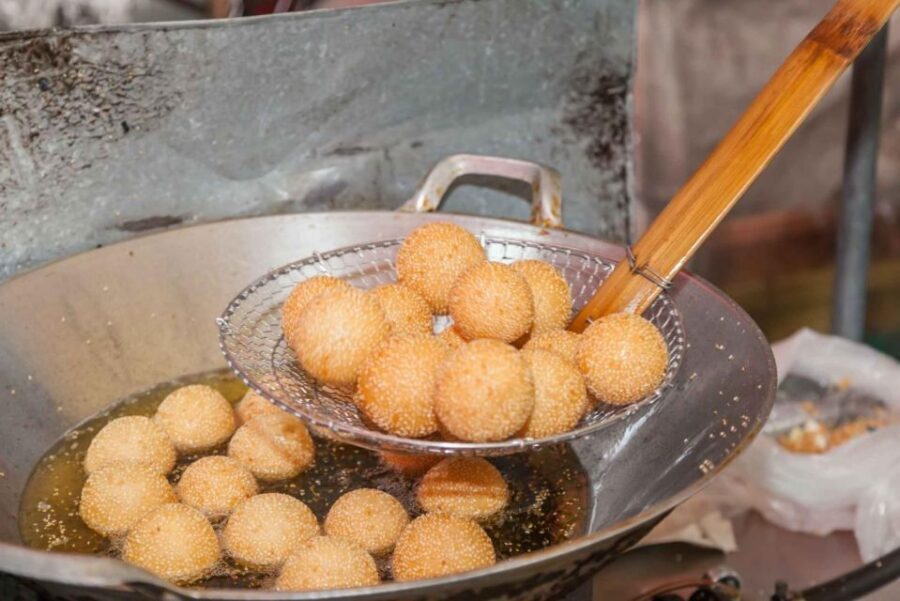
Expect sweet bites early or mid-route, because Beijing food is big on that mix of textures and flavors. One example listed is sesame cakes, often paired with honey. They’re a great first step because they’re familiar enough to enjoy, but still clearly local in how they taste and feel.
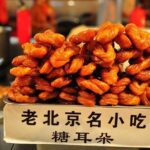
You might also see ma hua, a fried dough twist. It’s the kind of snack that’s crispy on the outside and more comforting than you’d expect if you usually think of street food as just “quick.”
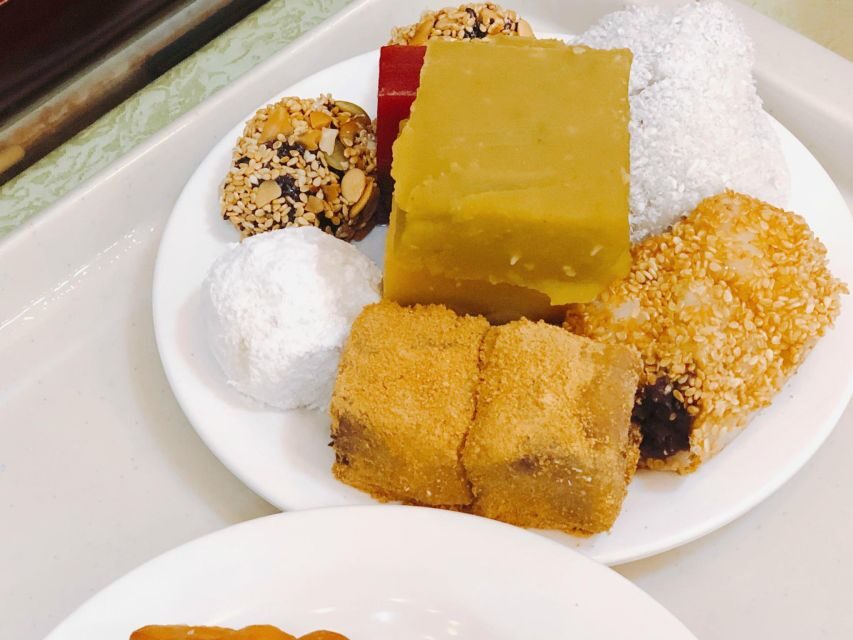
Other sweet or dessert-style options that can appear include Beijing Jar yogurt and steamed rice cakes with sweet stuffing. These help balance the more savory hits later. If you’re trying to manage hunger (and you should be), sweet snacks can keep you satisfied without going too heavy too fast.
Dumplings, noodles, and that Beijing comfort-food rhythm
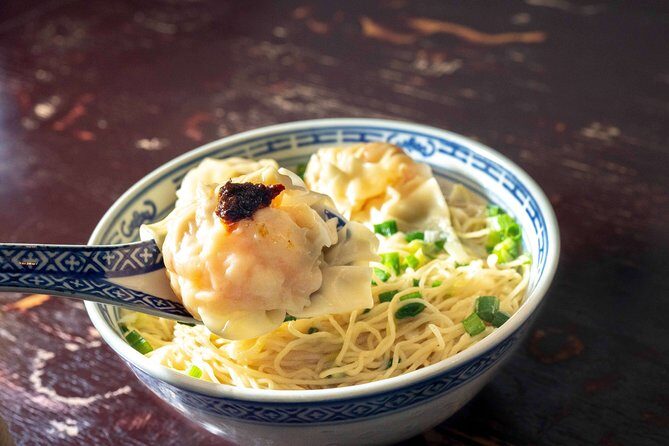
Once you’re warmed up, the route typically moves into savory comfort territory. Soup dumplings are on the possible list, and they’re a classic for a reason: they combine a delicate wrapper with a flavor hit that feels full even in a small tasting.
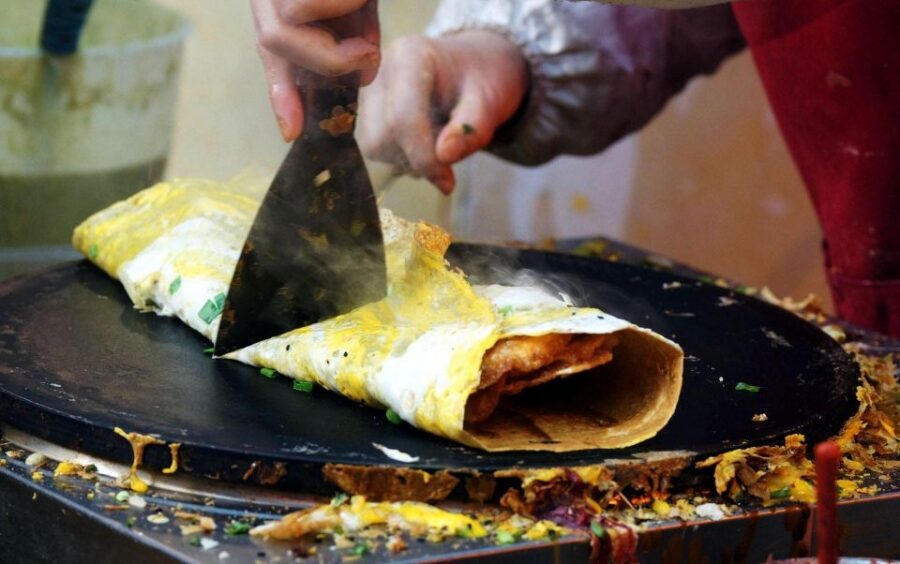
You may also encounter jainbing (jianbin), the fried pancake snack that’s crispy, layered, and meant to be eaten while it’s hot. Another noodle option listed is cross-bridge rice noodles, which originated from Yunnan province. That’s a fun moment in the tour: it shows how Chinese cuisine travels and adapts, even when you’re deep in Beijing.
If you’re the kind of person who worries about not knowing what to order, this part helps. You’re not guessing. The guide explains what you’re eating and keeps you moving through dishes that fit the neighborhood’s food logic.
Potential drawback here: dumpling and noodle stops can be more filling than you expect. You’ll want to come hungry, but not so hungry that you feel overwhelmed by how much food is actually in your tasting plan.




Malatang heat: the spicy stop that turns into a story
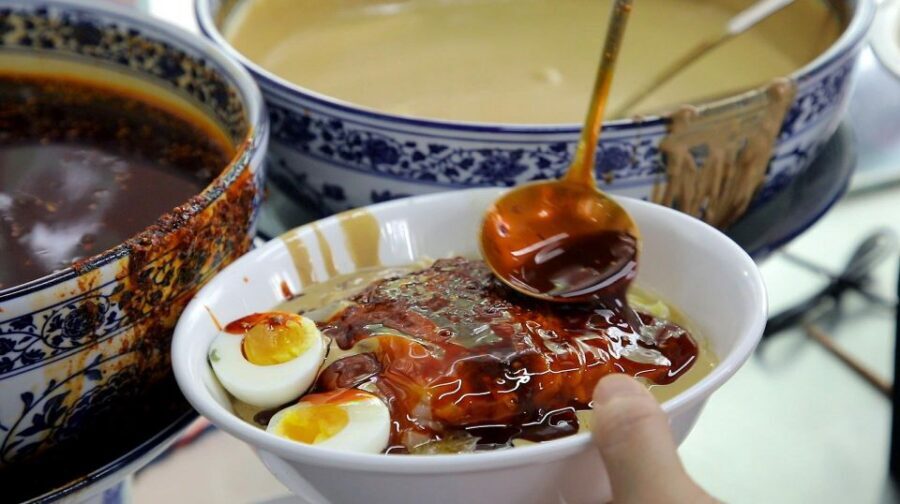
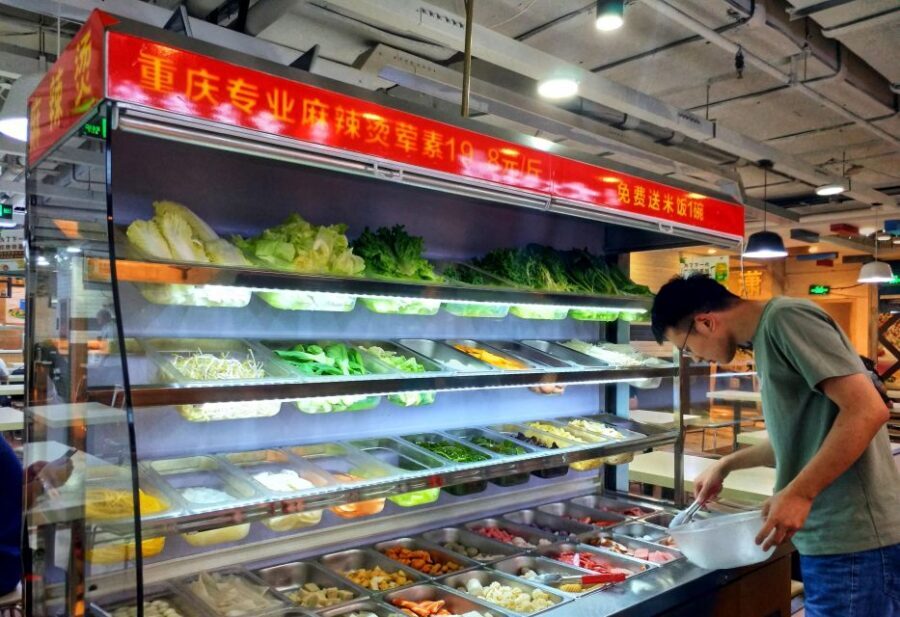
One of the most distinctive items on the tour’s list is malatang. It’s part of hot pot culture: a spicy soup base with ingredients like vegetables, meats, seafood, and noodles.
If you like heat, this is often the moment your palate clicks into “yes, this is Beijing.” The spicy broth gives you big flavor fast, and the choice of ingredients lets you tailor your bowl without making the whole meal a long production.
If you don’t love spice, don’t pretend. Tell the guide you want it mild, or swap to a less spicy dish if that’s possible for your route. The tour is designed to adjust based on your preferences, so you’re not stuck with one-size-fits-all heat.
One practical tip: malatang can be intense when you pair it with multiple fried snacks earlier. Go slower, sip between bites, and trust the guide’s pacing.
Fried rings, pancakes, rice cakes, and small-bite variety
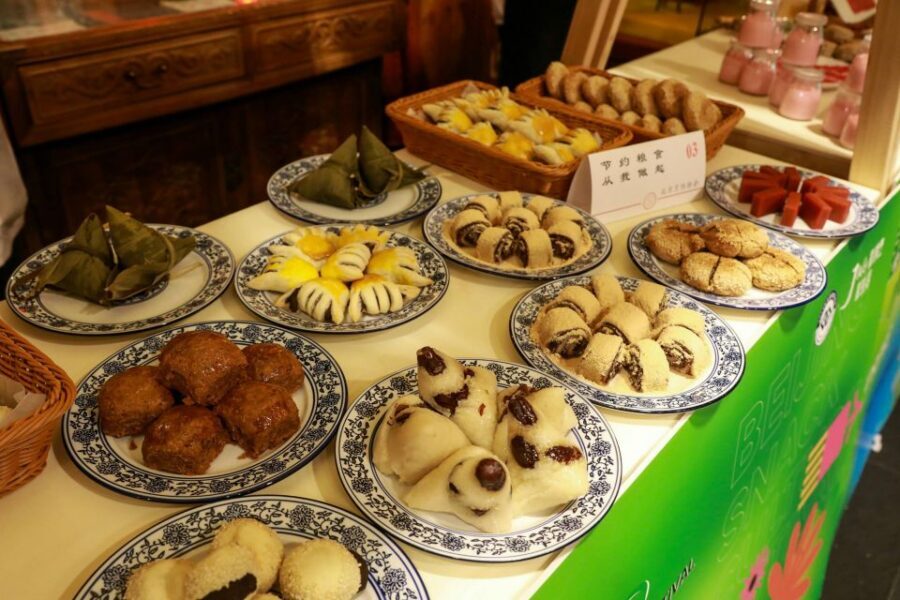
Between the big “star dishes,” you’ll see plenty of smaller snacks that build the full taste map. The tour includes items like a crispy fried ring snack—a popular household style—plus steamed rice cakes with sweet stuffing.
You might also see more pancake-type bites and other Beijing local snacks that don’t need a long explanation once you’re holding them. This is exactly the kind of tasting where guidance helps: you get the what and the why, not just the how.
What I like about this segment is that it shows the middle ground between street snacks and restaurant food. It’s not all heavy bowls, and it’s not all tiny sweets. The mix keeps the tour interesting without turning it into chaos.
Xinjiang lamb skewers as the finale, plus optional bold choices
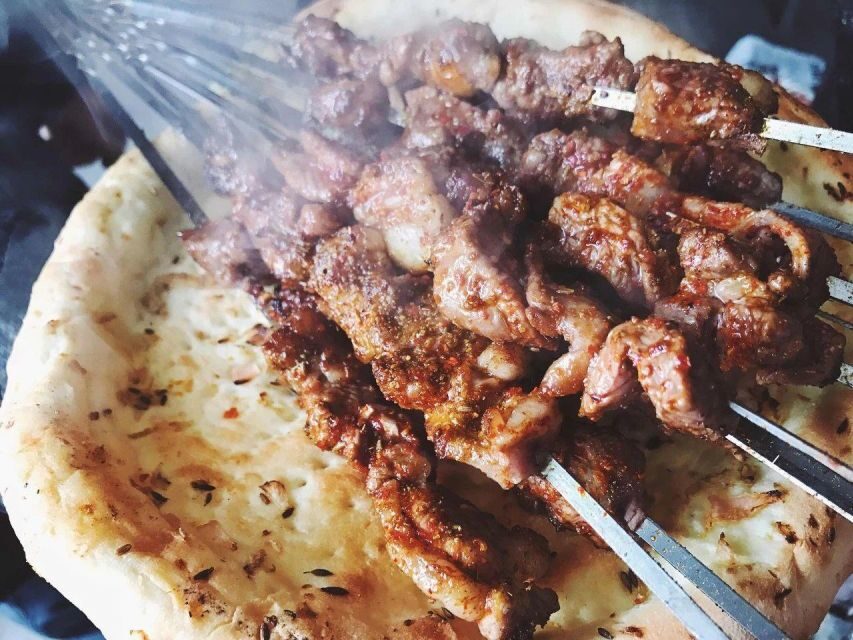
Near the end, the tour often heads toward Xinjiang lamb skewers, including nang bread and lamb/vegetable kabobs. This is a satisfying close because it’s hearty, smoky, and intensely savory. After so many different textures, the skewers give you a clear “anchor” flavor.
Another item that may appear is baijiu, a colorless Chinese liquor that’s typically strong (listed between 35% and 60% alcohol by volume). You’re not required to drink it—think of it as an optional cultural taste if you want one more story with your dinner.
Then there’s the bold layer for adventure foodies. You can ask for surprises, and the tour mentions options like donkey burger, fried liver, intestine soup, 1000 year old egg, and even bamboo worm at your cost. If that’s not your thing, you can steer the tour toward safer classics.
This is where the tour’s flexibility matters most. One vegetarian-focused experience was described with care for a child who needed vegetarian options. Another note said that if you don’t want the challenge foods, you can ask for a substitute meal. That’s a big deal for comfort and trust on a food tour.
Price and value: how $76 makes sense here
At $76 per person for about 3–4 hours and 15+ tastings, this tour is priced for a full eating experience rather than a light snack walk. Some tours give you a few token bites and call it a day. This one aims to keep you fed, with bottled water and local soft drinks included.
The value also comes from the guiding time. You’re not just buying food—you’re paying for a guide who can explain the connections: Hutong life, food traditions, eating etiquette, and the origins behind dishes like cross-bridge rice noodles. Guides are repeatedly mentioned by name, including Anson, Lucy, Allen, Miko, May, Jay, Andy, and Jimmy, and the common theme is that they make it easier to find the right places and order the right things.
One more value factor: the tour is private group. Private usually means less waiting around and more tailored pacing. Pickup is optional, so if you choose it, the experience starts with less friction.
What makes the guides stand out (and how to use that)
Across the many guide stories, the best praised skills are consistent: food explanations, clear English, and adjusting the plan so the day fits you. Names that stood out include Jimmy and Mike for combining strong food knowledge with lively talk about Beijing life. Anson and Andy came up for tailoring the route and bringing people to places they would not find alone.
The practical part for you is this: tell the guide your comfort level at the start. The tour is set up for you to pick classic bites or bold picks, and the guide adjusts stops day to day. If you’re excited about spicy or offal, say so. If you’d rather stick to dumplings, pancakes, and lamb skewers, say that too.
If you have dietary needs, bring it up early. At least one experience described vegetarian care for a child, and another described requesting a substitute for challenging items. Don’t wait until you see the dish—by then, you might already be halfway into the plan.
What to eat and how to mentally prepare
Come hungry. That message shows up again and again because it’s true: 15+ tastings add up fast, especially in cold weather when warm snacks and soups feel extra comforting.
Also plan for walking. You’ll move through Hutong alleys and local spots in a compact area. You won’t be stuck on a bus for the whole day, which is great for seeing neighborhood life, but it does mean your legs get a workout.
A quick mindset tweak: this isn’t about trying to “win” by eating the most extreme item. It’s about understanding how Beijing tastes across different snack styles. If you want a safer path, that’s valid. If you want the adventure foods, ask for them and then pace yourself.
And remember: the guide covers eating etiquette. That means you’ll get more confidence in small places where menus might be confusing and where there are often little norms about sharing and ordering.
Who this Hutong food walk is best for
This tour is a strong fit if you want:
- A first taste of Beijing that goes beyond one restaurant meal
- Lots of food in one evening window
- Cultural context with your snacks
- A guide who can steer for your preferences
It’s also a good pick for families with kids who can eat the same general categories, as long as everyone is comfortable with trying new things. The tour has shown it can adjust for vegetarian needs when asked.
If you’re the type who hates surprise foods or has strict dietary limits, this can still work—but be direct with the guide. The tour is flexible, but your clarity controls how smooth it feels.
Should you book this Hutong Culinary Walking Tour?
Yes, if you want a real Hutong food experience with a guide-led plan and enough tastings to make the day feel complete. At $76 with 15+ snacks and English guidance, it’s good value for people who like variety and who don’t want to spend hours researching where to eat.
Book it especially early in your Beijing trip, because you’ll get street-level context fast—how people eat here, what to look for, and what to try next on your own. If you’re cautious about spice or adventurous items, tell the guide right away and stick to the classic side of the menu. You’ll still leave full, educated, and with a much better feel for the neighborhood than you’d get from wandering alone.
FAQ
Where do I meet the guide?
You meet at Dongsi Subway Station Exit B. Your guide will hold a sign with your name.
How long is the tour?
The tour runs about 3–4 hours.
How many food tastings are included?
The tour includes 15+ food tastings.
Is the guide fluent in English?
Yes, the tour is guided by an English-speaking guide.
Is it a private group tour?
Yes, it’s a private group.
Can I request classic bites instead of the most adventurous options?
Yes. The guide adjusts stops based on your preferences, and you can ask for fewer challenging foods or substitutions if needed.