REVIEW · LANZHOU
9 – Day Private Trip Gansu Exquisite Hexi Corridor from Lanzhou
Book on Viator →Bookable on Viator
Hexi Corridor, in one smooth private run. This tour strings together the best of Gansu’s Silk Road core with a private, language-capable guide, so the grottoes and tombs actually make sense. I also like the air-conditioned vehicle for the long stretches between stops. The one drawback to plan for: you spend real time on the road, so a lot of days start early and move fast.
What makes it interesting is the mix. You’re not only doing big-name sights like Mogao Caves—you also get Danxia color rock in Zhangye, canyon time at Pingshan, major frontier walls at Jiayuguan and along the Han Great Wall, plus desert classics like Crescent Moon Lake and Singing-Sand Dunes. It’s a coherent route, and the big “logistics pain” is reduced because accommodation, transport, and most meals are handled.
One more practical note: the Hexi Corridor can be cold in the off-season. In colder months, people have reported days around -10°C and short daylight. If you’re going then, pack seriously warm layers, and treat outdoor walking time as something to dress for, not something to power through.
In This Review
- Key Things I’d Focus On Before You Go
- Why the Hexi Corridor Feels Different Than Big-City China
- Price and What You Really Get With This Private $3,599 Setup
- Getting From Stop to Stop Without Burning Your Day
- Day 1 in Lanzhou: The Yellow River Iron Bridge and a Soft Landing
- Days 2–3: Wuwei Museum Sculptures, Kumarajiva Temple, and Pingshan Canyon Hiking
- Day 4 in Zhangye: Danxia Geopark Color Rocks and the Horse Hoof Temple Grottoes
- Day 5 in Jiayuguan/Jiuquan: Giant Buddha Temple, Tomb Art Bricks, and Frontier Gate Energy
- Days 6–7 in Dunhuang: Jiayuguan Pass Views, Mogao Caves, Han Wall Logic
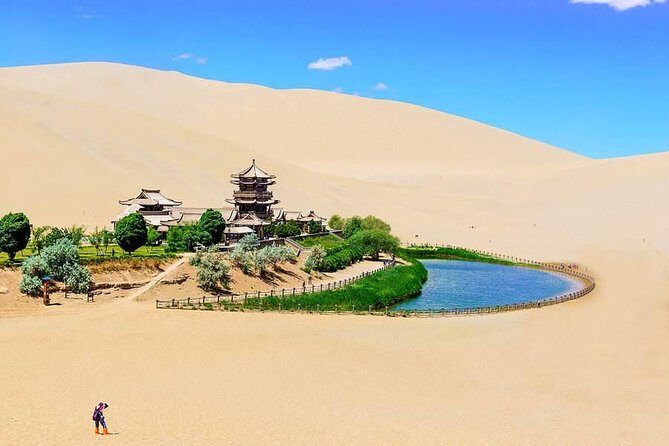
- Day 8 in Dunhuang Desert: Crescent Moon Lake, Singing-Sand Dunes, and the Camel Ride
- Day 9 Depart Dunhuang: Keep Your Day Light
- Who This Tour Suits Best (And Who Might Want a Different Style)
- Should You Book This 9-Day Private Hexi Corridor Trip?
- FAQ
- What’s the duration and starting point for this Hexi Corridor private trip?
- What’s included in the price?
- Are airport or train pickups included?
- Is this a group tour or truly private?
- Do I need a passport, and do I have to provide details in advance?
- Is there a vegetarian meal option?
- What are the main sights you’ll see?
- Can I cancel for a full refund?
Key Things I’d Focus On Before You Go
- Private guide explanations for grottoes and frontier sites so you’re not just looking at walls and caves
- A full value package: 7 nights, breakfast/lunch/dinner, bottled water, and A/C transport
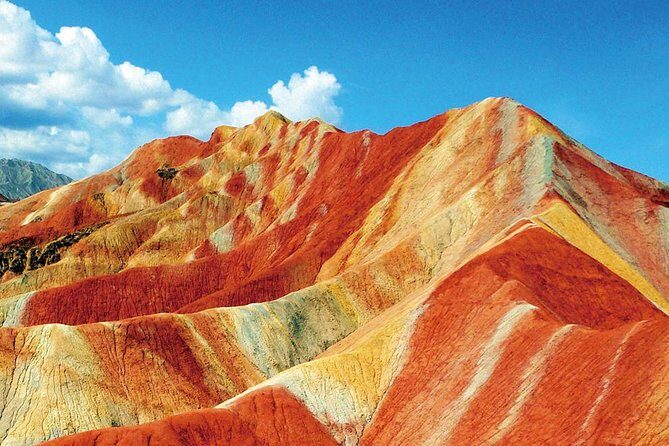
- Hexi Corridor variety in a single circuit: Danxia, canyons, tomb art, Great Wall sections, and desert dunes
- Major stops plus smart add-ons like Horse Hoof Temple Grottoes and the Jade Gate Pass area
- Winter readiness matters if you travel in colder seasons, because -10°C has been reported on this route
Why the Hexi Corridor Feels Different Than Big-City China
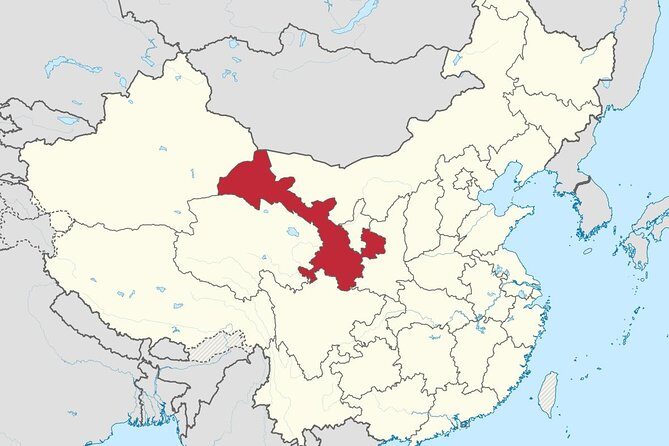
Most China trips feel like a string of cities. This one feels like a moving story across the old frontier—Yellow River crossings, Buddhist routes, fortress gates, and trading routes that once pushed Chinese power west.
You start in Lanzhou, then work through Wuwei and Zhangye before the route pivots to Jiayuguan and finally Dunhuang. That order matters. It helps you connect themes: the spread of Buddhism, the shift from inland travel to frontier defense, and then the desert travel culture that Dunhuang became famous for.
And because it’s private, you’re not stuck doing things by the slowest group pace. Your guide can focus attention where you care most—murals and painted-brick tomb art one day, then dunes and sand-wind views the next.
You can also read our reviews of more private tours in Lanzhou
Price and What You Really Get With This Private $3,599 Setup
At $3,599 per person for a 9-day private trip, the honest question is value. Here’s what makes it feel more like a bundle than a line-item shopping list.
You get 7 nights accommodation, bottled water, and a local guide. Meals are included too: breakfast is listed for 8 mornings, lunch for 7 days, and dinner for 8 nights. Transport is covered via an air-conditioned vehicle, plus port pickup and drop-off.
That matters because Hexi Corridor travel is rarely cheap if you do it yourself—hotel logistics, drivers, and transfers add up quickly across long distances. Even if you’re comfortable planning, bundling these parts usually gives you more time for the sights and less time solving problems.
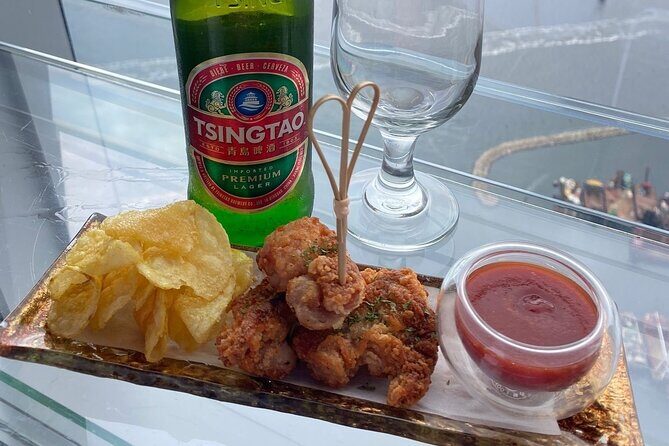
Alcohol isn’t included, but that’s normal. If you want beer or spirits with dinner, budget for it.
Getting From Stop to Stop Without Burning Your Day
This route is built around comfort and efficiency. Your day-to-day transport includes pickup and transfers, with a planned start time of 8:00 am. Long drives are unavoidable—Lanzhou to Zhangye is listed as about 500 km (roughly 5 to 6 hours), and there are other expressway transfers too—so the A/C vehicle isn’t a luxury detail; it’s how you survive the route with your energy still intact.
You’ll also use a mobile ticket system for at least part of the journey. That’s a real convenience when you’re bouncing between museums, gates, and scenic areas. Make sure your phone is charged and your details are saved before you go.
Most days also include included meal stops, which helps keep the rhythm steady. You won’t be hunting for food places with a dead map signal after a busy morning.
Day 1 in Lanzhou: The Yellow River Iron Bridge and a Soft Landing
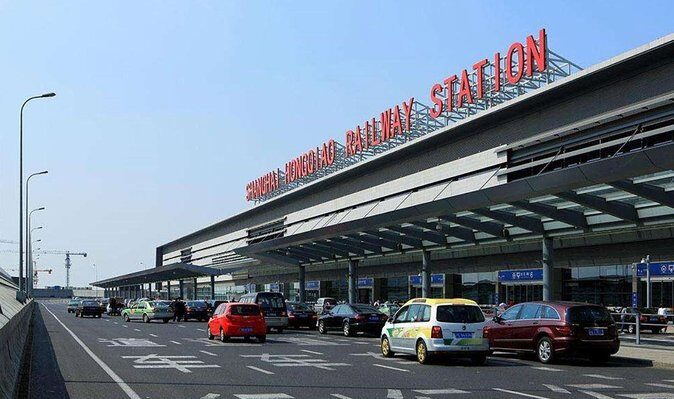
Lanzhou is a good way to start because your first day is about easing in, not sprinting. A professional guide meets you at the airport or train station and transfers you to your hotel. After that, you get some breathing room.
The first big sight is the Iron Bridge of the Yellow River, described as the oldest bridge above the Yellow River. It’s a simple stop, but it frames the whole region. The Yellow River isn’t just a backdrop here—it’s the gateway for inland travelers and traders.
Practical angle: arriving, checking in, then having a short, focused sight gives you time to adjust before the road days kick in.
Days 2–3: Wuwei Museum Sculptures, Kumarajiva Temple, and Pingshan Canyon Hiking
Day 2 takes you into Wuwei and then moves you through a mix of culture and Buddhist art. You’ll travel from Lanzhou to Zhangye via Wuwei (with two arranged stops along the way). On the Wuwei side, you visit:
- Wuwei Museum, where you see Buddhism sculptures tied to local grotto traditions
- the South Gate of the old town
- Kumarajiva Temple
This day works well if you like context. Wuwei’s role in the region helps explain why grotto art and Buddhist imagery appear again later in Zhangye and Dunhuang.
Then Day 3 adds a more physical outdoor moment: Pingshan Grand Canyon. You hike for about 2.5 hours, and the park is described as including grand canyon views, stone wonders, desert and snow mountain themes, plus primitive forest areas. Even if you don’t know the geography beforehand, the variety helps you feel what Hexi travel was like for historic travelers—dry, rugged, and changeable.
What to consider: canyon days require comfortable shoes and a slow pace. Build in water breaks and let your guide set the rhythm rather than rushing for photos.
Day 4 in Zhangye: Danxia Geopark Color Rocks and the Horse Hoof Temple Grottoes
Day 4 is where the scenery turns dramatic, but in a very specific way. You start with Horse Hoof Temple Grottoes, described as original Buddhism grottoes from earlier history. Grottoes can feel overwhelming if you don’t have guidance. A private guide makes a difference here because you can focus on key mural and carving details instead of trying to figure out everything on your own.
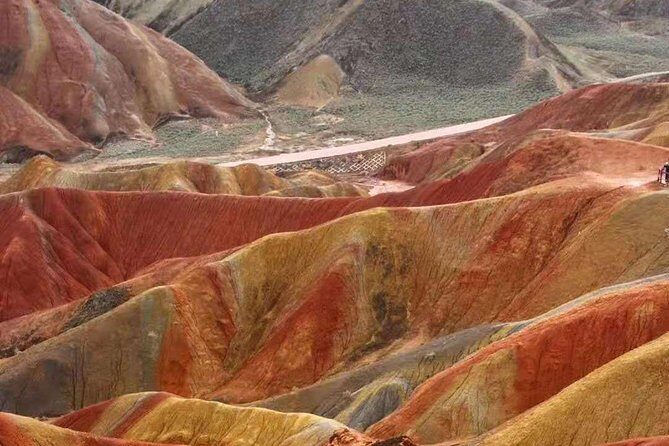
Then you shift to Zhangye Danxia Geopark (Danxia Landform National Park). Danxia is known for its banded, colorful cliff shapes formed by long-term geological processes. This area is described as one of the largest and most typical of China’s arid Danxia landforms. Translation: you’re not just looking at one pretty rock view; you’re seeing a full system of color and texture over distance.
A nice benefit of having this in Zhangye is timing. You’re already on the right route geographically, and the day functions like a visual reset—grotto art and carved stories in the morning, then open-air color rock views after.
Day 5 in Jiayuguan/Jiuquan: Giant Buddha Temple, Tomb Art Bricks, and Frontier Gate Energy
Jiayuguan is where the route feels like the old frontier became real. You start by visiting the Giant Buddha Temple, described as having the biggest sleeping Buddha in Asia.
After that, you head to Jiayuguan, with lunch in Jiuquan. The itinerary points out the Wine Spring, famous from the Western Han dynasty, and notes that you can still see the spring in the city. That’s a nice kind of “small detail with big time depth.” You’re not only viewing monuments; you’re hearing about long continuity in local landmarks.
Then comes one of the most interesting cultural stops on the trip: the Wei and Jin Tomb and its painting bricks. These are inlaid on four walls and described as showing polities, economy, military, and culture—often called an Underground Art Gallery. This is the kind of stop where a guide’s explanation really pays off. Even if the tomb is quiet and dim, the painted bricks carry a lot of meaning once you know what you’re looking for.
You end the day back at your hotel with dinner at a good local restaurant near it.
Days 6–7 in Dunhuang: Jiayuguan Pass Views, Mogao Caves, Han Wall Logic
Day 6 is a transitional day: you revisit the Great Wall side, then you travel into Dunhuang.
Morning includes visiting Jiayuguan Pass & the Museum of the Great Wall. The route mentions the western end of the Ming Dynasty Great Wall and the Overhanging Great Wall. Even without being a Great Wall specialist, this stop helps you understand why certain gates mattered so much—visibility, defense, and control.
Then you transfer to Dunhuang (about 5 hours on the expressway). By this point, you’re moving from frontier gate to frontier desert culture.
Day 7 is a packed “Dunhuang core” day:
- Mogao Caves & Digital Film Center
The itinerary describes 492 grottoes, 45,000 square meters of murals, 2,400 painted statues, and over 250 residential caves remain. That’s huge on paper, and the Digital Film Center is likely there to help you understand the scale and organization before you step into the cave experience.
- Jade Gate Pass & the Great Wall of Han Dynasty
The Han wall is described as built with local sand and weed instead of stone or layered bricks like other dynasties’ walls. That detail is gold because it gives you a physical sense of frontier survival logic—materials mattered.
After dinner, you can attend Ancient Sound of Dunhuang, a performance that fits naturally here. After seeing Buddhist murals and frontier walls, the sound and performance theme helps you connect art with lived culture in the desert borderland.
If you’re sensitive to long days, pace yourself. You’re going to want a calm evening after a day that combines caves, walls, passes, and a show.
Day 8 in Dunhuang Desert: Crescent Moon Lake, Singing-Sand Dunes, and the Camel Ride
Day 8 is your “desert icons” day. You visit:
- Crescent Moon Lake
- Singing-Sand Dunes
- camel ride in the sand dunes
This day is memorable because it breaks the pattern of temples, tombs, and painted surfaces. It’s a sensory shift—sand sounds, wide open air, and a horizon that feels like it stretches forever.
You also stop at a photovoltaic power plant in Dunhuang’s modern industry park. That’s a good reminder that Dunhuang isn’t only an ancient name. It’s a working desert city where modern energy and old trade-route identity meet.
Packing note: even in cold seasons, sunlight can still feel sharp. Sunglasses and layers help. If you’re going in winter, those -10°C reports are a good warning that cold wind can feel extra biting in open areas.
Day 9 Depart Dunhuang: Keep Your Day Light
Day 9 is simple: you take a flight to your next destination. This makes sense after a very active 8-day sightseeing schedule. You avoid the classic mistake of trying to cram one more big day and then rushing to the airport.
Who This Tour Suits Best (And Who Might Want a Different Style)
This private Hexi Corridor trip is ideal if you want:
- a private guide who can explain what you’re seeing, especially in grottoes and tombs
- a structured route without having to plan hotels and transfers between major sites
- comfort on long-distance driving days via A/C vehicle
It’s also a strong fit for couples, families, or small groups who don’t want to wait around for others. The tour is explicitly private: only your group participates.
You might consider a different format if you hate early starts or you prefer fully spontaneous travel. This route is organized and sequenced. The “flexibility” comes more from private guiding adjustments than from last-minute route reinvention.
One more thought: if you travel in winter, dress like the weather is serious. Reports of -10°C show you that this can be a trip where cold matters as much as the sights.
Should You Book This 9-Day Private Hexi Corridor Trip?
I think this is a smart book for anyone who wants the Hexi Corridor’s highlights without doing the logistical heavy lifting. The price looks high until you factor in what’s included: 7 nights, multiple meals, A/C transport, bottled water, a guide, and major site visits built into a smooth route. For a private itinerary across long distances, that bundle has real value.
Book it if you care about understanding the art and meaning behind the places—Mogao Caves, Horse Hoof Temple Grottoes, and the painted-brick tombs—rather than just checking boxes. Also book it if you want desert icons like Crescent Moon Lake and Singing-Sand Dunes without the stress of stitching together transport on your own.
Skip it (or adjust expectations) if you’re looking for a slow, low-effort vacation. This is an active corridor route. You’ll be on the move, and you’ll want good shoes, warm layers if traveling cold season, and a willingness to trade spontaneity for a polished plan.
FAQ
What’s the duration and starting point for this Hexi Corridor private trip?
It’s a 9-day private trip that starts in Lanzhou. The itinerary includes sightseeing across Zhangye, Jiayuguan, and Dunhuang, with a flight out on Day 9.
What’s included in the price?
The package includes 7 nights accommodation, a local guide, an air-conditioned vehicle, port pickup and drop-off, bottled water, and meals (breakfast for 8 days, lunch for 7 days, and dinner for 8 days).
Are airport or train pickups included?
Yes. A guide meets you at the airport or train station in Lanzhou for transfer to the hotel, and the tour also includes port pickup and drop-off.
Is this a group tour or truly private?
It’s a private tour/activity. Only your group participates.
Do I need a passport, and do I have to provide details in advance?
Yes. A current valid passport is required on the day of travel, and passport name, number, expiry, and country are required at the time of booking for all participants.
Is there a vegetarian meal option?
Yes. A vegetarian option is available. You should advise at booking if you need it.
What are the main sights you’ll see?
Key highlights include Danxia Geopark in Zhangye, Great Wall areas around Jiayuguan, Mogao Caves in Dunhuang, Jade Gate Pass and the Han Great Wall, plus Crescent Moon Lake and Singing-Sand Dunes.
Can I cancel for a full refund?
Yes, you can cancel for free up to 24 hours in advance of the experience’s start time for a full refund.
If you want, tell me your travel month and group size, and I’ll help you sanity-check pacing (and what to pack) for that season on the Hexi Corridor.