Chongqing is not a place you see from street level. This 4-hour hidden city walking tour helps you understand it, with stairways, sky bridges, old neighborhoods, and skyline views that make the city’s crazy geography click fast. You start at Tongyuan Gate, then end with a riverside plank-road walk where the metro hums past like background music.
Two things I especially like: you get a local guide who can connect the dots between today’s neighborhoods and how Chongqing grew, and the tour includes real everyday scenes like locals relaxing and square dancing near Chongqing Auditorium. One small drawback: be ready for lots of walking and stairs, including steep climbs and uneven routes, so it’s not a relaxed stroll for everyone.
Also, the value is strong for the time. At about $70 per person for a 4-hour route with multiple sights (including older, less touristy areas), you’re paying for a guide to translate the city’s layout and history into a mental map you’ll actually use later. Just note the meeting point is at Qixinggang metro, and transportation to get there isn’t included.
In This Review
- Quick Highlights You’ll Remember
- Chongqing’s Vertical Logic Makes Sense on Foot
- The main catch: stamina
- Meeting at Qixinggang and Your First Landmark: Tongyuan Gate
- Huayi and Linhua: Apartments, Elevators (Not a Thing), and Sky Bridges
- The Craziest Part: How Branching Roads Turn Into a Wayfinding System
- Chongqing Auditorium: A Flat Square in a Vertical City
- Zhongshan Fourth Road: A Tree-Lined Step Through WWII Memories
- Riverside Plank Road: Views, Metro Sounds, and Air-Raid Shelter Clues
- The Abandoned Train Station: Why It Matters Without Being Scary
- Price and Value: Is $70 for 4 Hours Worth It?
- Who Should Book This Walk (and Who Should Skip It)
- What to Bring and How to Prepare
- Should You Book This Chongqing Hidden City Walking Tour?
- FAQ
- Where is the meeting point for the tour?
- How long is the Chongqing hidden city walking tour?
- What languages are the live guides?
- What should I bring with me?
- Is this tour suitable for people with mobility impairments?
- What attractions are included on the route?
- Is alcohol allowed during the tour?
Quick Highlights You’ll Remember
- Tongyuan Gate: the oldest city gate and the ancient boundary between Chongqing and surrounding areas
- Sky bridges + stair-heavy housing: doors on higher floors with narrow links to other blocks
- Chongqing Auditorium square: locals square dancing and kids playing in a rare flat pocket of downtown
- WWII-era street context: walking Zhongshan Fourth Road with Chongqing’s “temporary capital” history in mind
- Riverside plank road: greenery, river views, and the metro passing overhead
- Abandoned areas stop: including an abandoned train station and clues hidden in older infrastructure
Chongqing’s Vertical Logic Makes Sense on Foot
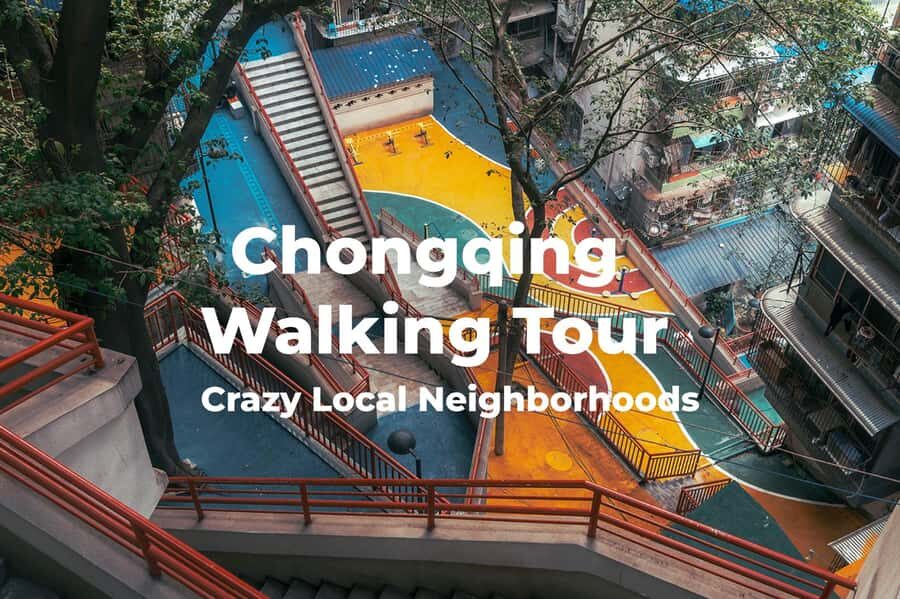
If you’ve ever looked at Chongqing photos and thought, Wait, is that a street or a staircase, you’re in the right place. Chongqing is built on steep hills, so daily life spills across levels—some neighborhoods feel like stacked cities. A guided walking tour matters here because it’s easy to get turned around on your own.
This route is designed to help you “read” the city. You’ll see how long overpasses, hidden paths, and branching roads connect, even when it looks chaotic on a map. The guide helps you connect those pathways to history and daily routines, so you don’t just collect sights. You learn how to navigate.
And you’ll get plenty of human moments. Watching senior citizens dancing and children running around near Chongqing Auditorium is one of those scenes that makes the city feel real, not staged. You also get the quieter contrast at the end on the riverside plank road, where the mood shifts and you can slow down.
You can also read our reviews of more walking tours in Chongqing
The main catch: stamina
This tour involves a lot of walking, and stairs are part of the deal. Even if you’re used to city walking, the hills here can drain you faster than you expect. Comfortable shoes aren’t optional.
Meeting at Qixinggang and Your First Landmark: Tongyuan Gate
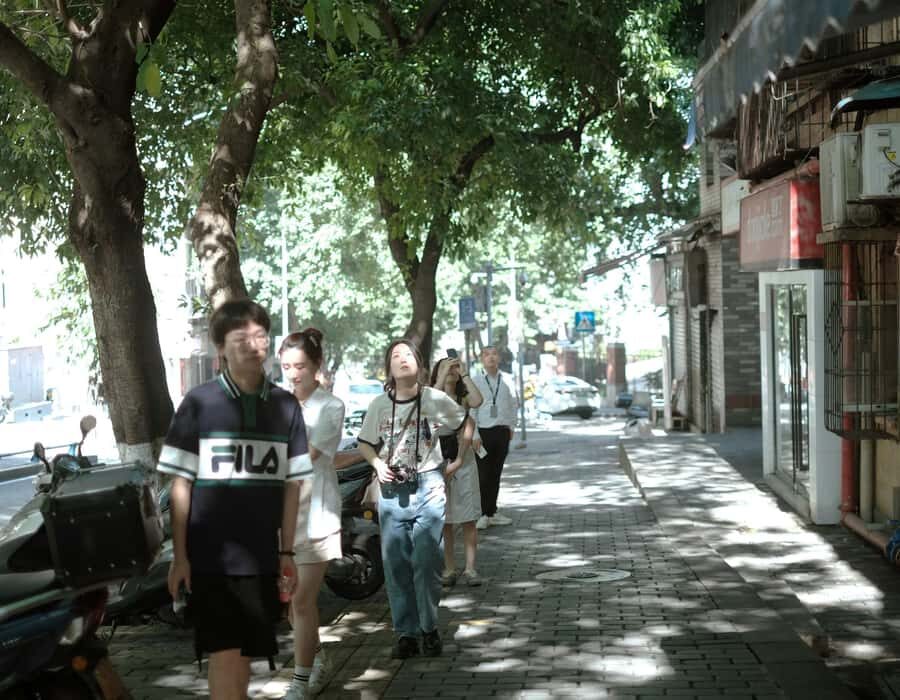
You’ll meet at the 4A exit, Qixinggang metro station. That’s convenient because you can plug it into almost any Chongqing itinerary without a complicated transfer. Still, you’ll want to arrive early enough to find the meeting spot calmly—hilly cities make timing feel tighter than flat ones.
From there, the tour starts near Tongyuan Gate, Chongqing’s oldest city gate. The guide explains how this gate once marked a dividing line between Chongqing and the surrounding areas. Now the city has expanded dozens of times, so the gate becomes less like a boundary and more like a marker of how far the city has stretched.
Why this stop works so well at the beginning: it gives you a “before and after” frame. When you later see neighborhoods built high into hillsides, you’ll understand that today’s layout didn’t appear overnight. The guide’s story gives the geography a timeline.
Practical note: because it’s an uphill-and-downhill day, the best use of your energy is to keep your pace steady early on. You’ll likely be glad you didn’t sprint through the first stretch.
Huayi and Linhua: Apartments, Elevators (Not a Thing), and Sky Bridges
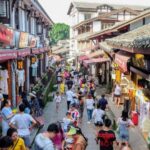
This is where the tour earns the title hidden city. After Tongyuan Gate, you head downhill through quieter lanes like Huayi and Linhua. The streets feel local and tucked away, which helps you move from “tourist Chongqing” into “how Chongqing actually works.”
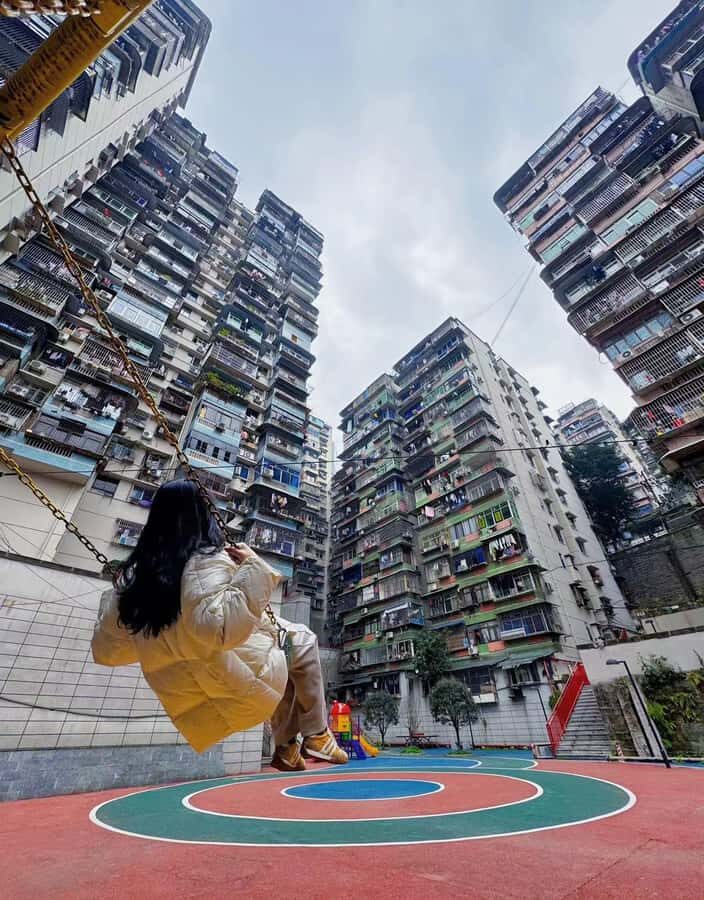
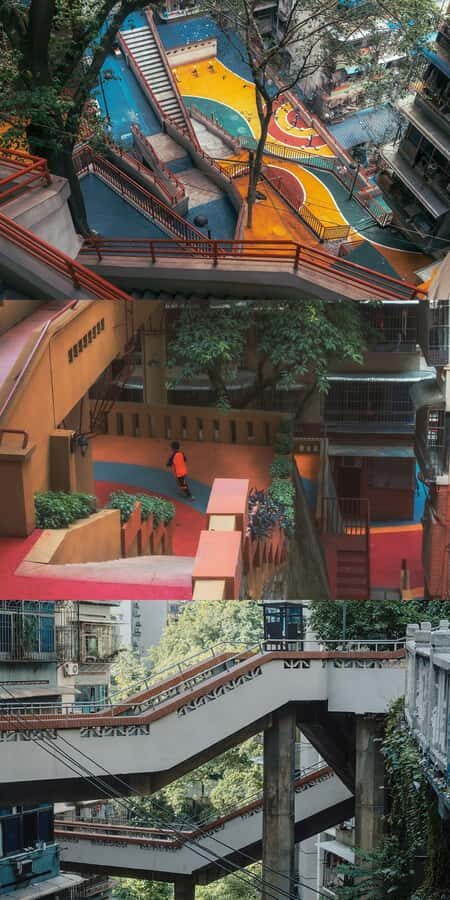
Then you get to the neighborhoods that feel like a design puzzle. Here’s what stands out: there are 15-story apartment buildings without elevators, and some front doors are on higher levels—like around the 8th floor—while sky bridges connect you to stairways clinging to hillsides.
It’s strange at first. Then it starts to make sense. The terrain forces the city to adapt. People don’t think in straight lines like they do on flat grids. They think in connections. You’ll see how different levels share walkways, how stairs double as corridors, and how “neighborhood” can mean a chain of linked paths rather than one clean street.
One drawback worth knowing: these are not wide, easy sidewalks. You’ll be walking through dense, older areas where the route can feel narrow or uneven. If you’re sensitive to crowded footpaths or steep steps, this part will test you.
That said, it’s also the tour’s most memorable lesson. You’ll leave with a better instinct for where to go next time you’re wandering on your own.
The Craziest Part: How Branching Roads Turn Into a Wayfinding System
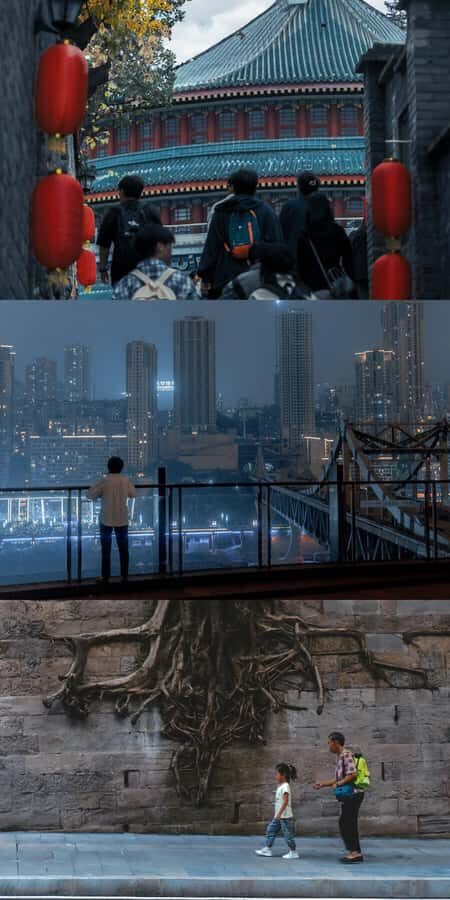
Once you’re in the thick of it, the city’s “branching” nature becomes obvious. Because the terrain is so complex, Chongqing is full of overpasses, stairs, and hidden paths. Some streets feel like they grow outward like tree branches from a hillside spine.
On this tour, the guide helps you see the logic behind the chaos. You’ll notice connections you might miss alone—like where staircases link into elevated walkways, or how different blocks share a common movement pattern. That’s the real advantage of doing this with a guide: you gain a working mental map.
You’ll also pick up practical understanding about public transit and how the city layers itself above and below. This is exactly the type of knowledge that turns later sightseeing from guesswork into confident wandering.
This section can be tiring because you’re constantly walking and climbing. The good news is that the best way to keep it manageable is to treat it like a single continuous workout. Don’t pause too long in spots where the view is tempting but you still have stairs ahead.
You can also read our reviews of more guided tours in Chongqing
Chongqing Auditorium: A Flat Square in a Vertical City
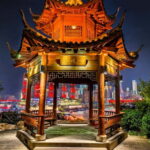
Next comes Chongqing Auditorium, a striking traditional-style building that feels grand in scale compared to the tight, vertical streets you just walked. Right next to it is a square that’s described as one of the largest flat areas in the city center.
In other cities, squares can feel like tourist backdrops. Here, the space feels like a daily living room. You’ll see senior citizens square dancing and kids playing. It’s one of the best moments to stop and watch instead of just walk.
Why I think this stop is so valuable: it gives a break from hills without feeling like you’re “escaping” the city. You’re still in the middle of it, but the terrain relaxes for a minute, and the human energy becomes part of the architecture.
Also, this is a good photo moment. The auditorium’s shape and the open space give you compositions you won’t get in narrow alleys.
If you’re traveling with children, this kind of open area can be a sanity saver. One family in the experience described how their guide kept things engaging for younger kids, and that kind of pause matters on a walking tour like this.
Zhongshan Fourth Road: A Tree-Lined Step Through WWII Memories
After the auditorium square, you continue to Zhongshan Fourth Road, a tree-lined stretch that carries a sense of past importance. The guide ties the street to Chongqing’s wartime role: during WWII, Chongqing served as the temporary capital of China, and this street witnessed major historical events.
This stop is less about one single photo and more about understanding context. When you walk a real street that once held major national-level events, you start seeing the city differently. The trees and the calm walking pace make the history feel more grounded, not like a museum label.
It’s also a practical mid-to-late tour moment. Walking on a road like this—compared to steep sky-bridge stairs—can feel like a breather. Still, you’ll be on your feet, so keep hydration in mind.
Riverside Plank Road: Views, Metro Sounds, and Air-Raid Shelter Clues
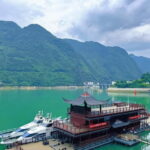
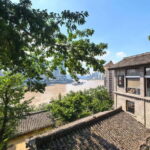
The finish line is the riverside plank road—a welcome shift from street-level density to river views. This stretch is described as an escape from city noise, but you still get city life in the background: the metro passes nearby, like a steady reminder you’re not leaving Chongqing behind.
The riverside walk also brings a different kind of texture. You’ll see lush plants and coiled roots. And in the older sections, you might notice abandoned air-raid shelters, with secrets tucked into structures you might otherwise skip right past.
This is one of those “quiet is louder here” moments. The guide’s role is key, because they can explain what you’re looking at—why something looks abandoned, what it used to serve, and how the city layers protection and survival into daily space.
It’s also a good spot to reset your energy. If you came in with camera ready, this is where you’ll actually want to take photos—wide river angles and greenery work well, and the metro gives motion to your shots even while you stand still.
The Abandoned Train Station: Why It Matters Without Being Scary
The tour includes a stop at an abandoned train station within the older areas it explores. This can be the most eerie-sounding part in advance, but it’s not about frightening you. It’s about showing how Chongqing’s past infrastructure still shapes the city today.
What you’ll likely notice: older transport spaces carry weight even when they’re silent. The guide helps frame the site as part of a larger story—how cities evolve, what gets left behind, and what that can teach you about growth and change.
A good mindset here is curiosity, not fear. Keep your pace slow, keep an eye on your footing, and let the guide explain what you’re seeing. If you enjoy urban history and lived-in decay (the kind that feels tied to real people), this stop will land.
Price and Value: Is $70 for 4 Hours Worth It?
At $70 per person for about 4 hours, this tour sits in the mid-range for a guided experience. What makes it worth considering is the combination of time, difficulty, and how specific the route is.
You’re not just paying for a guide to point at landmarks. You’re paying for:
- navigation through steep, connected neighborhoods
- context for places like Tongyuan Gate and the WWII-connected street
- access to older, less obvious areas such as abandoned sections and the abandoned train station
- a guided explanation of what you’d likely miss if you only used your own map app
Also, the guides in past groups showed real professionalism and flexibility. One guide named Percy stood out for being friendly, informative, and for adding a personal layer about the areas visited. Sophie was praised for communicating well in Russian and for adapting when weather hit (a storm led to an impromptu tea stop while waiting for conditions to clear). Another guide, Nord, was described as cool and helpful, even with time for an additional sky bus tour beyond the initial plan.
Those examples matter because a walking tour’s value is often the guide’s style, not the checklist. This tour clearly attracts guides who can manage both history and the practical flow of a hilly day.
Who Should Book This Walk (and Who Should Skip It)
This tour is best for you if you:
- like walking and can handle hills and stairs
- enjoy history that feels real because it’s tied to neighborhoods, not just buildings
- want a mental map of Chongqing’s vertical layout
It may not be a good fit if you:
- have mobility limitations (it’s not suitable for people with mobility impairments)
- want a low-effort, flat walking day
It also works well for families who can manage moderate active time. One booking described their kids joining (ages 7 and 8) with the guide tailoring the experience and keeping things enjoyable. That doesn’t mean it’s easy for every family, but it suggests the guides know how to keep energy up.
What to Bring and How to Prepare
Bring comfortable shoes first. Then pack water because 4 hours of stairs can surprise you. A camera is worth it because the view points and street scenes are strong.
Weather can shift quickly in many parts of China, and guides may adjust routes if conditions change. You’ll be walking near older structures and outdoors for stretches, so check the forecast and plan for the day you get.
One more tip: set expectations. This isn’t a “sit, see, and move on” tour. It’s a walking tour where your legs do a lot of the learning.
Should You Book This Chongqing Hidden City Walking Tour?
I’d book it if your idea of a great Chongqing day includes steep neighborhoods, older city layers, and a guide who helps you connect geography to story. The route hits major anchors (Tongyuan Gate, Chongqing Auditorium) and then spends real time in the parts that make the city feel unusual—in a good way.
I’d skip it if stairs are a problem for you or if you want a mostly flat stroll. The payoff is high, but the physical effort is real.
If you’re curious about Chongqing beyond the postcard views, this tour gives you something practical: a better sense of where everything sits vertically, plus a clearer understanding of what Chongqing has been through.
FAQ
Where is the meeting point for the tour?
The meeting point is at 4A exit, Qixinggang metro station, Chongqing.
How long is the Chongqing hidden city walking tour?
The tour lasts about 4 hours.
What languages are the live guides?
The live tour guide offers English, Russian, and Chinese.
What should I bring with me?
You should bring comfortable shoes, a camera, and water.
Is this tour suitable for people with mobility impairments?
No. The tour is not suitable for people with mobility impairments and involves a lot of walking and stairs.
What attractions are included on the route?
It includes a guided walking tour, Tongyuan Gate (oldest city gate), exploration of old neighborhoods, Chongqing Auditorium, Zhongshan Fourth Road, the riverside plank road, plus a visit to an abandoned train station.
Is alcohol allowed during the tour?
No. Alcohol and drugs are not allowed. Electric wheelchairs are also not allowed.