REVIEW · CHONGQING
Chongqing 1941 theatre: Tea Art Performance with Folk Art
Book on GetYourGuide →Operated by 成都环球国际旅行社有限公司新都第三分公司 · Bookable on GetYourGuide
Tea and theater move fast here. I love the tea-art craft and the up-close face-changing-style moments, all wrapped in a 45-minute show. The one drawback to weigh: it is short, so the experience is more like a concentrated highlight reel than a long cultural evening.
This is also a good value if you show up ready to participate. You get covered-bowl tea with a special snack, plus a lineup that swings from kung fu drama to music and storytelling. If you do not speak Chinese, you might still follow a lot through movement, song, and performance pacing, but expect the show to be mostly in Chinese.
In This Review
- Key points to know before you go
- Chongqing 1941 Theatre: Folk Performance, Powered by Tea
- Where to Meet and How Early You Should Arrive
- The 45-Minute Program: Tea Art, Opera, Kung Fu, and More
- Long Mouth Pot Tea Art: Watching Technique Turn Into Theater
- Sichuan Drama Human Good and Kung Fu Action
- Face Makeup Moments: Up-Close Transformation and Audience Energy
- Pipa Performance and Quyi Money Board: Sound and Story
- Pipa performance
- Quyi money board
- Snacks, Seating, and How to Get More From Your 45 Minutes
- Price and Value: Is Chongqing 1941 Tea Art Worth $31?
- Who This Show Fits Best (and Who Might Skip It)
- Should You Book the Chongqing 1941 Tea Art Performance?
- FAQ
- What is the duration of the Chongqing 1941 theatre tea art performance?
- Where do I meet for the show?
- Is the performance indoors?
- What language is used during the experience?
- What is included with my ticket?
- Will I still get tea if I arrive late?
- How much does it cost?
- What time should I arrive before the start?
- Can I cancel for a refund?
- Is the activity wheelchair accessible?
Key points to know before you go
- Tea art is the anchor: Long teapot work and a covered-bowl pour happen right alongside the entertainment.
- A Sichuan drama meets kung fu: Human Good is part performance, part athletic choreography.
- Close-up face makeup action: Expect dramatic transformations and quick audience interaction.
- Pipa and Quyi money board: String music and singer-storytelling add variety beyond opera.
- Short, indoor, and timed: Plan for a 45-minute experience and arrive early so you do not miss tea.
Chongqing 1941 Theatre: Folk Performance, Powered by Tea
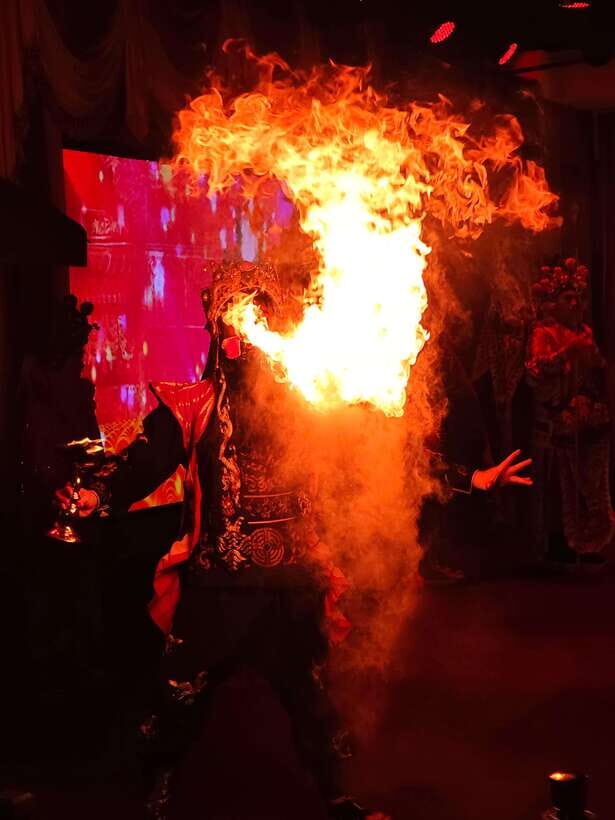
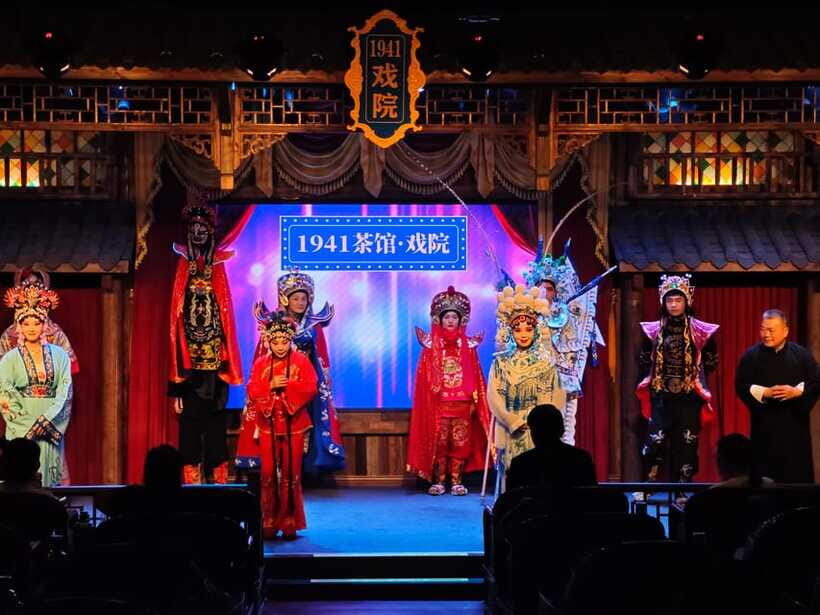
Chongqing 1941 Theatre is built around a simple idea: watch traditional folk performance, then let tea art set the mood and the rhythm. Instead of treating tea as a side detail, the show uses it as a stage feature. You’ll see artisans handle the tools of the trade and perform techniques while the program rolls through multiple art styles.
I especially like the mix here. You get Sichuan drama with kung fu, then you shift into music and storytelling, and you keep returning to the tea moment as a thread. That matters because it makes the time feel eventful even though the whole experience runs only about 45 minutes.
The other thing I like: the show feels made for real attention. You’re seated close enough that facial makeup and performance bits land with more impact than a distant spectacle. You might even get pulled into the energy if you’re sitting in a good spot and paying attention.
You can also read our reviews of more tours and experiences in Chongqing.

Where to Meet and How Early You Should Arrive
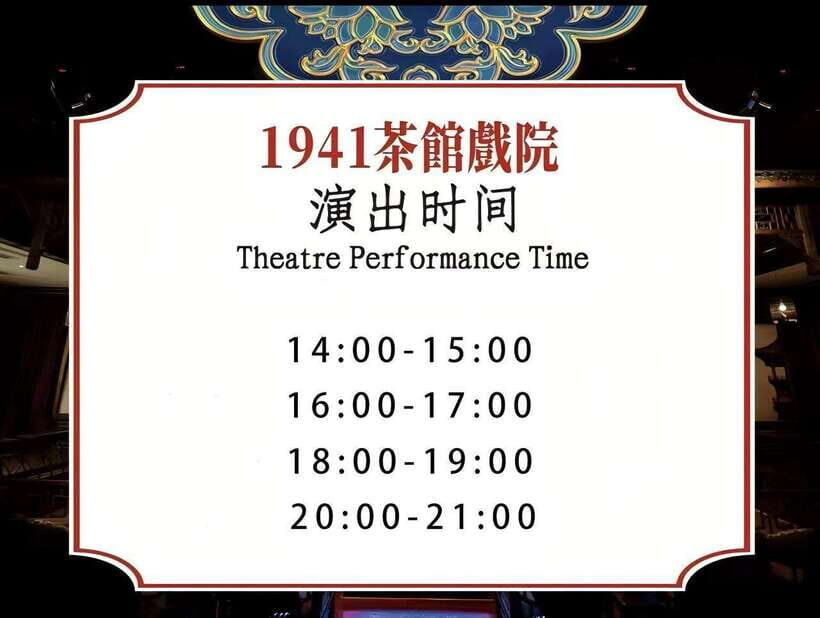
This is the kind of activity where the start time actually matters. The experience is indoors and you should arrive 30 minutes before it starts. That early arrival is not just polite. It affects whether you get the included tea.
Your meeting point is specific: Yutian Building garage entrance next to the time elevator on the 8th floor. If you’re coming on your own, give yourself buffer time to find the building entrance and locate the right elevator area.
One practical tip: because tea will not be provided if you are late, treat the 30-minute buffer as part of the deal. If you arrive close to showtime, you risk missing the tea portion that anchors the whole experience.
The 45-Minute Program: Tea Art, Opera, Kung Fu, and More
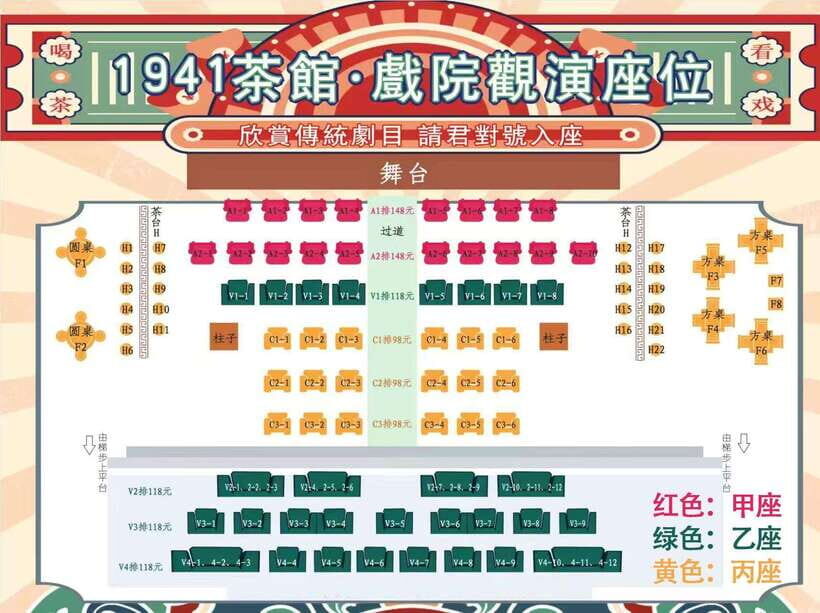
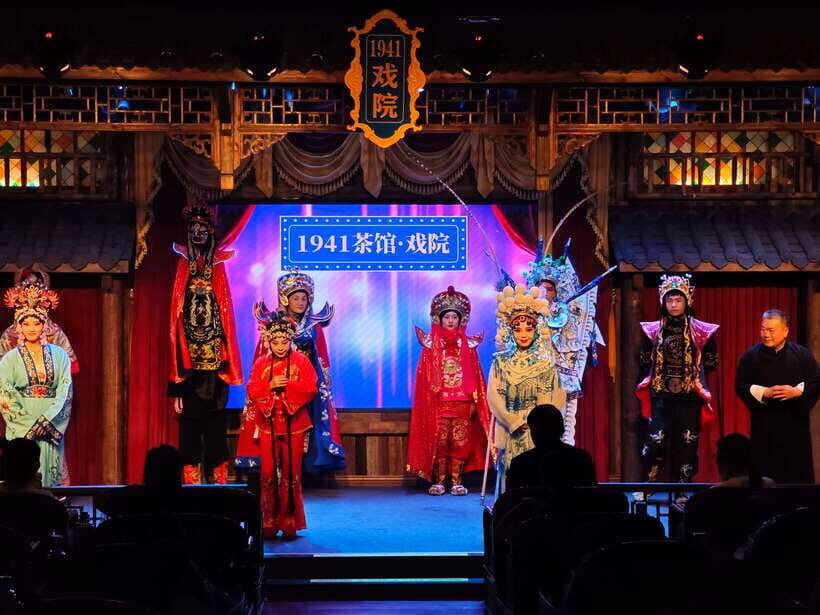
The entire show runs about 45 minutes, so it is structured like a fast-moving collection of classic pieces. Rather than one long performance that drags, you’re getting a rotation: singing and opera-style drama, kung fu choreography, tea craft, music, and storytelling elements.
Here’s what the flow means for you once you’re seated:
- You’ll settle in, then the program starts with tea service tied to the performance rhythm.
- The stage lineup cycles through multiple art forms, so your attention gets rewarded repeatedly.
- If you like variety, you’ll probably enjoy the pacing. If you want a slower, deeper explanation of each art form, this format may feel too quick.
Language is listed as Chinese, and that will shape how much you catch through dialogue. Still, a lot of the show’s meaning comes from movement, music, and visual effects. You can follow the drama beats, especially during action-heavy segments.
Long Mouth Pot Tea Art: Watching Technique Turn Into Theater
One of the most interesting segments is the Long Mouth Pot Tea Art using a teapot that’s about 1.2 meters long. That size alone turns a normal tea action into something you can’t ignore. You’re not just tasting; you’re watching how craft becomes performance.
In a tea-art segment like this, you’re usually paying attention to two things:
- Control: how the artisan manages pouring and handling with a large tool.
- Timing: how the tea moment lands right as the stage entertainment shifts gears.
The show uses covered tea service as part of the experience. In other words, the tea isn’t treated as a casual drink you grab and go. You’re meant to experience it as part of what the theater is doing that night.
And yes, the tea portion matters for included-value reasons. The covered bowl tea comes with your ticket, so if you’re on a budget, don’t show up late hoping you’ll still get it.
Sichuan Drama Human Good and Kung Fu Action
A highlight is the Sichuan drama titled Human Good, paired with kung fu. This combination is great for two reasons. First, it brings narrative drama to the stage. Second, kung fu adds clear physical storytelling that works even if you’re not following every word.
Sichuan-style drama tends to use strong character energy and dramatic presentation. When kung fu enters, the performance becomes more kinetic, and it helps break up the pace between musical segments and tea art.
This is the part of the evening where you’ll likely notice why the show attracts people who want something more than a static cultural demo. It moves. It uses your eyes, not your translation app.

Face Makeup Moments: Up-Close Transformation and Audience Energy
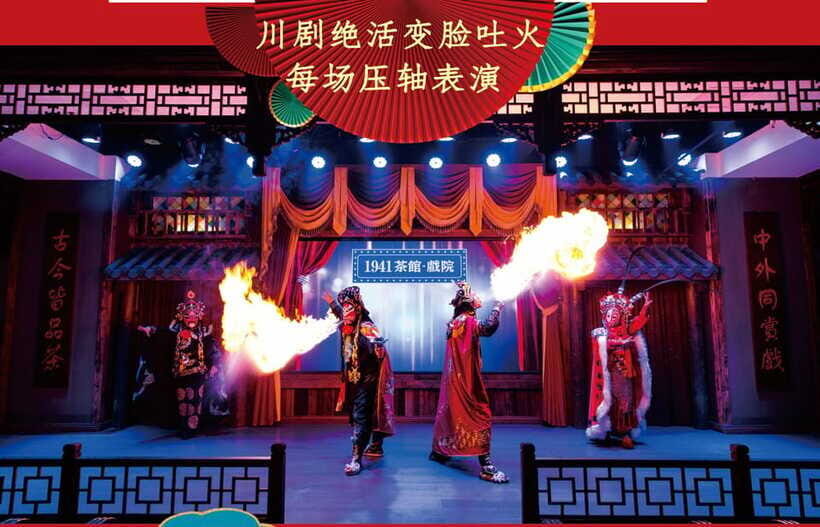
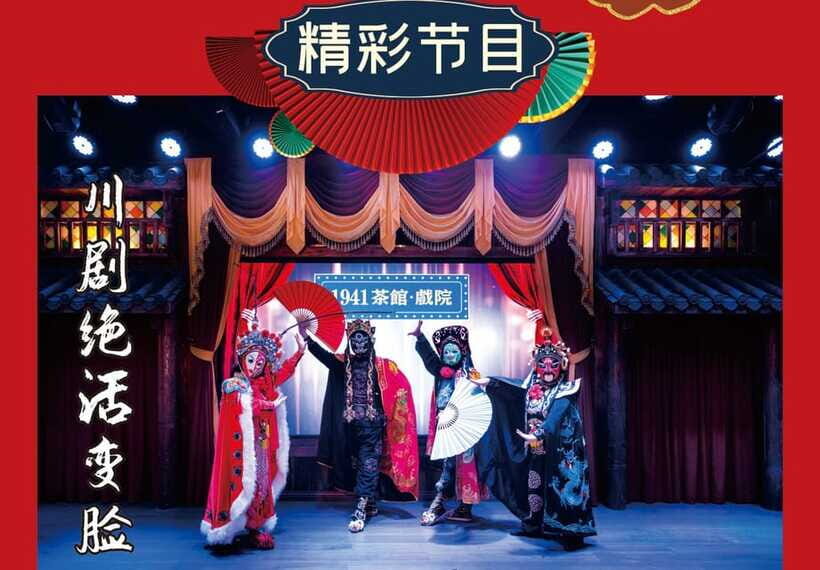
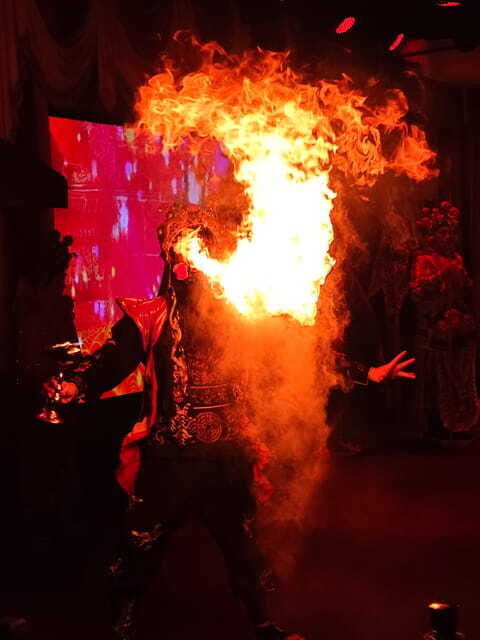
The program includes facial makeup changes that can be unpredictable and up close. That is exactly the kind of theater you want if you enjoy visual surprises and close-range performance craft.
What makes this segment especially fun is the way the show keeps you watching. The facial makeup action sits within a broader rotation that can also include magic and folk customs. The whole point is that the show doesn’t stick to one trick or one style.
If you’re the type who enjoys interactive moments, you’ll probably do well by choosing a seat that gives you a clear view of the stage action. One viewer reported being in the very front and staying engaged with performers throughout, and that kind of proximity can make the face makeup effect feel more immediate.
Also, after the performance, there’s a chance to take a picture with performers. That kind of photo isn’t the main reason to go, but it’s a nice bonus if you like collecting memories from short cultural performances.
Pipa Performance and Quyi Money Board: Sound and Story
After the action and tea craft, the evening shifts toward sound. Two segments stand out here:
Pipa performance
You’ll hear pipa performed with a beautiful, sonorous interwoven sound. The pipa is a plucked string instrument, and when a performance emphasizes interwoven tones, it can feel like multiple lines of music weaving together in real time. This is a nice contrast to the punchy physical drama.
Quyi money board
You’ll also see Quyi money board—a format that blends singing and storytelling. If you like traditional narrative performance, this can be the moment that makes the show feel more human. Even when you don’t catch every spoken line, the rhythm of storytelling and the musical emphasis usually carry the meaning.
Together, pipa plus Quyi helps the show stay balanced. It stops the entire experience from leaning too heavily on action or too heavily on tea.
Snacks, Seating, and How to Get More From Your 45 Minutes
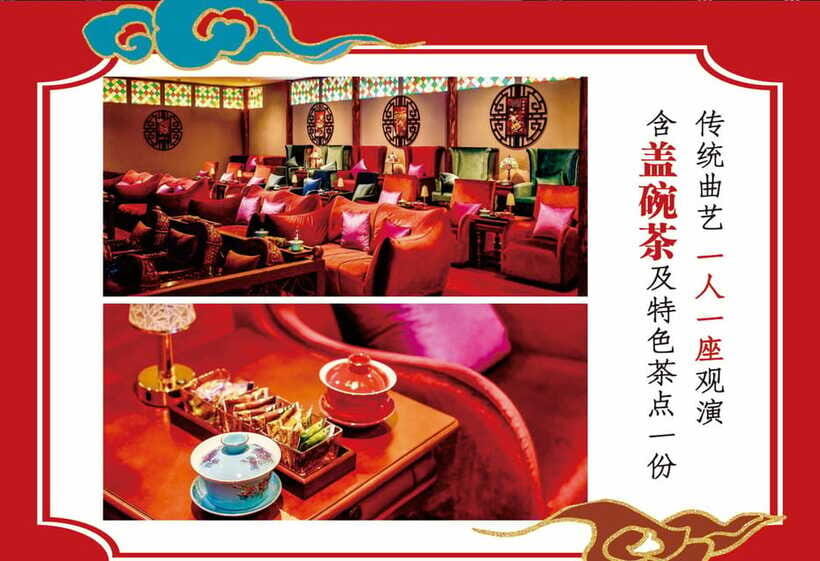
Your ticket includes a special snack along with the covered bowl tea. The snack type is described as nuts, so if you have an empty stomach, it’s smart to eat something before you go anyway. You’ll likely feel more comfortable when the show begins if you’re not waiting in your seat with hunger.
Seating matters more here than in many shows because you’re watching both stage craft and close-up facial makeup. One reviewer mentioned sitting at the very front and interacting constantly with performers. You can treat that as a hint: if you want connection, prioritize a seat close to the action.
A few other practical notes:
- The show is indoors, so dress comfortably for seating time.
- You should be ready to stay attentive. The program moves quickly between segments, so phone scrolling can make you miss the good bits.
- Bring good photo habits. If you get invited for a picture after the show, be ready.
Price and Value: Is Chongqing 1941 Tea Art Worth $31?
At $31 per person, this ticket price lands in the “reasonable for a short show” category. You’re paying for a concentrated evening with multiple disciplines in one sitting—tea art, kung fu drama, pipa, Quyi storytelling, and close-up face makeup moments.
That said, it’s not immune to fair critique. One booking review claimed tickets were much cheaper at the location and suggested a possible savings of around $45. I can’t verify the exact on-the-ground price from the information given here, but that report changes how you should think about value.
Here’s the balanced way to handle it:
- If you want guaranteed entry and a simple plan, booking can be worth the convenience.
- If you’re already nearby and want to compare costs, it may be smart to check whether on-site pricing is different before committing. At minimum, don’t assume the listed price is always the best deal.
A rating of 3.8 from 8 reviews also tells me the experience is polarizing in the way short cultural shows often are. Some people love the variety and the closeness; others find it short and a bit pricey for what you get.
You can use that to choose wisely: if you want a quick, packed cultural fix in 45 minutes, the value can feel strong. If you’re looking for a long sit-down performance with lots of explanation, you may feel you paid more than you expected.
Who This Show Fits Best (and Who Might Skip It)
Chongqing 1941 Theatre is a good fit if you like:
- Traditional performance styles mixed into one evening
- Tea art that’s treated as part of theater, not a background activity
- Action-forward segments like kung fu drama
- Close-up visual surprises such as facial makeup transformations
- Music and storytelling moments like pipa and Quyi money board
You might want to skip or look for something longer if you:
- Want detailed commentary in English (this one is listed as Chinese)
- Prefer a longer cultural evening over a short, rotating program
- Are very cost-sensitive and hate paying more than necessary
The good news: the show includes parts that usually work even when language is a barrier—movement, music, and visual craft do a lot of the heavy lifting.
Should You Book the Chongqing 1941 Tea Art Performance?
I’d book it if you want a compact, theatrical sampler of Chinese folk performance in an indoor setting. The best reasons are the structure: tea art that is actually part of the show, plus a rotation that includes kung fu drama, pipa, Quyi storytelling, and close-up facial makeup moments.
I’d be cautious if you’re only interested in one style and you hate short formats. At 45 minutes, you get variety, not depth. And because there’s a real chance the ticket could be cheaper on site, you should decide whether convenience matters more than squeezing every possible discount.
If you’re spending time in Chongqing and you like shows that move, this is the kind of ticket that can make an evening feel full without eating up your entire day.
FAQ
What is the duration of the Chongqing 1941 theatre tea art performance?
The experience lasts about 45 minutes.
Where do I meet for the show?
Meet at the Yutian Building garage entrance next to the time elevator on the 8th floor.
Is the performance indoors?
Yes, the show is indoors.
What language is used during the experience?
The experience is in Chinese.
What is included with my ticket?
Your ticket includes the traditional performance ticket plus covered bowl tea and a special snack per person.
Will I still get tea if I arrive late?
Tea will not be provided if you are late.
How much does it cost?
The price is listed at $31 per person.
What time should I arrive before the start?
Arrive 30 minutes before the activity starts.
Can I cancel for a refund?
Yes. You can cancel up to 24 hours in advance for a full refund.
Is the activity wheelchair accessible?
Yes, it is wheelchair accessible.