REVIEW · BEIJING
Beijing: Confucius Temple Entry; fast and smooth
Book on GetYourGuide →Operated by Fun China · Bookable on GetYourGuide
Fast entry into old Beijing feels like a shortcut. This Confucius Temple and Guozijian Imperial College experience is interesting because you’re not just touring buildings—you’re stepping into a place tied to China’s ideas about learning, exams, and respect. I like the historic courtyards and halls you can wander at a calm pace, and I also like the stone tablets and scholar focus, which turn the grounds into a living study room. One drawback to consider: the value depends on how much you enjoy architectural and inscription-style sightseeing versus big, hands-on exhibits.
Your time stays efficient because you get skip-the-line entry and tickets are prepared once your details are sent. I also like that the visit makes room for the exam-culture angle, since students still come here to pray for success at their college entry exams. The biggest consideration is ticket handoff timing—several issues in the record center on tickets not arriving on time or not being accepted, so you’ll want to keep your WhatsApp messages and arrival timing tight.
In This Review
- Key Things To Know Before You Go
- Confucius Temple + Guozijian: what you’re actually walking into
- The one-day route: how your visit flows on the ground
- What to watch for while moving
- Stone tablets and scholar stories: why the inscriptions are the point
- Imperial College (Guozijian): the exam-era training ground
- Entering faster: skip-the-line value and the ticket handoff reality
- Price and value: is $12 a fair deal?
- Who this fits best (and who might want a different plan)
- Timing, weather, and comfort on the day
- Should you book this Confucius Temple entry with Fun China?
- FAQ
- What does this experience include?
- How long is the experience?
- Do I get a ticket QR code?
- Why do you ask for my full name and passport number?
- Is it wheelchair accessible?
- Can I cancel for a refund?
Key Things To Know Before You Go
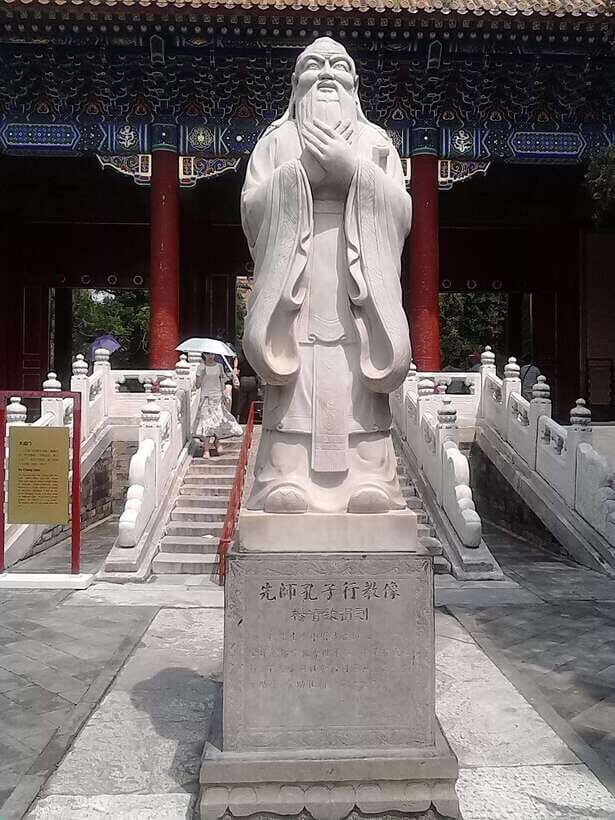
- Built in 1302: Confucius Temple dates back to the Yuan era, and the age shows in the stonework and layout.
- China’s largest Confucius-focused temple: This is one of the biggest dedicated sites for Confucius in the country.
- Guozijian (Imperial College) connection: You’re visiting the training institution that was once top-tier for elite scholars.
- Prayers for exam success still happen: Today’s students may visit to ask for wisdom and resilience.
- Tickets arrive after your details: The QR code you get is not the ticket, so you’ll need the final ticket message in time.
- Skip the ticket line: The main payoff is time savings once everything is prepared correctly.
Confucius Temple + Guozijian: what you’re actually walking into

Beijing’s Confucius Temple is not a random set of pretty halls. It’s a purpose-built statement about learning and moral education, focused on Confucius, the famed philosopher and educator. The temple was built in 1302, and it’s known as one of the largest Confucius-dedicated temple complexes in China.
What makes this visit work for most people is that it’s structured around ideas. You move from courtyard to hall in a way that echoes how society once organized respect, hierarchy, and scholarship. If you like places where you can slow down and look closely, you’ll probably enjoy yourself more than someone expecting a fast, flashy “see everything in 30 minutes” attraction.
Then there’s Guozijian, the Imperial College (Guozijian). Historically, it was China’s most prestigious ancient educational institution, where elite scholars were trained for leadership. Even now, students visit to pray for success in their college entry exams, which gives the site a current-day heartbeat—not just a museum vibe.
You can also read our reviews of more tours and experiences in Beijing.



The one-day route: how your visit flows on the ground
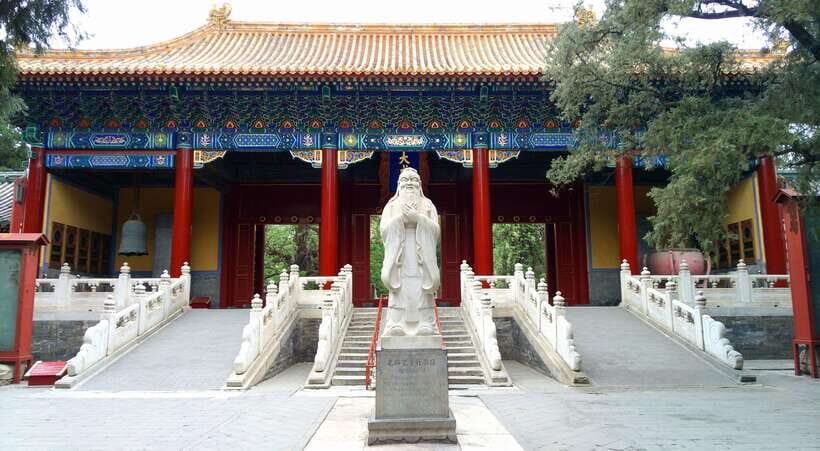
This is a 1-day experience centered on two nearby-but-distinct parts of the same cultural complex: Confucius Temple and Guozijian. In practice, your day feels like one continuous walk through courtyards and halls, with the educational theme staying consistent throughout.
I’d picture it like this: you enter the Confucius Temple area first, spend time moving through the main architectural sequence, and then shift focus toward the Imperial College sections. You’re not chasing far-off locations across the city, so you can keep your pace steady without wasting time on transit.
How long should you plan? The duration is one day, but your comfort depends on how you travel. If you’re the type who reads inscriptions and lingers for photos, give yourself the extra time. If you prefer a quicker walkthrough, you can still see the main sights without turning it into a long sit-down.
What to watch for while moving
- Courtyard-to-hall transitions: they’re where the site rhythm shows up most.
- Stone tablets: they tend to pull you in once you start noticing the names and titles.
- Exam-prayer atmosphere: if students are visiting, you’ll feel the site’s living side more strongly.
Stone tablets and scholar stories: why the inscriptions are the point
A big highlight here is the presence of ancient stone tablets. These aren’t just decorative rocks. They help turn the temple into an archive of scholarly achievement and exam-era identity—so the architecture isn’t the only “wow” factor.
When you see a tablet, it changes how you read the space. Suddenly you’re not just walking past old buildings; you’re seeing evidence that education and official recognition mattered enough to preserve in stone. If you’re into China’s exam tradition (and especially if you’ve seen how culturally important exams are), this is the part that clicks.
Practical tip: don’t try to read everything at once. If the characters are too small for your phone camera, shift your strategy. Look for the main headings, take a few photos, and zoom later. You’ll get more satisfaction that way than forcing yourself to “finish” the text during your visit.
Imperial College (Guozijian): the exam-era training ground

Guozijian is the intellectual cousin of Confucius Temple, and it’s what gives this experience its “why should I care” muscle. Historically, it was China’s top ancient educational institution. Elite scholars trained here for leadership, which explains why the whole complex feels formal and ceremonial.
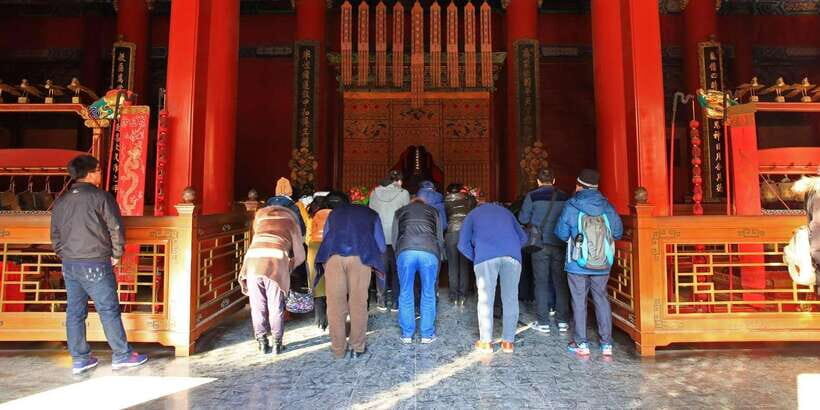
What I like about Guozijian today is that it doesn’t feel frozen. The site still attracts students who come to pray for success in their college entry exams. That adds a layer beyond sightseeing: you’re watching a cultural behavior continue in the same kind of sacred environment.
You might also catch ceremonial moments while you’re there. One person’s experience specifically mentioned being impressed by a Buddhist ceremony on-site, even when the temple grounds were full. You can’t count on a ceremony on any particular date, but if one is scheduled during your visit, it’s worth pausing for. Keep your distance and follow staff guidance.






Entering faster: skip-the-line value and the ticket handoff reality
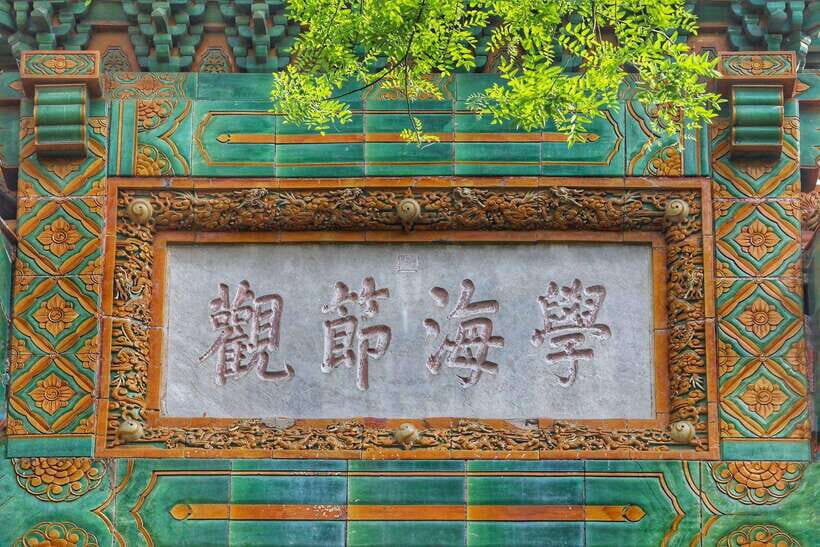
This experience markets itself around speed—fast and smooth entry is the whole idea. The good news: you do get included entry tickets for both Confucius Temple and Imperial College (Guozijian), and the experience includes skip-the-ticket-line access.
The tricky part is the ticket handoff method. You’ll first receive contact through WhatsApp. Your guide will ask for booking details, including your full name and passport number. Importantly, the QR code you receive is not the ticket. The provider sends the actual tickets after your information is collected at the proper time.
That matters because timing failures can ruin the day. The record includes cases where people didn’t receive tickets in time or had tickets that weren’t accepted, forcing them to buy again. So here’s how I’d protect your visit:
- Respond quickly when the guide messages you on WhatsApp.
- Send the full name and passport number exactly as required.
- Keep an eye out for the sent ticket message, not just the QR code.
- Arrive with enough buffer so you’re not stuck trying to fix an entry issue at the gates.
If you do those things, the skip-the-line advantage can be real. People also reported that getting tickets sent on time saved them from spending time figuring out the ticket office and purchasing on the spot.
Price and value: is $12 a fair deal?
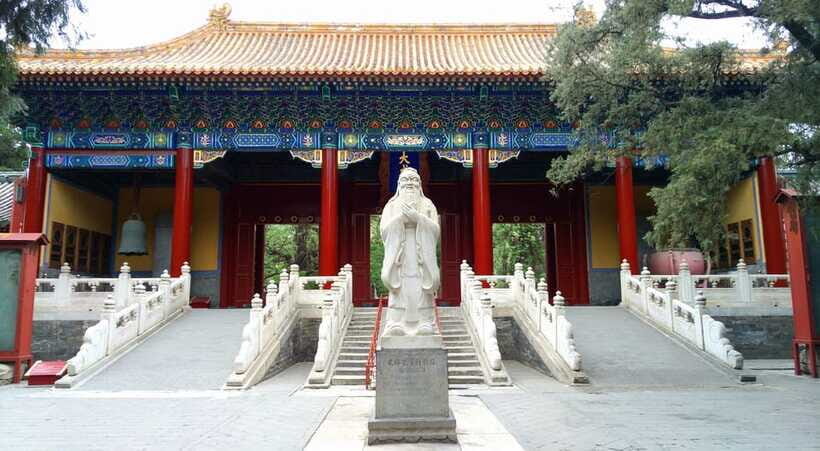
At $12 per person with entry tickets included for both Confucius Temple and Guozijian, you’re paying for convenience more than for guided content. That’s not a bad thing. This is a place where the product is the site itself—the architecture, the inscriptions, and the education theme.
Whether it feels like a great deal depends on your expectations:
- If you want a straightforward cultural visit and you appreciate historic courtyards and stone inscriptions, this can be good value.
- If you expect a modern museum-style experience with lots of interactive exhibits, you may feel let down. One comment in the record said not much to see, which is usually a sign that the visitor wanted a different kind of attraction.
Also, note the practical value of speed. When ticket buying is handled for you, you spend less time at desks and more time where you want to be: inside the courtyards.
So my take: if your ticket handoff goes smoothly and you’re into Confucius/education history, $12 can feel like a bargain.
Who this fits best (and who might want a different plan)
This one-day entry works especially well for:
- People with a tight Beijing schedule who still want a meaningful cultural stop.
- Visitors interested in China’s educational legacy and exam culture.
- Travelers who like quiet walking, respectful spaces, and reading inscriptions.
- Anyone who values wheelchair accessibility (the experience notes it is wheelchair accessible).
It might feel less satisfying if:
- You prefer hands-on museums, large exhibits, or guided narratives that explain every stop in detail.
- You strongly dislike places that rely on slow looking and cultural context rather than big spectacle.
If you’re unsure, think about your style of travel. If you enjoy understanding what you’re seeing—even in small doses—this will likely click.
Timing, weather, and comfort on the day
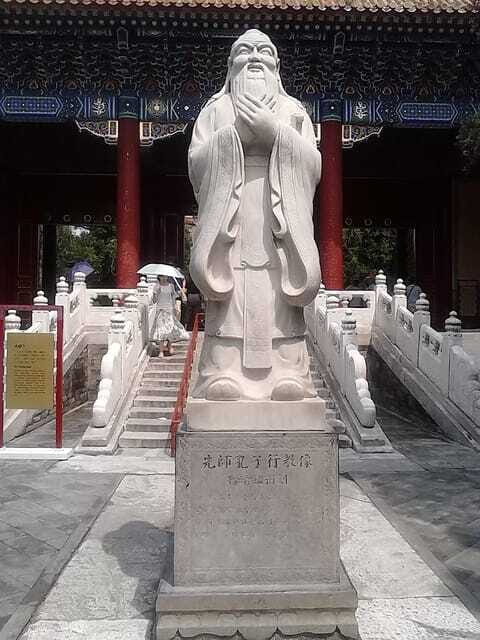
Weather can affect how pleasant the walk feels, especially in open courtyards. One entry in the record involved cancellation due to rain issues, which is a reminder that you should check conditions before heading out.
For comfort, I’d pack basic day-visit essentials:
- Comfortable shoes for stone surfaces and walking between halls.
- A small umbrella or rain layer if skies look uncertain.
- Water, because a temple visit can turn into a long wandering session once you start noticing details.
Most importantly: keep your tickets accessible on your phone. If you run into an entry problem, having the correct ticket info ready helps you react quickly.
Should you book this Confucius Temple entry with Fun China?
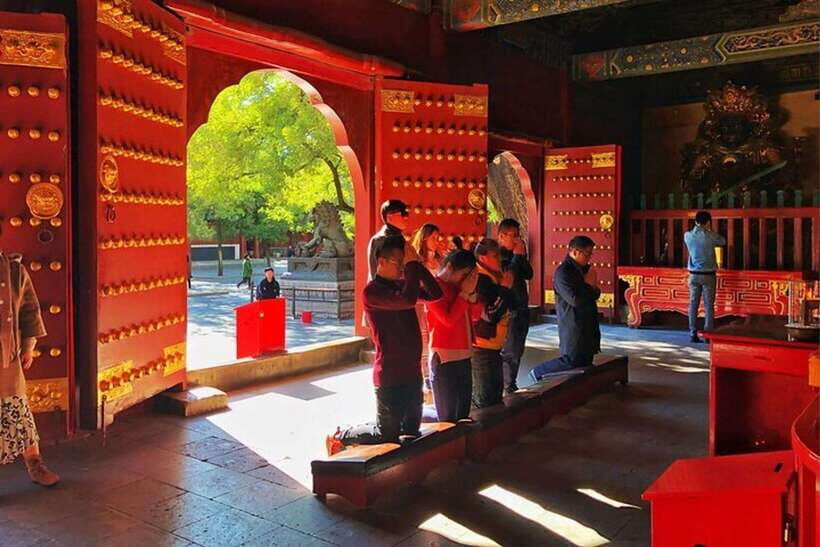
If you want a fast, low-friction way to get inside Confucius Temple Beijing and Guozijian Imperial College, I think booking can be a smart move. The price is reasonable for the included entry tickets, and the skip-the-line angle can genuinely save time—assuming your ticket message arrives on schedule.
But I’d only book if you’re willing to be proactive about the WhatsApp ticket handoff. Because the QR code isn’t the final ticket, you need to respond promptly with your name and passport number and then confirm you received the actual tickets. If you’ve got travel stress already packed into your day, build in extra time so a ticket hiccup won’t wreck your plans.
FAQ
What does this experience include?
It includes entry tickets for Confucius Temple and the Imperial College (Guozijian).
How long is the experience?
It’s valid for 1 day, from first activation.
Do I get a ticket QR code?
You may receive a guide QR code, but the QR code is not the tickets. The provider sends the actual tickets after they have your booking details.
Why do you ask for my full name and passport number?
Your guide requests visitors’ full name and passport number so the tickets can be prepared for you at the right time.
Is it wheelchair accessible?
Yes, it’s listed as wheelchair accessible.
Can I cancel for a refund?
Yes. You can cancel up to 24 hours in advance for a full refund.