REVIEW · TIANJIN
Beijing: Dumpling-Making Class with wet Market visit
Book on GetYourGuide →Operated by Catherine Lu's Tour · Bookable on GetYourGuide
Wet markets change how you eat in Beijing. You’ll see ingredients up close, then turn that know-how into dumplings and a full local meal in a family kitchen. This is a hands-on food day, not a quick photo stop.
I especially like the wet market tour for spotting ingredients and learning how Chinese cooking starts with what’s fresh. I also like the dumpling lesson itself, because you’re not just watching—you fold, cook, and eat what you make with help from the people who do it every day.
One thing to consider: the time can feel shorter than the stated 5 hours. Keep your afternoon plans flexible, and confirm the schedule when you book.
In This Review
- Key Things You’ll Remember
- Wet Market Magic: What You’ll Learn Before You Cook
- Getting There Smoothly: Hotel Pickup, Shaoyaoju, and Driver Help
- The Dumpling-Making Class: Fillings, Wrappers, and Folding Practice
- Beyond Dumplings: Choosing Your Second Dishes (Including Kung Pao Chicken)
- Lunch or Dinner at the Family Table: More Than a Meal
- Price and Value: Is $50 for 5 Hours Worth It?
- Who This Tour Fits Best (And Who Should Skip It)
- Timing, What to Bring, and Small Comfort Tips
- Should You Book This Dumpling Class and Wet Market Visit?
- FAQ
- How long is the Beijing dumpling-making class with wet market visit?
- Where do I meet the guide if I’m not using hotel pickup?
- Is it private or is it a group activity?
- What will I cook besides dumplings?
- Are there dietary restrictions I should know about?
- What language is the tour guide?
- Is wheelchair access available?
- Can I cancel for a refund?
Key Things You’ll Remember
- Wet market reality check: colors, cuts, spices, and how families actually shop
- English guide explanations: clear food context, plus culture talk during the day
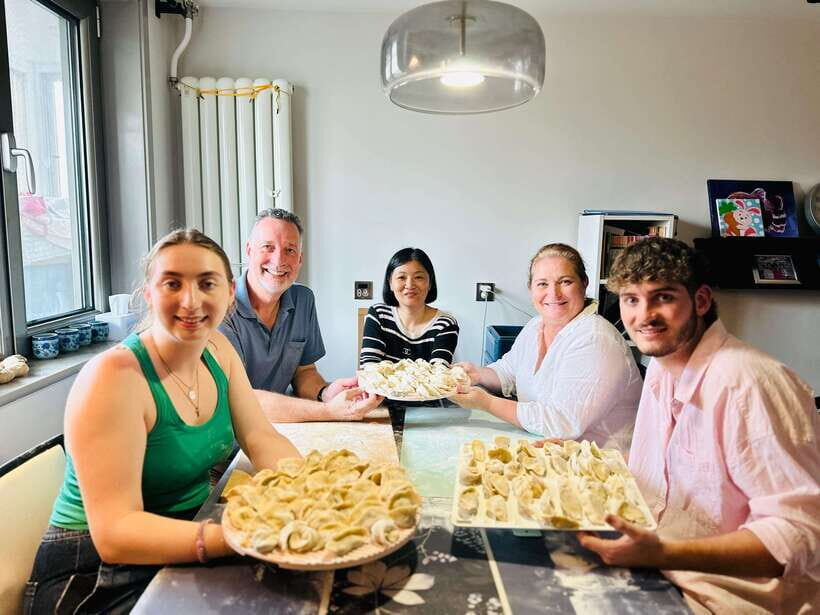
- Dumpling technique with a real family: fillings, wrappers, and practice folding
- Pick-and-choose dishes: options can include Kung Pao Chicken and more
- Tea with conversation: downtime that turns into cultural Q and A
Wet Market Magic: What You’ll Learn Before You Cook
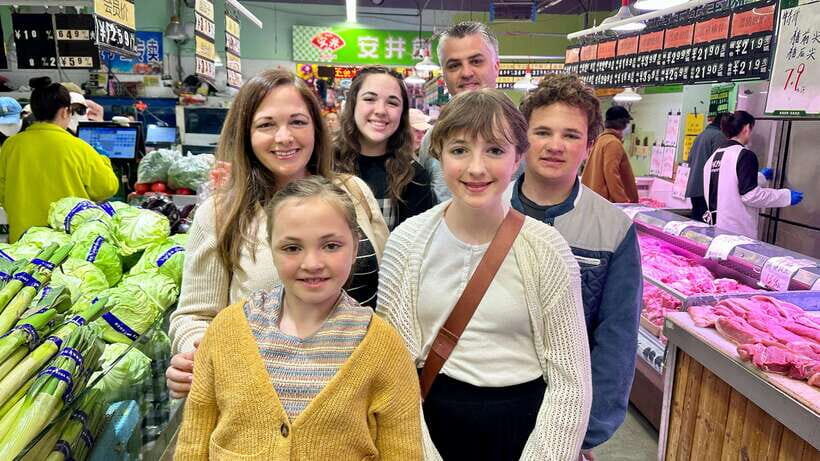
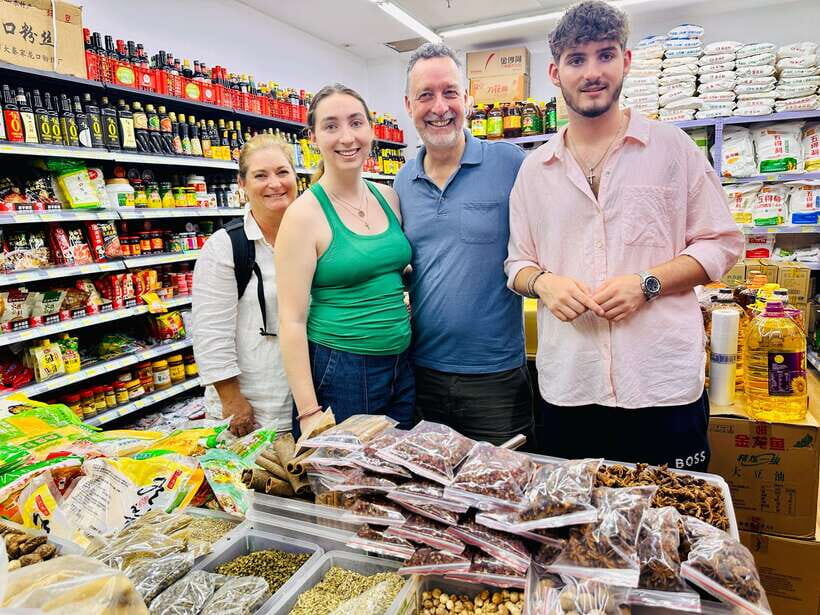
Your day starts out with a walk through a local wet market area, the kind of place that makes Chinese cooking feel practical instead of mysterious. You’ll see produce and ingredients in the forms families buy, not just the tidy versions that show up in supermarkets.
This stop matters because dumplings are only half technique. The other half is ingredient choice—meat-to-fat ratio, how vegetables are prepped, and how seasonings are balanced. In a market, you can connect those dots fast. You’ll likely get explanations along the way about what’s commonly used and why certain ingredients show up in everyday dishes.
Look for the small cues: the way vendors display items, what’s abundant, and which ingredients get attention. It’s the fastest way to understand why Chinese meals can taste so different from one region to another—food is seasonal, and shoppers notice that.
If you’re the kind of person who likes to know what you’re eating before you eat it, this market walk will click. Even if you’ve had dumplings before, you’ll start recognizing flavors differently after seeing the ingredients in context.
You can also read our reviews of more tours and experiences in Tianjin.


Getting There Smoothly: Hotel Pickup, Shaoyaoju, and Driver Help
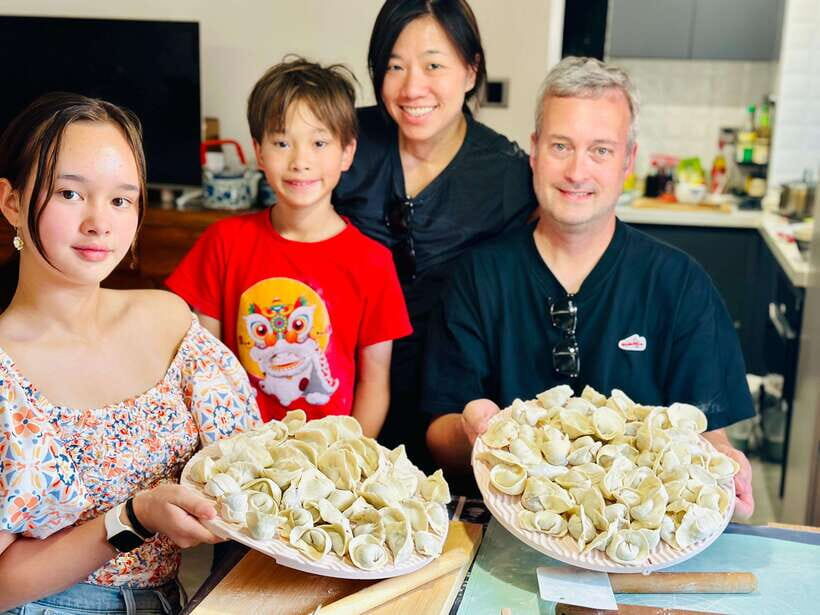
Logistics can make or break a food tour. This one keeps it simple with hotel pickup and drop-off options, plus private transportation.
If you’re not doing pickup, your meeting point is straightforward: Subway line 10 at Shaoyaoju, exit A. That’s helpful if you want to keep costs down or you’re staying somewhere not covered by pickup.
The private transfer piece is a quiet win. You spend less time figuring out where to go, and you show up with energy for shopping and cooking. Also, you avoid the awkward moment of trying to coordinate a taxi in a place where traffic can be… intense.
One more practical note: wear comfortable clothes. A market visit and a family home cooking session is not the day for stiff shoes or anything that you hate getting a little dusty.
The Dumpling-Making Class: Fillings, Wrappers, and Folding Practice
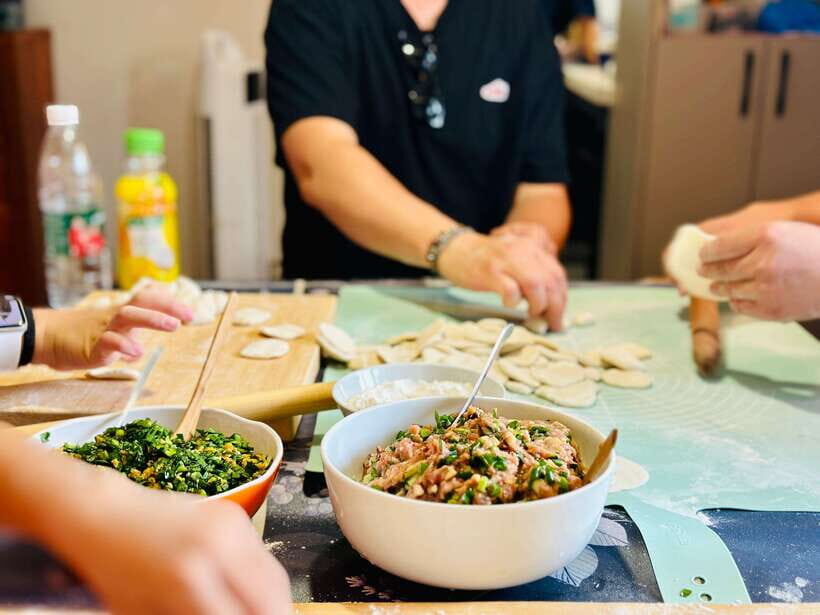
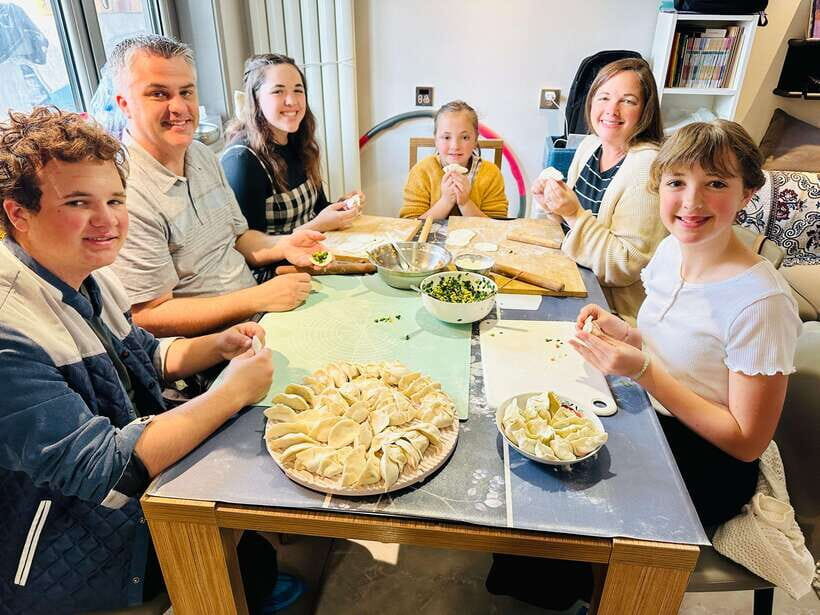
Then you head to a local family’s home, where the experience turns from “watching food” into doing food. The focus here is making dumpling fillings and using dumpling wrappers—then folding them into good shapes.
Expect a real teaching rhythm: prep, mix, assemble, and practice. You’ll work through fillings with your hosts, and you’ll learn how to portion and fold so the dumpling actually holds together. The folding step is where people often get frustrated in cooking classes, because it’s a skill. Here, you get help while you’re still learning, so you don’t feel rushed.
There’s a practical advantage to doing dumplings in a family kitchen rather than a studio. You see how people set up their workspace, how they keep things organized, and how they manage small tools and ingredients during a busy meal day.
If you want a dumpling takeaway you can use later, focus on two things:
- how much filling you add (too much makes folding harder and can affect the final texture)
- how you seal the edges (it’s the difference between a pretty dumpling and one that stays intact)
And yes, tea shows up during the experience too. That’s not just for comfort. It slows the pace in a good way and gives your hosts time to explain how they live, not just what they cook.
Beyond Dumplings: Choosing Your Second Dishes (Including Kung Pao Chicken)
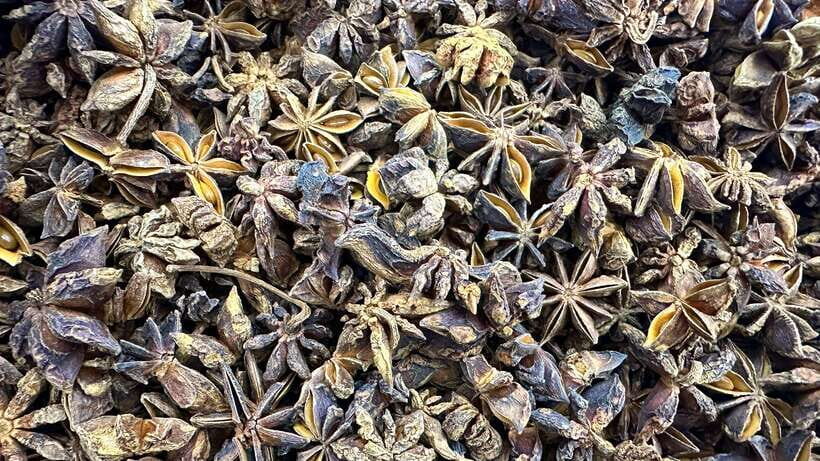
The dumpling part is the centerpiece, but you get options for cooking more. Depending on how the session runs, you can choose to make two additional dishes.
One listed favorite is Kung Pao Chicken. If you’ve had it before, you’ll likely notice the biggest changes in how the sauce is built and how ingredients are handled for flavor balance.
Other possible choices include:
- Sour Sweet Pork
- Scrambled egg with tomato
- Sauteed soy sauce cabbage
- Green bean pork
What I like about having options is that you can tailor the day to what you actually want to learn. Want something classic and spicy-salty? Kung Pao Chicken can be the one. Prefer lighter, homey flavors? The cabbage or tomato egg direction makes sense.
Also, choosing dishes turns the class into a conversation. Your guide and hosts can explain the logic behind each dish—what ingredients do, what texture matters, and how families think about a meal as a whole. It’s not just one dish drilled to perfection; it’s a small sample of how Chinese cooking fits together.
Lunch or Dinner at the Family Table: More Than a Meal
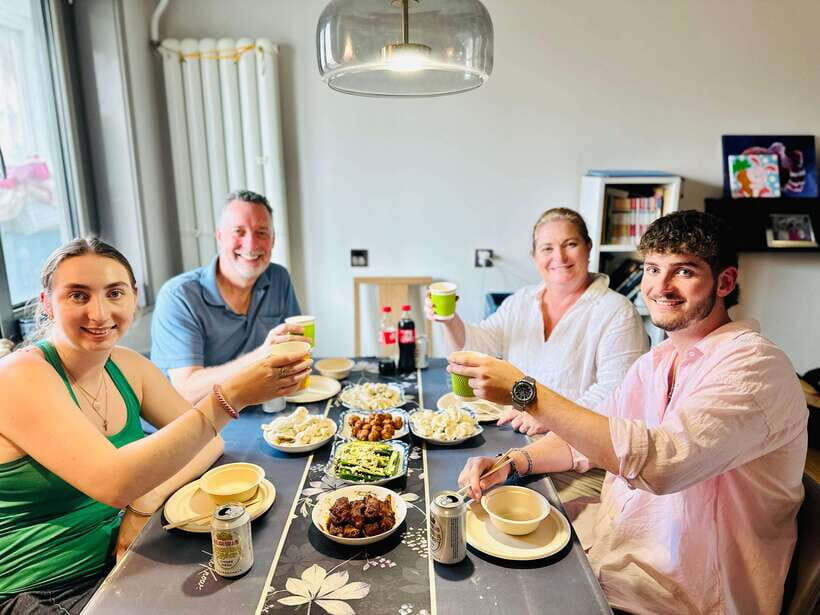
After the cooking, you eat. This is where the whole experience pays off. You get to taste the food you made alongside other local dishes from the family’s table, and you understand it from both sides—hands-on prep and real eating.
The meal also gives you a chance to ask questions while things are calm. That’s when food stories come out: what ingredients mean in daily life, how people plan meals, and what “comfort food” looks like in a Beijing home.
You’ll also have a tea-drinking experience. It’s a set moment that invites conversation—talking about your own background and hearing about theirs. This part can feel surprisingly personal, especially since you’re not in a restaurant where everyone just checks the time and leaves.
A good tip for your day: come ready with one or two simple questions. For example, ask what’s considered a must-have ingredient at home or what dishes people cook most often. Your hosts will likely steer the conversation from there.





Price and Value: Is $50 for 5 Hours Worth It?
At about $50 per person for a roughly 5-hour experience, this sits in the “buy once, get real value” category—mainly because you’re not paying for a stage and a script. You’re paying for:
- a wet market visit with explanations
- a private trip to a local home
- a hands-on dumpling class
- additional dish-making options
- lunch or dinner plus tea
If you normally spend a similar amount on a food-only tasting tour, this can feel like a better deal because you do the cooking. The private transfer element also matters. It removes stress and keeps you on pace, which lets you focus on learning.
That said, I’d treat the duration as flexible. At least one past booking notes that the actual time felt closer to under 3 hours. So if you’re planning something later the same day, don’t pack your schedule tightly. If you have a hard commitment, confirm the timing directly with the provider before you go.
Who This Tour Fits Best (And Who Should Skip It)
This tour is best for you if you want food education that’s real, not performative. It’s for people who like to:
- see ingredients in context (market first, then cook)
- learn technique (folding and sealing dumplings)
- eat what you make
- talk with real hosts about daily life
It’s also a strong pick if you’re traveling with a family member or friend and want a shared activity that isn’t just strolling.
It may be less ideal if you have food allergies. The activity notes it is not suitable for people with food allergies, so don’t gamble with uncertainty here.
If you’re traveling solo, you can still enjoy it—private or small groups are available. Just know that a cooking class is interactive, so you’ll likely be asked to participate rather than watch quietly.
Timing, What to Bring, and Small Comfort Tips
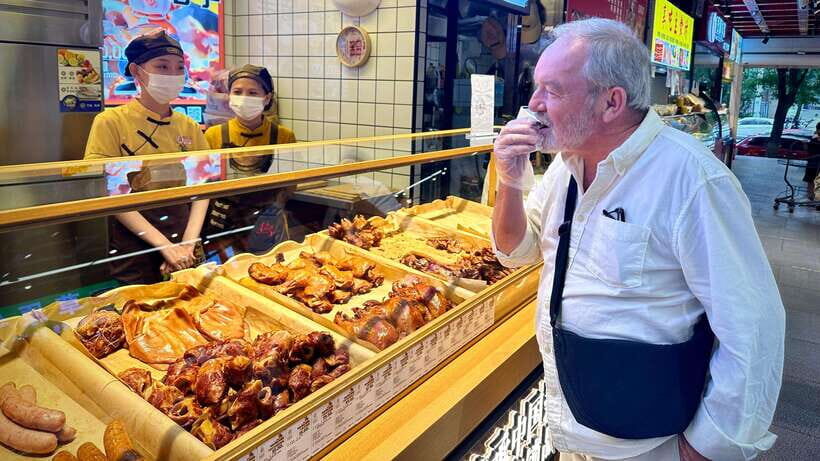
A few practical points make your day easier:
Wear comfortable clothes. You’ll be walking through the market and moving around during cooking.
Bring what the activity requests. The notes say to bring comfortable clothes and ingredients, but they don’t explain the exact nature of the ingredient requirement. If you’re unsure, message the operator after booking and ask what ingredients, if any, you should bring.
Also: smoking isn’t allowed.
Bring your appetite. You’ll have a lunch or dinner with local dishes, and you’ll drink tea.
Finally, keep an eye on the schedule. Even with a stated 5 hours, the experience can run shorter in real life. I’d plan your day so you aren’t rushing to catch the last train right after.
Should You Book This Dumpling Class and Wet Market Visit?
Yes, if you want a day that mixes ingredient education with real cooking practice. You’ll likely come away with more than memories—you’ll have a better sense of how Chinese dishes are built, plus technique you can repeat at home.
I’d book especially if you:
- like hands-on food experiences
- want to see a wet market and not just a restaurant version of it
- enjoy conversation and don’t mind spending part of the day in a family home setting
I’d pause or choose carefully if:
- you have food allergies (not suitable)
- you’re the type who needs a tightly controlled timeline (the session length can run shorter than stated)
- mobility is a major concern, since the notes include conflicting accessibility information, so you should confirm first
If your goal is authentic food learning with a warm, local feel, this is the kind of activity that’s actually worth your time.
FAQ
How long is the Beijing dumpling-making class with wet market visit?
The experience is listed as about 5 hours. In practice, timing may feel shorter, so it’s smart to keep your afternoon flexible.
Where do I meet the guide if I’m not using hotel pickup?
The meeting point is Subway line 10 at Shaoyaoju stop, exit A.
Is it private or is it a group activity?
You can choose between private or small groups.
What will I cook besides dumplings?
You can choose two more dishes, with options that may include Kung Pao Chicken, Sour Sweet Pork, scrambled egg with tomato, sauteed soy sauce cabbage, or green bean pork.
Are there dietary restrictions I should know about?
You should advise any specific dietary requirements at booking. The activity is not suitable for people with food allergies.
What language is the tour guide?
The tour guide is listed as English.
Is wheelchair access available?
The activity information contains conflicting notes: one part says wheelchair accessible, and another note says it is not wheelchair accessible. You should confirm accessibility directly before booking.
Can I cancel for a refund?
Yes. Free cancellation is available up to 24 hours in advance for a full refund.