REVIEW · BEIJING
Beijing: Lama Temple, Confucius Temple and Guozijian Museum
Book on GetYourGuide →Operated by Fun Beijing Travel · Bookable on GetYourGuide
One huge Buddha and a quiet alley walk, all in one morning. This is a smart way to see Lama Temple up close, then switch gears to Confucian learning at Guozijian Museum, before you get a real feel for Beijing life in the Hutong. I love how the tour mixes big sights with human scale moments, like watching locals worship and understanding the why behind it.
I also really like the way your guide ties the architecture to stories. At Confucius Temple and the Imperial College complex (Guozijian), you are not just looking at halls. You get the context that it was built by Kublai Khan’s grandson in 1306 and served as a supreme academy during the Yuan, Ming, and Qing dynasties. One consideration: a 4-hour schedule means you get a curated route, not unlimited wandering everywhere—so wear comfy shoes and be ready to keep moving.
In This Review
- Key highlights you will feel on the ground
- First Stop: Lama Temple and the 54-Foot Sandalwood Buddha
- The Quiet Part: Watching Local Worship at Lama Temple
- Confucius Temple and Guozijian Museum: Beijing’s Imperial Learning Machine
- What Makes the Confucian Stories Click (Instead of Getting Lost in Dates)
- Hutong Alley Stroll: Local Life, Not Just Photos
- How the 4-Hour Format Works Without Feeling Like a Whirlwind
- Price and Value: Is $80 a Fair Deal for This Mix?
- The Guides Make or Break It: What to Expect From English Narration
- Who This Tour Fits Best (and Who Might Skip It)
- Should You Book This Temples and Hutong Route?
- FAQ
- How long is the Beijing Lama Temple, Confucius Temple and Guozijian Museum tour?
- Where do I meet the guide?
- Is there an English-speaking guide?
- Are entrance fees included?
- Do you skip the ticket line?
- How do I get between sites?
- What if I want hotel pickup and drop-off?
- Which places are included in the tour?
- Can I add a dim sum meal?
- Is free cancellation available?
Key highlights you will feel on the ground
- A 54-foot sandalwood Buddha moment at Lama Temple that makes even photos feel too small
- The white sandalwood Maitreya Buddha carved from one log from Nepal, plus the stories behind it
- Confucius Temple + Guozijian in one flow linking religion, ethics, and education
- Clear explanations from English-speaking guides like Anne, Cassie, Mike, Aurora, and Ranee
- A Hutong alley stroll focused on local life and the street history around you
- Optional dim sum add-on if you want to turn the day into food and temples
First Stop: Lama Temple and the 54-Foot Sandalwood Buddha
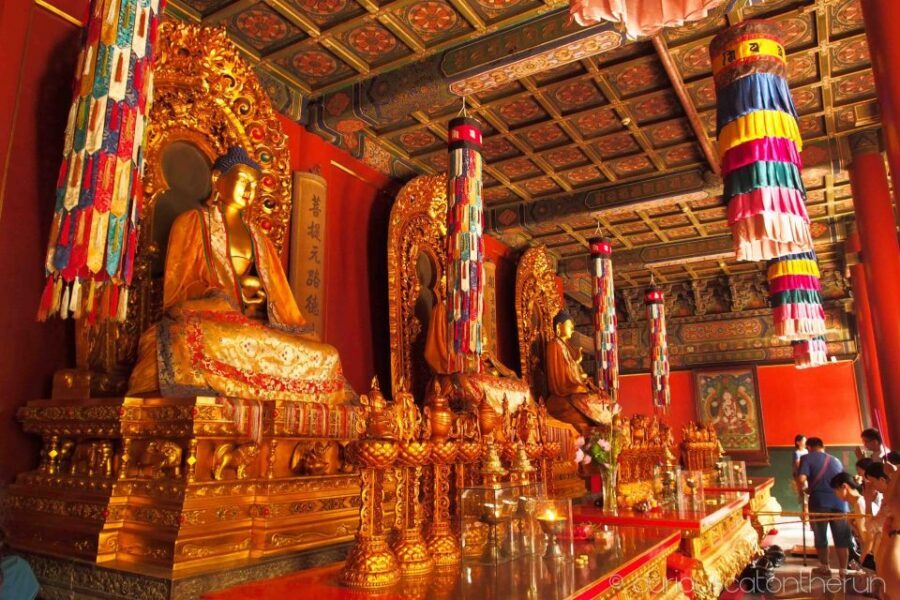
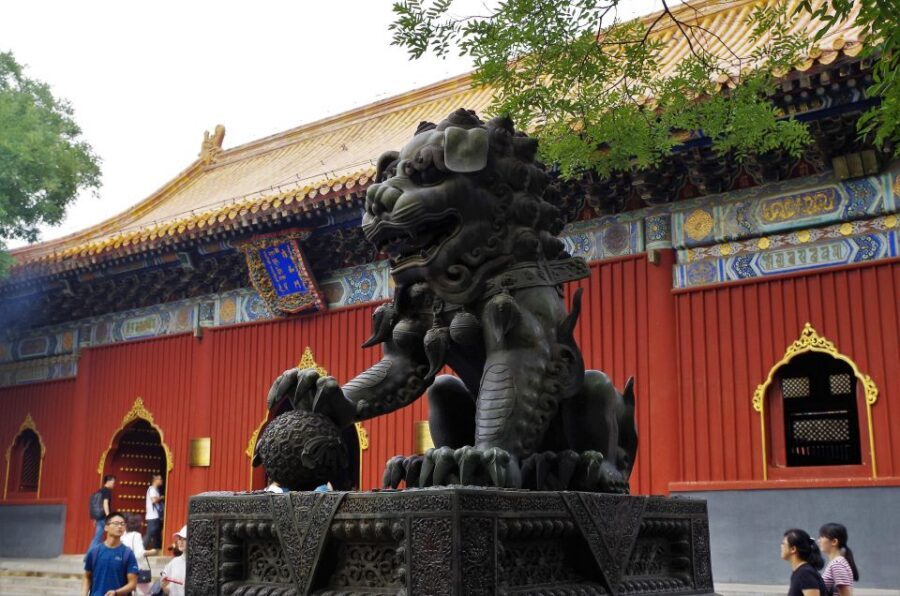
Lama Temple (in the info you will see it as part of this combined route) is the kind of place that starts the day strong. Your tour begins with pickup from your hotel lobby, then you head to Lama Temple by taxi or subway. If you choose the private car option, the trip feels easier and less fiddly, especially if you do not love coordinating rides mid-day.
Once you arrive, you follow your guide through courtyards and halls. The star attraction is the Buddha Maitreya you will see described as carved from a precious white sandalwood log from Nepal. The tour also points out that it is the biggest wooden Buddha in the world, which is a wild claim until you stand there and realize why people react like that.
What I like about how this stop is handled: you are not just handed a checklist. You get stories behind different Buddhist statues and spaces, so the buildings stop being decoration and start being meaning. If you have ever walked through a temple wondering what you are supposed to notice, this format helps you find anchors fast.
There is also a practical payoff to visiting this first. Lama Temple is a high-impact stop. If you start with it, you have something memorable to hold onto even if you later feel temple fatigue. That matters on a condensed 4-hour tour.
You can also read our reviews of more museum experiences in Beijing

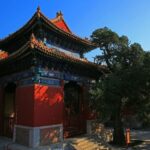
The Quiet Part: Watching Local Worship at Lama Temple
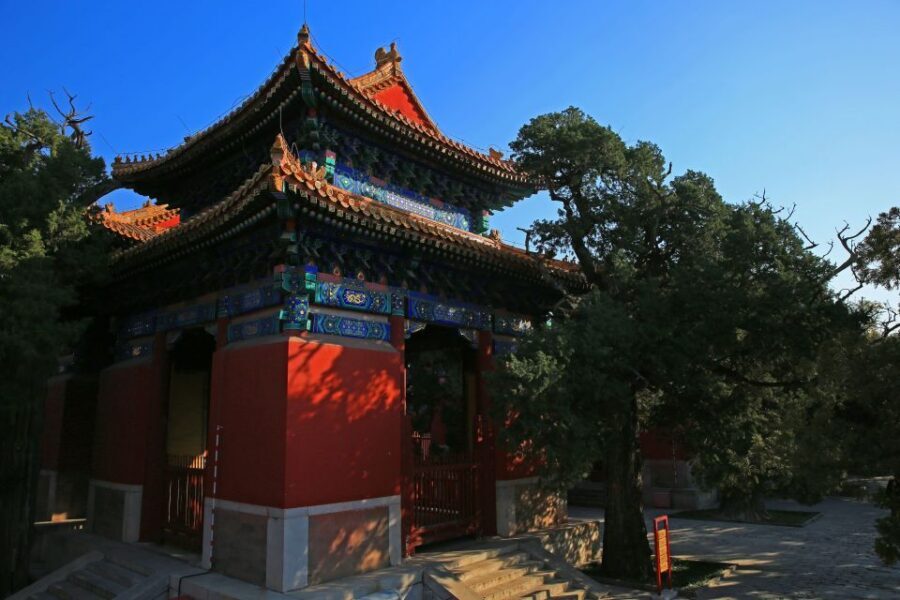
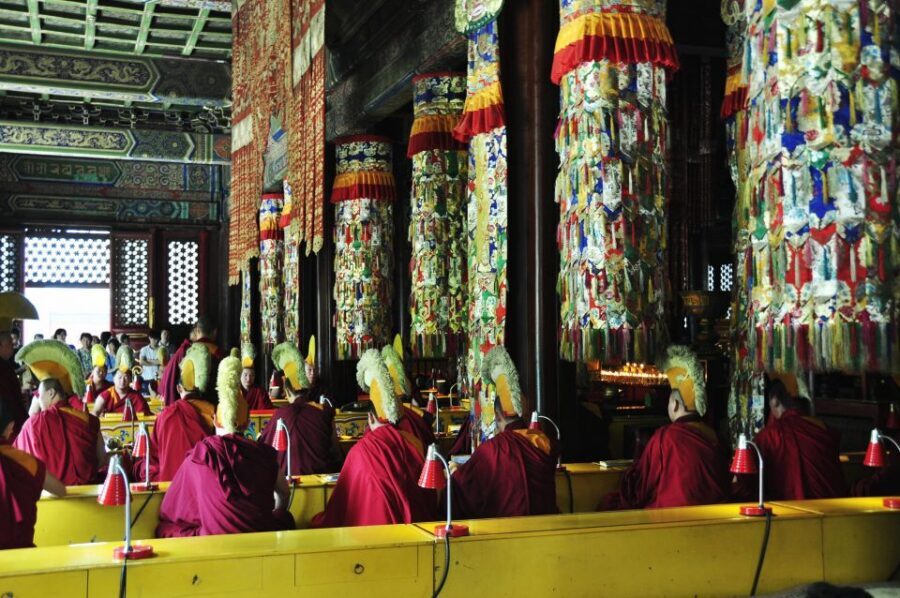
A big reason this tour feels worth doing is that it does not treat worship as a museum exhibit. You actually watch how locals worship in the temple. That simple shift changes your brain mode from sightseeing to observing.
You will learn about the religious in China through your guide’s explanations while you are standing where people are practicing. That means you can ask yourself: what gestures mean, what people seem to pay attention to, and how a place can feel both public and personal at the same time.
One small piece of advice: keep your movement gentle. When worship is happening, the respectful pace helps you get better viewing without feeling like you are rushing the moment. Your guide will guide the flow, so let that structure do its job.
Another practical note: temples often involve standing and looking upward. If you have a low tolerance for long pauses, tell yourself this is a short, high-focus segment. You are there to understand one space and one theme, not to solve every question about Buddhism in one afternoon.
Confucius Temple and Guozijian Museum: Beijing’s Imperial Learning Machine
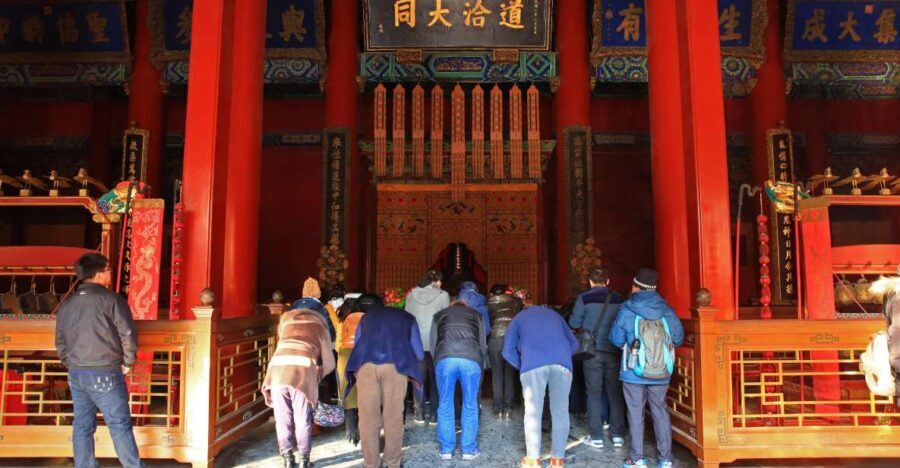
After Lama Temple, the tour shifts from religious practice to education and ethics. This is where the itinerary becomes more interesting than a standard temple-only day.
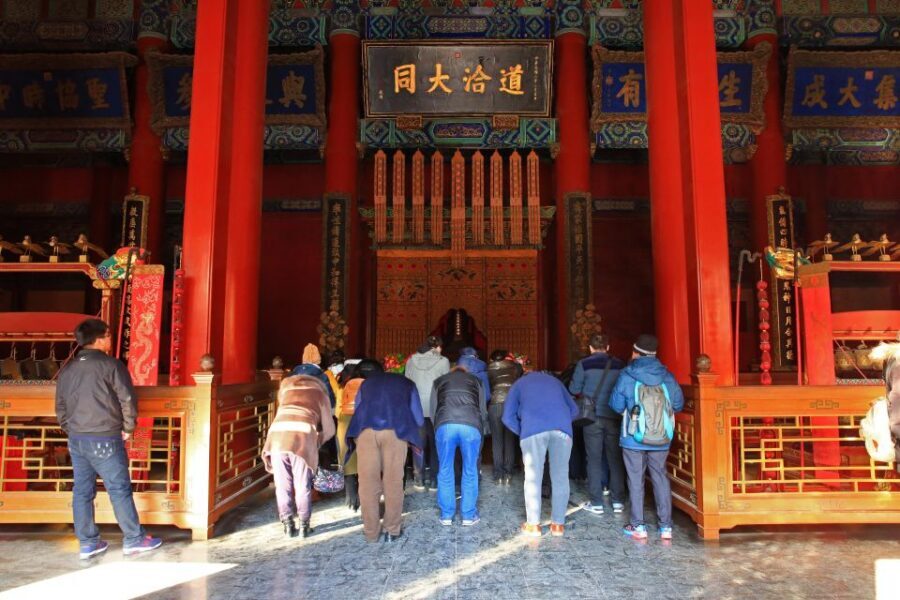
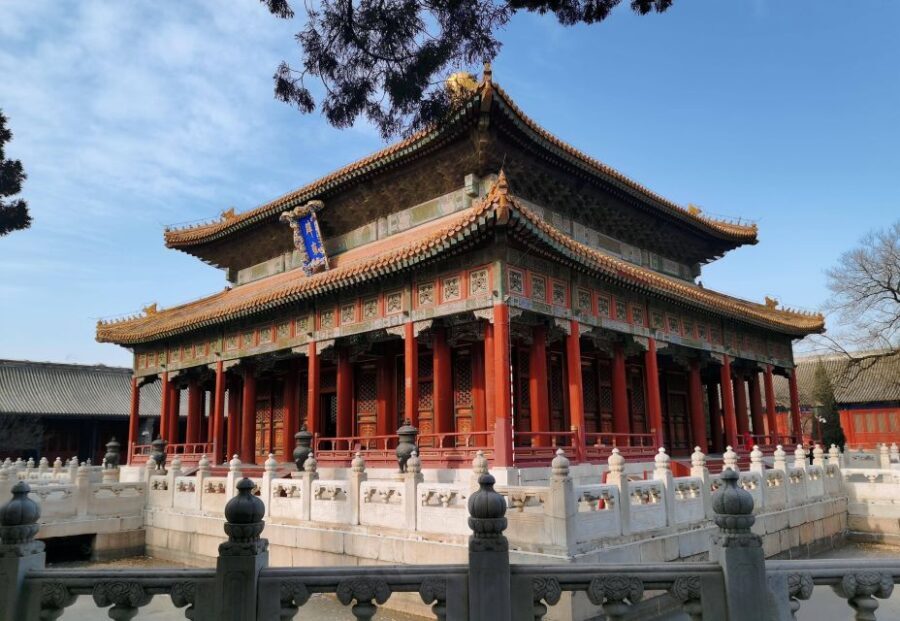
You walk through a quiet Hutong alley route to reach Confucius Temple and Imperial College (Guozijian Museum). Here the guide’s framing matters. The tour highlights that Guozijian was built by Kublai Khan’s grandson in 1306, and that the former college served as a supreme academy during the Yuan, Ming, and Qing dynasties.
That matters because you are not just touring an old school building. You are walking inside a system that helped shape leadership and learning over centuries. Confucius Temple gives you the moral foundation. Guozijian shows you what society did with that belief: it built an institution to train people for roles in government and culture.
In practical terms, what you will experience is a sequence of halls and historical settings where your guide connects what you see to the stories behind it. If you like when a place has a clear reason for existing, this stop delivers.
What Makes the Confucian Stories Click (Instead of Getting Lost in Dates)
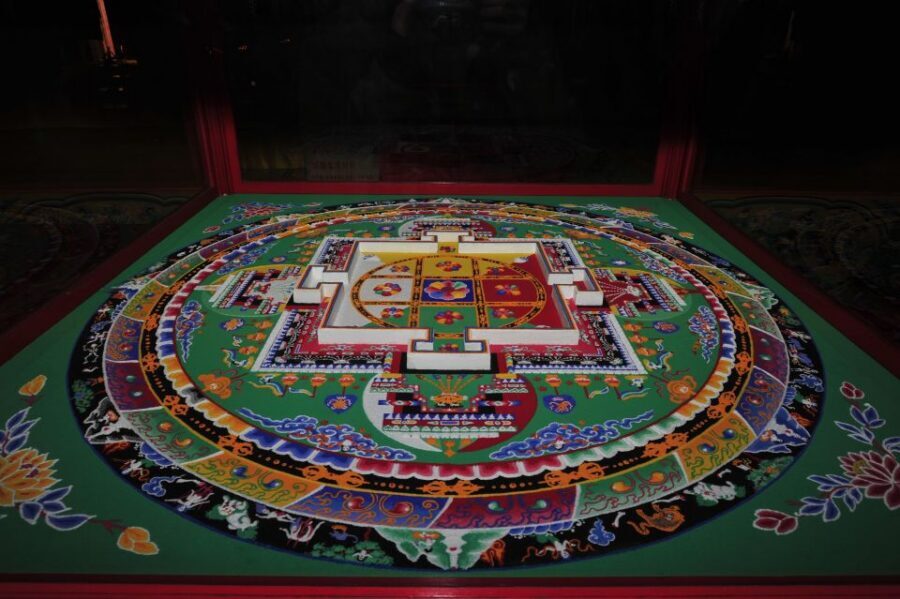
I get it: it is easy to hear a string of dynasties and feel your brain switch off. The value here is that the tour is designed to give you an interpretive thread.
Your guide links the Temple of Confucius and Guozijian’s imperial role into something you can hold onto. You move through spaces, and explanations help you connect symbols, teachings, and the idea of learning as a social engine. It is not only about who ruled. It is about how knowledge and values were supposed to work.
This is also a nice contrast after Lama Temple. Even if you do not consider yourself religious, these stops show how different belief systems were meant to guide everyday behavior. Confucianism tends to be about order and responsibility. Buddhist practice here is about devotion and spiritual focus.
If you enjoy perspective changes on your trip, this is one of the best pairings you can do in Beijing in a short time.
Hutong Alley Stroll: Local Life, Not Just Photos
Then you go outside, into the Hutong. This is the part that often feels easiest to skip, but it is also the part that gives the day its texture.
The tour takes you to stroll around Hutong alleys in the area. The focus is on history of Beijing Hutong streets and how locals live in Hutong. That makes the walk feel like a bridge: from the formal world of temples and academies to the everyday world of neighborhood lanes.
You might think of Hutong as a vibe, but the tour’s approach gives it a narrative. You are learning how the street life fits into Beijing’s longer story, not just admiring old brick and doorways.
Your tour ends there, and you can spend more time exploring, including Wudaoying Hutong. Your guide will suggest how to reach your next destination, which is helpful because the Hutong can feel like a maze if you are on your own.
One consideration: Hutong streets can be slower and narrower, which is part of the charm. If you hate delays or do not like changing pace, keep expectations realistic. This is a walking-style cultural follow-through, not a fast-hit drive-by.

How the 4-Hour Format Works Without Feeling Like a Whirlwind
A 4-hour tour sounds short for three major stops, so you should expect a curated route. That is the trade-off. You get key highlights and guide-led context, but you do not get the luxury of lingering everywhere you want.
Here is the way this format typically works best for you:
- Arrive ready to focus in each zone (temple, then academy, then alley)
- Ask questions once you see the objects or spaces you are curious about
- Plan your energy so the late part (Hutong walk) does not feel like an afterthought
Also, the itinerary includes hotel pickup. That reduces stress early, and it keeps you from spending your mental energy on figuring out where to meet.
A related detail that matters: the tour includes entrance fees and skip the ticket line. In Beijing, those small time savers can make the day feel calmer. You can spend more time actually looking and less time stuck in queues.
If you want a more relaxed day, choose the private transfer option. The info notes taxi or subway is possible, but private car is there specifically to make the trip easier.
Price and Value: Is $80 a Fair Deal for This Mix?
The listed price is $80 per person for a 4-hour private-group experience, with English guide, hotel pickup, entrance fees, and skip-the-ticket-line included. That is not a bargain price like a basic bus tour, but it also is not a luxury fee.
Here is why it can feel like value:
- You are paying for guide interpretation, not only entry tickets. Temple and academy sites can be confusing without context, and the tour is built around that explanation.
- You get multiple major sights in one route: Lama Temple, Confucius Temple, Guozijian Museum, plus the Hutong alley walk.
- You get transport support through hotel pickup, and optional private transfer if you choose it.
- You have a time-efficient structure. Four hours is exactly long enough to see a lot without losing the whole day.
About the included extras: the tour notes an option to combine with a delicious dim sum meal. If you were already planning to eat nearby, that could make the value feel even better because you are not adding another separate plan.
In short: this is a good price if you want clarity and pacing, not just access to sights.
The Guides Make or Break It: What to Expect From English Narration
One of the most praised parts of this kind of tour is the guide. In the guidance examples shared, names like Anne, Cassie, Mike, Aurora, and Ranee are mentioned for excellent English and good storytelling.
I think this matters because the standout objects here are big and impressive, but the real payoff is the meaning behind them—why the Buddha forms matter, how Confucian learning shaped institutions, and how the Hutong street history connects to daily life.
If you get a guide who can explain clearly, the tour stops feeling like sightseeing and starts feeling like you understand what you are looking at.
Who This Tour Fits Best (and Who Might Skip It)
This tour is ideal if you:
- Want temples plus local street life without a full day commitment
- Prefer an English-speaking guide who gives stories behind what you see
- Like a structured route where you do not have to plan each connection
- Enjoy cultural contrasts, like Buddhism followed by Confucian education
It might be less ideal if you:
- Hate walking and moving between stops quickly
- Want long, unstructured time in one site (this is curated, not open-ended)
- Plan to visit multiple other major sights the same day, because the time is already assigned
Also, a private group is part of the experience here. That can feel better if you want to ask a question without feeling like you are competing with a crowd.
Should You Book This Temples and Hutong Route?
If you want a high-impact day that still feels human, I think this is a smart booking. The combo of Lama Temple, Confucius Temple/Guozijian, and the Hutong alley walk gives you both big spiritual symbols and real neighborhood atmosphere.
Book it if you value:
- a guide who can explain what you are looking at
- entry fees handled for you and time saved by skipping the ticket line
- a route that makes sense in 4 hours
Skip it only if you are the type who wants hours alone in one place, or you already know the context and just want photos and wandering. For everyone else, this tour is a practical, well-shaped way to see several sides of Beijing in one afternoon.
FAQ
How long is the Beijing Lama Temple, Confucius Temple and Guozijian Museum tour?
It lasts 4 hours.
Where do I meet the guide?
Your guide meets you in your hotel lobby and holds a sign with your name.
Is there an English-speaking guide?
Yes, the tour includes an English-speaking live guide.
Are entrance fees included?
Yes, entrance fees are included.
Do you skip the ticket line?
Yes, the tour includes skip-the-ticket-line service.
How do I get between sites?
You can take a taxi or subway, and there is also an option for a private car to make the trip easier.
What if I want hotel pickup and drop-off?
Hotel pickup is included. Transfer and hotel drop-off depend on whether you choose the private-car option.
Which places are included in the tour?
The tour covers Lama Temple, the Temple of Confucius, Guozijian Museum (Imperial College), and then a Hutong alley stroll.
Can I add a dim sum meal?
Yes, there is an option to combine the tour with a dim sum meal.
Is free cancellation available?
You can cancel up to 24 hours in advance for a full refund.