REVIEW · BEIJING
Beijing: Top Michelin Vegetarian Restaurant Reservation
Book on GetYourGuide →Operated by PANDA HAPPY JOURNEY IN CHINA · Bookable on GetYourGuide
A stop at Jing Zhaoyin is a smart shortcut to great dining in Beijing. This Michelin Three-Star vegetarian restaurant mixes traditional Chinese technique with a sustainability-minded philosophy, so your meal feels both thoughtful and filling. I especially love the focus on whole-food ingredients like mushrooms, soy, vegetables, and whole grains, built around cooking that’s low in oil, fat, sugar, and salt.
The second thing I like: the whole experience is designed to slow you down, not rush you. Still, one possible drawback is that the meal itself isn’t cheap—your reservation may cost very little, but the average spend at the restaurant is listed around 1200 RMB per person, so go in ready for a real sit-down.
In This Review
- Key Things to Know Before You Go
- Why Jing Zhaoyin Is a Different Kind of Michelin Meal
- Location Magic Near Tiananmen, the Forbidden City, and Yonghe Temple
- What You’ll Taste: Mushrooms, Soy, Veg, and Whole Grains
- The Slow-Food Pacing That Makes It Worth the Reservation
- Chef Gary: Culinary Training Meets Nutrition Science
- Price and Value: Reservation Cost vs. Meal Spending
- A Simple 2-Hour Plan That Fits a Beijing Day
- Service Style and What the Praise Usually Points To
- Who This Fits Best (And Who Might Want Another Option)
- Should You Book This Michelin Vegetarian Reservation?
- FAQ
- How long is the Jing Zhaoyin reservation experience?
- What meals can I reserve at Jing Zhaoyin?
- Is the listed price what I spend on food?
- Where is the restaurant located in Beijing?
- Does the booking include a guide?
- Can I cancel if my plans change?
- Is it wheelchair accessible, and are there any rules?
Key Things to Know Before You Go
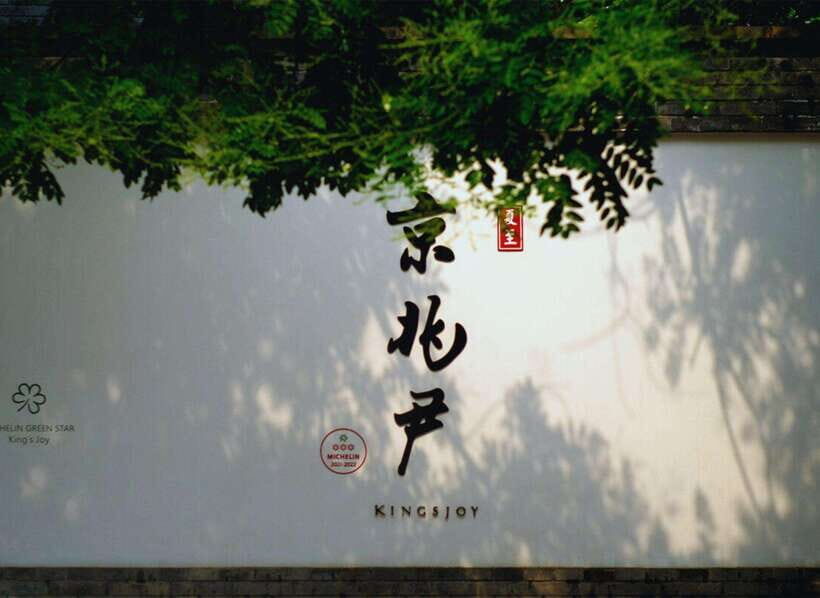
- Michelin Three Stars plus Michelin Green Star: a rare pairing of top-tier cooking and sustainability focus.
- Harvard Business Review connection: the restaurant has been studied in major business case material.
- Built for vegans and veggie skeptics: the menu leans on mushrooms, soy, and grains for depth.
- Low-oil, low-salt cooking philosophy: you’re eating “healthy” in a practical, flavor-first way.
- Chef Gary’s plant-and-nutrition background: culinary training meets science-minded credentials.
- Small group dining window: limited to 10 participants, which helps keep the pacing relaxed.
Why Jing Zhaoyin Is a Different Kind of Michelin Meal
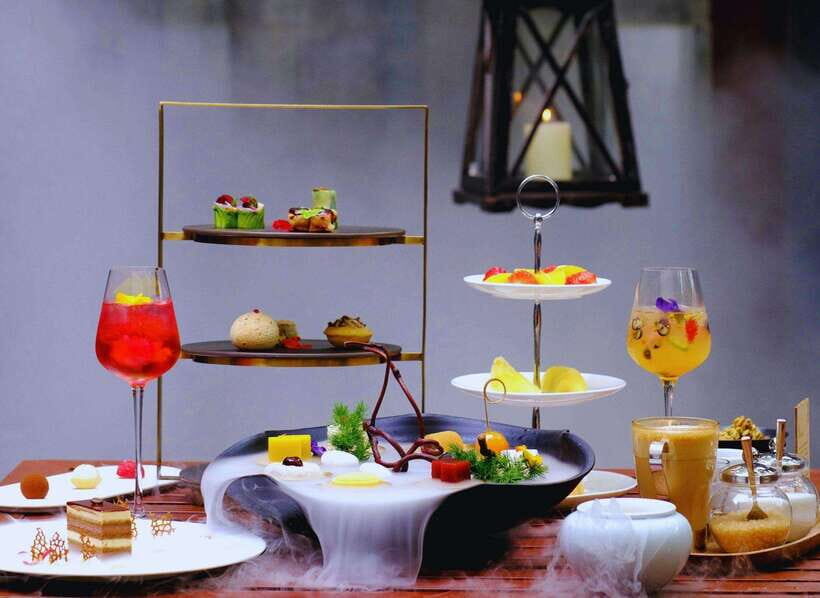
If your idea of fine dining is only meat-and-butter, Jing Zhaoyin is the argument against that. This is a Michelin-star vegetarian restaurant where the goal isn’t to fake meat; it’s to bring out the natural character of plants. The restaurant describes its philosophy as Joy, Harmony, and Slow Food with Precious Vegetables, which is basically a promise that the food will taste intentional, not like an afterthought.
The “premium” part isn’t just branding. The kitchen follows clear constraints: cooking that’s low in oil, fat, sugar, and salt, paired with ingredients chosen for a more natural profile. The menu centers on mushrooms, soy products, vegetables, and whole grains—foods that can be quietly powerful when the technique is right.
And yes, the restaurant’s reputation is stacked. In the 2024 Beijing Michelin Guide, it’s listed as Michelin Three Stars, and it has maintained its Michelin Green Star win for the fourth consecutive year. On top of that, it’s described as a four-time global Michelin Four-Star restaurant, so even if you don’t track every Michelin label, you can see the direction: consistent excellence, not a one-off.
A few more Beijing tours and experiences worth a look


Location Magic Near Tiananmen, the Forbidden City, and Yonghe Temple
One practical win: you’re eating in a part of Beijing that makes sightseeing easy. Jing Zhaoyin is described as very close to Tiananmen Square, the Forbidden City, and Yonghe Temple. That matters because it lowers friction on a day packed with major sights.
Here’s how I’d plan around it: if you’re doing Forbidden City or the Temple circuit, a meal at Jing Zhaoyin becomes a natural anchor. You won’t need a long commute just to eat well. Even if Beijing traffic changes your timing, being near these landmarks typically gives you more options for how to stitch your day together.
Also, because this is a reservation-based experience with “skip the ticket line” noted, you’re less likely to lose time when Beijing is busy. That’s worth it when you’re already juggling museum entry lines and timed plans.
What You’ll Taste: Mushrooms, Soy, Veg, and Whole Grains
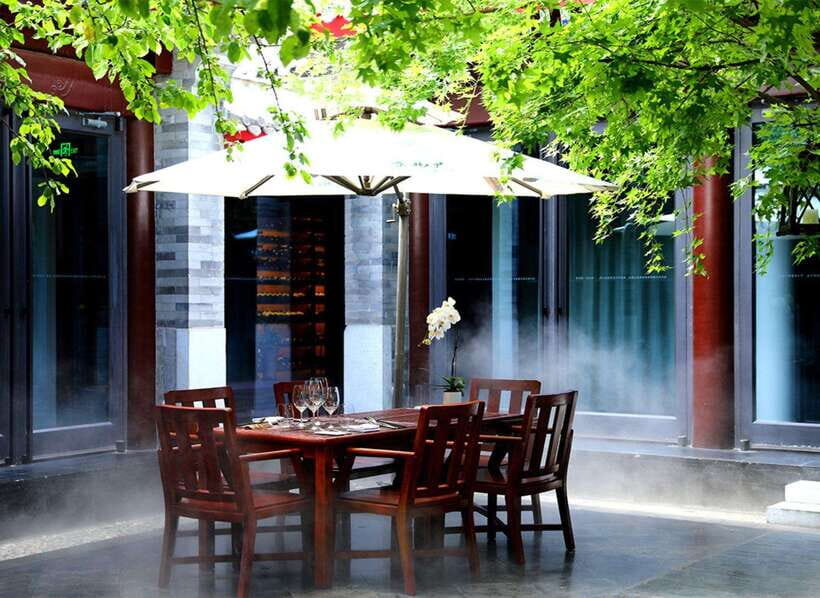
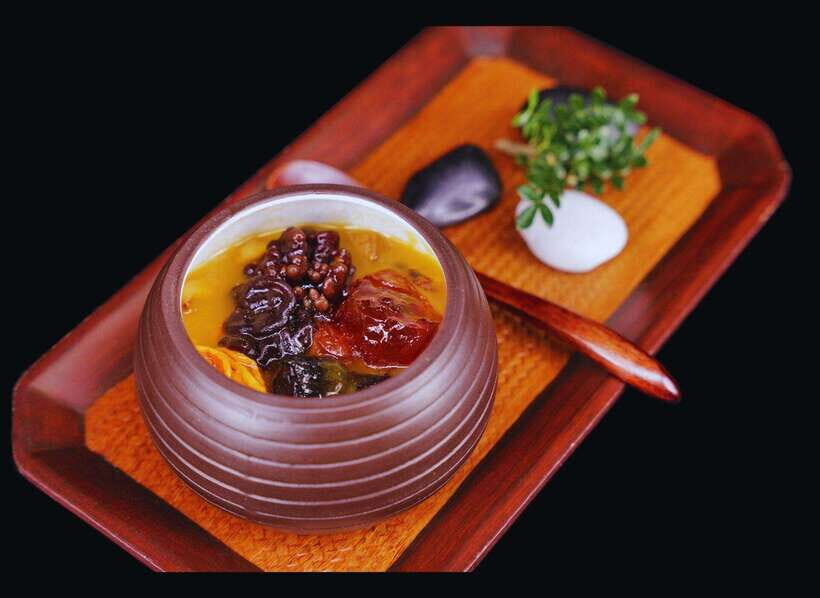
The most honest way to describe the food: it’s vegetarian cooking with structure. The restaurant uses plant-based ingredients and aims for dishes that stay “pure” and healthy in the way they handle taste and seasoning.
From the menu focus, you can expect several major categories showing up again and again:
- Mushrooms, which can deliver umami and meaty texture without meat
- Soy products, often used for body and depth
- Vegetables, treated as main characters rather than side dishes
- Whole grains, helping the meal feel balanced and satisfying
The restaurant also emphasizes how it cooks: low oil, low fat, and low salt, with high fiber and no artificial additives. That’s not just marketing language for the health crowd. Lower oil and salt can change how dishes taste—more clarity, less “heavy” flavor coating—and that tends to let the natural flavors come forward.
One thing you should keep in mind: dishes like this can feel lighter than a Western heavy meal, but they’re not necessarily small. Between fiber-rich ingredients and the variety of mushrooms, soy, vegetables, and grains, you can still leave full. The meal is designed to satisfy hunger, not just provide a health lesson.
The Slow-Food Pacing That Makes It Worth the Reservation
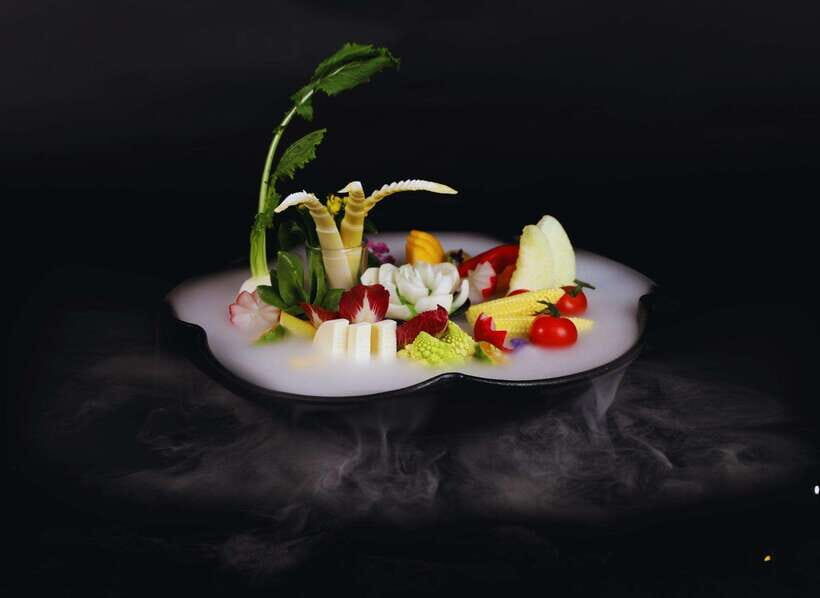
This experience is listed as 2 hours, and that timeframe matters. You’re not just grabbing food; you’re settling in. With a small group size—limited to 10 participants—your meal has less chance of feeling like a production line.
In practice, this kind of pacing is what makes a high-end vegetarian meal work. When a restaurant leans into low oil and careful seasoning, the flavors often unfold step by step rather than hit all at once. A slower rhythm gives you time to notice the differences across dishes: the range from mushroom savoriness to soy richness to the freshness of vegetables.
Also, the reservation service is meant to remove one of Beijing’s biggest headaches: waiting. Instead of rolling the dice on walk-in seating, you arrive at your reserved time and start eating. For a meal this acclaimed, that’s a major part of the value.
Chef Gary: Culinary Training Meets Nutrition Science
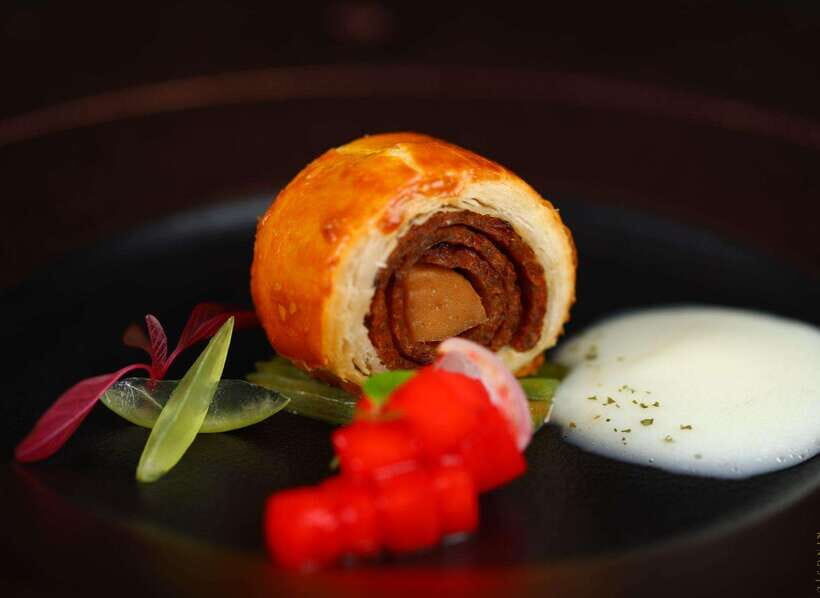
One of the reasons Jing Zhaoyin feels more purposeful than typical vegetarian dining is the way its leadership is described. The head chef is named Gary, and his background blends culinary heritage, formal management education, and plant-focused science credentials.
Here’s what the info points to:
- His roots are in Beijing and influenced by family culinary heritage
- He holds a bachelor’s degree from the Rotman School of Management at the University of Toronto
- He has an MBA from Glion Institute of Higher Education in Switzerland
- He is a WSET Level 2 certified sommelier
- He also has nutritional science credentials connected to Cornell University’s Department of Plant Sciences
That combination matters in a food review. The restaurant can focus on flavor without losing sight of health goals. And the sommelier credential suggests the dining room takes drinks seriously, even though the exact pairing options aren’t spelled out in the details you provided. At minimum, it’s a hint that your experience won’t treat beverages like an afterthought.
Bottom line: this is vegetarian cuisine with leadership that’s clearly interested in both taste and how food affects the body.



Price and Value: Reservation Cost vs. Meal Spending
The pricing can look confusing at first glance, so let’s make it simple.
- The activity price is listed as $7 per person, which aligns with the value being the reservation service itself.
- The “Average Spending per Person” at the restaurant is listed around 1200 RMB per person, which is your actual dining bill.
So what are you really paying for with the reservation? Mostly time and certainty. In Beijing, that’s not a small deal. When you’re targeting a Michelin-level restaurant, your biggest risk is losing time—either waiting for a table or negotiating seating when you have a tight sightseeing schedule.
Also, the meal’s philosophy (low oil, low sugar, low salt; fiber-forward ingredients; no artificial additives) suggests you’re paying for a specific style of production, not just a generic vegetarian menu. In other words, it’s not just “nice food,” it’s “nice food done with constraints.”
If your budget is tight, you might treat this as an occasional splurge. If you can handle around 1200 RMB for lunch or dinner, the reservation is a smart way to make sure that splurge happens on your schedule.
A Simple 2-Hour Plan That Fits a Beijing Day
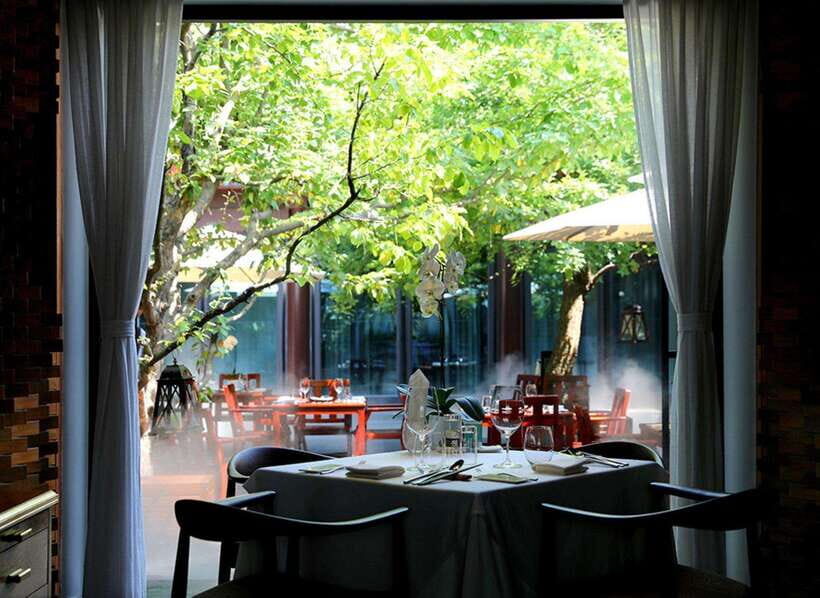
There isn’t a multi-stop walking tour here. The “itinerary” is basically your dining window, and that can be a relief when you want a break from constant sightseeing.
Typically, you’ll do this:
- Arrive near the restaurant around your reserved time (the location is very close to Tiananmen Square and the Forbidden City area).
- Sit down without the normal table-hunt stress.
- Enjoy a paced meal designed around slow-food thinking, with a menu that highlights mushrooms, soy products, vegetables, and whole grains.
- Finish within the 2-hour timeframe.
Because the reservation service is offered for lunch, dinner, and afternoon tea, you can also pick the timing that best matches your day’s energy. Lunch can be a midday reset after walking. Dinner can be a calm, indoor finish after major attractions. Afternoon tea is a nice option if you want something structured but lighter than a full dinner vibe, though the details don’t specify exact serving styles.
Service Style and What the Praise Usually Points To
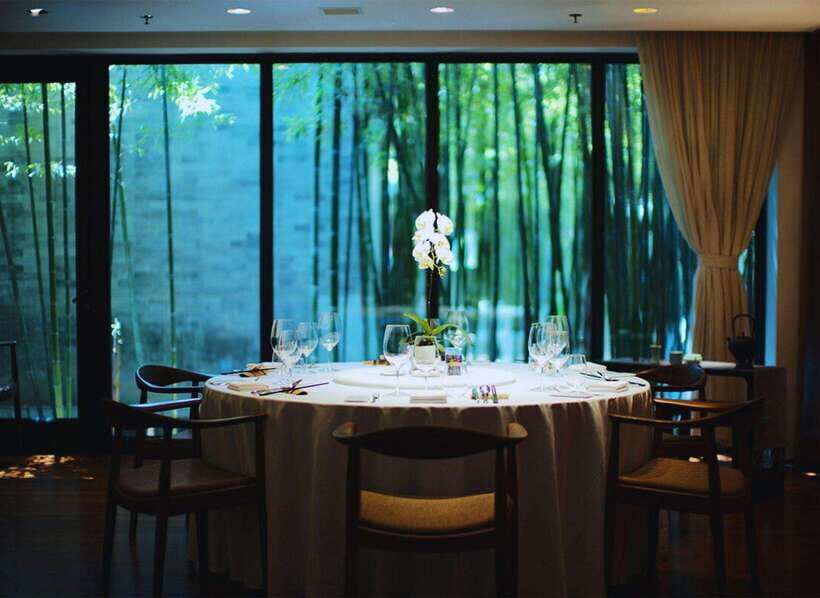
When a restaurant is Michelin-recognized and repeatedly linked to health and sustainability, the dining-room experience often becomes part of the story. From the standout themes tied to this restaurant, the biggest strengths are the food quality and service.
You can expect a meal that feels “made,” not improvised. The restaurant is described as low in oil and salt with no artificial additives, which implies attention to how each dish is built. And when service is strong, it makes a difference in a restaurant like this, because your brain is trying to understand unfamiliar flavor combinations while also trusting the pacing.
Also, the overall reputation shows up clearly in what people say about the experience: the words used in the strongest feedback are about the meal being a true standout. That’s what you want from a reservation like this. You’re not taking a chance on a random vegetarian restaurant; you’re choosing a place built for repeat admiration.
Who This Fits Best (And Who Might Want Another Option)
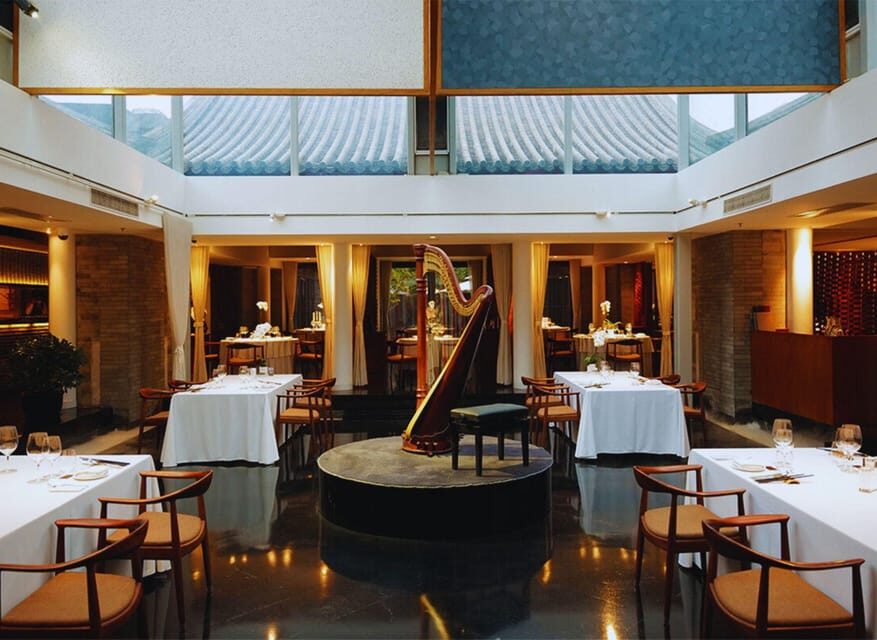
Jing Zhaoyin works especially well for:
- Food travelers who want a Michelin experience without meat
- Health-minded diners who still want flavor depth
- People curious about how Chinese vegetarian cuisine can be serious, not secondary
- Anyone staying near Tiananmen who wants a well-timed dining break
It might be less ideal if:
- You’re looking for quick, street-food style energy
- You don’t want to budget for a meal where the average spend is listed around 1200 RMB per person
- You’re expecting a long guided tour with multiple stops (this is mainly the restaurant experience)
Also note a simple rule: no smoking is allowed. Easy, but it’s good to know upfront.
Should You Book This Michelin Vegetarian Reservation?
I’d say book it if you want one of Beijing’s most credible vegetarian fine-dining experiences and you value not wasting time hunting for a table. The combination of Michelin Three Stars, Michelin Green Star consistency, and a food philosophy built around low-oil, low-sugar, low-salt cooking makes it a practical choice for both taste and wellbeing.
I would skip booking only if your schedule is ultra-flexible and you’re happy to take chances, or if your dining budget can’t stretch toward the listed average spending. In that case, Beijing has plenty of vegetarian options, but you’ll be giving up the “high-certainty” experience that a reservation here is designed to deliver.
FAQ
How long is the Jing Zhaoyin reservation experience?
It’s listed as a 2-hour experience. Check availability for the starting times offered.
What meals can I reserve at Jing Zhaoyin?
The reservation service covers lunch, dinner, and afternoon tea.
Is the listed price what I spend on food?
No. The activity price is listed separately, while the restaurant’s average spending per person is around 1200 RMB. Dining expenses are not included.
Where is the restaurant located in Beijing?
It’s described as very close to Tiananmen Square, the Forbidden City, and Yonghe Temple.
Does the booking include a guide?
The reservation service is included, but a tour guide and audio guide are not included.
Can I cancel if my plans change?
The experience includes free cancellation up to 24 hours in advance for a full refund.
Is it wheelchair accessible, and are there any rules?
It’s listed as wheelchair accessible, and smoking is not allowed. The group is limited to a small size (up to 10 participants).
If you want, tell me your travel month and whether you prefer lunch or dinner, and I’ll help you pick the best timing based on what you’re likely to do around Tiananmen and the Forbidden City area.