REVIEW · BEIJING
Old Beijing Dinner Tour
Book on Viator →Operated by UnTour Food Tours · Bookable on Viator
Old Beijing food starts with one short walk. I like how this small-group dinner tour keeps things relaxed, then sends you into hutong neighborhoods where locals actually eat. It pairs walking with guided stops, so you don’t waste your evening guessing where to find the best northern Chinese dishes.
I also like that the meal is built from multiple tastings, not one single restaurant order. Expect a serious run of food plus drinks, so the only real drawback is that it can leave you very full by the end.
In This Review
- Key highlights worth your time
- Why this dinner tour beats a random restaurant pick
- Finding the meet-up: Beixinqiao Station, 7:00 pm
- The hutong walk: narrow lanes that change how you taste
- Stop 1: UnTour Food Tours brings you into local shops
- Stop 2: Hutong tour food stops that you can’t easily find alone
- The tastings: hotpot, dumplings, sauced meats, and more
- Beer with dinner: pairing that keeps the evening moving
- Stop 3: Nuoyan Rice Wine Shop and the rice wine tasting flight
- Stop 4: Ghost Street (Gui Jie) snack time, about 10 minutes
- Guides and group size: how this stays personal
- What to bring and how to pace yourself
- Price and value: $75 for a whole evening of meals and drinks
- Who should book this tour, and who should reconsider
- Should you book the Old Beijing Dinner Tour?
- FAQ
- How long is the Old Beijing Dinner Tour?
- Where does the tour start and end?
- What’s included in the price?
- Is hotel pickup and drop-off included?
- How big is the group?
- Can the tour accommodate dietary requirements?
Key highlights worth your time
- Small groups (about 8, up to 12) keep the evening friendly and easy to follow
- Hutong neighborhood route takes you off the main streets and into local lane life
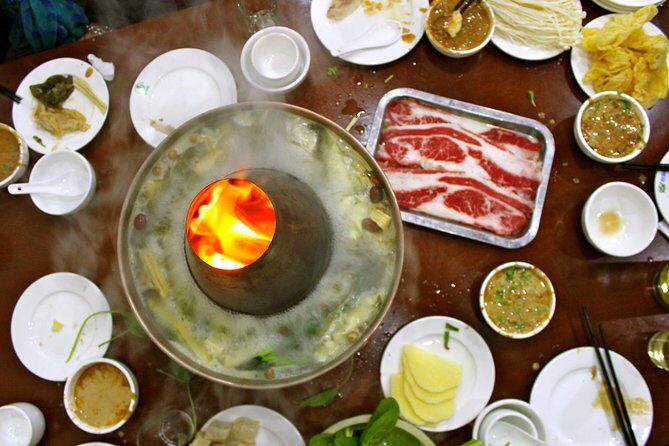
- Northern Chinese tastings can include Mongolian-style hotpot, hand-stuffed dumplings, and sauced meats
- Local beer + bottled water are part of the flow, so you’re not hunting for drinks mid-walk
- Rice wine tasting flight at a boutique producer adds a second layer beyond food
- Ghost Street snack stop (Gui Jie) gives you a quick, classic place to linger
Why this dinner tour beats a random restaurant pick
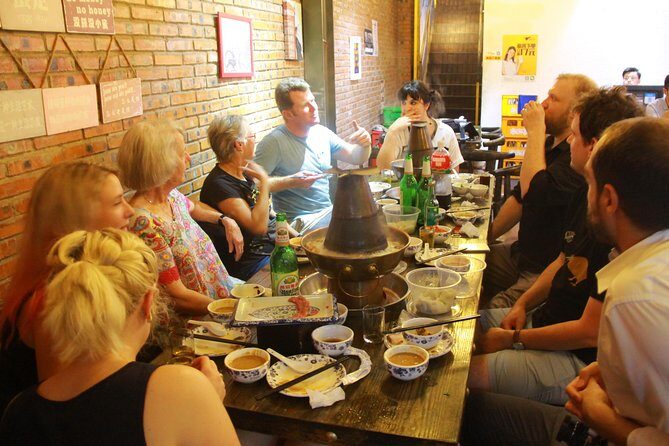
This tour works because dinner in Beijing isn’t just about where you sit. It’s about the streets, the pace, and the small family places that don’t show up on most tourist itineraries. When you’re guided through hutong lanes, the food feels tied to everyday life instead of a checklist.
At $75 for a 3-hour evening, you’re paying for time and direction. You’re also getting more than bites: bottled water, soft drinks, local alcoholic beverages, and multiple restaurant stops that add up fast. If you’ve ever paid for one “nice” dinner and still felt like you missed half the city’s food, this is the fix.
A few more Beijing tours and experiences worth a look
Finding the meet-up: Beixinqiao Station, 7:00 pm
The tour starts at Beixinqiao Station at 7:00 pm. There’s no hotel pickup, so plan to get yourself there on your own. The upside is that you’re near public transportation, and the start point is simple to reach once you’re in the right area.
A smart move here is to come a little early, even if the tour feels close on a map. Evening walking in hutongs can take a few minutes to settle the group, and you’ll want to start with a clear head before you begin eating.
The hutong walk: narrow lanes that change how you taste
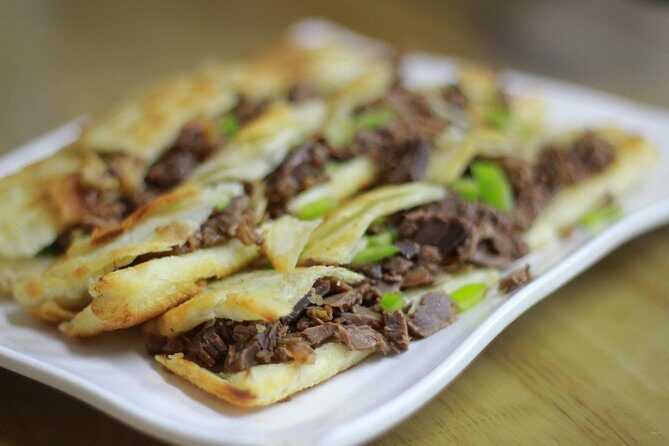
The main idea is a walking route through historic hutong neighborhoods—those narrow alley lanes where many local families still live and shop. Your guide’s job isn’t just to point out food. It’s to get you through streets that can feel confusing or tight if you’re wandering alone.
This part matters because hutong dining often depends on small timing and local rhythms. You’re not only learning what to eat; you’re also watching how the neighborhood operates in the evening—where people line up, where steam rises from street stalls, and how families move between home and kitchen.
Because the tour is designed for easy navigation, the pacing is built for a walking crowd. You’re likely to cover more ground than a sit-down dinner, but the stops are planned so you’re never stuck waiting too long.
Stop 1: UnTour Food Tours brings you into local shops
The evening begins with UnTour Food Tours guiding you into local places rather than setting you loose on the streets. This matters because the difference between good and great in Beijing food is often knowing what to order, where to go, and when to arrive.
You’ll also feel the small-group advantage early. With a group of around 8 (and up to 12 max), the guide can keep the rhythm moving and still explain what you’re eating as you go. It’s a better setup than big tours where you barely catch the story behind the dish.
Stop 2: Hutong tour food stops that you can’t easily find alone
After the introduction, the walk deepens into hutongs with planned food stops tucked into neighborhood life. These are the kinds of places that can be almost invisible to first-time visitors. Even if you’re in the general area, the lanes twist, signage can be minimal, and the best counters aren’t always on main corners.
This is where you should slow your mind and go with the flow. The tour is about following an insider route, tasting what the neighborhood keeps returning to, and learning why those dishes made it into everyday Beijing.
A few more Beijing tours and experiences worth a look

The tastings: hotpot, dumplings, sauced meats, and more
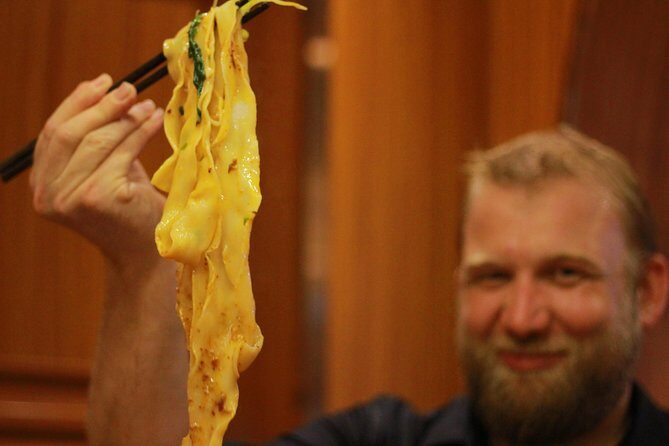
The tour’s food focuses on northern Chinese flavors, with tastings that may include:
- Mongolian-style hotpot
- Hand-stuffed boiled dumplings
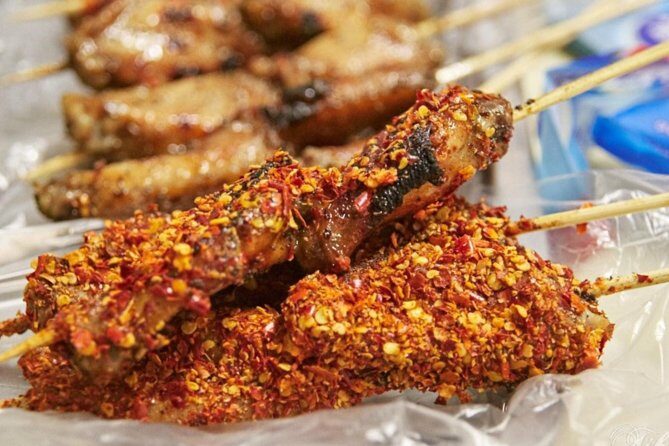
- Beijing’s sauced meats
On top of the core list, you should keep an eye out for breakfast-style street favorites reworked for evening eating. One dish that shows up for many groups is jianbing—the crispy egg crepe often paired with wonton-style bits. It’s the kind of snack that feels simple until you realize how many textures can live in one thin sheet.
Here’s the practical thing: the tastings can feel like a full meal plus snacks. If you go in hungry, you’ll enjoy everything more. But if you’re picky about portions, go slow at the first stop—start with one item, then adjust. Your guide is steering the order for a reason, and it usually leads to a smoother dinner than trying to rush everything yourself.
Also note that the tour includes alcoholic options. If you don’t want beer or wine, you’ll still have water and soft drinks, so you can shape the evening to your comfort level.
Beer with dinner: pairing that keeps the evening moving
The meal is paired with a bottle of local beer, and bottled water is included. That pairing does two things for you: it makes the food stops feel like a coordinated dinner rather than random tastings, and it’s easier to keep the pace without stopping to buy drinks.
I like this approach because it removes friction. In Beijing, it’s not always hard to find a drink, but it is easy to lose time. By having drinks handled as part of the plan, the tour keeps you focused on the food and the lanes.
Stop 3: Nuoyan Rice Wine Shop and the rice wine tasting flight
The final food-and-drink signature moment is at a boutique rice wine producer. Rice wine (mijiu) is historically described as being brewed as far back as around 1,000 BC, and the shop is where you get a quick tasting flight and guide-led context.
This stop is only about 30 minutes, so it’s not a long classroom lecture. It’s more like a flavor primer: you taste, you learn what you’re noticing, and then you move on while it’s still fresh in your mind. It’s a good change of pace after heavier northern dishes and hotpot-style meals.
If you like to remember travel by smell and taste, this is the portion worth leaning into. Rice wine flavors can vary, and the guide’s explanations help you avoid treating it as a single one-note drink.
Stop 4: Ghost Street (Gui Jie) snack time, about 10 minutes
The tour ends with a quick stop at Ghost Street (Gui Jie), one of the best-known places to grab snacks. It’s short—around 10 minutes—but it works well as a finish because you can choose what you still want after the big tasting run.
Since this part is free admission and timed, you don’t need to overthink it. Treat it like the final taste test of the night. If you still have space, pick one snack and savor it. If you’re full, just enjoy walking through the street atmosphere with the guide’s final pointers.
Guides and group size: how this stays personal
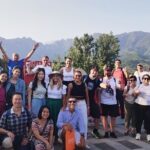
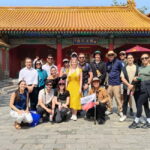
The tour runs with a standard group size of 8, and in some cases up to 12 with a second guide. A cap like this is a big deal in hutongs. With fewer people, your guide can keep an eye on the group and keep the explanations clear at each stop.
You might also notice the guiding style across different nights: many guides focus on explaining how dishes connect to Chinese food culture and how that food history shaped what you’re eating. Names that have appeared include Shan, Garth, Kelly, Jesus, Eric, Katie, Julia, and Zeben—and the common thread is storytelling tied directly to the meals.
If you want an evening that mixes food with context (not a lecture, not just eating), this format tends to deliver.
What to bring and how to pace yourself
This is an evening walking tour, so dress for walking and consider shoes you’re comfortable in. Hutong lanes can be uneven, and the route is designed around navigating narrow streets with the guide’s help—still, you’ll be doing the walking.
For food pacing:
- Start hungry, but don’t cram everything at the first hotpot or dumpling stop
- Plan to eat slowly, because the group eats in sequence at multiple places
- If you’re not drinking alcohol, lean on water and soft drinks; the tour includes both
Dietary needs can be handled, but you must request them in advance. The tour notes that advanced notice is required to cater to restrictions, so don’t leave it until the day of.
Price and value: $75 for a whole evening of meals and drinks
This is the strongest value argument. You’re not just buying guided walking. You’re paying for a structured sequence of tastings that add up to a full meal length, plus drinks and a post-tour info package.
Included items you’ll actually use:
- Dinner tasting stops that can last the bulk of the evening
- Bottled water
- Soft drinks & local alcoholic beverages
- Beer pairing
- A rice wine tasting flight
- A post-tour welcome packet with restaurant recommendations and local travel tips
If you were to recreate this on your own, you’d spend time finding the right lanes, figuring out ordering, and trying to string together several good stops without repeating the same type of place. This tour compresses that effort into one guided plan—and it’s the reason the price feels fair instead of steep.
Who should book this tour, and who should reconsider
This is a great fit if:
- You want Old Beijing hutong food without navigating it alone
- You enjoy guided context tied to what you’re eating
- You want a small-group dinner that doesn’t require a big reservation plan
You might reconsider if:
- You hate walking or you want a fully sit-down dinner
- You’re very sensitive to alcohol tastings and prefer to avoid them completely
- You need hotel pickup, since it’s not included
Also keep weather in mind. The experience requires good weather, and if it’s canceled due to poor conditions, you’ll be offered a different date or a refund.
Should you book the Old Beijing Dinner Tour?
I’d book it if you’re spending a limited number of nights in Beijing and want a food experience that feels local from first stop to last. The hutong walking element isn’t a side show here—it’s part of why the dinner feels different.
I’d skip it if you want a quiet, light meal or if your biggest goal is a single famous restaurant. This tour is about many stops, lots of tasting, and a guided night you can remember by names, flavors, and lane streets.
If you’re the type who likes learning how dishes connect to place and daily life, this one earns its spot in your schedule.
FAQ
How long is the Old Beijing Dinner Tour?
The tour is about 3 hours.
Where does the tour start and end?
It starts near Beixinqiao Station (7:00 pm) and ends near the intersection of Dongsi North St and Dongsi 10th Alley, close to Zhangzizhong Rd Metro Line 5.
What’s included in the price?
Dinner tasting stops, bottled water, soft drinks and local alcoholic beverages, the guide fee, and a post-tour welcome packet with restaurant recommendations and local travel tips.
Is hotel pickup and drop-off included?
No, hotel pickup and drop-off are not included.
How big is the group?
The standard group size is 8, and it can be up to 12 with a second guide.
Can the tour accommodate dietary requirements?
Yes, but you need to advise dietary requirements at the time of booking with advanced notice so the team can cater to restrictions.