REVIEW · BEIJING
Beijing:Bullet Train Tour to Hanging Temple&Yungang Grottoes
Book on GetYourGuide →Operated by Fun Beijing Travel · Bookable on GetYourGuide
One cliff-top temple can feel unreal. This Beijing day trip packs Hanging Temple and Yungang Grottoes into a single organized 10-hour outing, so you get big wow-factor without wrestling train logistics yourself. I also love that you get a guide who explains what you’re seeing as you go, plus clear help with tickets and timing. One thing to consider: the Hanging Temple sits high on the cliff, so if you’re nervous around heights, plan to move slowly with your guide rather than rush for photos.
You’ll start with pickup from your Beijing downtown hotel, ride a bullet train to Datong (about two hours), then spend the day working through two UNESCO-class stops with a private driver and private guide. I like the balance here: you’re not stuck in a classroom, but you also won’t be wandering without context. Food is not listed as included, so you’ll want to confirm the lunch situation before you go.
In This Review
- Key highlights you’ll actually feel
- Bullet train logistics from Beijing to Datong, with less stress
- Hanging Temple: peril, workmanship, and a view that makes history feel physical
- Datong to the next UNESCO stop: the drive that changes your pace
- Yungang Grottoes UNESCO: 252 caves and 51,000 statues worth slowing down for
- The real pacing: what 10 hours door-to-door feels like
- Guides and language: the difference between seeing and understanding
- Value for money: why the price can make sense for a one-day squeeze
- Who should book this tour (and who should consider a different plan)
- Should you book? My take
- FAQ
- FAQ
- Is this tour a private group?
- How long is the tour?
- What does the tour include?
- Is food included?
- What train experience should I expect?
- Do I need to bring my passport?
- Is there a deposit for the train tickets?
- What languages are the guides?
- What’s the cancellation policy?
- Is there any limit for infants?
Key highlights you’ll actually feel
- Bullet train handled end-to-end: round-trip tickets are included, and your driver helps make sure everything works before you board.
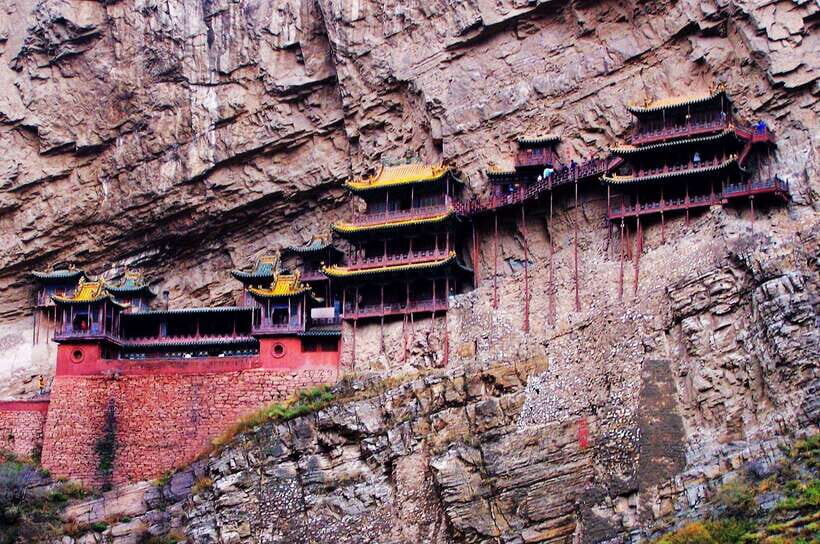
- Hanging Temple in one day: built in 491 AD, perched more than 50 meters above the ground, and tied to Taoist, Confucian, and Buddhist worship.
- Yungang’s scale is the point: 252 caves and about 51,000 statues, showing how Buddhist art fused with Chinese traditions starting in the 5th century.
- Private format, not a cattle car: hotel pickup/drop-off, private transport, and a live Chinese/English guide.
- Guide-led storytelling for photos: commentary is built into the stops, so you’ll know where to look and what to capture.
Bullet train logistics from Beijing to Datong, with less stress
The best part of this tour is how it keeps the hard bits simple. You get hotel pickup in downtown Beijing, then your driver stays with you through getting settled at the train station. The goal is practical: you shouldn’t be hunting for the correct waiting area, checking ticket details in a hurry, or worrying that something’s missing.
Then you board a bullet train to Datong. The ride is about two hours, and you get the freedom of a proper train segment rather than constant stops. Once you arrive, your local guide meets you right at the station and walks you through the itinerary on the way to the first major site of the day. That structure matters because your brain is less scattered; you’re moving through a timeline instead of reacting to random delays.
One small detail that helps: the tour mentions train tickets being handled in advance, and the driver will accompany you to the correct waiting room and verify the tickets before boarding. For a day trip like this, that’s the difference between a smooth start and a stressful start.
You can also read our reviews of more tours and experiences in Beijing.

Hanging Temple: peril, workmanship, and a view that makes history feel physical
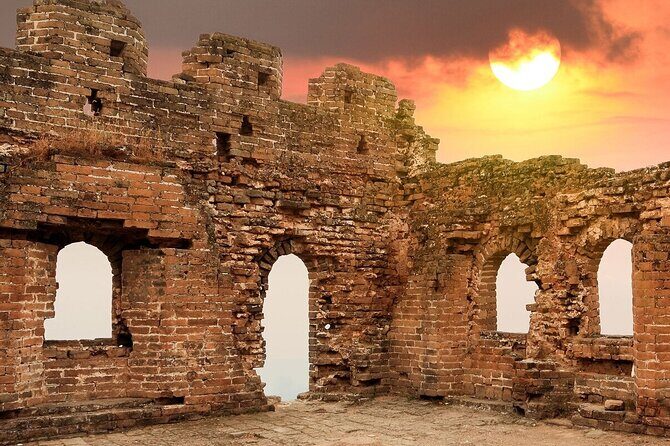
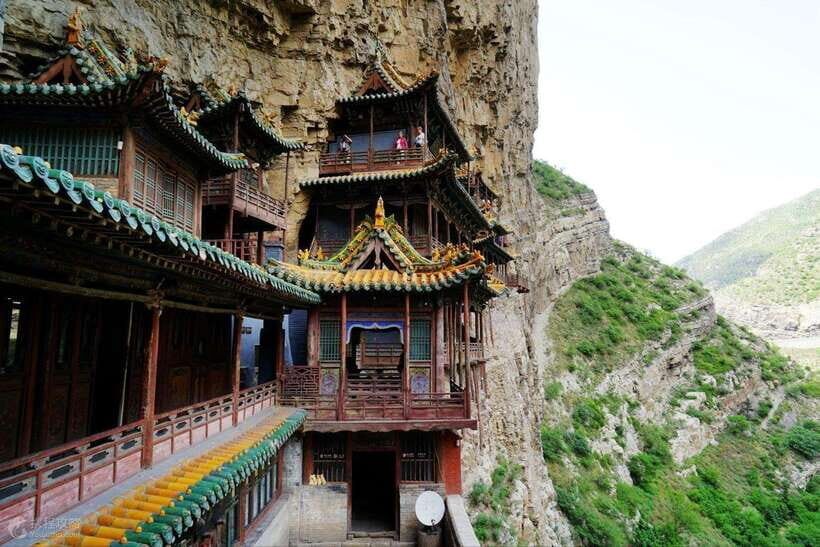
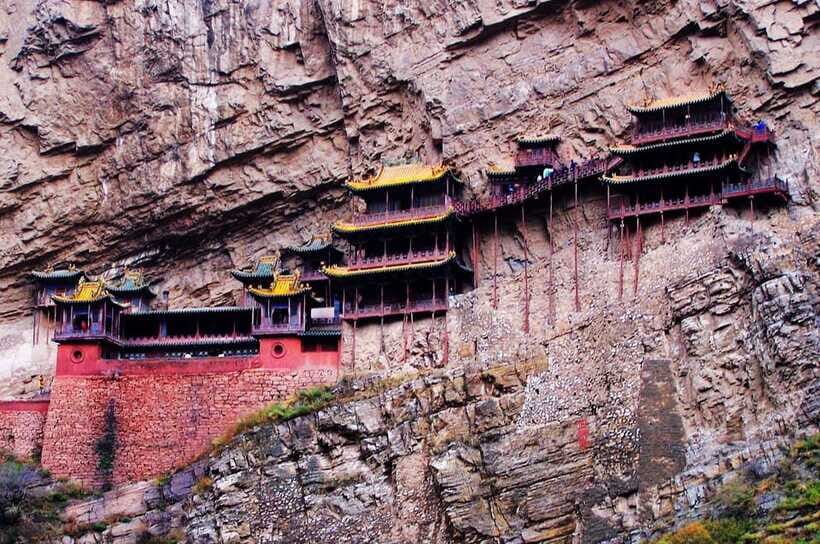
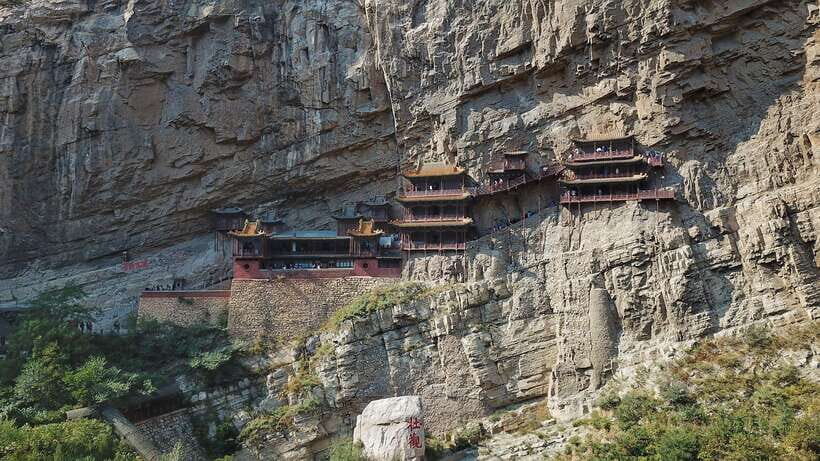
Hanging Temple is the kind of sight that looks like a movie set—until you’re standing there and it’s real. This is the only temple described as hosting worship for Taoists, Confucians, and Buddhists, and it was built in 491 AD. The sheer “how did they do that?” factor comes from where it’s located: it clings to the west cliff of Jinxia Gorge, more than 50 meters above the ground.
What I like about the visit is that it’s not just a viewpoint stop. Your guide leads you through the temple areas and explains the detailed stories and history behind what you’re seeing. That commentary helps you connect architectural features to belief systems and cultural priorities, rather than treating it like a scenic photo backdrop.
Is there a downside? If you dislike heights, you should take it seriously. One guide named Emma specifically helped a guest who wasn’t comfortable with heights by making sure they were safe on the temple sections. You can use that as a cue for your own mindset: slow down, follow the guide’s lead, and don’t treat the Hanging Temple like a sprint through checkpoints.
Datong to the next UNESCO stop: the drive that changes your pace
After Hanging Temple, you head straight toward Yungang Grottoes, with about 1.5 hours of driving between the two. This drive is more than transportation; it gives your eyes a break. Hanging Temple is tight and vertical—cliff, stone, close lines. The grottoes are the opposite: long-term art, carved over time, meant to be studied rather than just glanced at.
If you’re the type who likes to photograph architecture, this is also when you can reset your shot list. You’ve got a clear story arc for the day now: a dramatic temple in midair, then an enormous meditation on carved Buddhist art.
Yungang Grottoes UNESCO: 252 caves and 51,000 statues worth slowing down for
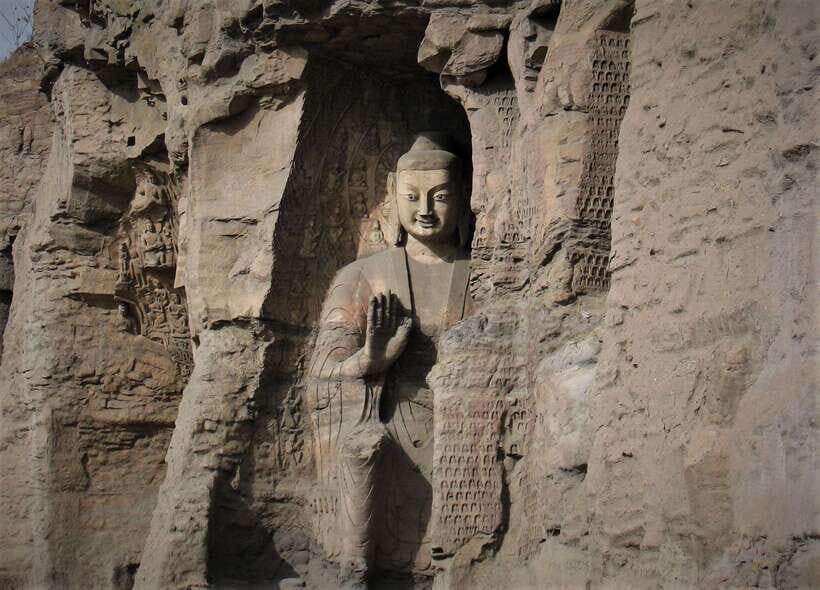
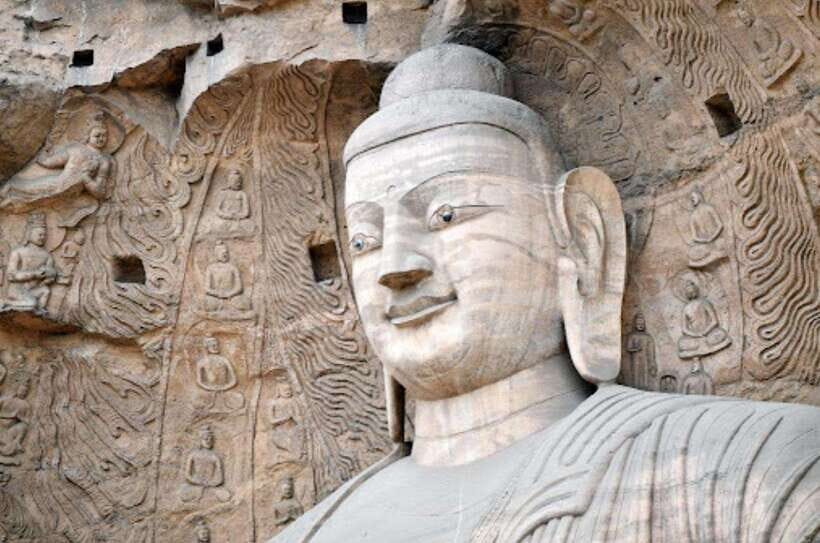
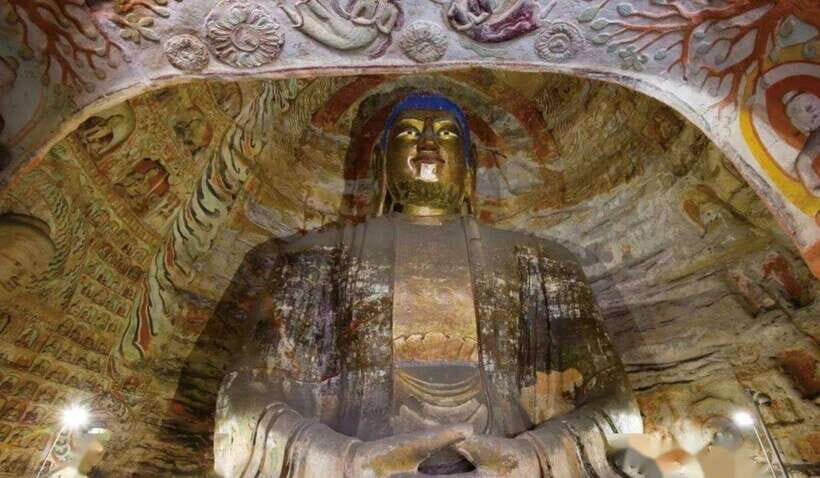
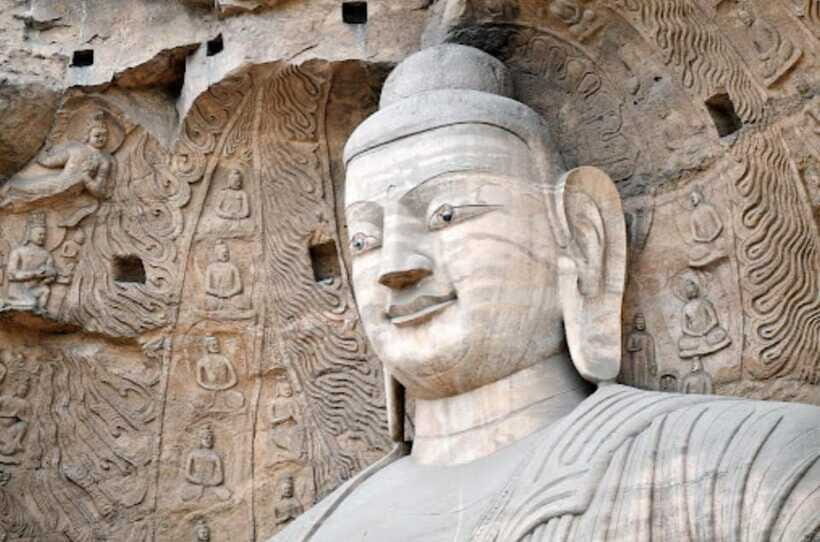
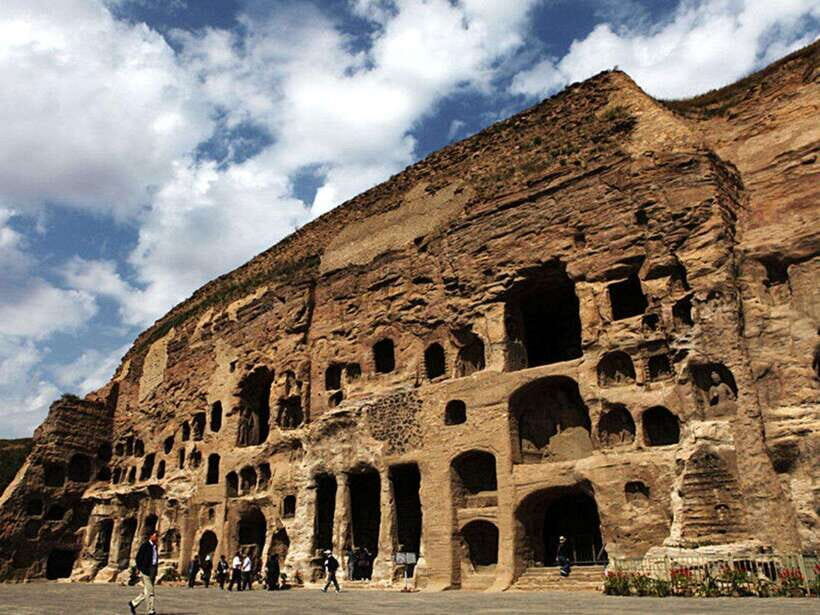
Yungang Grottoes are one of those UNESCO sites where the numbers actually matter. The tour frames them as the three largest and most famous grotto clusters in China, alongside Mogao Grottoes (Dunhuang) and Longmen Grottoes (Henan). Here at Yungang, there are 252 caves and roughly 51,000 statues, and the art stretches across centuries.
The key idea your guide will help you grasp is fusion. The grottoes represent a successful blending of Buddhist religious symbolic art from south and central Asia with Chinese cultural traditions. The timeline begins in the 5th century CE, with imperial support described as part of how the project grew. When you stand in front of the carvings, that explanation gives you a way to interpret styles instead of treating every statue as the same “great art” blur.
Why it’s valuable on a day trip: you’re not getting only one monumental site. You get two very different expressions of Asian religious culture—one built into a dramatic cliff setting, the other carved into cave space over generations.
The practical tip here is simple: don’t only chase the big first view. If your guide points to specific caves or details, it’s usually because those places show the fusion idea at its clearest. Take the time your legs can handle, then take more photos only after you understand what you’re photographing.
The real pacing: what 10 hours door-to-door feels like
The stated duration is 10 hours, and that includes door-to-door transfer time. In real-life terms, that means you’re likely starting early, then spending the bulk of the day moving between sites, with the train ride and the drive doing the heavy lifting for your schedule.
The tour is designed so you’re not waiting around. Once you’re in Datong, it’s a direct flow: station → Hanging Temple → drive → Yungang Grottoes → back to the station → return train → Beijing hotel drop-off.
What you’ll need to be okay with: it’s efficient. That’s the trade. You won’t have time for lots of extra detours or wandering downtown. If your style is slow travel, you may want to plan a follow-up night in Beijing to recover—or schedule another day trip later when you can linger.
Still, for first-time visitors to northern China, this structure is a smart entry point. You get two standout heritage sites in one day, plus the long-distance feel of a bullet train without needing to master the whole system.
Guides and language: the difference between seeing and understanding
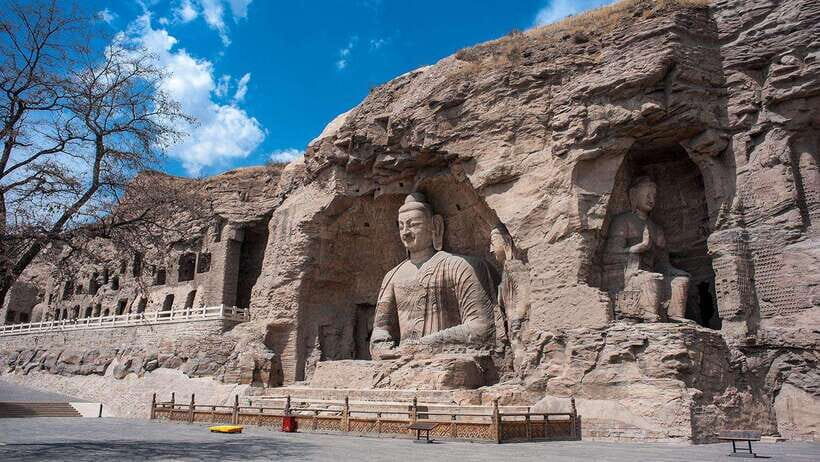
This tour uses live guides in Chinese and English. In practice, that matters because Hanging Temple and Yungang Grottoes can become overwhelming if you’re only looking at visuals. With commentary, you can connect the dots: why the temple exists where it does, what “peril, workmanship, and miracle” means in building terms, and how the grotto art reflects cross-cultural influences.
Two guide names came up in the feedback: Ana and Emma. Ana was praised for knowing her subject well, while Emma was specifically noted for helping a guest feel safe during the Hanging Temple visit. That tells me the guides aren’t just delivering facts; they’re adapting to the group in the moment.
If you want the best experience, show up with curiosity and let the guide set the pace. Ask a question when something catches your eye. You’ll get more out of the carved statues and cliff architecture if you know what they’re trying to teach you before you take another step.
Value for money: why the price can make sense for a one-day squeeze
The price is listed at $348 per person, and it includes a big chunk of what usually gets expensive on private tours: round-trip bullet train tickets, entrance fees, a professional guide, hotel pickup/drop-off, private transport, and bottled water.
That’s the value angle. If you tried to DIY it, you’d spend time handling tickets, figuring out station logistics, and booking a guide/entry for each site. Even with your own research, day-trip efficiency can be costly in time and energy.
Where you should pay attention is what’s not included. Food is listed as not included. At least one review also mentioned a lunch being among the day’s highlights, which suggests the actual lunch arrangement may vary by operating details. I’d treat it as a confirm-before-you-go item rather than a sure thing.
Also note the deposit requirement to secure train tickets. The listing shows two figures in different sections: a $100 USD per person deposit in one part, and a $50 USD per person deposit in the important notes. Both are described as refundable on the tour day, with the caveat that if you cancel after train tickets are purchased, the deposit may not be refunded. Bottom line: ask for the exact deposit amount and the refund timing so you’re not surprised.
Who should book this tour (and who should consider a different plan)
This is a strong match for you if:
- You want a first-time introduction to Datong’s major heritage without spending days planning.
- You like the idea of a private day trip with real guide time.
- You’re comfortable with a long but organized day, with a train ride and site visits packed in.
It may be less ideal if:
- You want lots of free time for wandering.
- You dislike heights and aren’t willing to move slowly at Hanging Temple.
- You have strict dietary needs and prefer meals to be clearly included.
If you’re in your best travel headspace and you want memorable northern-China culture in one shot, this is built for you.
Should you book? My take
I’d book this if you care about two things: efficient logistics and meaningful explanations. The combination of private guide time, included train tickets, and included entrance fees makes it a good deal for a day that would be complicated to DIY. The sites themselves are major, and the guide-led approach is exactly what turns them from photo stops into understanding stops.
If you’re sensitive to heights, tell the guide at the start and plan to go at a careful pace. Also confirm whether lunch is actually included in your specific departure, since the tour description and feedback don’t perfectly line up there.
FAQ
FAQ
Is this tour a private group?
Yes. The tour is described as a private group, with hotel pickup/drop-off and private transport.
How long is the tour?
The duration is listed as 10 hours (and it notes the day tour can run about 10–13 hours including door-to-door transfer).
What does the tour include?
It includes a professional guide, bottled water, hotel pickup and drop-off, transport by private vehicle, entrance fees, and round trip bullet train tickets.
Is food included?
Food is listed as not included. You may want to confirm your specific day’s lunch arrangement when booking.
What train experience should I expect?
You’ll take a bullet train from Beijing to Datong (about two hours). Your driver accompanies you to the correct waiting area and helps ensure tickets are okay. You’ll then return by bullet train to Beijing afterward.
Do I need to bring my passport?
Yes. You should bring your passport or ID card. A photocopy of everyone’s passport is required to purchase train tickets.
Is there a deposit for the train tickets?
Yes. One section mentions a deposit of 100 USD per person, while the important information section mentions a deposit of 50 USD per person. Both state the deposit is refundable during the tour day, but not if you cancel after train tickets are purchased.
What languages are the guides?
The live tour guide is listed in Chinese and English.
What’s the cancellation policy?
Free cancellation is listed as available up to 24 hours in advance for a full refund.
Is there any limit for infants?
Infants aged 0–3 are free of charge and do not occupy a separate seat.